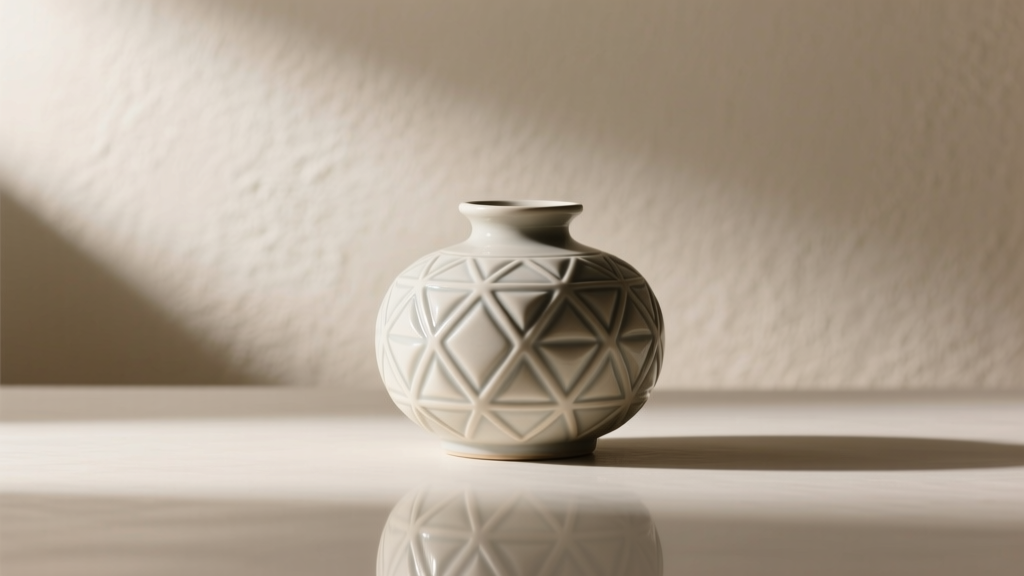
Types of Large Fruit Jars
A large fruit jar is specifically designed to store substantial quantities of fresh, preserved, or canned fruits. These jars come in various materials, designs, and capacities, each tailored to different storage, preservation, and aesthetic needs. Whether you're preserving seasonal harvests, creating infused beverages, or feeding backyard wildlife, choosing the right type of fruit jar enhances both functionality and food safety.
By Material: Choosing the Right Build for Your Needs
The material of a fruit jar affects its durability, clarity, chemical safety, and suitability for canning or long-term storage. Below are the most common types based on construction material.
Glass Fruit Jar
Made from high-quality tempered or borosilicate glass, these jars are ideal for canning, preserving, and displaying colorful fruits.
Advantages
- 100% transparent for easy content visibility
- Chemically inert – no BPA or plastic leaching
- Heat-resistant for safe canning and sterilization
- Reusable and recyclable – eco-friendly option
- Maintains freshness and flavor over time
Limitations
- Heavy and fragile – risk of breakage
- Higher cost compared to plastic
- Requires careful handling during transport
Best for: Home canning, preserves, jams, pickles, and decorative fruit displays
Plastic Fruit Jar
Constructed from durable, lightweight polymers—often BPA-free PET or HDPE—for casual or portable fruit storage.
Advantages
- Lightweight and shatterproof
- Affordable and widely available
- Suitable for outdoor or children’s use
- Good for temporary or short-term storage
Limitations
- May cloud or stain over time
- Less heat-resistant – not ideal for canning
- Potential for odor absorption
- Limited reusability compared to glass
Best for: Picnics, school lunches, camping, or everyday refrigeration
Stainless Steel Fruit Jar
Durable, rust-resistant, and modern in appearance, stainless steel jars are built for longevity and outdoor use.
Advantages
- Extremely durable and impact-resistant
- Resists odors, stains, and corrosion
- Ideal for outdoor and travel applications
- Hygienic and easy to clean
Limitations
- Not transparent – cannot see contents
- Not suitable for canning or heat processing
- Higher price point
- May affect taste if low-quality alloy is used
Best for: Infused waters, cold storage, camping, and commercial kitchens
By Design Features: Functionality That Fits Your Purpose
Design elements such as lid type, mouth size, and special attachments can significantly impact how a fruit jar is used in daily life or specialized applications.
Wide Mouth Fruit Jar
Features a broad opening (typically 3 inches or more) for easy filling, cleaning, and removal of contents.
Advantages
- Easy to pack with whole or large-cut fruits
- Simple to clean—no hard-to-reach corners
- Perfect for canning tools and funnels
- Reduces spillage during filling
Limitations
- Slightly less airtight than narrow-mouth jars
- Takes up more shelf space
Best for: Canning, fermenting, storing chunky fruit salads, or making overnight oats with fruit
Feeder Fruit Jar
Specially designed to serve fruit to birds, often integrated into a feeding station with access holes and perches.
Advantages
- Attracts a variety of birds (oranges, apples, berries)
- Protects fruit from pests and rain
- Ventilation and drainage prevent spoilage
- Durable construction for outdoor use
Limitations
- Limited use outside bird feeding
- Requires regular cleaning to prevent mold
- Fruit may dry out quickly in sun
Best for: Backyard birdwatching, gardens, and eco-friendly wildlife support
Locking Lid Fruit Jar
Equipped with a secure, airtight closure system—such as clamp lids, vacuum seals, or screw locks—to maximize shelf life.
Advantages
- Superior airtight seal prevents oxidation
- Extends freshness of fruits and preserves
- Leak-proof for transport and storage
- Ideal for vacuum sealing and sous-vide prep
Limitations
- More complex lid mechanism may wear over time
- Higher cost than standard lids
- May require replacement gaskets
Best for: Long-term storage, meal prep, fermented fruits, and commercial use
By Capacity: Matching Jar Size to Your Storage Needs
Capacity determines how much fruit can be stored at once. Larger jars are ideal for batch processing, while smaller ones suit individual or household use.
| Capacity | Best Use Cases | Durability | Portability | Ideal For |
|---|---|---|---|---|
| 5-Liter Fruit Jar | Home canning, small-batch preserves, fruit infusions | High (glass/stainless) | Medium | Families, hobbyists, seasonal fruit preservation |
| 10-Liter Fruit Jar | Bulk storage, farm-to-jar processing, pickling large batches | Very High | Low | Serious home canners, small farms, community kitchens |
| 15-Liter Fruit Jar | Commercial canning, fruit liquor infusions, catering storage | Excellent | Low (requires handling equipment) | Restaurants, wineries, agricultural processors |
Expert Tip: When using glass jars for canning, always perform a water bath or pressure canning process according to USDA guidelines to ensure food safety. Avoid sudden temperature changes to prevent thermal shock and cracking.
Storage Tip: Label your fruit jars with contents and date. Store in a cool, dark place to maximize shelf life—especially important for jams, pickles, and preserved fruits.
Design of Large Fruit Jars: Functionality, Aesthetics & Innovation
Large fruit jars are more than just storage containers—they are functional, decorative, and often technologically enhanced vessels designed to preserve freshness, elevate kitchen aesthetics, and support sustainable living. Crafted from materials such as glass, plastic, or stainless steel, these jars blend practical engineering with artistic design. Whether used for canning, pantry organization, or interior decoration, their structure is purposefully shaped to meet both utilitarian and visual needs.
Styling and Decorative Features
The visual appeal of large fruit jars plays a key role in modern kitchen design, where storage solutions double as decorative elements. Thoughtful styling enhances both usability and ambiance, making these jars ideal for showcasing vibrant fruits, nuts, or baked goods while complementing various interior themes.
Traditional Canning Jars
These classic jars evoke a sense of heritage and craftsmanship, often featuring screw-top or clamp-down lids that ensure airtight sealing for food preservation. Their sturdy construction and timeless design make them perfect for home canning, pickling, and preserving seasonal harvests. Beyond function, they add rustic charm to shelves and countertops, connecting modern kitchens with traditional self-sufficiency practices.
Modern Glass Jars
Characterized by sleek lines, smooth finishes, and transparent bodies, modern glass jars emphasize minimalism and clarity. Their clean aesthetic suits contemporary, Scandinavian, or minimalist kitchen styles. The transparency allows for instant visibility of contents, promoting organized pantries and reducing food waste. Often paired with matte metal lids or silicone seals, these jars offer a refined, clutter-free look.
Antique or Mason Jars
Reproductions of vintage mason jars bring nostalgic elegance to any space. Featuring embossed logos, wire bails, or amber-tinted glass, these jars serve as both functional storage and decorative accents. Even when empty, they enhance farmhouse, cottage-core, or industrial-style interiors. Their historical appeal makes them popular for weddings, gift packaging, and seasonal displays.
Color and Finish Options
The choice of color and surface finish significantly impacts both the functionality and decorative value of fruit jars. These elements influence light exposure, content visibility, and stylistic integration within a kitchen or dining environment.
| Type | Functional Benefit | Design Advantage |
|---|---|---|
| Clear Glass | Maximizes visibility; ideal for monitoring fruit condition and inventory | Creates a bright, open feel; perfect for colorful fruit displays and modern aesthetics |
| Tinted Glass (Blue, Green, Amber) | Blocks UV rays, protecting light-sensitive fruits and reducing oxidation | Adds vintage character; enhances mood lighting in display areas |
| Plastic Jars (Colored & Textured) | Lightweight and shatter-resistant; suitable for outdoor or children’s use | Available in vibrant colors and glossy/matte finishes; ideal for playful or seasonal decor |
Ornamental Elements That Elevate Design
Beyond basic form and function, many large fruit jars incorporate decorative details that transform them into statement pieces. These ornamental features enhance personalization, brand identity, and thematic consistency in home design.
Integration of Modern Technology
Advancements in material science and smart technology have transformed traditional fruit jars into intelligent, high-performance storage solutions. These innovations improve food safety, extend shelf life, and simplify maintenance.
Airtight Seals
Engineered with vacuum-sealing mechanisms or silicone gaskets, modern jars prevent air and moisture ingress. This preserves fruit freshness, prevents mold growth, and maintains flavor integrity—essential for long-term storage without refrigeration.
Smart Jars with Monitoring Features
Equipped with sensor-enabled lids, smart jars track internal conditions such as temperature, humidity, and ethylene gas levels. Some connect to mobile apps, sending alerts when fruits are nearing spoilage—ideal for reducing food waste and optimizing inventory management.
Easy-Clean & Hygienic Surfaces
Featuring non-stick coatings, smooth glass interiors, or antimicrobial treatments, these jars resist staining and bacterial buildup. Many are dishwasher-safe, ensuring quick and thorough cleaning after use—critical for maintaining hygiene in food storage.
Note: While aesthetics are important, always prioritize functionality when selecting a fruit jar. Ensure the material is food-safe, the seal is reliable, and the design supports proper ventilation or preservation needs. For long-term storage, glass remains the top choice due to its inert nature and recyclability. Avoid using decorative plastic jars for acidic or oily foods unless explicitly labeled as food-grade and BPA-free.
Specification & Maintenance of Large Fruit Jars
Large fruit jars are essential for storing fresh fruits, preserving jams, or organizing pantry items. Understanding their technical specifications and proper maintenance ensures longevity, food safety, and optimal functionality. Whether used in home kitchens, commercial kitchens, or food preservation settings, selecting and caring for the right jar makes a significant difference in performance and durability.
Capacity and Size
Large fruit jars typically range from 5 to 15 liters or more, making them ideal for bulk storage. The dimensions—height and diameter—affect usability and storage convenience.
- Wide-mouth jars (8–12 cm opening) allow easy packing of whole fruits like apples, oranges, or lemons without cutting.
- Taller, narrow jars are better for upright storage and space-efficient stacking.
- Larger capacities (10L+) suit commercial use or seasonal fruit preservation, while 5–7L models work well for household needs.
Pro tip: Choose wide-mouth jars for easier cleaning and filling, especially when storing citrus or berries.
Material Types & Properties
The material of the jar influences durability, heat resistance, weight, and aesthetic appeal. Each has unique advantages and care requirements.
- Glass: Non-reactive, transparent, and heat-resistant. Ideal for canning and hot-fill applications. Tempered glass resists thermal shock.
- Plastic (BPA-free PET or PP): Lightweight and shatterproof but less heat-tolerant. Best for cold storage or dry fruits.
- Stainless Steel: Durable, rust-resistant, and modern-looking. Often used in commercial kitchens but opaque, so contents aren’t visible.
Key insight: Glass is preferred for long-term food storage due to its inert nature and ability to withstand high temperatures.
Lid Types & Sealing Mechanisms
The lid plays a crucial role in preserving freshness and preventing contamination. Different sealing systems offer varying levels of airtight protection.
- Twist-on (screw-top) lids: Provide a secure, reusable seal. Common in modern storage jars.
- Vacuum-sealed lids: Create an oxygen-free environment, extending shelf life—ideal for refrigerated or preserved fruits.
- Clamp-down (Gliptight) lids: Traditional style used in canning (e.g., Le Parfait or Weck jars). Offers excellent airtightness and reusability.
Maintenance note: Regularly inspect rubber gaskets and seals for wear or mold to ensure continued airtight performance.
Heat & Environmental Resistance
Understanding how jars react to temperature and light helps prevent damage and food spoilage.
- High-quality glass jars can withstand temperatures up to 150°C (300°F), suitable for boiling water bath canning.
- Plastic jars should not be exposed to temperatures above 70°C (160°F) to avoid warping or chemical leaching.
- UV exposure can degrade plastic and affect food quality; store jars away from direct sunlight.
Safety reminder: Never pour boiling liquid into a cold glass jar—pre-warm it to prevent thermal cracking.
Maintenance Guidelines
Cleaning Techniques
Proper cleaning maintains hygiene and extends the life of your jars.
- Glass jars: Wash with warm, soapy water and a non-abrasive sponge. Dishwasher-safe if labeled; place on the top rack to reduce thermal stress.
- Plastic jars: Hand wash only with mild detergent. Avoid steel wool or abrasive pads to prevent micro-scratches that harbor bacteria.
- Stainless steel jars: Use stainless steel cleaner or vinegar solution for shine. Dry immediately to prevent water spots.
Deep cleaning tip: Soak jars with a mixture of baking soda and warm water to remove stubborn residues or odors.
Preventing Smudges & Scratches
Keep jars looking new and hygienic with proper handling and cleaning practices.
- Wipe exterior surfaces regularly with a microfiber cloth to remove fingerprints and smudges.
- Avoid placing jars near stovetops or ovens where grease and heat can damage surfaces.
- Store plastic jars separately to prevent scratching from metal utensils or other containers.
Aesthetic tip: Use jar sleeves or labels to minimize direct contact and reduce visible smudging.
Proper Storage Practices
Correct storage prevents damage and preserves food quality.
- Store glass jars in cool, dry places away from direct sunlight to prevent UV degradation and temperature fluctuations.
- Keep stainless steel jars in low-humidity areas to prevent condensation and potential corrosion.
- Plastic jars should be stored in moderate temperatures (15–25°C) to avoid warping or brittleness.
- Always store jars upright with lids securely fastened to prevent leaks and contamination.
Handling & Safety Tips
Large jars, especially glass ones, require careful handling due to weight and fragility.
- Lift jars by the base, not the neck or lid, to avoid breakage or lid loosening.
- Never place hot jars on cold surfaces—use trivets or cooling racks to prevent thermal shock.
- Empty jars should be stored away from cooking zones to avoid contact with hot pans or flames.
- For heavy jars (>10L), consider using a cart or tray for safe transport.
Safety first: Inspect jars regularly for cracks, chips, or weakened glass—discard damaged jars immediately.
Expert Recommendation: For everyday use, opt for tempered glass jars with twist-on or clamp-down lids—they offer the best balance of durability, visibility, and airtight performance. Always prioritize BPA-free materials and heat-resistant designs if planning to use jars for canning or hot storage. Regular maintenance and proper handling significantly extend the life of your jars and ensure food safety.
| Material | Dishwasher Safe? | Heat Tolerance | Cleaning Method | Lifespan (with care) |
|---|---|---|---|---|
| Glass (Tempered) | Yes (top rack) | Up to 150°C | Soapy water or dishwasher | 5–10+ years |
| Plastic (BPA-free) | No (hand wash only) | Up to 70°C | Hand wash with mild soap | 2–4 years |
| Stainless Steel | Yes (non-abrasive) | High (oven-safe) | Stainless cleaner or vinegar | 10+ years |
Frequently Asked Questions (FAQs)
Q1: Why is an airtight container important for fruit storage?
Airtight containers prevent exposure to air, moisture, and airborne bacteria, which helps preserve freshness, flavor, and nutritional value. They also extend shelf life and reduce the risk of mold or spoilage—especially crucial for cut fruits or preserved jams.
Q2: Can large fruit jars go in the dishwasher?
Glass and stainless steel jars are often dishwasher-safe, but always check the manufacturer’s label. Place them on the top rack to avoid high-pressure jets and thermal shock. Plastic jars should be hand washed to prevent warping and scratching.
Q3: How do scratches affect fruit jar usability?
Scratches, especially in glass or plastic, create crevices where bacteria can grow, making the jar harder to sanitize. They also weaken structural integrity and diminish appearance. Always use non-abrasive cleaning tools to maintain smooth surfaces.
Q4: Are large fruit jars suitable for storing hot foods?
Yes, high-quality glass and stainless steel jars are designed for hot-fill applications like canning. However, avoid placing boiling liquids into cold jars—pre-warm them first. Never store hot foods in plastic jars, as heat can cause warping or chemical leaching.
Q5: How can I remove stubborn odors from a large fruit jar?
To eliminate lingering odors, fill the jar with warm water and 1–2 tablespoons of baking soda. Let it soak overnight. For stronger smells, add a splash of white vinegar. Rinse thoroughly and air dry. Activated charcoal or coffee grounds can also be placed inside for 24 hours to absorb odors.
Scenarios of Large Fruit Jars: Practical and Creative Uses
Large fruit jars are more than just containers—they are multifunctional, eco-friendly solutions that blend practicality with aesthetic appeal. From preserving seasonal harvests to serving as stylish home decor, these jars have become staples in modern kitchens and event spaces. Their durability, transparency, and airtight sealing capabilities make them ideal for a wide range of applications in both daily life and special occasions.
Pro Tip: Opt for glass jars with BPA-free, rust-resistant lids to ensure long-term usability and food safety. Wide-mouth designs make filling, cleaning, and repurposing much easier.
Canning and Preserving: Extending the Life of Seasonal Harvests
One of the most traditional and valuable uses of large fruit jars is in the preservation of fruits, vegetables, and homemade spreads. During peak harvest seasons, fruits like peaches, berries, plums, and citrus can be transformed into jams, jellies, chutneys, or pickled treats using the canning method. These jars create a vacuum seal when properly processed, preventing bacterial growth and oxidation.
While 5-liter jars are suitable for small batches, larger 10-liter or 15-liter jars are preferred for bulk canning—ideal for homesteaders, farmers, or families looking to stock up for winter. The airtight seal locks in flavor and nutrients, allowing preserved foods to last up to 12–18 months when stored in a cool, dark place.
- Use boiling water bath or pressure canning methods depending on acidity levels
- Label jars with contents and date for easy tracking
- Inspect seals before storage and after opening to ensure freshness
- Reused jars should be checked for cracks and chips to maintain safety
Infused Waters and Beverages: Stylish Hydration Solutions
Large fruit jars have gained popularity as elegant dispensers for infused waters, detox drinks, and signature beverages at home or events. By combining fresh ingredients like lemon slices, strawberries, mint, cucumber, or ginger in a large jar filled with water, you create visually appealing and health-conscious drinks that encourage hydration.
These jars are especially effective in social settings such as weddings, baby showers, brunches, or office gatherings, where self-serve drink stations reduce labor and enhance guest experience. For personal use, they're perfect for weekly meal prep—simply store in the refrigerator and enjoy throughout the week.
Enhancement Idea: Add edible flowers (like rose petals or lavender) or herbal teas to elevate the visual and flavor profile of your infused drinks for special events.
Fruit Display and Kitchen Decor: Functional Aesthetics
Beyond utility, large fruit jars double as decorative centerpieces. Filled with vibrant seasonal fruits—such as oranges, apples, limes, or pomegranates—they add color and freshness to kitchen counters, dining tables, or entryway displays. Unlike traditional vases, they combine beauty with purpose, subtly encouraging healthy snacking.
Dried fruits like figs, dates, apricots, or prunes also make attractive arrangements, especially during holiday seasons. When paired with cinnamon sticks, star anise, or decorative ribbons, these jars become festive decor elements that blend natural charm with warmth.
- Rotate contents seasonally to keep displays fresh and relevant
- Use LED tea lights beneath transparent jars for evening ambiance
- Combine with wooden trays or marble slabs for a modern rustic look
Gifts and Favors: Thoughtful and Reusable Presents
Large fruit jars are increasingly used as customizable gifts and party favors. Their reusable nature makes them environmentally friendly and appreciated by recipients. Whether filled with homemade strawberry jam, artisanal honey, layered cookie mix, bath salts, or succulent plants, these jars can be tailored to any occasion.
Personalization elevates their charm—add custom labels, handwritten notes, fabric lids, or twine bows to match themes like rustic weddings, baby showers, teacher appreciation, or holiday gifting. Guests often repurpose the jars for storage, drinking glasses, or candle holders, extending the gift’s lifecycle.
| Occasion | Suggested Jar Contents | Personalization Ideas |
|---|---|---|
| Wedding | Honey, mini champagne, confetti | Names and date, lace wraps, calligraphy tags |
| Baby Shower | Homemade baby food, oatmeal mix, bath bombs | Animal prints, pastel ribbons, “Welcome Baby” labels |
| Birthday | Candy mix, cocktail ingredients, tea blends | Photo labels, glitter glue, themed stickers |
| Housewarming | Flour, sugar, spice layers, candles | “Home Sweet Home” tags, wooden lids, herb sprigs |
Storing Dry Goods: Smart Kitchen Organization
Large fruit jars are excellent for organizing dry pantry staples. Their transparent design allows for quick visual identification of contents, reducing food waste and streamlining meal preparation. Store bulk items like rice, quinoa, pasta, beans, lentils, oats, flour, sugar, nuts, and seeds with confidence, knowing the airtight lid protects against moisture, air exposure, and pests like weevils or ants.
Arranging multiple jars on open shelves or in pantries creates a clean, minimalist aesthetic often seen in modern farmhouse or zero-waste kitchens. For added functionality, consider using chalkboard labels or silicone sleeve markers to easily update contents.
- Store in a cool, dark area to preserve shelf life of grains and flours
- Use oxygen absorbers or bay leaves to deter insects in long-term storage
- Group similar items (baking supplies, breakfast foods, snacks) for efficient access
- Stackable jars maximize vertical space in smaller kitchens
Sustainability Note: Repurposing large fruit jars reduces single-use container waste and supports eco-conscious living. Many brands now design jars specifically for reuse, making them a smart investment for green households.
Additional Tips for Maximizing Jar Use
- Wash jars thoroughly with hot, soapy water before each use, especially after storing oily or sticky contents
- Freeze jars only if they are tempered glass and filled with headspace to prevent cracking
- Use silicone jar grippers for easier handling when wet or oily
- Explore fermentation projects like kombucha or sauerkraut using airlock lids adapted to standard jar openings
- Donate extra jars to local community gardens or canning workshops to promote sustainability
Large fruit jars are more than just containers—they represent a shift toward mindful consumption, creative expression, and sustainable living. Whether you're preserving summer’s bounty, designing a wedding favor, or simply organizing your pantry, these jars offer endless possibilities. With proper care and imagination, a single jar can serve multiple roles across years of use, making it one of the most versatile tools in the modern home.
How to Choose the Perfect Large Fruit Jar: A Comprehensive Guide
Selecting the right large fruit jar is more than just picking a big container—it’s about matching functionality, durability, and aesthetics to your specific needs. Whether you're preserving seasonal harvests, creating a stylish fruit display, or repurposing jars for creative storage, key factors such as purpose, material, capacity, design, and maintenance requirements play a crucial role in your decision.
This guide breaks down each essential consideration to help you make an informed choice for both personal and commercial applications.
1. Intended Purpose: Match the Jar to Its Function
The primary use of the jar should be the starting point in your selection process. Different purposes demand different features:
- Canning & Food Preservation: Opt for jars with airtight, vacuum-sealed lids to ensure long shelf life and food safety. Glass mason jars with two-part lids (lid and ring) are ideal for home canning.
- Decorative Display: Use clear glass jars to showcase colorful fruits, dried arrangements, or layered desserts. Wide-mouth jars make filling and arranging easier.
- Kitchen Storage: Large jars can store bulk fruits, nuts, or grains. Look for moisture-resistant seals and stackable designs for pantry efficiency.
- Gifting: Elegant jars with custom labels or engraved designs make thoughtful, reusable gifts—especially when filled with homemade jams or fruit infusions.
- Outdoor or Creative Uses: Repurpose large fruit jars as bird feeders, terrariums, or candle holders. Stainless steel or durable plastic may be better suited for outdoor exposure.
Understanding your goal ensures you select a jar that performs well and enhances your intended application.
2. Material: Weigh the Pros and Cons
Large fruit jars are typically made from glass, plastic, or stainless steel—each with distinct advantages and limitations:
| Material | Pros | Cons | Best For |
|---|---|---|---|
| Glass | Nonporous, chemically inert, transparent, microwave-safe, recyclable | Heavy, fragile, can break if dropped or exposed to thermal shock | Canning, preserving, decorative displays, gifting |
| Plastic (BPA-free) | Lightweight, shatterproof, affordable, easy to transport | May scratch, discolor, or absorb odors over time; potential for chemical leaching if low-quality | Everyday storage, children’s kitchens, outdoor use |
| Stainless Steel | Extremely durable, rust-resistant, excellent for insulation, ideal for outdoor or rugged use | Not transparent, more expensive, may dent if impacted | Outdoor kitchens, camping, commercial food service |
Tip: For food storage, always verify that plastic jars are labeled BPA-free and FDA-approved for food contact.
3. Capacity and Size: Choose the Right Volume
Large fruit jars typically range from 5 liters (1.3 gallons) to 15 liters (4 gallons) or more. Consider the following when selecting size:
- 5–7 Liter Jars: Ideal for home canning batches, small fruit displays, or storing dry goods in a kitchen pantry.
- 10 Liter Jars: Great for larger preservation projects, bulk storage, or centerpieces at events.
- 12–15+ Liter Jars: Best suited for commercial use, large-scale fermenting (e.g., sauerkraut), or dramatic decorative installations.
Also consider the jar’s physical dimensions—height, diameter, and mouth width—especially if storing in cabinets, on shelves, or using for serving. A wide mouth simplifies filling and cleaning, while narrow necks may be better for controlled pouring.
4. Design and Aesthetics: Style Meets Function
The visual appeal of a fruit jar can enhance your kitchen, dining area, or retail display. Choose a design that complements your space:
- Vintage & Rustic: Amber or clear glass mason jars with wire-bail or zinc lids fit farmhouse or country kitchens.
- Modern & Minimalist: Sleek glass jars with black or brushed metal lids offer a clean, contemporary look.
- Customizable Options: Jars with chalkboard labels, etched glass, or personalized engraving add a unique touch for gifts or branding.
- Lid Varieties: Swing-top lids provide airtight seals and visual appeal; screw-top lids are practical and widely available.
Transparency is a major design advantage—glass allows you to see contents, making it easier to manage inventory and create visually appealing arrangements.
5. Maintenance and Durability: Built to Last
Long-term usability depends on how easy the jar is to clean and how well it withstands daily use:
- Glass Jars: Dishwasher-safe (if tempered), but require careful handling to avoid breakage. Avoid sudden temperature changes to prevent cracking.
- Plastic Jars: Lightweight and dishwasher-safe, but prone to scratches and staining from pigmented foods (e.g., berries). Hand washing may extend lifespan.
- Stainless Steel Jars: Highly resistant to dents and corrosion; easy to clean and sanitize. Ideal for high-traffic environments.
Check the lid material too—rubber gaskets should remain flexible and airtight, while metal components should resist rust. Replace worn seals promptly to maintain freshness and safety.
Conclusion: Making the Right Choice for Your Needs
Large fruit jars are versatile, practical, and increasingly stylish tools for both home and business use. Whether you're preserving summer fruits, organizing pantry staples, or crafting eye-catching displays, the right jar enhances both function and form.
To choose the best large fruit jar:
- Define the primary purpose (canning, display, storage, gifting).
- Select a material that balances safety, durability, and usability.
- Pick a capacity that matches your storage or serving needs.
- Choose a design that aligns with your décor or brand aesthetic.
- Ensure the jar is easy to clean and maintain for long-term use.
By carefully evaluating these factors, you can select a large fruit jar that not only meets your current needs but also stands the test of time—keeping your fruits fresh, your space organized, and your presentation impressive.