Every summer, the arrival of Hatch chilies signals more than just a seasonal shift—it marks a culinary celebration across the American Southwest and beyond. Grown in the fertile Mesilla Valley of southern New Mexico, Hatch chilies are prized for their complex flavor: smoky, earthy, slightly sweet, and variably spicy. When roasted and transformed into salsa, they deliver a depth unmatched by canned or generic green chilies. Making fresh Hatch chili salsa at home allows complete control over texture, heat, and freshness, turning an ordinary condiment into a centerpiece of regional cuisine. Whether you're grilling, roasting, or blending, this guide provides everything needed to craft authentic, vibrant salsa that captures the essence of the harvest.
Definition & Overview
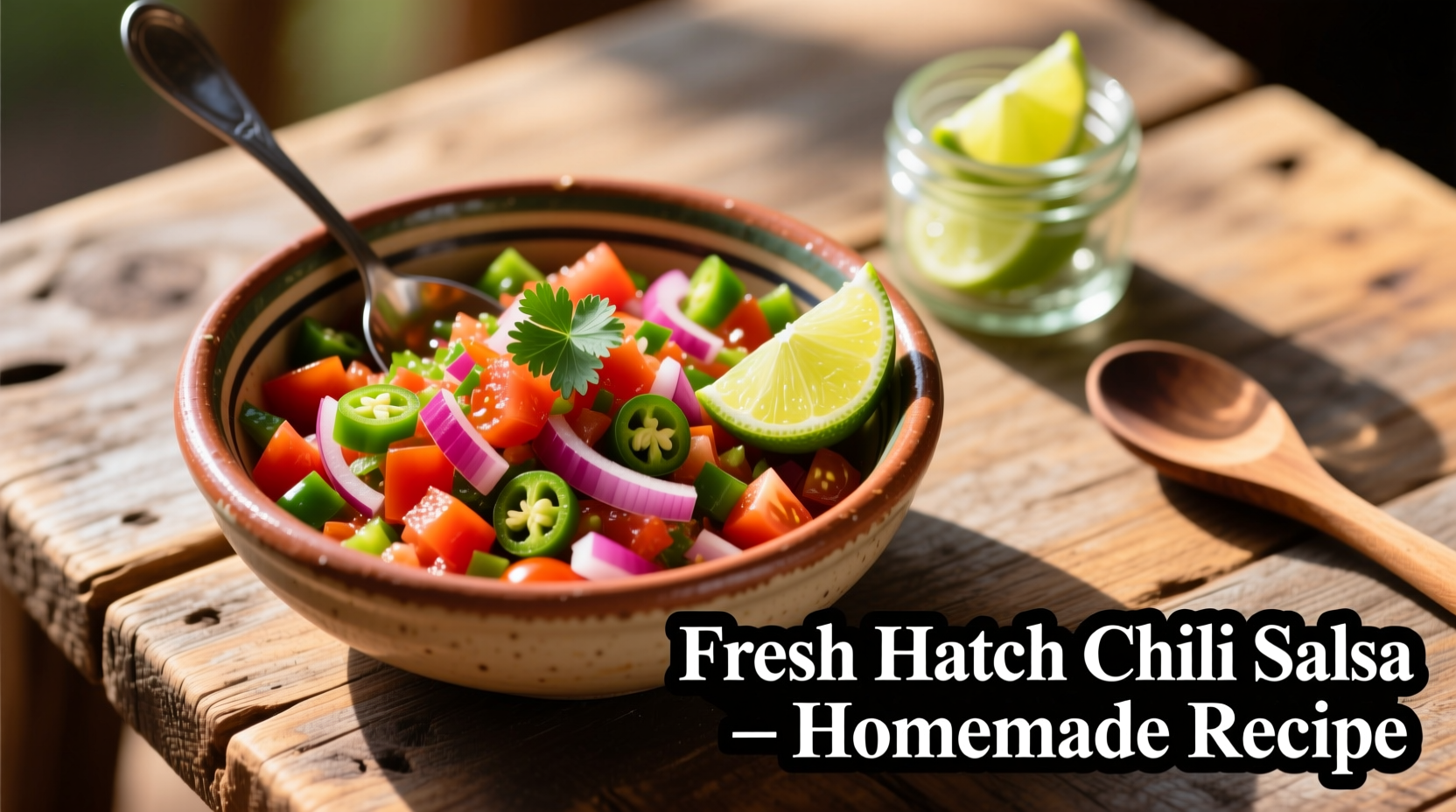
Hatch chili salsa is a fresh or lightly cooked sauce made primarily from roasted Hatch green chilies, blended with complementary ingredients such as tomatoes, onions, garlic, cilantro, and lime juice. It belongs to the broader category of salsas verdes, but distinguishes itself through its use of a specific regional pepper variety and traditional roasting method. The term “Hatch” refers not to a single cultivar but to a growing region—Hatch, New Mexico—where climate, soil, and irrigation produce peppers with superior flavor complexity. These chilies range from mild to hot, allowing salsas to be tailored to individual preference.
The hallmark of authentic Hatch chili salsa lies in the roasting process. Unlike raw salsas that rely on brightness, roasted Hatch salsa develops deep umami notes, caramelized sugars, and a subtle smokiness that elevates tacos, eggs, grilled meats, and even soups. While often associated with New Mexican cuisine, its popularity has spread nationwide, especially during peak harvest season (late July to September), when farmers' markets and grocery chains feature freshly roasted chilies.
Key Characteristics
| Characteristic | Description |
|---|---|
| Flavor Profile | Earthy, vegetal base with roasted sweetness, hints of grassiness, and variable heat. Develops smoky depth when charred. |
| Aroma | Pronounced roasted pepper scent, with floral and green bell pepper-like undertones. |
| Color/Form | Olive green to dark khaki after roasting; smooth to chunky depending on preparation. |
| Heat Level (Scoville) | 1,000–8,000 SHU; varies widely by variety (e.g., Big Jim = mild, Lumbre = hot). |
| Culinary Function | Serving as a condiment, marinade base, cooking ingredient, or dip. |
| Shelf Life (Fresh) | 5–7 days refrigerated; up to 6 months frozen. |
| pH Level | Approximately 4.2–4.6 (acidic enough for short-term preservation but not safe for canning without acidification). |
Practical Usage: How to Use Hatch Chili Salsa in Cooking
Fresh Hatch chili salsa transcends the role of a mere dip. Its layered flavor integrates seamlessly into both casual and refined dishes. At home, it functions as a finishing sauce, cooking medium, or flavor amplifier.
In everyday meals, spoon over scrambled eggs, huevos rancheros, or breakfast burritos for a bright, warming kick. Fold into shredded chicken or pork for taco fillings—the acidity cuts through fat while enhancing savory notes. Use as a basting liquid for grilled fish or carne asada, where its natural sugars caramelize on contact with heat.
In professional kitchens, chefs incorporate roasted Hatch salsa into emulsified sauces, soups, and braises. A puréed version serves as the base for chile verde stew, enriched with pork shoulder and simmered until tender. Some upscale restaurants strain the salsa and reduce it into a glossy coulis for plating proteins like seared scallops or duck breast.
Recommended Pairings
- Proteins: Grilled chicken, carnitas, roasted turkey, fried eggs, white fish
- Starches: Corn tortillas, rice bowls, tater tots (for “dirty fries”), quinoa salads
- Dairy: Crumbled queso fresco, crema, avocado slices, cotija cheese
- Vegetables: Roasted corn, black beans, zucchini, grilled poblano strips
Usage Ratios & Proportions
For balanced integration into dishes:
- Dip or topping: ¼ to ½ cup per serving
- Marinade: 1 part salsa to 2 parts oil; marinate proteins 2–4 hours
- Cooking base: Replace ½ cup tomato sauce with ¾ cup salsa in stews or casseroles
- Blending into dips: Mix 1:1 with sour cream or Greek yogurt for creamy jalapeño-style dip
Tip: For maximum flavor extraction, always roast Hatch chilies before use. Charring unlocks volatile compounds responsible for smokiness and reduces raw bitterness. Never skip the steaming step—it loosens skins and concentrates taste.
Variants & Types of Hatch Chilies for Salsa
Not all Hatch chilies are created equal. The valley grows multiple varieties, each suited to different applications based on heat, flesh thickness, and yield. Understanding these differences ensures consistent results.
Common Hatch Varieties Used in Salsa
- Big Jim: Mild (1,000–2,000 SHU), thick-walled, high yield. Ideal for large-batch roasting and chunky salsas. Most commonly sold at roadside stands.
- New Mexico No. 6-4: Medium heat (3,000–5,000 SHU), balanced flavor. Preferred by chefs for restaurant-grade salsas requiring structure and spice.
- Lumbre: Hot (6,000–8,000 SHU), thin skin, intense fire. Best used sparingly or blended with milder types. Adds punch to smoked versions.
- Elephant Cub: Very mild, large fruit size. Excellent for family-friendly salsas or pickling alongside carrots and onions.
- Joe E. Parker: Disease-resistant, medium heat. Common in commercial farming; reliable for consistent roasting performance.
Form Variations Beyond Fresh
While fresh-roasted is ideal, Hatch chilies are available year-round in other forms:
| Form | Best Use Case | Flavor Notes |
|---|---|---|
| Frozen (roasted) | Off-season salsa making | Nearly identical to fresh; retains char and moisture |
| Canned (whole or diced) | Quick additions to soups or casseroles | Less vibrant; may contain preservatives or added salt |
| Dried (rajas or powder) | Stews, rubs, or rehydrated salsas | Concentrated, leathery flavor; lacks juiciness |
| Roasted & Jarred (refrigerated) | Immediate use, minimal prep | Closest to homemade; check labels for vinegar or citric acid |
Comparison with Similar Ingredients
Hatch chilies are often confused with other green peppers due to visual similarity. However, key distinctions affect flavor, usability, and authenticity.
| Ingredient | Difference from Hatch Chili | When to Substitute? |
|---|---|---|
| Jalapeño | Smaller, hotter (2,500–8,000 SHU), less sweet, more grassy. Thin walls yield less pulp. | Only if seeking higher heat; blend with bell pepper to mimic bulk. |
| Poblano | Milder (1,000–2,000 SHU), heart-shaped, thicker skin. Less aromatic when roasted. | Acceptable in rajas or mild salsas, but lacks Hatch’s complexity. |
| Cubanelle | Very mild, almost no heat. Sweet and crisp, but no smokiness. | Never for authentic Hatch salsa; better for frying. |
| Canned Green Chilies | Often mix of undifferentiated peppers; blanched not roasted; watery texture. | Emergency substitute only; expect flatter flavor. |
| Serrano | Hotter (8,000–22,000 SHU), smaller, brighter acidity. More seed-to-flesh ratio. | Use sparingly to boost heat without altering body. |
“The terroir of the Hatch Valley gives these chilies a mineral depth you won’t find elsewhere. It’s not just the pepper—it’s the sun, the river water, the altitude.” — Chef Ana Salazar, James Beard Nominee for Southwestern Cuisine
Step-by-Step Guide: Making Fresh Hatch Chili Salsa at Home
This recipe yields approximately 3 cups of medium-bodied salsa with adjustable heat. Designed for home cooks using accessible tools.
Ingredients
- 1 lb (about 4–5 large) fresh Hatch green chilies
- 2 medium Roma tomatoes (or 1 cup cherry tomatoes)
- ½ small white onion, roughly chopped
- 2 cloves garlic, peeled
- ¼ cup fresh cilantro leaves, packed
- 1 tbsp fresh lime juice (about ½ lime)
- ½ tsp kosher salt (adjust to taste)
- 1 tsp olive oil (optional, for roasting)
- ¼ tsp ground cumin (optional, for warmth)
Equipment
- Baking sheet or grill grate
- Tongs
- Plastic bag or bowl with lid (for steaming)
- Blender or food processor
- Sharp knife and cutting board
Instructions
- Roast the chilies: Preheat broiler or grill to high. Place whole Hatch chilies on a baking sheet and roast 6–8 inches from heat, turning every 3–4 minutes until blistered and blackened on all sides (15–20 minutes total). Alternatively, char directly over gas flame using tongs.
- Steam and peel: Transfer hot chilies to a sealed plastic bag or covered bowl. Let steam 15 minutes. This loosens skins. Peel away blackened skin gently—do not rinse under water, as this washes away flavor. Remove stems and seeds if desired (seeds increase heat).
- Raise the heat (optional): On the same tray, roast tomatoes, onion chunks, and garlic cloves for 8–10 minutes until softened and lightly charred. Tomatoes should burst slightly.
- Blend: In a blender or food processor, combine roasted chilies, tomatoes, onion, garlic, cilantro, lime juice, salt, and cumin. Pulse until desired consistency—chunky, semi-smooth, or fully puréed.
- Taste and adjust: Add more salt for savoriness, lime for brightness, or a pinch of sugar if overly acidic. For creamier texture, add 1–2 tbsp water or olive oil.
- Rest before serving: Chill for at least 30 minutes to allow flavors to meld. Serve cold or at room temperature.
Pro Tip: For deeper smokiness, roast chilies over hardwood charcoal instead of gas. Alder or mesquite chips enhance the effect. Avoid lighter fluids or petroleum-based starters.
Practical Tips & FAQs
Q: How spicy is Hatch chili salsa?
A: It depends entirely on the variety used. Big Jim-based salsa will be mild and approachable, while Lumbre-heavy batches can be fiery. To control heat, remove seeds and inner membranes thoroughly. For families, blend one hot chili with three mild ones.
Q: Can I make this salsa without roasting?
A: Technically yes, but you’ll lose the defining smoky character. Raw Hatch salsa tastes greener and sharper—closer to pico de gallo. Roasting is non-negotiable for authenticity.
Q: How long does homemade Hatch salsa last?
A: Refrigerated in an airtight container, it keeps 5–7 days. The acidity from lime helps preserve it, but fresh enzymes degrade quickly. For longer storage, freeze in 1-cup portions for up to 6 months. Thaw overnight in fridge.
Q: Is it safe to can fresh Hatch salsa?
A: Only if properly acidified. Raw pH of Hatch salsa (~4.5) is above the safe threshold (<4.2) for water-bath canning. To can safely, add 1 tbsp bottled lemon juice or vinegar per pint and follow USDA guidelines. Otherwise, freezing is recommended.
Q: What if I can’t find fresh Hatch chilies?
A: Look for frozen roasted Hatch chilies in supermarkets (common in Kroger, Safeway, Whole Foods during season). If unavailable, substitute a mix of roasted poblanos (80%) and jalapeños (20%) to approximate flavor and heat.
Q: Why does my salsa taste bitter?
A: Over-charring causes bitterness. Blackened skin should be removed completely—don’t scrape too hard, but ensure no burnt bits remain. Also, older chilies or those stored too cold may develop off-flavors.
Q: Can I add fruit for sweetness?
A: Yes. Roasted pineapple, peach, or mango (¼ cup) blends beautifully with Hatch salsa for a sweet-heat profile. Excellent with fish tacos or grilled shrimp.
Checklist: Perfect Hatch Salsa Signs
✔ Deep roasted aroma, not raw or vegetal
✔ Balanced salt and acid—tastes bright but not sharp
✔ Texture holds shape without weeping liquid
✔ Heat builds gradually, not immediate burn
✔ Flavor improves after resting (not flat when first blended)
Summary & Key Takeaways
Fresh Hatch chili salsa is more than a condiment—it’s a seasonal expression of Southwestern agriculture and culinary tradition. Made correctly, it offers a harmony of smokiness, earthiness, and controlled heat that elevates everyday dishes. The foundation of great salsa lies in proper roasting: blister, steam, peel, and blend with intention. Selecting the right Hatch variety ensures desired spice levels, while complementary ingredients like roasted tomatoes and fresh lime refine the final balance.
Unlike mass-produced alternatives, homemade salsa preserves the integrity of the pepper, free from additives and excess sodium. It adapts easily—to mild versions for children, smoky iterations for grilled fare, or fruity twists for coastal-inspired menus. With freezing options, its seasonal availability doesn’t limit year-round enjoyment.
Mastering this recipe connects home cooks to a broader cultural practice—one rooted in harvest, fire, and communal eating. Whether served at a backyard barbecue or spooned over weekday leftovers, fresh Hatch chili salsa brings authenticity and vitality to the table.
Call to Action: Try your first batch during peak Hatch season (August–September) when chilies are freshly roasted at local stands. Share your creation with friends and note how the flavor evolves over two days in the fridge—true salsa matures like fine sauce.