
Avocados are a culinary staple—creamy, nutritious, and versatile. But their tendency to turn brown within hours of being cut can ruin a meal prep or spoil an otherwise perfect guacamole. The discoloration isn’t dangerous, but it’s unappetizing and often leads to unnecessary food waste. Fortunately, several practical, science-backed methods can slow oxidation and preserve that vibrant green hue far longer than you might think. This guide dives into the most effective techniques, separating myth from reality, so you can enjoy fresh-looking avocados well after slicing.
The Science Behind Avocado Browning
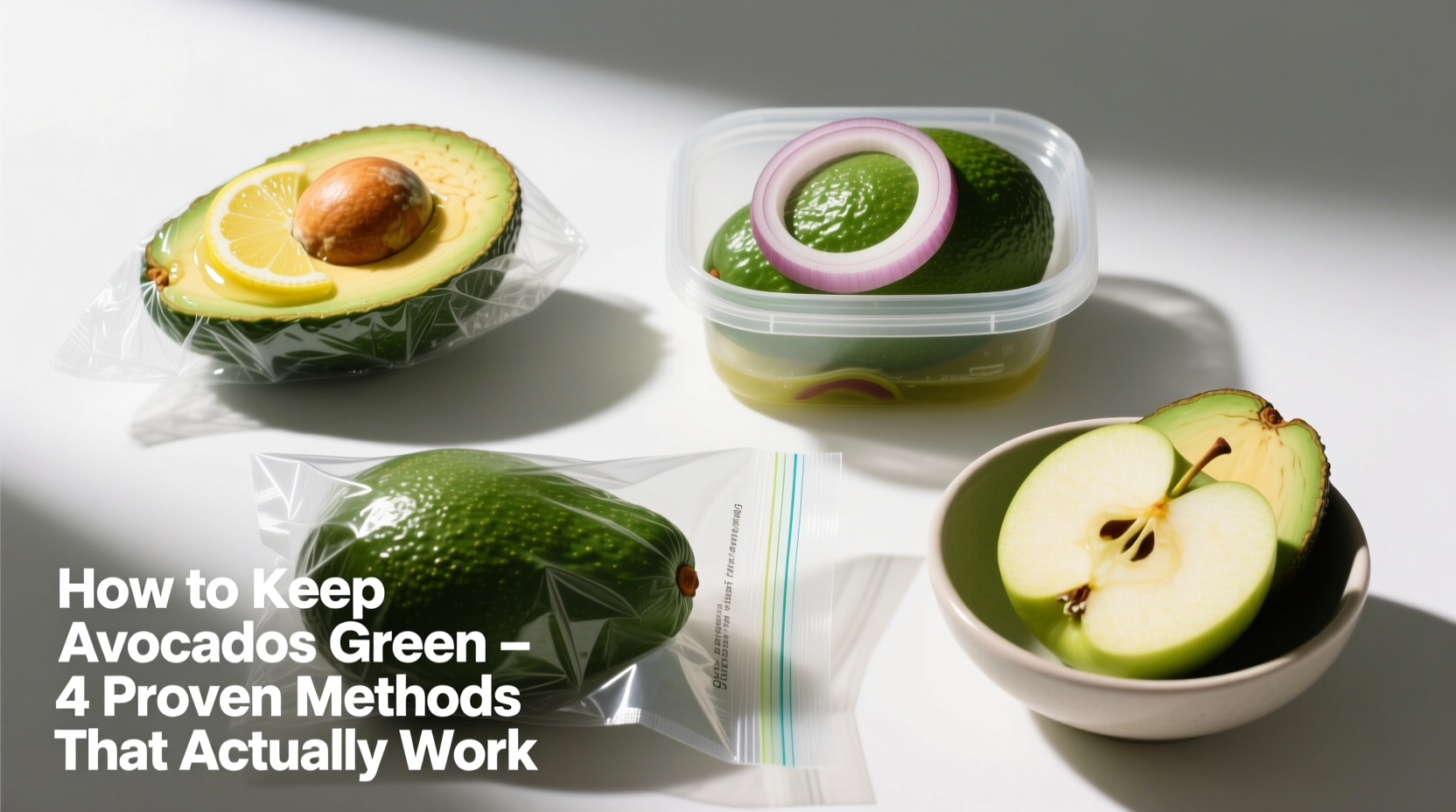
When an avocado is cut open, its flesh is exposed to oxygen in the air. Enzymes in the fruit, particularly polyphenol oxidase, react with phenolic compounds and oxygen to produce melanin—the same pigment responsible for human skin tanning. In avocados, this results in an unappealing brown layer on the surface.
This process, known as enzymatic browning, accelerates in warm temperatures and when the fruit is exposed to light and air. While the brown part is safe to eat, its texture and flavor degrade over time, becoming bitter and mushy. Preventing or delaying this reaction is key to keeping avocados looking and tasting fresh.
“Enzymatic browning starts the moment the cell walls are broken. The goal is to limit exposure to oxygen and inhibit the enzyme activity.” — Dr. Lena Torres, Food Scientist at UC Davis Postharvest Research Program
Effective Methods That Actually Work
Not all avocado preservation hacks are created equal. Some popular tricks—like leaving the pit in the guacamole—are more folklore than fact. Below are the most reliable, tested strategies that genuinely extend freshness.
1. Use Citrus Juice (Lemon or Lime)
Acidic environments slow down the activity of polyphenol oxidase. Applying lemon or lime juice to the cut surface creates a protective barrier and lowers the pH, significantly delaying oxidation.
Tip: Lightly brush or spray freshly squeezed citrus juice over the avocado surface—don’t drench it, or you’ll overpower the flavor.One tablespoon of lime juice per medium avocado is sufficient. For guacamole, ensure the acid is evenly mixed throughout, not just on top.
2. Store with Minimal Air Exposure
Air is the enemy. The less oxygen the avocado flesh contacts, the slower it browns. Airtight containers are essential.
After applying citrus juice, press a piece of plastic wrap directly onto the surface of the avocado or guacamole before sealing the container. This eliminates the air pocket that forms above the food in most containers.
Glass containers with tight lids work better than flimsy plastic takeout boxes. Vacuum-sealed containers offer even greater protection, though they’re not necessary for everyday use.
3. Submerge in Water (Controversial but Effective)
Submerging cut avocado in water creates a physical barrier against oxygen. While some worry about texture changes, short-term submersion (up to 24 hours) has minimal impact if done correctly.
To try this method:
- Cut the avocado and treat the surface with lime juice.
- Place it flesh-down in a clean container.
- Pour cold water over it until fully submerged.
- Cover and refrigerate.
- Before serving, drain and pat dry gently.
This technique works best for slices or halves meant to be used in salads or toast. Avoid using it for guacamole.
4. Refrigeration at the Right Time
Temperature plays a crucial role. Unripe avocados should never be refrigerated—they won’t ripen properly. But once ripe, cold slows enzymatic activity.
Store whole, ripe avocados in the crisper drawer of your refrigerator for up to 3 days. For cut pieces, refrigeration is mandatory—room temperature speeds up browning dramatically.
5. The Pit Myth: Does It Really Help?
Leaving the pit in guacamole or on a halved avocado only protects the tiny area directly underneath it. The rest of the flesh remains exposed to air. While it may slightly reduce browning in that spot, it’s not a standalone solution.
However, combining the pit with other methods—like pressing plastic wrap and adding lime juice—can add marginal benefit by reducing surface exposure.
Step-by-Step Guide: How to Store Half an Avocado for 2+ Days
Follow this sequence for maximum freshness:
- Slice and remove the pit. Use a spoon to scoop out excess inner flesh near the skin to minimize air pockets.
- Treat the surface. Squeeze a few drops of fresh lime or lemon juice and spread evenly with a pastry brush or spoon.
- Use direct-contact storage. Place the half flesh-down in an airtight container. If possible, add a squeeze of juice to the bottom for extra moisture control.
- Press plastic wrap. Lay a piece of plastic wrap directly on the avocado surface, smoothing out wrinkles to eliminate trapped air.
- Seal and refrigerate. Store in the coldest part of the fridge, ideally below 40°F (4°C).
- Check before use. After 48 hours, the edge may have a slight tint, but the center should remain bright green.
This method reliably preserves avocado quality for 2–3 days. Beyond that, degradation becomes noticeable even with optimal conditions.
Do’s and Don’ts of Avocado Storage
| Do’s | Don’ts |
|---|---|
| Use fresh citrus juice to coat cut surfaces | Use bottled lemon juice with preservatives—it can alter taste |
| Refrigerate ripe avocados immediately after cutting | Leave cut avocado at room temperature for more than 30 minutes |
| Press plastic wrap directly onto the flesh | Store in loosely covered bowls with air gaps |
| Store whole avocados in the fridge once ripe | Refrigerate unripe avocados—they won’t soften properly |
| Use glass or BPA-free airtight containers | Reuse old takeout containers with weak seals |
Mini Case Study: Meal Prep Success with Proper Storage
Jamie, a busy nutritionist from Portland, prepares avocado slices every Sunday for weekday breakfasts. Previously, she discarded nearly half due to browning by midweek. After testing various methods, she adopted a routine combining lime juice, direct-contact plastic wrap, and glass containers.
She now stores four avocado halves each week, using two for Monday and Tuesday toast, and the remaining two for Thursday and Friday smoothie bowls. Even on day five, the centers stay green and creamy. “I’ve cut my avocado waste by 80%,” she says. “The trick is consistency—not just one step, but the full system.”
Expert-Recommended Long-Term Solutions
For those who frequently buy in bulk or want extended shelf life, consider these advanced options:
- Ascorbic Acid Sprays: Available in health food stores, these vitamin C-based sprays are stronger than citrus juice and leave no flavor residue.
- Vacuum Sealing: Ideal for pre-sliced avocados used in restaurants or large meal preps. Removes nearly all air, extending freshness up to 4 days.
- Freezing for Future Use: While not suitable for salads, pureed avocado with lemon juice can be frozen in ice cube trays for smoothies or sauces. Thaw in the fridge and use within 24 hours.
Dr. Torres recommends freezing only for cooked or blended applications: “Texture changes upon thawing make frozen avocado unsuitable for raw dishes, but it’s excellent for baking or dips.”
Tip: Label frozen avocado cubes with the date—use within 3 months for best quality.Frequently Asked Questions
Can I still eat brown avocado?
Yes. Browning is primarily oxidation and doesn’t indicate spoilage. If the avocado smells sour, mushy, or fermented, discard it. Otherwise, scrape off the brown layer—underneath may still be usable.
Does olive oil prevent browning?
Olive oil forms a temporary barrier but is less effective than acidic solutions. It may slow oxidation slightly, but without citric acid, the effect is short-lived. Best used in combination with lime juice and airtight storage.
How do restaurants keep guacamole green all day?
Many commercial kitchens use a combination of methods: heavy lime juice, airtight containers, plastic wrap pressed on the surface, and refrigeration until service. Some add a small amount of commercial antioxidant (like ascorbic acid), which is safe and flavorless.
Comprehensive Checklist: Keep Your Avocado Green
Use this checklist every time you store cut avocado:
- ☑ Cut avocado just before storing—don’t delay
- ☑ Squeeze fresh lime or lemon juice over the exposed flesh
- ☑ Place in an airtight container (glass preferred)
- ☑ Press plastic wrap directly onto the surface
- ☑ Seal the container tightly
- ☑ Refrigerate immediately at or below 40°F (4°C)
- ☑ Use within 72 hours for best quality
Conclusion: Freshness Is Within Reach
Keeping avocados green doesn’t require special gadgets or secret ingredients. It comes down to understanding the science of oxidation and applying consistent, simple practices. From proper citrus treatment to eliminating air exposure, each step adds up to noticeably fresher results. Whether you're prepping meals, hosting guests, or simply trying to reduce food waste, these methods deliver real, measurable benefits.
💬 Ready to stop throwing out browned avocados? Start tonight: slice, juice, wrap, and chill. Share your results or favorite tip in the comments—your insight could help others enjoy greener, creamier avocados too.