
Thyme is a cornerstone of global cuisine, prized for its earthy, slightly minty, and subtly peppery character. Found in French bouquets garnis, Mediterranean stews, and American herb blends, it brings depth and balance to savory dishes. But what happens when your recipe calls for thyme and your pantry comes up short? Understanding which herbs and spices echo thyme’s complex profile allows you to maintain flavor integrity without compromising quality. Whether due to scarcity, allergy, or simple curiosity, identifying effective alternatives requires more than guesswork—it demands knowledge of flavor chemistry, aromatic compounds, and culinary context. This guide explores the most reliable substitutes for thyme, detailing their flavor affinities, usage ratios, and best applications.
Definition & Overview: What Is Thyme?
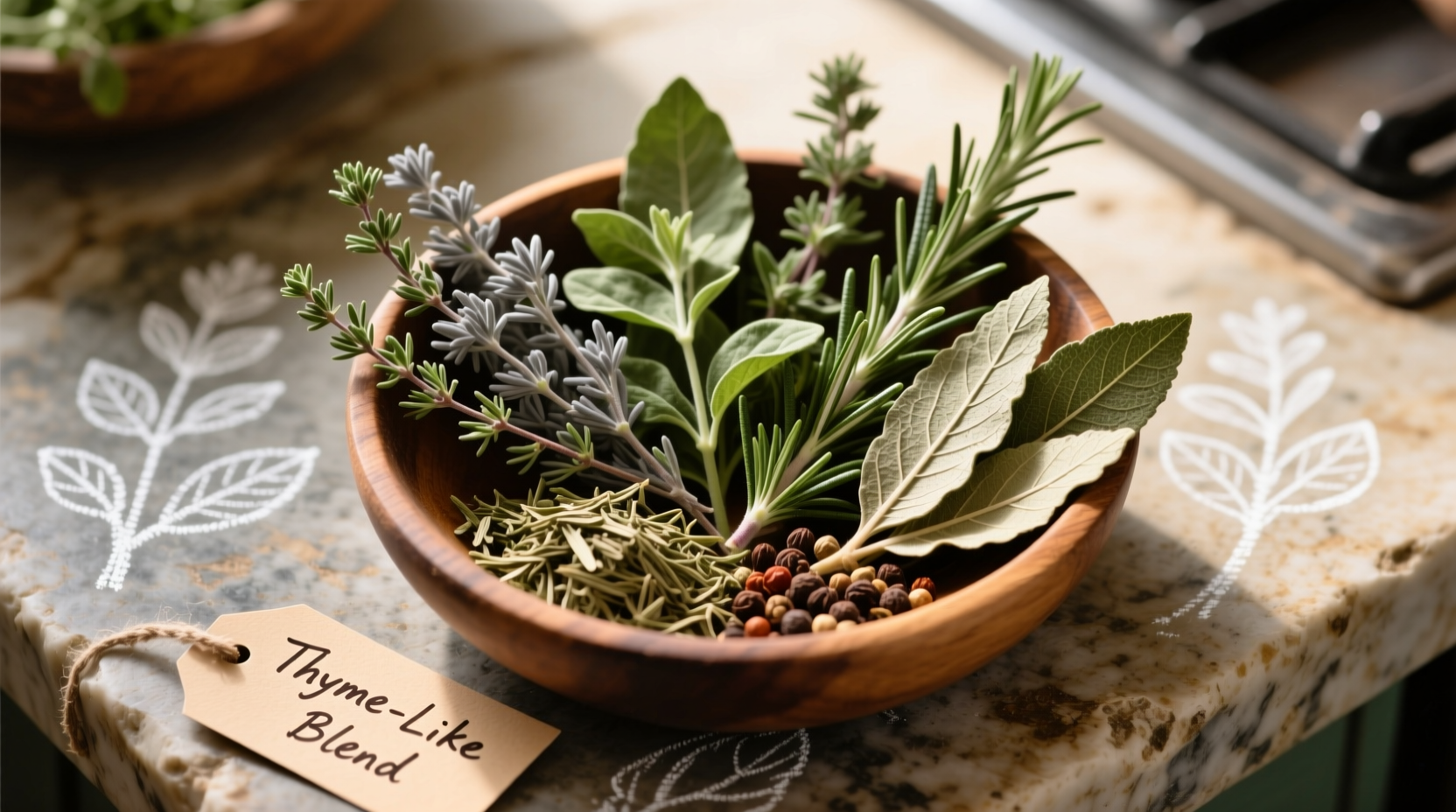
Thyme (Thymus vulgaris) is a perennial herb native to the Mediterranean region, widely cultivated for both culinary and medicinal purposes. A member of the Lamiaceae (mint) family, it shares botanical ties with oregano, marjoram, basil, and mint—all of which influence its aromatic complexity. Fresh thyme features small, gray-green leaves clustered along woody stems, while dried thyme appears as loose, crumbled foliage with concentrated potency.
The essential oil in thyme, primarily composed of thymol and carvacrol, delivers its signature warm, antiseptic aroma and mild bitterness. These compounds contribute not only to its flavor but also to its historical use as a preservative and antimicrobial agent. In cooking, thyme functions as a background note—enhancing rather than dominating a dish. It's commonly used in slow-cooked preparations like braises, soups, stocks, and roasted meats, where its volatile oils have time to meld with other ingredients.
Key Characteristics of Thyme
| Attribute | Description |
|---|---|
| Flavor Profile | Earthy, slightly floral, with hints of mint, camphor, and pepper; mildly bitter finish |
| Aroma | Pine-like, herbal, clean, with subtle lemon undertones (especially in lemon thyme varieties) |
| Form Available | Fresh sprigs, dried leaves, ground powder, infused oils, freeze-dried |
| Heat Level | None (non-pungent); warmth comes from aromatic intensity, not capsaicin |
| Culinary Function | Background seasoning, aroma builder, bouquet garni component, meat tenderizer (via enzymatic action) |
| Shelf Life | Fresh: 2–3 weeks refrigerated; Dried: 1–3 years if stored properly |
Top Herbs and Spices with Flavor Similar to Thyme
No single herb replicates thyme exactly, but several come remarkably close in aroma, taste, and function. The best substitutes share key chemical components—particularly thymol and carvacrol—or possess complementary herbal notes that fulfill thyme’s role in a dish.
1. Marjoram (Origanum majorana)
Often called “sweet thyme,” marjoram is the closest relative in both genetics and flavor. It contains many of the same volatile oils as thyme but in lower concentrations, resulting in a softer, sweeter, more floral profile. While less assertive, marjoram excels in delicate dishes where thyme might overpower.
- Best Uses: Egg dishes, poultry stuffing, tomato sauces, vegetable sautés, dressings
- Substitution Ratio: 1:1 fresh or dried (use slightly more if deeper earthiness is desired)
- Chef Tip: Add at the end of cooking to preserve its nuanced fragrance.
2. Oregano (Origanum vulgare)
More robust than marjoram, oregano offers a bolder, spicier take on the thyme family profile. Its high carvacrol content gives it a warm, peppery bite reminiscent of thyme, though with greater pungency. Mediterranean oregano tends to be more balanced, while Mexican oregano leans citrusy and woodsy—both useful depending on context.
- Best Uses: Pizza sauce, grilled meats, bean dishes, marinades, chili
- Substitution Ratio: Use ¾ the amount of oregano for every full measure of thyme to avoid dominance
- Note: Greek oregano works better than Italian for mimicking thyme’s subtlety.
3. Savory (Summer and Winter)
Savory—especially summer savory (Satureja hortensis)—is sometimes known as “the poor man’s thyme” due to its historical use as a substitute. It has a peppery, pine-like quality very close to thyme, with less floral nuance but excellent structural presence in legume and meat dishes.
- Summer Savory: Milder, aromatic, slightly sweet; ideal for beans, lentils, egg dishes
- Winter Savory: Hardier, more camphorous; suited to long-cooked stews and game meats
- Substitution Ratio: 1:1 dried; 1½:1 fresh (due to lower moisture content)
“In traditional Appalachian cooking, summer savory was preferred over thyme because it grew wild and imparted a cleaner bite to dried bean pots.”
— Dr. Eleanor Pierce, Culinary Historian, Southern Foodways Alliance
4. Rosemary (Rosmarinus officinalis)
Rosemary shares thyme’s evergreen, resinous backbone but is significantly more intense. Its dominant notes of pine and camphor can mimic thyme’s structure when used sparingly. However, rosemary lacks thyme’s floral softness and carries a stronger aftertaste.
- Best Uses: Roasted potatoes, lamb, focaccia, grilled vegetables, infused oils
- Substitution Ratio: Use ⅓ to ½ the amount of rosemary compared to thyme
- Caution: Overuse leads to soapiness or turpentine-like off-notes.
Pro Tip: Combine a small amount of rosemary with marjoram (e.g., ¼ tsp rosemary + ¾ tsp marjoram per tsp thyme) to reconstruct thyme’s layered profile effectively.
5. Sage (Salvia officinalis)
Sage offers an earthy, slightly musty tone akin to aged thyme. While fresher thyme leans green and bright, older or dried thyme develops sage-like qualities. Sage is more medicinal and bold, so it functions best as a partial replacement.
- Best Uses: Stuffing, sausage, butter sauces, winter squash dishes
- Substitution Ratio: ½ tsp dried sage for every 1 tsp dried thyme
- Pair With: A pinch of parsley or lemon zest to lighten its heaviness.
6. Za’atar (Blend, Not Single Herb)
Za’atar refers both to a Middle Eastern herb (often Origanum syriacum, aka Bible hyssop) and the spice blend bearing its name. The blend typically includes sumac, sesame seeds, salt, and dried thyme or oregano. When thyme-free versions are unavailable, za’atar still provides a complex herbal echo thanks to its wild thyme relatives.
- Best Uses: Flatbreads, hummus, yogurt dips, roasted vegetables, grilled fish
- Substitution Ratio: 1:1 by volume, but reduce added salt elsewhere due to blend’s sodium content
- Flavor Contribution: Adds tang (from sumac), nuttiness (sesame), and herbal depth
Variants & Types of Thyme and Substitutes
Not all thyme is the same—and understanding variety differences improves substitution accuracy. Similarly, many \"substitute\" herbs come in forms that affect performance.
Common Thyme Varieties
- Common Thyme (Thymus vulgaris): Standard culinary type; balanced, versatile
- Lemon Thyme (T. × citriodorus): Citrus-forward; replace with regular thyme + lemon zest (½ tsp zest per tsp herb)
- Caraway Thyme: Earthy-anise note; rare; no direct substitute, but tarragon + thyme approximates it
- Creeping Thyme: Ornamental; milder flavor; acceptable in salads if young
Available Forms of Substitutes
| Form | Impact on Flavor | Best For |
|---|---|---|
| Fresh Herbs | Brighter, greener notes; more volatile aromatics | Sauces, dressings, last-minute additions |
| Dried Herbs | More concentrated, earthier, less floral | Stews, soups, dry rubs, baked goods |
| Ground Powder | Fast dispersion but shorter shelf life | Spice mixes, marinades, commercial formulations |
| Infused Oils/Tinctures | Intense, immediate impact; risk of rancidity | Finishing oils, drizzles, rapid infusion needs |
Comparison with Commonly Confused Herbs
Several herbs are mistaken for thyme or used interchangeably despite notable differences. Knowing these distinctions prevents flavor imbalances.
| Herb | Similarity to Thyme | Key Differences | When to Substitute |
|---|---|---|---|
| Marjoram | High – same genus, shared oils | Sweeter, less peppery; fades faster in heat | Yes – ideal one-to-one swap in gentle dishes |
| Oregano | Moderate-High – related, spicy | Bolder, more aggressive; higher phenol content | Yes – reduce quantity by 25% |
| Rosemary | Moderate – shared terpenes | Stronger pine note; fibrous texture | Limited – use sparingly in hearty dishes |
| Sage | Low-Moderate – earthy overlap | More medicinal, heavier mouthfeel | Only in rustic, fatty dishes (e.g., pork, stuffing) |
| Tarragon | Low – unrelated flavor path | Anise/licorice dominant; no thymol presence | No – unless creating a new flavor direction |
| Basil | Very Low | Sweet, clove-like; belongs to different subfamily | No – incompatible in savory applications |
Practical Usage: How to Substitute Thyme Effectively
Substituting herbs isn’t just about matching flavor—it’s about preserving function. Thyme often acts as a foundational note, building complexity over time. Replacements must integrate seamlessly into this role.
Step-by-Step Substitution Guide
- Assess the Dish Type: Is it a quick sauté or a slow braise? Delicate fish or rich beef stew?
- Determine Thyme’s Role: Is it part of a bouquet garni, a dry rub, or a finishing sprinkle?
- Select Substitute Based on Intensity:
- For subtle dishes: Choose marjoram or summer savory
- For bold dishes: Use oregano or rosemary (reduced)
- For Middle Eastern flavors: Try za’atar
- Adjust Quantity: Start with ¾ the amount of stronger herbs (oregano, rosemary), or 1:1 for milder ones (marjoram).
- Taste and Layer: Add early for integration, then adjust near the end with fresh herbs or acid (lemon juice) to brighten.
Recipe Example: Beef Stew Without Thyme
A classic beef bourguignon relies on thyme for aromatic depth. Here’s how to adapt:
- Original: 2 sprigs fresh thyme, tied in bouquet garni
- Alternative Blend: 1 sprig rosemary + 2 sprigs marjoram (replicates pine and floral notes)
- Method: Tie together and add at the beginning; remove before serving
- Result: Complex, layered aroma with balanced earthiness and brightness
Blending Strategy: No perfect single substitute? Combine two: e.g., ½ tsp oregano + ½ tsp marjoram = 1 tsp thyme equivalent in most savory dishes.
Storage, Shelf Life, and Quality Tips
Proper storage ensures substitutes retain their thyme-like qualities over time.
Q1: How should I store dried herb substitutes?
A1: Keep in airtight glass containers away from heat, light, and moisture. Label with purchase date. Most dried herbs retain potency for 1–2 years; after that, they fade and develop stale notes.
Q2: Can I freeze fresh substitutes like marjoram or oregano?
A2: Yes. Chop and freeze in ice cube trays with olive oil or water. Frozen herbs lose texture but retain flavor for cooked dishes. Avoid freezing rosemary or sage this way—they become bitter.
Q3: How do I test if my dried herbs are still potent?
A3: Crush a small amount between fingers and smell. If the aroma is weak or musty, replace them. Fresh herbs should spring back when pressed; limp or darkened leaves indicate spoilage.
Q4: Does grinding at home improve substitute effectiveness?
A4: Absolutely. Pre-ground herbs lose volatile oils rapidly. Grinding whole dried leaves just before use maximizes flavor release and improves similarity to fresh thyme’s impact.
Summary & Key Takeaways
Thyme’s unique combination of earthiness, mint, and gentle pepper makes it irreplaceable in theory—but highly substitutable in practice. The most effective alternatives are those botanically or chemically aligned: marjoram, oregano, savory, and rosemary lead the list. Success depends not on finding an exact twin, but on understanding thyme’s functional role and selecting a stand-in that fulfills it within the dish’s broader flavor architecture.
- Marjoram is the closest in flavor and safest 1:1 substitute.
- Oregano works well in bold dishes but should be used at reduced quantities.
- Savory, especially summer savory, mirrors thyme’s peppery edge in legume and meat dishes.
- Rosemary and sage can mimic structure but require careful dosing.
- Blends like za’atar offer multi-dimensional alternatives in regional cuisines.
- Combining herbs (e.g., marjoram + rosemary) often yields better results than relying on one.
- Always consider form (fresh vs. dried) and timing (early vs. late addition) when substituting.
Final Recommendation: Keep a small jar of mixed dried marjoram and oregano labeled “thyme substitute” for emergency use. Store in a cool, dark place, and refresh every 18 months for consistent performance.