
The combination of salmon and spinach represents one of the most nutritionally powerful duos in modern home cooking. Both ingredients are celebrated for their dense profiles of essential nutrients—salmon as a premium source of omega-3 fatty acids, high-quality protein, and vitamin D, and spinach as a leafy green powerhouse rich in iron, folate, vitamin K, and antioxidants. When united on the plate, they create meals that support heart health, cognitive function, muscle recovery, and overall longevity. For home cooks seeking dishes that are as nourishing as they are delicious, exploring healthy spinach and salmon dish ideas is not just a culinary choice—it’s a wellness strategy. This guide presents practical, restaurant-inspired preparations grounded in real kitchen techniques, offering adaptable recipes and expert insights to elevate everyday meals.
Definition & Overview
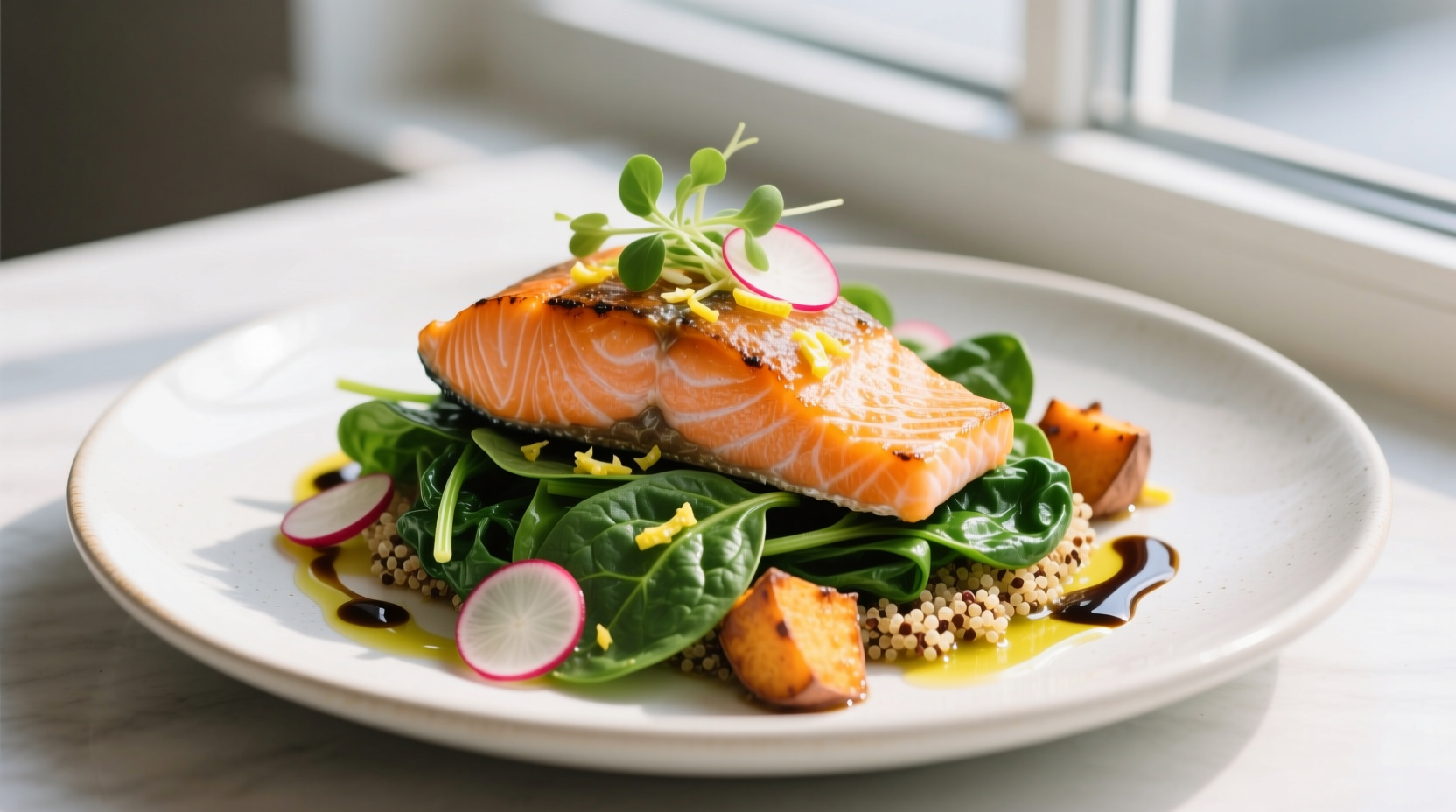
Salmon refers to several species of oily fish in the family Salmonidae, most commonly Atlantic or Pacific (including sockeye, coho, and king). Renowned for its rich, buttery texture and deep pink-orange flesh, salmon is prized both for flavor and nutritional value. Wild-caught varieties tend to have a more robust taste and slightly leaner profile than farmed counterparts, though both offer significant health benefits when prepared without excessive added fats or sodium.
Spinach (Spinacia oleracea) is a cool-season leafy vegetable native to Central and Western Asia. It features tender, dark green leaves with a mild, earthy flavor that becomes subtly sweet when cooked. Available in three primary forms—baby spinach, flat-leaf (or smooth), and savoy (crinkly)—it's used raw in salads or lightly cooked in sautés, soups, and casseroles. Its low calorie count and high micronutrient density make it a staple in plant-forward diets.
When combined, salmon and spinach form a synergistic pairing: the healthy fats in salmon enhance the absorption of fat-soluble vitamins (like A, E, and K) found abundantly in spinach. Together, they anchor meals that balance macronutrients while delivering anti-inflammatory compounds such as astaxanthin (in salmon) and lutein (in spinach).
Key Characteristics
| Characteristic | Salmon | Spinach |
|---|---|---|
| Flavor Profile | Rich, oily, slightly sweet with umami depth; wild types are more pronounced | Mildly earthy, slightly grassy; sweetness intensifies when cooked |
| Aroma | Clean oceanic scent; off-smells indicate spoilage | Fresh, green, faintly vegetal |
| Color/Form | Pink to deep orange-red fillets; firm, flaky texture when cooked | Deep green leaves; soft (baby) or crinkled (savoy) |
| Nutritional Highlights | Omega-3s (EPA/DHA), vitamin D, selenium, B12, complete protein | Iron, calcium, magnesium, folate, vitamin K1, lutein, fiber |
| Culinary Function | Main protein component; can be seared, baked, poached, grilled | Base green; adds volume, color, nutrients; wilts easily |
| Shelf Life (Refrigerated) | Raw: 1–2 days; cooked: up to 3 days | Raw: 5–7 days if dry; pre-washed bags last shorter |
Practical Usage: How to Combine Salmon and Spinach Effectively
The success of any dish featuring salmon and spinach hinges on technique, timing, and complementary flavors. Because salmon cooks relatively quickly and spinach wilts in minutes, coordination is key. Overcooking either ingredient diminishes quality—dry salmon loses its silkiness, while overcooked spinach turns slimy and dull.
Begin by selecting fresh, center-cut salmon fillets with even thickness for consistent cooking. Pat them dry before seasoning to ensure proper browning. Spinach should be washed thoroughly under cold water and dried using a salad spinner or clean towel, especially if using mature leaves that trap sand.
Basic Cooking Sequence
- Prep Ingredients: Season salmon with salt, pepper, and optional aromatics (dill, lemon zest, garlic powder). Prepare spinach by washing and drying.
- Cook Salmon First (Stovetop Method): Heat olive oil or avocado oil in an oven-safe skillet over medium-high heat. Sear salmon skin-side down for 4–6 minutes until crisp. Flip carefully and cook 2–3 minutes more. Transfer to oven at 375°F (190°C) for 5–8 minutes if needed.
- Wilt Spinach in Same Pan: Remove salmon temporarily. Reduce heat to medium, add minced garlic or shallots, sauté 30 seconds, then add spinach in batches, stirring until wilted (2–3 minutes total).
- Finish and Serve: Return salmon to pan atop spinach or plate separately. Drizzle with lemon juice, extra virgin olive oil, or a light sauce.
Pro Tip: To prevent steaming instead of searing, avoid overcrowding the pan. Cook one or two fillets at a time. Use a fish spatula for clean flipping.
Flavor Pairing Guide
The richness of salmon pairs exceptionally well with bright, acidic, or herbal notes that cut through fat and refresh the palate. These combinations elevate spinach-based accompaniments:
- Lemon or lime juice + zest: Adds brightness and enhances mineral absorption from spinach.
- Fresh herbs: Dill, parsley, chives, or basil lend aromatic complexity.
- Garlic and shallots: Provide savory depth without overpowering.
- Creamy elements: Greek yogurt, feta cheese, or tahini-based sauces add creaminess without heavy dairy.
- Toasted nuts: Pine nuts, slivered almonds, or walnuts contribute crunch and additional healthy fats.
Variants & Types: Choosing the Right Form
Different forms of salmon and spinach influence cooking methods and final dish outcomes. Understanding these variants allows for smarter menu planning and better results.
Types of Salmon
- Wild-Caught (e.g., Sockeye, Coho, King): Leaner, more intense flavor, firmer texture. Ideal for grilling or searing. Higher in omega-3s per serving due to natural diet.
- Farmed Atlantic Salmon: More readily available, fattier, milder taste. Excellent for baking or poaching. Look for sustainably certified options (MSC, ASC) to reduce environmental impact.
- Smoked Salmon (Lox or Nova Style): Not suitable for cooking but can be layered over warm spinach for a quick appetizer or brunch item.
- Canned Salmon: Budget-friendly, shelf-stable. Best used in patties, grain bowls, or mixed into warm greens briefly.
Types of Spinach
- Baby Spinach: Delicate, sweet, no need to chop. Perfect for raw use or fast wilting. Common in pre-packaged bags.
- Savoy Spinach: Crinkled leaves hold more dressing and resist wilting slightly longer. Great for stir-fries or spanakopita-style fillings.
- Flat-Leaf Spinach: Easier to clean than savoy, holds shape better when cooked. Good for soups and stews.
- Frozen Spinach: Economical and convenient. Must be thawed and squeezed dry before use to avoid watery dishes.
Storage Tip: Store unwashed spinach in a breathable container lined with paper towels to absorb moisture. Keep at the back of the fridge where temperature is most stable. Never store near ethylene-producing fruits like apples or bananas.
Comparison with Similar Ingredients
While other greens and fish may seem interchangeable, substitutions alter both nutrition and texture significantly.
| Ingredient Pair | Key Differences | Best Used When… |
|---|---|---|
| Spinach vs. Kale | Kale is tougher, more fibrous, requires longer cooking. Higher in calcium but lower in bioavailable iron. | You want a chewier texture or slow-cooked stew. Avoid direct substitution in quick-sear salmon dishes. |
| Spinach vs. Arugula | Arugula has peppery bite, wilts faster, less nutrient density than spinach. | Finishing raw on top of warm salmon for contrast. Not ideal as main cooked green. |
| Salmon vs. Trout | Trout is smaller, paler, milder. Often farmed in freshwater; similar omega-3 levels but less fat. | Substitute only if labeled “steelhead trout,” which closely mimics salmon texture. |
| Salmon vs. Tuna | Tuna is leaner, meatier, lacks omega-3 richness. Does not pair as well with delicate greens like spinach. | Grilling rare or making poke bowls. Spinach works better with tuna in room-temp grain salads. |
Practical Tips & FAQs
Q: Can I cook frozen salmon directly with spinach?
A: Yes, but thawing first yields superior texture. If using frozen, pat dry after thawing to remove excess moisture. Frozen salmon may release more liquid during cooking, so increase initial sear time slightly and avoid covering the pan.
Q: Is it safe to eat raw spinach with salmon?
A: Yes, particularly baby spinach. In dishes like salmon grain bowls or salads, raw spinach provides crispness and maximum nutrient retention. Always wash thoroughly unless pre-washed and sealed.
Q: How do I keep salmon moist when baking with spinach?
A: Bake at moderate temperatures (375°F/190°C), cover loosely with foil, or place on a bed of vegetables to create steam. Adding a splash of broth or lemon juice around the fish helps maintain moisture.
Q: Can I prep spinach and salmon meals ahead?
A: Fully cooked salmon reheats poorly due to protein denaturation. However, you can prep components separately: cook and chill salmon (consume within 2 days), and store cleaned spinach in an airtight container. Assemble and reheat gently when ready to serve.
Q: Are there vegan alternatives that mimic this nutrient profile?
A: While no plant food contains EPA/DHA like salmon, fortified algae oil supplements provide vegan omega-3s. For greens, cooked spinach remains unmatched in iron and calcium bioavailability among leafy vegetables. Pair with vitamin C-rich foods (bell peppers, citrus) to boost non-heme iron absorption.
Checklist: Building a Balanced Salmon & Spinach Plate
- ✅ 4–6 oz salmon fillet, properly seasoned
- ✅ 2–3 cups fresh spinach (about 60g raw)
- ✅ Healthy fat: olive oil, avocado, or nuts
- ✅ Acidic element: lemon, vinegar, or fermented pickles
- ✅ Optional complex carb: quinoa, brown rice, or sweet potato
- ✅ Fresh herbs or alliums for aroma
Recipe Examples: From Weeknight Dinners to Elegant Entertaining
1. Lemon-Dill Pan-Seared Salmon with Garlic Sautéed Spinach
Season salmon with salt, pepper, and lemon zest. Sear skin-side down in olive oil until golden. Flip, add crushed garlic and dill to the pan, and baste with oil. Remove fish, wilt spinach in same pan with a splash of white wine. Finish with lemon juice. Serve immediately.
2. Baked Salmon en Papillote with Spinach and Cherry Tomatoes
Place salmon on parchment paper. Top with spinach, halved cherry tomatoes, lemon slices, and a drizzle of olive oil. Seal packet and bake at 400°F (200°C) for 18–22 minutes. The steam-infused method preserves moisture and intensifies flavor without added fat.
3. Mediterranean Salmon Bowl with Spinach, Quinoa, Feta, and Olives
Layer cooked quinoa, steamed spinach, flaked salmon, kalamata olives, cucumber, red onion, and crumbled feta. Dress with lemon-oregano vinaigrette. High in protein, fiber, and monounsaturated fats—ideal for meal prep.
4. Creamy Spinach and Salmon Pasta (Light Version)
Cook whole wheat or legume-based pasta. In a skillet, wilt spinach with garlic, add flaked cooked salmon, and stir in a sauce made from low-fat Greek yogurt, lemon juice, and nutritional yeast. Toss with pasta. Garnish with toasted pine nuts.
\"The synergy between omega-3 fatty acids and leafy greens creates a metabolic environment conducive to reducing systemic inflammation—a cornerstone of chronic disease prevention.\" — Dr. Elena Torres, Registered Dietitian and Culinary Nutrition Specialist
Summary & Key Takeaways
Healthy spinach and salmon dish ideas go beyond trend-driven superfood labeling—they represent a scientifically supported approach to eating for long-term vitality. By mastering simple techniques like proper searing, controlled wilting, and smart flavor pairing, home cooks can produce restaurant-quality meals in under 30 minutes.
The versatility of this pairing spans cuisines: from Nordic-inspired dill-lemon plates to Mediterranean grain bowls and modern fusion pastas. Whether using wild or responsibly farmed salmon, fresh or frozen spinach, the core principles remain the same—preserve texture, maximize nutrient synergy, and prioritize flavor balance.
Key advantages include enhanced absorption of fat-soluble vitamins, sustained energy from balanced macronutrients, and support for cardiovascular and neurological health. With thoughtful preparation, this duo fits seamlessly into paleo, pescatarian, keto, and flexitarian diets alike.
Take Action Today: Choose one recipe from this guide and prepare it this week. Focus on technique—especially drying the salmon and wilting spinach just until tender. Notice the difference in texture and flavor compared to previous attempts. Small improvements yield lasting culinary confidence.