
A simple blend of lemon juice and cayenne pepper has gained widespread attention in wellness circles for its purported detoxifying and energizing effects. While not a cure-all, this combination leverages two potent natural ingredients—each with well-documented bioactive compounds—that together may support metabolic function, digestive health, and immune resilience. Far from being a fleeting trend, the synergy between citrus acidity and capsaicin-rich heat offers tangible physiological benefits when used thoughtfully within a balanced diet. This article explores the science-backed advantages, practical applications, and nuanced considerations behind incorporating lemon and cayenne pepper into daily routines.
Definition & Overview
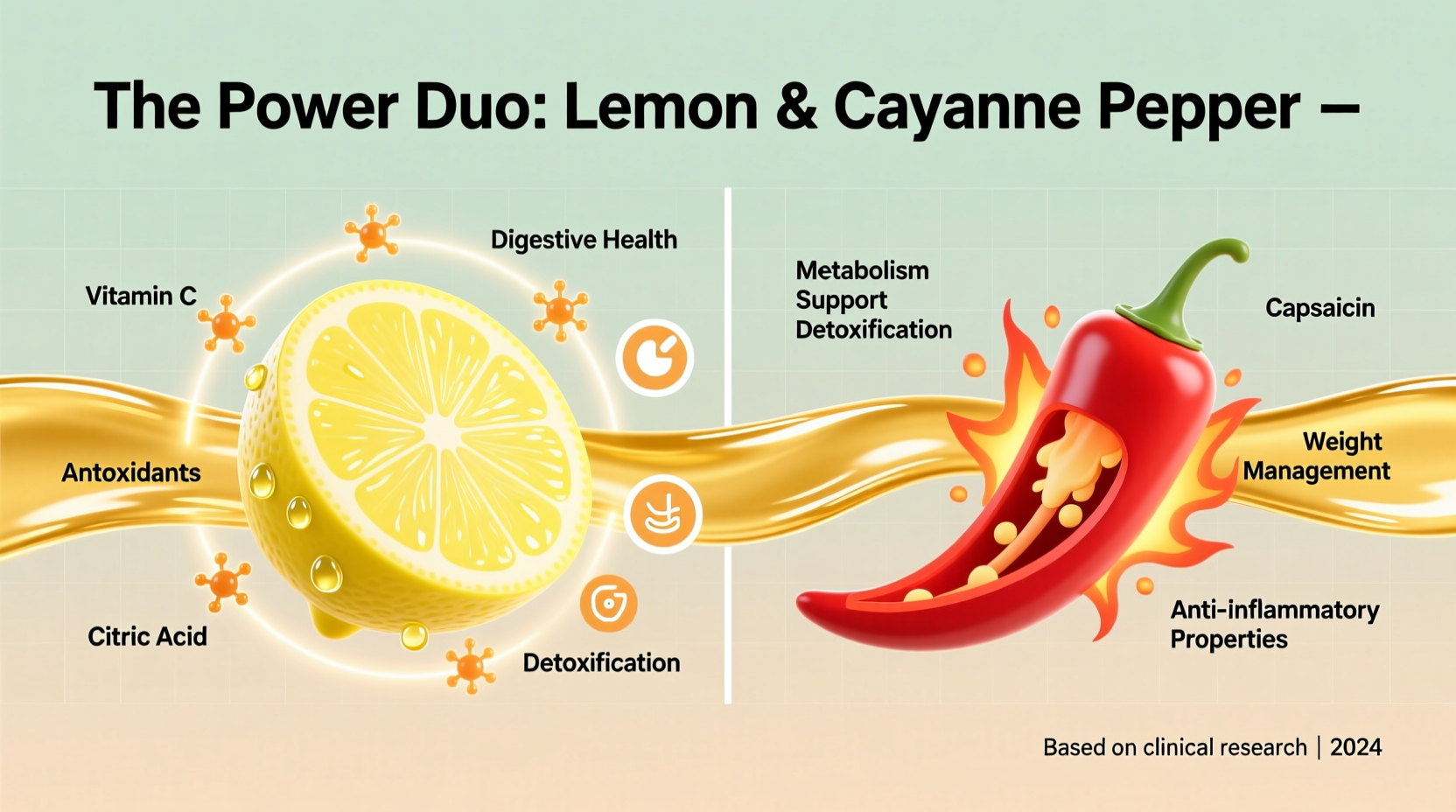
The lemon and cayenne pepper mix is typically prepared by combining freshly squeezed lemon juice, cayenne pepper powder, and often warm water. Sometimes sweetened with honey or maple syrup, it forms the base of popular regimens like the Master Cleanse (also known as the Lemonade Diet), though it can be consumed independently as a morning tonic. Both components originate from distinct botanical lineages: lemon (*Citrus limon*) is a subtropical fruit native to Asia, prized for its high vitamin C and citric acid content; cayenne pepper (*Capsicum annuum*) is a cultivar of chili pepper originating in Central and South America, valued for its pungency and thermogenic properties due to capsaicin.
In culinary terms, neither ingredient functions primarily as a standalone food but rather as a flavor modulator and functional enhancer. When combined, their interaction transcends taste—activating sensory receptors linked to digestion, circulation, and satiety. Though traditionally associated with short-term cleanses, modern nutrition science supports more sustainable, integrative uses that emphasize long-term metabolic health over rapid detoxification claims.
Key Characteristics
| Attribute | Lemon | Cayenne Pepper |
|---|---|---|
| Flavor Profile | Bright, tart, slightly floral | Sharp, pungent, fiery heat with earthy undertones |
| Aroma | Citrusy, zesty, refreshing | Piquant, smoky, mildly vegetal |
| Color/Form | Yellow juice or zest; liquid or solid form | Red-orange fine powder or flakes |
| Heat Level (Scoville) | 0 SHU (no heat) | 30,000–50,000 SHU (moderately hot) |
| Culinary Function | Acidulant, brightener, preservative | Heat source, flavor intensifier, appetite stimulant |
| Shelf Life | Fresh juice: 2–3 days refrigerated; zest: up to 6 months frozen | Powder: 2–3 years in cool, dark place |
| Active Compounds | Vitamin C, flavonoids (hesperidin, eriocitrin), citric acid | Capsaicin, dihydrocapsaicin, carotenoids |
Practical Usage: How to Use the Lemon and Cayenne Pepper Mix
The most common preparation involves mixing 1–2 tablespoons of fresh lemon juice, 1/8 to 1/4 teaspoon of cayenne pepper, and 8–12 ounces of warm (not boiling) water. This mixture is often consumed first thing in the morning on an empty stomach. The warmth helps dissolve the pepper evenly and stimulates gastric activity without irritating the esophagus.
To enhance palatability and add mild caloric support, some include 1 tablespoon of raw honey or pure maple syrup. However, for those managing blood sugar or pursuing low-sugar protocols, omitting sweeteners maintains the drink’s alkalizing potential post-digestion and avoids insulin spikes.
- Morning Metabolic Primer: Consume 15–20 minutes before breakfast to stimulate digestive enzyme secretion and increase core body temperature via capsaicin-induced thermogenesis.
- Digestive Aid After Heavy Meals: A diluted version (less cayenne, more lemon) taken after dinner may reduce bloating and support bile flow.
- Hydration Enhancer: Add to electrolyte-infused water during physical activity to improve fluid retention and provide antioxidant support.
- Cooking Infusion: Incorporate into marinades for fish or chicken—lemon tenderizes while cayenne enhances flavor penetration and increases perceived juiciness.
Pro Tip: Always use fresh lemon juice—not bottled—to maximize vitamin C and phytonutrient content. Bottled juices undergo pasteurization, degrading heat-sensitive compounds. For cayenne, choose organic, additive-free powders to avoid anti-caking agents or fillers.
Variants & Types
While the basic formulation remains consistent, variations exist based on purpose, dietary needs, and cultural adaptations:
- Classic Tonic: Lemon juice, cayenne, warm water, optional honey. Ideal for daily wellness maintenance.
- Master Cleanse Version: Includes grade B maple syrup and sometimes herbal laxatives. Designed for short-term liquid fasting under supervision.
- Alkaline-Boosted Blend: Adds a pinch of baking soda to neutralize acidity temporarily, aiming to promote systemic alkalinity (a debated concept).
- Herbal Synergy Mix: Combines with ginger, turmeric, or apple cider vinegar for amplified anti-inflammatory effects.
- Cold-Brew Iced Infusion: Steep lemon slices and cayenne in cold water overnight; serves as a refreshing summer beverage with sustained release of flavors.
Each variant modifies the intensity and physiological impact. For example, adding ginger increases gastroprotective prostaglandins, beneficial for individuals with sluggish digestion. Meanwhile, eliminating sweeteners shifts the application toward insulin modulation and fat oxidation support.
Comparison with Similar Ingredients
The lemon and cayenne mix is often confused with other acidic-spicy blends. Understanding distinctions ensures appropriate usage and avoids misaligned expectations.
| Comparison | Lemon + Cayenne | Apple Cider Vinegar + Black Pepper | Lime + Jalapeño |
|---|---|---|---|
| Acid Source | Citric acid (from lemon) | Acetic acid (from vinegar) | Citric acid (from lime) |
| Heat Compound | Capsaicin (high concentration) | Piperine (moderate bioavailability enhancer) | Capsaicin (lower concentration) |
| pH Level | ~2.0–2.6 (initially acidic) | ~3.0–3.5 | ~2.0–2.4 |
| Primary Benefit | Metabolic stimulation, immune support | Appetite control, nutrient absorption | Mild detox, hydration |
| Gastrointestinal Impact | Stimulates peristalsis; caution in GERD sufferers | May delay gastric emptying; less irritating | Gentler on stomach lining |
| Best Used For | Morning activation, intermittent fasting prep | Mealtime digestion, weight management | Refreshing drinks, culinary garnish |
Unlike black pepper, which enhances nutrient absorption via piperine but lacks significant thermogenic effect, cayenne delivers measurable increases in energy expenditure. Compared to vinegar-based tonics, lemon provides higher levels of antioxidants and lower acetic acid load, reducing risk of enamel erosion with regular use.
Practical Tips & FAQs
Does the lemon and cayenne mix actually detoxify the body?
The liver and kidneys are the body’s primary detoxification organs. No beverage directly “cleanses” these systems. However, lemon contains antioxidants like hesperidin that support hepatic phase II detoxification enzymes, while cayenne improves circulation, potentially aiding toxin clearance. The term “detox” here refers more accurately to metabolic optimization than organ flushing.
Can I drink this every day?
Yes, for most healthy adults, daily consumption in moderation is safe. Start with lower cayenne doses (1/8 tsp) to assess tolerance. Those with acid reflux, ulcers, or irritable bowel syndrome should consult a healthcare provider before regular use, as acidity and spice may exacerbate symptoms.
When is the best time to consume it?
Morning on an empty stomach maximizes digestive stimulation and energy mobilization. Some athletes also take a diluted version pre-workout for enhanced alertness and blood flow. Avoid late-night consumption due to potential sleep disruption from increased metabolism.
Is there a risk of enamel damage from lemon juice?
Yes. Citric acid can soften tooth enamel. To minimize risk, drink through a straw, rinse mouth with plain water afterward, and wait at least 30 minutes before brushing teeth. Consider using lemon zest infusion instead of juice for reduced acidity.
How does cayenne affect metabolism?
Capsaicin activates transient receptor potential vanilloid 1 (TRPV1) channels, triggering a cascade that increases sympathetic nervous system activity. Studies show a temporary rise in metabolic rate by 4–5% for several hours post-consumption. Over time, this may contribute to modest fat loss when combined with caloric control.
Can I use lime instead of lemon?
Lime is botanically similar and nutritionally comparable, though slightly lower in vitamin C and hesperidin. It works well as a substitute, especially in tropical or Latin-inspired preparations. Flavor will be sharper and more floral.
What about powdered vs. fresh ingredients?
Fresh lemon juice outperforms reconstituted or bottled versions in nutrient density. For cayenne, high-quality ground powder retains capsaicin effectively if stored properly. Whole dried peppers can be ground at home for maximum potency but require equipment and effort.
Storage Tip: Store cayenne pepper in an airtight glass container away from light and moisture. Exposure to air degrades capsaicin over time. Label the container with purchase date; discard after 24 months for optimal efficacy.
Are there any contraindications?
Individuals taking anticoagulants should monitor intake, as both lemon (vitamin C in excess) and cayenne (vasodilatory effects) may influence clotting parameters. Pregnant women should limit cayenne due to uterine stimulation concerns at high doses. Always discuss new supplements or regimens with a physician if managing chronic conditions.
“The power of plant-based tonics lies not in dramatic transformation but in cumulative effect. A daily ritual like lemon and cayenne isn’t magic—it’s metabolic priming.” — Dr. Elena Torres, Integrative Nutrition Specialist
Summary & Key Takeaways
The lemon and cayenne pepper mix is more than a fad—it's a strategic pairing of two biologically active ingredients with complementary roles in human physiology. Lemon contributes vitamin C, flavonoids, and organic acids essential for antioxidant defense and collagen synthesis. Cayenne delivers capsaicin, a compound proven to elevate metabolic rate, suppress appetite, and support cardiovascular health through improved endothelial function.
When used appropriately, this blend can serve as a non-pharmaceutical tool for enhancing digestion, supporting weight management goals, and promoting circulatory vitality. Its greatest strength lies in consistency, not intensity. Rather than relying on extreme cleanses, integrating small amounts into daily routines aligns better with long-term wellness principles.
Key points to remember:
- The mix supports—but does not replace—the body’s innate detoxification systems.
- Capsaicin increases thermogenesis and fat oxidation, albeit modestly.
- Vitamin C from lemon boosts immunity and aids iron absorption.
- Dental health precautions are necessary due to citric acid exposure.
- Customization allows adaptation to individual tolerances and objectives.
Final Recommendation: Begin with a conservative recipe—1 tbsp lemon juice, 1/8 tsp cayenne, 10 oz warm water—consumed once daily in the morning. Observe your body’s response over two weeks. Adjust quantity, frequency, or timing based on energy levels, digestion, and comfort. Pair with adequate hydration, fiber intake, and mindful eating for optimal results.