Often dismissed as a simple seasoning, whole black pepper is far more than a kitchen staple—it’s a powerhouse spice with deep roots in traditional medicine and modern nutritional science. Revered for centuries in Ayurvedic and Chinese healing systems, black pepper (Piper nigrum) has recently gained renewed attention for its bioactive compound, piperine, which enhances nutrient absorption and exhibits potent antioxidant properties. Beyond its sharp, pungent bite, this unassuming peppercorn plays a critical role in both health and gastronomy. For home cooks, health-conscious eaters, and culinary professionals alike, understanding the full scope of whole black pepper—its physiological effects, storage longevity, and application techniques—can transform everyday meals into nourishing experiences.
Definition & Overview
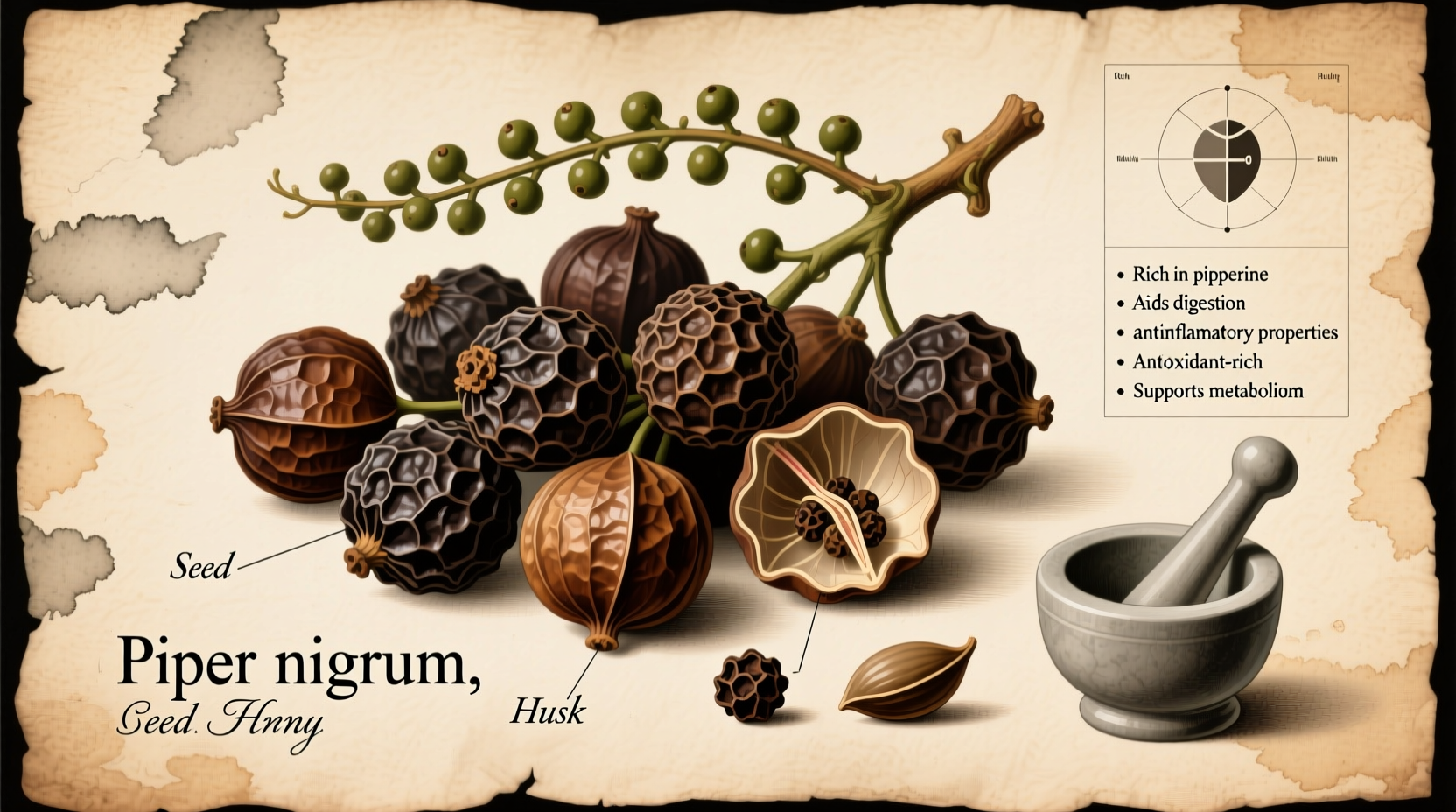
Whole black pepper consists of dried, unripe fruit (berries) from the flowering vine Piper nigrum, native to South India and now cultivated across tropical regions including Vietnam, Indonesia, and Brazil. The berries are harvested while green, briefly boiled, and sun-dried until they shrivel and turn dark brown or black. This process develops their signature heat and complex aroma. Unlike pre-ground pepper, whole peppercorns retain volatile oils and piperine longer, preserving both flavor and medicinal potency. In global cuisine, black pepper ranks among the most widely traded spices, used in everything from French sauces to Indian curries and Middle Eastern rubs. Its universal appeal lies in its ability to enhance savory depth without overwhelming other ingredients—a balancing act few seasonings achieve.
Key Characteristics
| Attribute | Description |
|---|---|
| Flavor Profile | Sharp, pungent, slightly floral with warm heat that builds gradually. Notes of wood, citrus, and earth emerge when freshly cracked. |
| Aroma | Intensely aromatic when crushed; releases camphoraceous, pine-like volatiles such as pinene and limonene. |
| Heat Level | Mild to moderate on the Scoville scale—non-capsaicin heat that stimulates rather than burns. Rated around 10,000–30,000 SHU equivalent in perceived spiciness. |
| Culinary Function | Flavor enhancer, preservative, digestive aid, and bioavailability booster for nutrients like turmeric’s curcumin. |
| Shelf Life (Whole) | Up to 3–4 years when stored properly in an airtight container away from light and moisture. |
| Form | Small spherical berries, 4–6 mm diameter, wrinkled surface, dark brown to black color. |
Practical Usage: How to Use Whole Black Pepper in Cooking
The true advantage of using whole black pepper instead of pre-ground lies in control—over timing, intensity, and freshness. When exposed to air and light, ground pepper loses up to 70% of its essential oils within four months. Whole peppercorns, by contrast, lock in flavor until the moment they’re cracked or crushed.
In professional kitchens, chefs crack pepper at multiple stages of cooking:
- At the start: Lightly crushed peppercorns added early infuse subtle warmth into braising liquids, soups, and stews (e.g., French pot-au-feu or Indian rasam).
- During cooking: Medium-crack pepper incorporated mid-preparation balances evolving flavors in reductions and sautés.
- At the finish: Coarsely cracked over grilled meats, roasted vegetables, or creamy dishes adds textural contrast and aromatic punch.
For home use, invest in a manual pepper mill calibrated to your preferred grind size. Fine grinds suit delicate sauces and egg dishes; coarse cracks work best on steaks, salads, or rustic breads.
Classic applications include:
- Beurre blanc: A few cracked peppercorns simmered in white wine reduction add complexity before enriching with butter.
- Peppercorn sauce (au poivre): Crushed black pepper seared with shallots and brandy forms the base for a rich steak accompaniment.
- Preserved lemons: Whole peppercorns packed inside jars contribute antimicrobial action and layered spice.
- Spice blends: Integral to garam masala, quatre épices, and Chinese five-spice powder.
TIP: Toast whole peppercorns in a dry skillet over medium heat for 1–2 minutes before grinding. This unlocks deeper, nuttier notes—ideal for rubs and marinades. Cool slightly before milling to prevent steam buildup in the grinder.
Variants & Types of Peppercorns
While black pepper dominates Western pantries, it's one of several forms derived from the same plant. Understanding these variants helps match the right type to the dish.
| Type | Processing Method | Best Used In |
|---|---|---|
| Black Peppercorns | Unripe berries, boiled and dried | Most savory dishes—roasts, soups, sauces, dressings |
| White Peppercorns | Ripe berries soaked to remove outer layer, leaving pale seed | Cream-based sauces, potato dishes, Asian stir-fries where color matters |
| Green Peppercorns | Harvested young and preserved in brine or freeze-dried | Fresh, tangy profiles—Thai curries, seafood, vinaigrettes |
| Red/Pink Peppercorns | Ripe red berries, often from different species (e.g., Schinus molle) | Decorative use, fruit salsas, cocktails (note: not true pepper; may cause allergic reactions) |
Each variant delivers a distinct sensory experience. For example, white pepper offers a mustier, earthier heat preferred in Chinese long-cooked broths, while green peppercorns provide bright acidity. True connoisseurs blend types—such as mixing black and green for a dynamic crust on salmon.
Comparison with Similar Ingredients
Black pepper is frequently confused with other spicy seasonings, but key differences exist in origin, chemistry, and function.
- Black Pepper vs. Cayenne Pepper: Cayenne derives from chili peppers (Capsicum annuum), delivering capsaicin-driven heat that lingers. Black pepper’s piperine creates a sharper, shorter-lived warmth without burning the tongue.
- Black Pepper vs. Sichuan Peppercorns: Despite the name, Sichuan peppercorns come from the prickly ash tree (Zanthoxylum). They produce a numbing, tingling sensation (ma la effect) absent in true pepper.
- Black Pepper vs. Long Pepper (Pippali): An ancient relative also used in Ayurveda, long pepper has a sweeter, more complex profile with hints of cinnamon and clove. It contains higher levels of piperine but is less common commercially.
“Piperine isn’t just about taste—it’s a pharmacological key. It inhibits enzymes that break down certain drugs and nutrients, effectively increasing their bioavailability by up to 2000% in some cases.” — Dr. Uma Nair, Integrative Nutrition Researcher
Health Benefits of Whole Black Pepper
The medicinal value of black pepper extends well beyond digestion. Modern studies validate many traditional claims, particularly regarding piperine—the alkaloid responsible for its bite.
1. Enhances Nutrient Absorption
Piperine increases the bioavailability of key nutrients including selenium, beta-carotene, and especially curcumin from turmeric. One study found that adding just 20 mg of piperine to curcumin boosted absorption by 2,000%. This synergy makes black pepper essential in anti-inflammatory spice blends.
2. Supports Digestive Health
Black pepper stimulates hydrochloric acid secretion in the stomach, improving protein breakdown and reducing bloating. In Ayurveda, it’s considered a “deepana” (appetizer) and “dipana” (digestive stimulant), often combined with honey or ginger before meals.
3. Antioxidant and Anti-Inflammatory Effects
Piperine scavenges free radicals and modulates inflammatory pathways linked to chronic diseases. Animal models show reduced markers of arthritis and oxidative stress with regular piperine intake.
4. May Support Cognitive Function
Preliminary research suggests piperine may inhibit neurotransmitter-degrading enzymes like MAO, potentially benefiting mood and memory. Human trials are ongoing, but the neuroprotective potential is promising.
5. Natural Antimicrobial Properties
Essential oils in black pepper exhibit activity against foodborne pathogens like Salmonella and E. coli. Historically, this contributed to its use as a preservative before refrigeration.
6. Metabolic and Weight Management Support
Studies indicate piperine may suppress fat cell formation (adipogenesis) and increase thermogenesis. While not a weight-loss miracle, it can complement metabolic health when used regularly in whole-food diets.
HEALTH NOTE: Piperine can interact with certain medications (e.g., blood thinners, anticonvulsants) by altering liver enzyme activity. Consult a healthcare provider if consuming therapeutic doses (above 1 tsp daily) or taking prescription drugs.
Practical Tips & FAQs
How much whole black pepper should I use per serving?
For general seasoning, 1/4 to 1/2 teaspoon freshly cracked pepper per four servings is standard. Adjust based on dish richness—creamy or fatty foods tolerate more pepper due to heat modulation by fat.
What’s the best way to store whole black pepper?
Keep in an airtight glass jar, away from heat, sunlight, and humidity (not above the stove). Properly stored, whole peppercorns maintain peak quality for three years. Avoid plastic containers, which can absorb odors and degrade volatile compounds.
Can I substitute ground pepper for whole?
Only when necessary. Ground pepper lacks the aromatic complexity and enzymatic benefits of fresh cracking. If substituting, use 3/4 the amount—ground pepper is more concentrated due to oxidation and compaction.
Is organic black pepper worth it?
Yes, especially for frequent users. Conventionally grown pepper may be treated with ethylene oxide (a sterilizing gas banned in many countries) or irradiated. Organic certification ensures cleaner processing and better traceability.
What dishes benefit most from whole black pepper?
- Grilled or roasted meats (steak, lamb chops)
- Creamy soups and chowders
- Homemade pickles and fermented vegetables
- Dark chocolate desserts (try a pinch in mole or chocolate truffles)
- Herbal teas with ginger and turmeric
Why does my pepper grinder clog?
Moisture absorption causes peppercorns to swell. Ensure your grinder is kept dry and avoid storing it near sinks or steam-producing appliances. Desiccant packets in large peppercorn containers help preserve dryness.
Can I grow my own black pepper?
In tropical zones (USDA 10–12), yes. Piper nigrum thrives in humid, shaded environments with support for climbing. It takes 3–4 years to fruit, but homegrown peppercorns offer unmatched freshness.
Summary & Key Takeaways
Whole black pepper is not merely a condiment—it’s a functional ingredient bridging cuisine and wellness. Its pungency comes from piperine, a compound with scientifically supported roles in enhancing nutrient uptake, supporting digestion, and reducing inflammation. By choosing whole peppercorns over pre-ground, consumers gain superior flavor, longer shelf life, and greater health benefits.
To maximize impact:
- Always grind pepper fresh using a high-quality mill.
- Pair with turmeric-rich dishes to boost curcumin absorption.
- Store in a cool, dark place to preserve volatile oils.
- Explore peppercorn varieties for nuanced flavor layering.
- Use moderately if on medication due to potential interactions.
Challenge: For one week, replace all ground black pepper in your kitchen with whole peppercorns. Notice the difference in aroma, taste, and how your body responds—especially digestion after meals. Share your observations with fellow cooks.