Texas BBQ is often synonymous with beef—especially brisket—but chicken holds a quiet yet essential place in the Lone Star State’s barbecue tradition. While not always the star of the smoker, Texas-style BBQ chicken distinguishes itself through deep, earthy spice rubs, careful wood selection, and a commitment to slow, low-temperature cooking that builds flavor over hours. Unlike sweeter, sauce-forward regional styles, Texas BBQ chicken emphasizes dry rubs, smoke penetration, and clean meat flavor enhanced—not masked—by seasoning. For home cooks seeking authenticity, understanding this style means moving beyond bottled sauces and embracing technique, patience, and the right balance of heat, salt, and smoke.
Definition & Overview
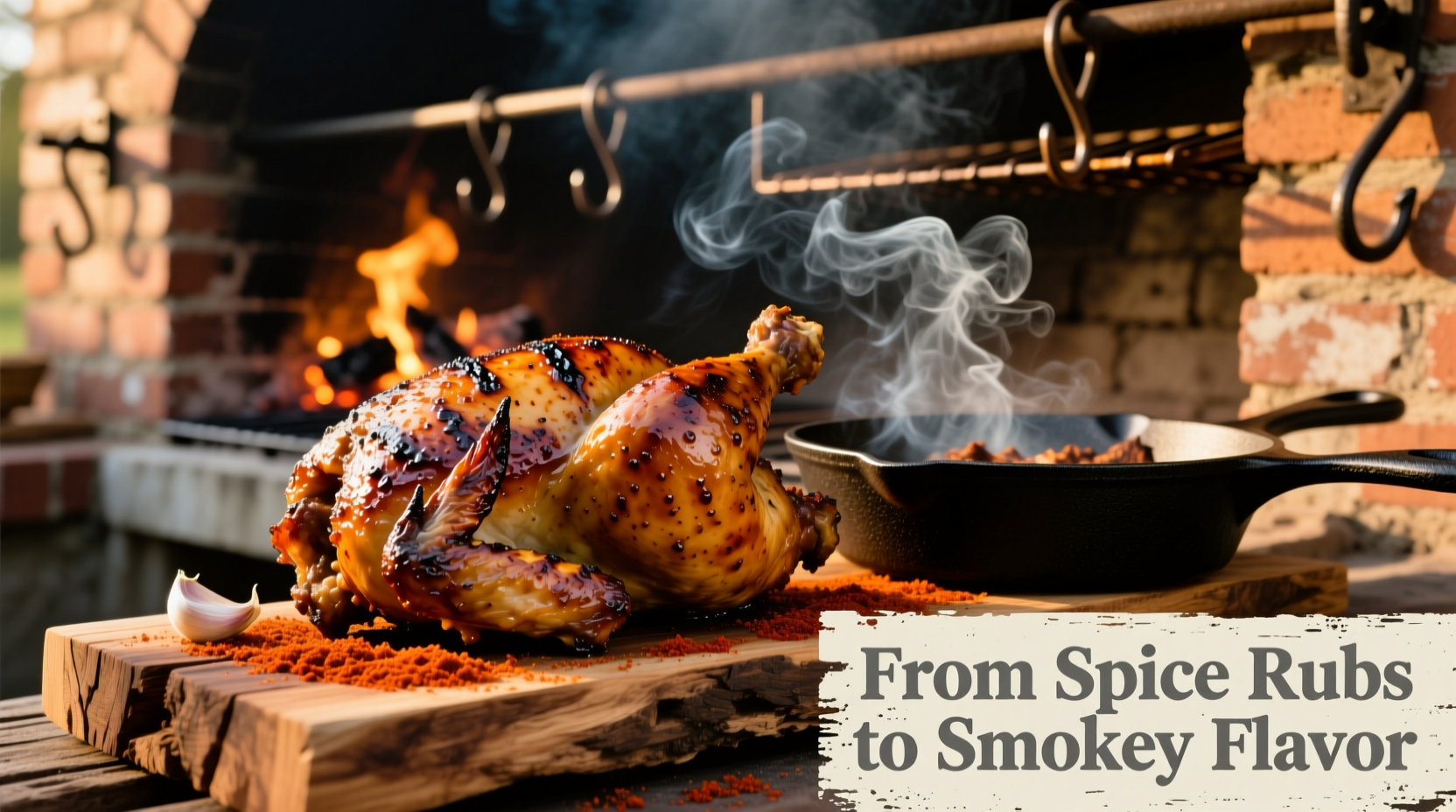
Texas BBQ chicken refers to whole chickens, halves, or individual parts (such as thighs and legs) that are seasoned primarily with a dry spice rub, then slowly smoked over hardwood embers until tender, juicy, and richly flavored. This method diverges from other American BBQ traditions by minimizing the use of sauce during cooking. Instead, the focus lies in building complexity through a well-balanced rub and the aromatic influence of smoke from native hardwoods like oak, mesquite, and pecan.
The roots of Texas BBQ lie in German and Czech meat markets of Central Texas during the 19th century, where butchers began smoking meats to preserve them and attract customers. Over time, this evolved into a distinct culinary identity centered around minimalism: coarse salt, cracked black pepper, garlic powder, and smoke. While brisket remains the flagship, chicken was often cooked alongside or in the same pits, absorbing the same principles. Today, Texas BBQ chicken can be found at legendary joints like Kreuz Market in Lockhart and Franklin Barbecue in Austin, where it's served unadorned or with sauce on the side—never slathered.
Flavor-wise, Texas BBQ chicken is savory, slightly spicy, and deeply aromatic. It avoids cloying sweetness in favor of umami depth and a subtle heat that lingers without overwhelming. The texture should be moist, especially in dark meat, with crisp skin when properly rendered. It's a dish that rewards restraint and precision, making it both accessible for beginners and challenging enough for experienced pitmasters.
Key Characteristics
| Characteristic | Description |
|---|---|
| Flavor Profile | Savory, earthy, moderately spicy, with notes of garlic, onion, and toasted pepper. Low sweetness; emphasis on salt and smoke. |
| Aroma | Smoky, woody, with warm spice notes from paprika, cumin, and black pepper. |
| Color/Form | Deep mahogany to reddish-brown bark formed during smoking. Dry, granular rub adheres tightly to the surface. |
| Heat Level | Moderate (2–5/10). Adjustable via cayenne or chili powder; rarely fiery. |
| Culinary Function | Dry seasoning for grilling, smoking, or roasting poultry. Builds crust and enhances natural meat flavor. |
| Shelf Life | 6–12 months when stored in a cool, dark place in an airtight container. |
Practical Usage: How to Use Texas-Style Rubs and Techniques
Applying Texas BBQ principles to chicken starts long before the smoker is lit. The foundation is the dry rub—a mixture designed to season, protect, and form a flavorful crust known as \"bark.\" Unlike marinades or wet mops, dry rubs draw moisture from the meat initially, then bond with rendered fat to create a textured, savory shell.
Step-by-Step Guide to Preparing Texas BBQ Chicken
- Select the chicken: Choose fresh, air-chilled chicken if possible. Whole birds (3.5–4.5 lbs), spatchcocked halves, or bone-in thighs and legs work best. Avoid pre-brined or injected poultry, which can become overly salty.
- Dry the surface: Pat the chicken thoroughly with paper towels. Let it rest uncovered in the refrigerator for 4–12 hours to further dry the skin—this improves bark formation and smoke adhesion.
- Apply the rub generously: Use about 1 tablespoon of rub per pound of chicken. Press it evenly into all surfaces, including under wings and between the leg joints. Don’t forget the backside.
- Rest before cooking: Allow the seasoned chicken to sit at room temperature for 30–60 minutes prior to smoking.
- Set up the smoker: Maintain a steady temperature of 275°F–300°F. Use a combination of post oak (primary) and pecan (secondary) for authentic Texas flavor. Avoid fruitwoods like apple or cherry, which are more common in other regions.
- Smoke until done: Cook until the internal temperature reaches 165°F in the breast and 175°F in the thigh. Expect 2.5 to 3.5 hours depending on size and setup.
- Optional finish: For crispier skin, increase heat to 350°F for the final 15 minutes or briefly sear over indirect grill heat.
- Rest and serve: Let the chicken rest for 10–15 minutes before carving. Serve with sliced onion, pickles, white bread, and a small bowl of tangy vinegar-based sauce on the side.
Pro Tip: For deeper smoke penetration, use the “Texas crutch” sparingly—or not at all. Wrapping in foil traps steam and softens the bark. If needed, only wrap large birds nearing completion to prevent drying, but unwrap for the final 30 minutes to re-crisp the exterior.
Recommended Rub Ratio (for 4 lbs of chicken)
- 3 tablespoons coarse kosher salt
- 2 tablespoons coarsely ground black pepper
- 1 tablespoon smoked paprika
- 1 tablespoon garlic powder
- 1 tablespoon onion powder
- 1 teaspoon ground cumin
- 1 teaspoon chili powder (mild ancho preferred)
- ½–1 teaspoon cayenne pepper (adjust to taste)
- ½ teaspoon dried oregano (optional)
Mix thoroughly and store any excess in a labeled jar. This blend doubles as an excellent seasoning for turkey, pork shoulder, or even roasted vegetables.
Variants & Types of Texas BBQ Chicken
While the core technique remains consistent, regional and personal variations exist across Texas. These reflect local preferences, available woods, and cultural influences.
Central Texas Style
The most iconic version. Uses a simple salt-and-pepper-forward rub with minimal additives. Oak is the dominant wood. Sauce is absent or served separately. Found in Lockhart, Luling, and Austin.
East Texas Style
More influenced by Southern and African-American traditions. Features a sweeter, tomato-based sauce applied late in cooking. Rub may include brown sugar. Chicken is often chopped or shredded after smoking.
Hill Country Variation
Incorporates native herbs like rosemary and thyme into the rub. Pecan wood is favored for its milder, nuttier smoke. Often includes beer or broth in a drip pan for added moisture.
Urban Fusion (Modern Texas)
Seen in food trucks and contemporary BBQ restaurants. May include global touches—such as gochujang glaze on the side or tamarind mop—while retaining the dry-rub base. Still prioritizes smoke and quality meat.
| Style | Rub Base | Wood Used | Sauce Role | Best For |
|---|---|---|---|---|
| Central Texas | Salt, pepper, garlic | Oak | None or on side | Whole birds, thighs |
| East Texas | Brown sugar, spices, chili | Hickory, oak | Applied late | Chopped chicken sandwiches |
| Hill Country | Herbs, citrus zest | Pecan, oak blend | Minimal | Spatchcocked birds |
| Modern Fusion | Dry rub + global accents | Variable | Complementary condiment | Food service innovation |
Comparison with Similar Ingredients & Styles
Texas BBQ chicken is frequently compared to other regional American BBQ styles. Understanding the differences helps clarify its unique identity.
| Feature | Texas BBQ Chicken | Kansas City Chicken | Carolina Chicken | Memphis Chicken |
|---|---|---|---|---|
| Primary Seasoning | Dry rub (salt, pepper, spices) | Spice-sugar rub | Vinegar-based mop or sauce | Dry rub or wet mop |
| Sauce Sweetness | Low or none | High (molasses, brown sugar) | Low to medium (tangy) | Medium (tomato-ketchup base) |
| Smoke Wood | Oak, mesquite, pecan | Hickory, apple | Hickory | Hickory, apple |
| Chicken Preparation | Whole, halved, or parts—dry-smoked | Often sauced throughout | Often pulled, simmered in sauce | Grilled or smoked, sauced |
| Signature Serving | With bread, pickles, onions | On a bun with fries | Over rice or cornbread | In sandwiches or plates |
“In Texas, we don’t hide the chicken. We highlight it. The rub is there to support, not overpower. And the smoke? That’s the soul of the dish.”
— Amanda R., Pitmaster, Lockhart Smokehouse (Dallas)
Practical Tips & FAQs
Q1: Should I brine Texas BBQ chicken?
A1: Not typically. Traditional Texas BBQ relies on high-quality, unbrined poultry. Brining adds water weight and dilutes flavor. If your chicken is lean or you’re concerned about dryness, consider a light dry brine using only salt (1 tsp per pound) applied 12–24 hours ahead. Skip sugar and liquids.
Q2: Can I use a gas grill instead of a smoker?
A2: Yes—with modifications. Set one side to indirect heat (turn off burners beneath the chicken), add soaked wood chips in a smoker box, and maintain 275°F–300°F. Rotate occasionally for even exposure. Results won’t match a true offset smoker but can still deliver authentic flavor.
Q3: What’s the best wood for Texas BBQ chicken?
A3: Post oak is the gold standard—clean, strong, and slightly tannic. Pecan offers a softer, nutty alternative ideal for longer smokes. Mesquite burns hot and fast; use sparingly (no more than 30% of fuel) to avoid bitterness. Avoid pine, cedar, or softwoods entirely.
Q4: How do I know when it’s done?
A4: Use a reliable instant-read thermometer. Insert into the thickest part of the breast (avoiding bone) and thigh. Target 165°F in the breast, 170°F–175°F in the thigh. Dark meat benefits from higher temps to break down collagen. Visual cues include clear juices and easily pulled legs.
Q5: Can I make it ahead?
A5: Yes, but with care. Fully cook, then hold in a warming oven (170°F) for up to 2 hours. Alternatively, chill and reheat gently in a 250°F oven wrapped in foil with a splash of broth. Avoid microwaving, which ruins texture.
Q6: Is sauce ever used traditionally?
A6: Rarely during cooking. Some Central Texas establishments offer a thin, vinegary “mopping sauce” made from cider vinegar, jalapeño, and spices—applied lightly at the end. Thick, sweet sauces are considered non-traditional. When served, they appear on the side.
Checklist: Texas BBQ Chicken Success
- ☑ Use unbrined, air-chilled chicken
- ☑ Dry the skin overnight
- ☑ Apply rub 30+ minutes before cooking
- ☑ Maintain steady 275°F–300°F
- ☑ Use oak or pecan wood chunks
- ☑ Monitor internal temp—don’t guess
- ☑ Rest before serving
- ☑ Serve with bread, pickles, raw onion
Summary & Key Takeaways
Texas BBQ chicken stands apart from other regional styles through its emphasis on dry rubs, hardwood smoke, and minimalist presentation. It is not defined by sauce but by the integrity of the meat and the skill of the cook. At its core, it reflects a philosophy: let quality ingredients shine through careful technique.
The hallmark of great Texas BBQ chicken is a deep, savory crust formed by a balanced rub of salt, pepper, garlic, and mild chilies, enhanced by hours of exposure to clean-burning oak or pecan smoke. Whether prepared in a backyard pellet smoker or a commercial offset rig, the principles remain unchanged—low and slow, dry seasoning, and respect for tradition.
Home cooks can achieve authentic results by focusing on three elements: proper preparation (drying and seasoning), precise temperature control, and thoughtful wood selection. Avoid shortcuts like sugary rubs or early saucing, which compromise the Texas style. Instead, embrace simplicity and build flavor layer by layer.
As Texas barbecue continues to gain national and international acclaim, chicken remains an underrated canvas for these techniques. It offers a more approachable entry point than brisket while delivering the same satisfaction: smoky, succulent, and deeply satisfying fare that honors the state’s culinary legacy.
Master the rub. Respect the smoke. Let the chicken speak for itself.