Deciding how to feed your dog or cat is one of the most important choices a pet owner makes. With growing interest in fresh, human-grade ingredients, many are turning away from kibble toward alternatives like fresh pet food delivery services or homemade meals. But which option truly delivers better value and nutrition? The answer depends on multiple factors—cost, time, ingredient quality, and nutritional balance. This article provides a transparent comparison between fresh pet food delivery and cooking at home, including real-world pricing, nutrient adequacy, and practical trade-offs.
The Rise of Fresh Pet Food
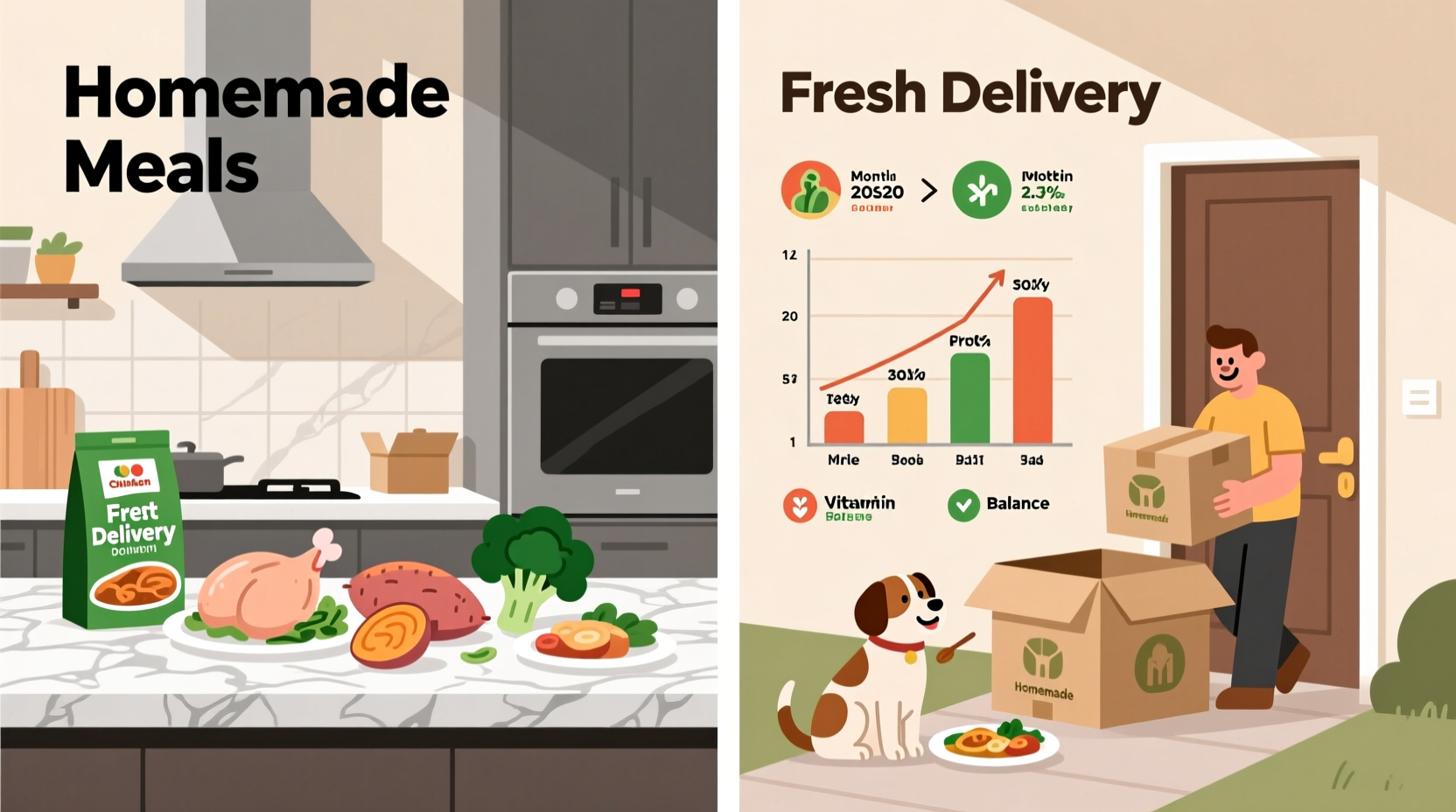
Once considered a niche trend, fresh pet food has entered the mainstream. Companies like Ollie, Nom Nom, The Farmer’s Dog, and JustFoodForPets offer pre-portioned, refrigerated meals delivered directly to your door. These services market their products as healthier, more digestible, and closer to what pets would eat in the wild. Meanwhile, a growing number of pet owners are opting to cook for their animals themselves, sourcing whole ingredients and following vet-approved recipes.
Both approaches aim to improve long-term health by eliminating fillers, artificial preservatives, and low-quality proteins common in commercial dry food. However, they differ significantly in execution, effort, and expense.
Cost Breakdown: Delivery Services vs Homemade Meals
Understanding the financial implications of each option is essential. While both can be more expensive than kibble, their cost structures vary widely based on pet size, dietary needs, and geographic location.
| Factor | Fresh Delivery Service (e.g., The Farmer’s Dog) | Cooking at Home |
|---|---|---|
| Average Monthly Cost (30-lb dog) | $250–$320 | $180–$270 |
| Preparation Time | Negligible (heat & serve) | 2–4 hours/week |
| Ingredient Sourcing | Handled by company | Owner responsibility |
| Nutritional Balancing | Formulated by veterinary nutritionists | Requires research or professional guidance |
| Storage | Refrigerate; use within days | Freeze batches; thaw as needed |
| Customization Flexibility | Moderate (allergies, life stage) | High (full control over ingredients) |
The data shows that while delivery services are more convenient, they often come at a premium. Cooking at home can save $50–$100 per month for a medium-sized dog, but this saving assumes efficient shopping, batch cooking, and access to affordable meat and produce. In urban areas with high grocery costs, the gap may narrow or even reverse.
Tip: To reduce homemade meal costs, buy proteins in bulk, use frozen vegetables, and plan meals weekly to minimize waste.Nutritional Adequacy: Science Over Sentiment
One of the biggest misconceptions about fresh pet food is that “natural” automatically means “nutritious.” In reality, a diet made from whole foods must be carefully balanced to meet AAFCO (Association of American Feed Control Officials) standards for dogs and cats. Deficiencies in calcium, taurine, zinc, or vitamins can lead to serious health issues over time.
Delivery services typically employ board-certified veterinary nutritionists to formulate recipes that are complete and balanced. Each batch undergoes testing to ensure consistency and safety. For example, The Farmer’s Dog states that all recipes are formulated to meet AAFCO nutrient profiles for all life stages.
“Home-cooked diets are not inherently superior unless they are properly balanced. A meal of chicken and rice, while digestible, lacks critical nutrients like calcium and essential amino acids.” — Dr. Susan Wynn, DVM, Veterinary Nutritionist
In contrast, homemade diets require significant diligence. A 2022 study published in the Journal of the American Veterinary Medical Association found that **over 95% of published pet recipes online were nutritionally inadequate**. Common omissions include calcium supplementation, omega-3 fatty acids, and trace minerals.
Essential Nutrients Often Missing in Homemade Diets
- Calcium: Critical for bone health; often under-supplemented when bones aren’t included.
- Taurine: Especially vital for cats; deficiency can cause heart disease.
- Vitamin E: An antioxidant that supports immune function and skin health.
- DHA/Omega-3s: Important for brain development and inflammation control.
- Iodine: Needed for thyroid function; lacking in non-seafood diets.
While supplements can correct some gaps, choosing the right ones—and dosing them correctly—is complex. Over-supplementation can be just as dangerous as under-supplementation.
Step-by-Step Guide to Starting a Homemade Diet Safely
If you're committed to cooking for your pet, follow this structured approach to ensure safety and balance:
- Consult a veterinarian or veterinary nutritionist. Get personalized advice based on your pet’s age, breed, weight, and health conditions.
- Select a proven recipe. Use only recipes developed by veterinary nutritionists, such as those from BalanceIT or UC Davis Veterinary Medicine.
- Source high-quality ingredients. Choose lean meats, organ meats (liver, kidney), vegetables, and appropriate supplements.
- Weigh ingredients precisely. Use a kitchen scale to avoid imbalances from eyeballing portions.
- Cook in batches and freeze. Prepare 1–2 weeks’ worth at a time, storing in portioned containers.
- Monitor your pet’s health. Track weight, coat condition, energy levels, and stool quality. Schedule annual bloodwork to catch deficiencies early.
- Re-evaluate annually. Nutritional needs change with age, activity level, and medical status.
Real Example: Max, a 45-lb Labrador Mix
Sarah, a pet owner in Denver, switched her 5-year-old Labrador mix Max from kibble to fresh food after he developed chronic ear infections and dull coat. She first tried The Farmer’s Dog, spending about $290/month. After three months, Max’s energy improved and his coat became shinier, but Sarah felt the cost was unsustainable.
She consulted a veterinary nutritionist through BalanceIT and transitioned to a homemade diet using a beef-based recipe. Her weekly prep took about three hours: grinding meat, chopping vegetables, mixing supplements, and portioning into silicone trays. Her monthly food cost dropped to $210, and she froze six weeks of meals at once.
After six months, Max’s vet noted improved liver enzymes and better muscle tone. Blood tests showed optimal vitamin levels. Sarah now spends less time managing treats and vet visits, offsetting her cooking time. Her key insight: “The savings weren’t just financial—it was peace of mind knowing exactly what he ate.”
Checklist: Before You Switch to Fresh Food
- ✅ Discuss the change with your veterinarian.
- ✅ Determine your budget for the next 3–6 months.
- ✅ Decide whether to use a delivery service or cook at home.
- ✅ If cooking: obtain a vet-approved recipe and required supplements.
- ✅ Source reliable suppliers for meat, produce, and supplements.
- ✅ Plan storage space (refrigerator/freezer).
- ✅ Commit to tracking your pet’s weight and health markers monthly.
Pros and Cons Summary
| Aspect | Fresh Delivery | Cooking at Home |
|---|---|---|
| Convenience | ★★★★★ | ★★☆☆☆ |
| Cost | ★★☆☆☆ | ★★★★☆ |
| Nutritional Accuracy | ★★★★★ | ★★★☆☆ (if guided) |
| Ingredient Control | ★★★☆☆ | ★★★★★ |
| Time Investment | ★★★★★ (minimal) | ★★☆☆☆ |
| Risk of Imbalance | Low | Moderate to High (without guidance) |
Frequently Asked Questions
Is fresh food better than kibble?
Fresh food can offer benefits like improved digestion, shinier coats, and reduced allergies, especially for pets with sensitivities. However, high-quality kibble can also meet all nutritional needs. The advantage of fresh food lies in ingredient quality and moisture content, not inherent superiority.
Can I mix delivery food with homemade meals?
Yes, but do so consistently. Frequent switching between unbalanced diets increases the risk of nutrient gaps. If mixing, treat it as a single diet plan and ensure the combined intake meets daily requirements.
Are raw diets safer or healthier?
Raw diets are controversial. While some advocate for their biological appropriateness, they carry risks of bacterial contamination (e.g., Salmonella, Listeria) and nutritional imbalance. The FDA and AVMA caution against raw feeding, especially in homes with children or immunocompromised individuals.
Conclusion: Making the Right Choice for Your Pet
Choosing between fresh pet food delivery and cooking at home isn't about finding a universal “best” option—it's about aligning with your lifestyle, budget, and commitment to pet health. Delivery services offer unmatched convenience and scientific rigor, ideal for busy owners who prioritize ease and consistency. Cooking at home allows deeper involvement and potential savings, but demands education, time, and vigilance.
Regardless of your path, the goal remains the same: providing safe, balanced, and species-appropriate nutrition. Start with a conversation with your vet, assess your capacity for meal planning, and monitor your pet’s response closely. When done thoughtfully, either approach can contribute to a longer, healthier life for your companion.
💬 Have experience with fresh pet food or homemade diets? Share your story, tips, or challenges in the comments—your insights could help another pet owner make a confident decision.