
Freshness is the cornerstone of great cooking. Whether you're preparing a simple salad or an elaborate stew, the quality of your ingredients directly influences taste, texture, and nutritional value. Yet in many kitchens, produce deteriorates too quickly—not because of poor sourcing, but due to improper handling and storage. Around the world, innovative tools and techniques have emerged to preserve the integrity of fruits and vegetables from market to plate. From Japanese humidity-controlled containers to Scandinavian root cellars and modern smart fridges, understanding and applying these global best practices can transform how you cook with fresh ingredients.
Why Produce Quality Matters Beyond Appearance
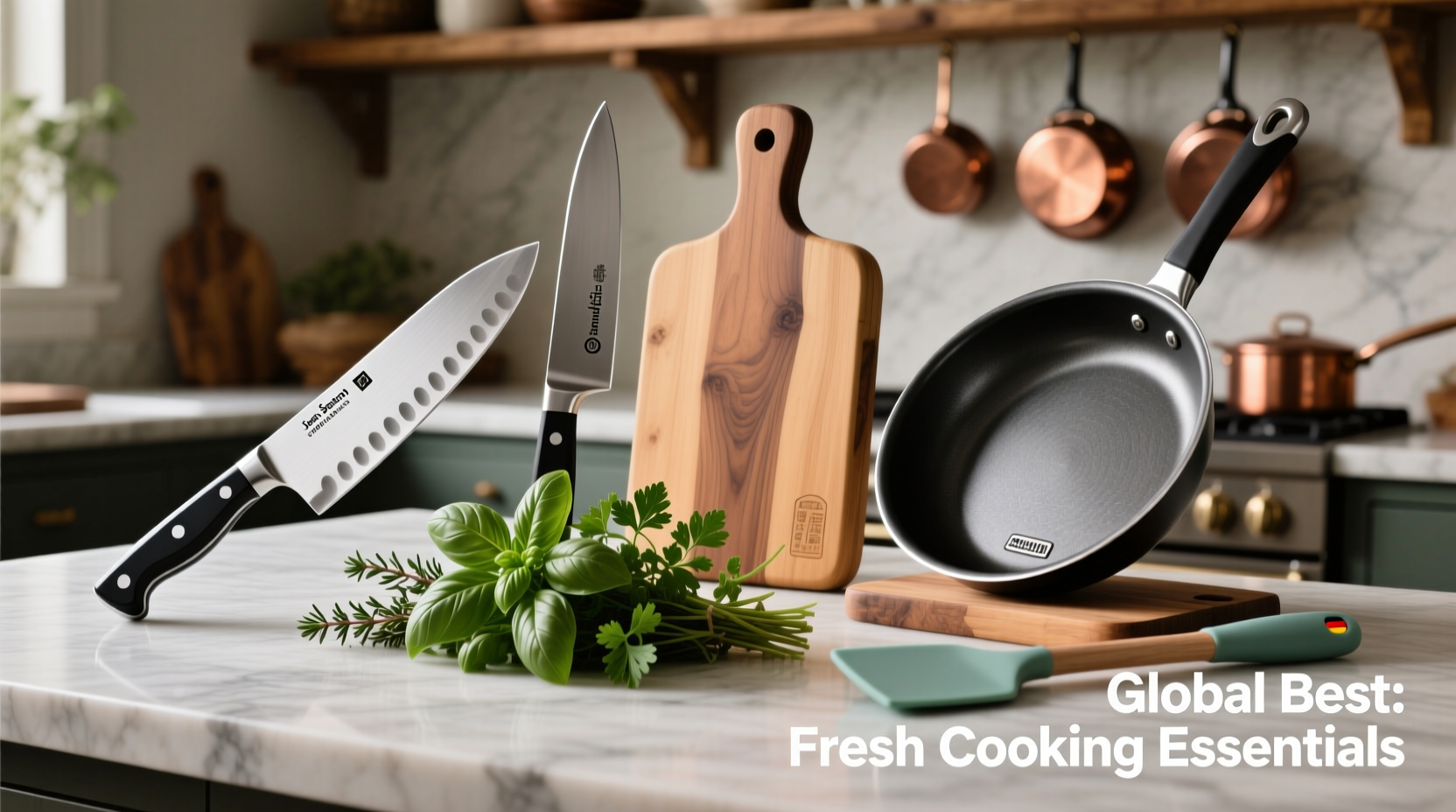
It’s easy to judge produce by its looks: crisp greens, firm tomatoes, unblemished peppers. But true quality goes deeper. Nutrient degradation begins the moment produce is harvested. Vitamin C, for example, can decline by up to 50% within a week under suboptimal conditions. Enzymatic browning, moisture loss, and microbial growth accelerate spoilage, reducing both safety and flavor.
Chefs and home cooks alike benefit from tools that slow these processes. The best systems maintain ideal temperature, humidity, airflow, and ethylene gas levels—the invisible factors that dictate freshness. Across cultures, solutions have evolved not just from technology, but from deep culinary traditions rooted in seasonal awareness and resourcefulness.
“Preserving produce isn’t about extending shelf life—it’s about maintaining peak ripeness. That’s where real flavor lives.” — Clara Mendez, Sustainable Kitchen Consultant, Barcelona
Top Global Tools for Maximizing Freshness
Different climates and cuisines have inspired distinct approaches to produce preservation. By combining traditional wisdom with modern innovation, today’s cooks can access a powerful toolkit.
1. Japanese Bizen Ware Vegetable Crocks
Originating from Okayama, these unglazed clay pots use natural evaporation and condensation cycles to create a cool, humid microclimate. When placed in a shaded area and misted lightly, they keep leafy greens, radishes, and herbs crisp for over a week without refrigeration. The porous clay allows airflow while retaining moisture—ideal for delicate produce.
2. Swedish Root Cellars (Källare)
In rural Sweden, underground cellars maintain stable temperatures year-round. These spaces are partitioned into high-humidity zones for carrots and beets, and drier areas for onions and squash. Modern adaptations include insulated basement units with hygrometers and ventilation flaps, replicating this passive cooling method in urban homes.
3. Italian Olive Oil Sealing Method
For herbs like rosemary, thyme, and sage, Italians often submerge stems in olive oil inside glass jars. This prevents oxidation and infuses the oil with flavor. Stored in the fridge, this method keeps herbs vibrant for three weeks. It’s especially effective for woody herbs prone to drying out.
4. Korean Onggi Fermentation Jars
While traditionally used for kimchi, onggi jars made from breathable ceramic are now being repurposed for short-term vegetable storage. Their semi-permeable walls allow CO₂ to escape while retaining moisture, mimicking the natural respiration of produce. Farmers' markets in Seoul often sell pre-packed bok choy and cucumbers stored this way.
5. Smart Fridges with Dual Humidity Crispers (Germany & South Korea)
Brands like Bosch and Samsung offer crisper drawers with adjustable humidity sliders and ethylene filters. High-humidity settings suit leafy greens; low-humidity suits apples and avocados that emit ethylene. Some models even send smartphone alerts when produce is nearing spoilage.
Tip: Always remove rubber bands and twist ties from herbs—they restrict circulation and speed up decay.Comparison of Produce Storage Methods
| Tool/Method | Best For | Shelf Life Extension | Key Advantage |
|---|---|---|---|
| Bizen Ware Crocks | Leafy greens, herbs, radishes | 7–10 days | No electricity needed, natural regulation |
| Root Cellars | Root vegetables, winter squash | 2–6 months | Long-term, bulk storage |
| Olive Oil Submersion | Woody herbs | 3 weeks | Flavor infusion + preservation |
| Onggi Jars | Cruciferous vegetables | 5–7 days | Allows natural respiration |
| Smart Crisper Drawers | All produce types | Up to 14 days | Precision control, real-time monitoring |
Step-by-Step: Building a Global-Inspired Freshness System at Home
You don’t need to live in Scandinavia or Japan to apply these methods. Here’s how to integrate them into any kitchen:
- Sort produce by type and sensitivity. Separate ethylene producers (bananas, tomatoes) from ethylene-sensitive items (leafy greens, berries).
- Use clay crocks for delicate greens. Place washed and dried lettuce or arugula in a Bizen-style pot lined with a damp cloth. Store in a pantry or cool corner.
- Repurpose glass jars for herb storage. Trim herb stems, place in a jar with 1 inch of water, cover loosely with a bag, and refrigerate. Change water every two days.
- Create a mini root cellar in your basement or closet. Use wooden crates lined with sand or sawdust for carrots and beets. Monitor humidity with a $10 hygrometer.
- Leverage smart tech selectively. Reserve your fridge’s ethylene-filtering drawer for mixed produce. Avoid overcrowding to ensure airflow.
Real Example: A Tokyo Home Cook’s Weekly Routine
Miho Tanaka, a home chef in Yokohama, shops daily at her local farmers’ market. She buys only what she needs for the next 48 hours—but keeps a few staples fresh using traditional tools. Her daikon radishes go into a glazed onggi jar in the pantry; her mitsuba herbs sit in a Bizen crock misted twice daily. She stores shiitake mushrooms in a paper bag in the fridge’s low-humidity drawer. As a result, Miho rarely throws out produce, and her miso soups and sunomono salads retain restaurant-level brightness. “I treat each vegetable like a guest,” she says. “You give it the right space, and it stays vibrant longer.”
Essential Checklist for Freshness Optimization
- ✅ Wash produce only before use (moisture accelerates mold)
- ✅ Remove packaging that traps ethylene gas
- ✅ Group items by humidity needs, not color or size
- ✅ Use breathable storage (linen, mesh, clay) over plastic
- ✅ Rotate stock using FIFO (First In, First Out)
- ✅ Inspect daily for early signs of spoilage
- ✅ Label containers with purchase dates
Frequently Asked Questions
Can I use regular clay pots instead of Bizen ware?
Yes, unglazed terra cotta pots can work similarly. Soak the pot in water for 10 minutes, let it air dry slightly, then place produce inside with a damp cloth. Keep in a cool, dark spot and re-mist the exterior every other day.
Do ethylene absorbers really work?
Independent tests show that carbon-based ethylene filters, such as those in premium fridge drawers or standalone pods, can extend the life of sensitive produce by 30–50%. They’re most effective in enclosed spaces like crispers or storage boxes.
Is it safe to store herbs in olive oil at room temperature?
No—unless you’re using them within 24 hours. To prevent botulism risk, always refrigerate oil-stored herbs and use within three weeks. Acidifying the oil with lemon juice adds an extra safety layer.
Conclusion: Elevate Your Cooking Through Smarter Preservation
The finest ingredients deserve more than a crisper drawer and crossed fingers. By learning from global traditions and integrating modern tools, you gain precise control over freshness—turning everyday meals into expressions of peak flavor and nutrition. These methods aren’t about perfection; they’re about intention. Each time you choose a breathable container over plastic, or separate an apple from your spinach, you honor the ingredient. Start small: adopt one tool, master one technique. Soon, your kitchen will reflect a deeper rhythm—one where freshness isn’t luck, but design.
🚀 Ready to transform your kitchen? Pick one global tool this week—try a clay crock, build a mini root cellar, or optimize your crisper settings—and notice the difference in your next meal.