
Brazilian cuisine is a vibrant tapestry of indigenous, African, Portuguese, and immigrant influences, resulting in deeply flavorful, texturally rich, and culturally resonant dishes. For home cooks seeking to break free from routine meal patterns, exploring Brazil’s most beloved foods offers not just new recipes, but a complete reimagining of how flavor, ingredient harmony, and cultural storytelling intersect on the plate. From slow-cooked stews simmered for hours to street-food staples packed with spice and crunch, Brazilian cooking emphasizes balance—between heat and sweetness, richness and freshness, tradition and innovation. This guide dives into the essential dishes that define Brazil’s culinary identity, explains their components and context, and provides practical ways to integrate them into modern kitchens for a genuine flavor upgrade.
Definition & Overview: What Defines Brazilian Cuisine?
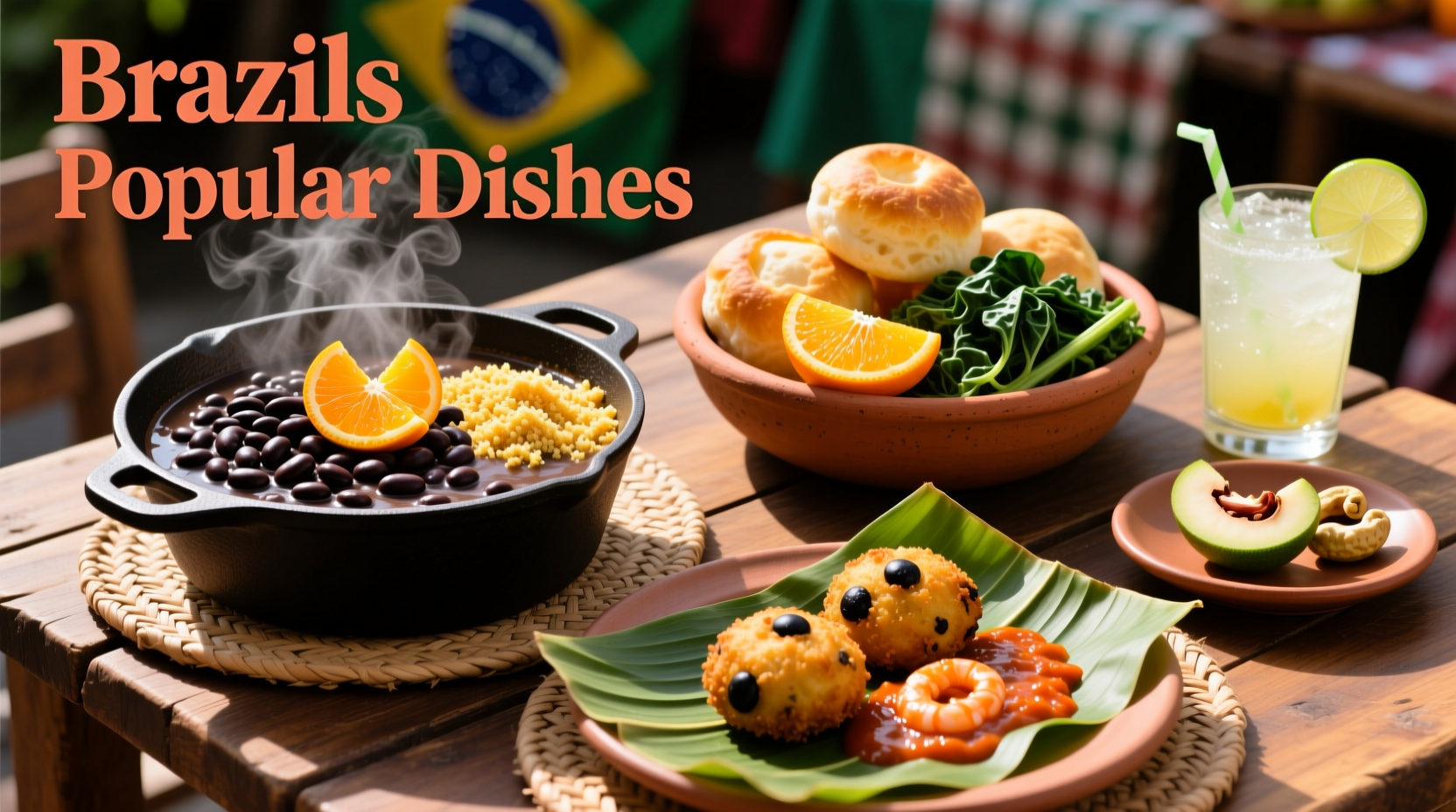
Brazilian food is less defined by a single dish than by a philosophy of abundance, resourcefulness, and celebration. Spanning five vast regions—the Amazon, Northeast, Southeast, South, and Central-West—it reflects diverse ecosystems and histories. At its core, Brazilian cuisine centers around three pillars: rice, beans, and protein, typically served together as a daily staple known as *comida caseira* (home cooking). However, this simplicity belies the complexity beneath: layered seasonings, fermented ingredients, smoked meats, tropical produce, and Afro-Brazilian techniques like slow braising and palm oil infusions.
The national dish, feijoada, exemplifies this duality—rustic in origin yet elaborate in execution. A black bean stew enriched with salted and smoked pork parts, it originated among enslaved Africans using discarded cuts and transformed them into something luxurious through time, spice, and skill. Other iconic dishes like moqueca (seafood stew), pão de queijo (cheese bread), and caldinho de feijão (bean soup) showcase regional pride and ingredient specificity, such as dendê (palm oil) in Bahia or cassava-based sides across the country.
Flavor profiles vary widely: coastal areas favor coconut milk, lime, and seafood; inland regions rely on dried beef, corn, and root vegetables; the Amazon introduces exotic fruits and freshwater fish. Yet common threads bind these variations—warm spices, garlic-heavy bases, fresh herbs like cilantro and green onion, and an unapologetic love for fat as both flavor carrier and cultural symbol.
Key Characteristics of Brazil’s Signature Dishes
| Dish | Primary Ingredients | Flavor Profile | Texture | Heat Level | Culinary Function |
|---|---|---|---|---|---|
| Feijoada | Black beans, pork ribs, sausage, ears, feet, kale | Savory, smoky, umami-rich, slightly salty | Thick, hearty, stew-like | Mild (optional chili on side) | Main course, weekend centerpiece |
| Moqueca | Fish, coconut milk, dendê oil, tomatoes, onions, peppers | Creamy, tangy, aromatic, mildly spicy | Smooth broth with tender fish | Low to medium | Seafood entrée, festive meal |
| Pão de Queijo | Tapioca flour, cheese, eggs, milk | Savory, cheesy, slightly tangy | Chewy inside, crisp outside | None | Breakfast, snack, appetizer |
| Acarajé | Black-eyed peas, shrimp, palm oil, vatapá | Rich, nutty, spicy, complex | Crispy shell, creamy filling | Medium to high | Street food, ceremonial dish |
| Brigadeiro | Condensed milk, cocoa, butter, chocolate sprinkles | Sweet, fudgy, intensely chocolatey | Soft, truffle-like | None | Dessert, party treat |
Practical Usage: How to Bring Brazilian Flavors Into Your Kitchen
Integrating Brazilian dishes into everyday cooking doesn’t require access to specialty markets or years of training. Many foundational elements can be adapted using accessible ingredients while preserving authenticity of flavor.
Building a Brazilian Pantry
Start by stocking key staples:
- Dried black beans: Use for feijoada or simple rice-and-beans bowls.
- Smoked paprika or bacon: Substitute for smoked pork if traditional cuts aren't available.
- Coconut milk: Essential for moqueca and other coastal stews.
- Tapioca flour (polvilho doce): The base for pão de queijo; found in Latin or health food stores.
- Green onions and cilantro: Used generously as finishing herbs.
- Lime or lemon juice: Adds brightness to rich dishes.
Step-by-Step: Making a Simplified Feijoada at Home
- Soak 1 lb dried black beans overnight.
- In a large pot, sauté diced onion and minced garlic in olive oil until translucent.
- Add 8 oz diced smoked ham or bacon, cook until browned.
- Drain beans and add to pot with 6 cups water, bay leaf, and a sprig of rosemary.
- Simmer for 2–3 hours until beans are tender and stew thickens.
- Shred cooked collard greens or kale and stir in during last 15 minutes.
- Serve with orange slices (a traditional accompaniment that cuts richness), farofa (toasted manioc flour), and white rice.
Pro Tip: For deeper flavor, brown the meat first and deglaze the pan with a splash of dark beer before adding beans. This mimics the caramelization found in traditional cauldrons.
Modern Twists on Classic Dishes
Adaptations keep traditions alive. Try a vegetarian moqueca using hearts of palm or king oyster mushrooms instead of fish, keeping the coconut milk, dendê oil, and tomato base intact. Or bake mini pão de queijo muffins for brunch—they reheat well and freeze beautifully.
In professional kitchens, chefs often layer textures: adding crispy farofa as a topping for salads or using brigadeiro filling in chocolate tarts. At home, consider serving acarajé-inspired sliders with spiced black-eyed pea patties and chili mayo for a fusion appetizer.
Variants & Types: Regional Expressions of National Favorites
Brazil’s size and diversity mean that even within a single dish category, regional variations abound.
Moqueca Capixaba vs. Moqueca Baiana
While both are seafood stews, they differ significantly:
- Moqueca Baiana (from Bahia): Uses dendê oil, giving it a deep red hue and nutty aroma. Includes coconut milk, bell peppers, and often shrimp or crab. Strong Afro-Brazilian roots.
- Moqueca Capixaba (from Espírito Santo): Omits palm oil and coconut milk. Instead, it relies on annatto (urucum) for color and uses only tomatoes, onions, garlic, and local fish. Lighter, more brothy, reflecting indigenous and Portuguese influence.
Feijoada Variations
- Feijoada Completa: Traditional version with multiple pork cuts including ears, tail, and feet—typically served on weekends.
- Feijoada Leve: Modern urban adaptation using leaner meats like turkey sausage or chicken thighs, reducing fat content without sacrificing flavor.
- Vegetarian Feijoada: Substitutes jackfruit, mushrooms, or tofu for meat, seasoned heavily with liquid smoke and soy sauce to mimic umami depth.
Cheese Bread Evolution
Pão de queijo comes in several forms:
- Traditional: Made with sour tapioca starch (*polvilho azedo*), which gives the signature chew.
- Sweet versions: Include sugar and sometimes milk chocolate chunks.
- Gluten-free commercial mixes: Widely available and reliable for beginners.
| Regional Dish | Base Ingredients | Unique Element | Best Served With |
|---|---|---|---|
| Vatapá (Bahia) | Bread, coconut milk, shrimp, peanuts | Pounded into creamy paste, fried in palm oil | Acarajé or grilled fish |
| Virado à Paulista (São Paulo) | Beans, pork chop, kale, cornmeal | Beans mashed with toasted manioc flour | Fried egg, orange slices |
| Barreado (Paraná) | Beef, onions, tomatoes, spices | Slow-cooked 12+ hours, sealed with flour paste | Rice, banana, farofa |
| Tacacá (Amazonas) | Tucupi broth, jambu leaves, dried shrimp | Jambu causes mild numbing sensation | Goma (cassava gum) |
Comparison with Similar Ingredients and Dishes
Brazilian dishes are often mistaken for those from other Latin American countries, but distinctions matter.
| Brazilian Dish | Commonly Confused With | Key Differences |
|---|---|---|
| Feijoada | Mexican frijoles, Cuban moros y cristianos | Uses pork offal and smoked meats; stewed, not soupy; served with farofa and oranges |
| Moqueca | Caribbean curries, Thai coconut soups | No curry powder; relies on fresh aromatics and regional oils; slower simmer |
| Pão de Queijo | Italian gnocchi, American cheese balls | Gluten-free, made with tapioca; baked, not boiled; light and airy |
| Brigadeiro | Brownies, truffles | No flour or eggs; cooked condensed milk base; rolled, not sliced |
Unlike Mexican mole, which blends chocolate with chilies and spices, Brazilian sauces rarely include chocolate except in desserts. Similarly, while both Colombia and Brazil use plantains, Brazilians favor frying green bananas (*banana-da-terra*) alongside savory plates rather than incorporating them into sweet preparations.
Practical Tips & FAQs
Q: Can I make feijoada without offal?
A: Absolutely. Most home cooks outside Brazil use smoked sausage, ribs, and bacon. The key is depth of flavor—brown the meats well and include a bay leaf and dash of vinegar during cooking to enhance savoriness.
Q: Where can I find dendê oil?
A: Look in African or Brazilian grocery stores, or order online. Store in a cool, dark place; it lasts up to a year. Use sparingly—it’s potent and stains easily.
Q: Is pão de queijo truly gluten-free?
A: Yes, when made with pure tapioca flour. Always check labels to ensure no wheat contamination, especially in pre-mixed versions.
Q: How long does brigadeiro last?
A: Unrefrigerated, they keep for 5 days in an airtight container. Refrigerate for up to two weeks. Freeze for up to 3 months—thaw at room temperature.
Q: What is farofa, and how is it used?
A: Farofa is toasted manioc (cassava) flour, often cooked with butter, bacon, onions, or eggs. It adds crunch to soft dishes like feijoada or scrambled eggs. Serve as a side or sprinkle over rice bowls.
Q: Can I prepare moqueca quickly?
A: While traditional moqueca simmers for hours, a 30-minute version works: sauté onions, peppers, and garlic; add coconut milk and canned tomatoes; simmer fish fillets for 10–12 minutes. Finish with cilantro and lime.
Expert Insight: \"The soul of Brazilian cooking isn’t in perfection—it’s in generosity. If your feijoada is a little too salty, serve extra rice. If your pão de queijo cracks, call it artisanal. The goal is connection, not precision.\" — Chef Luiza Machado, São Paulo Culinary Institute
Storage Guidelines
- Beans and stews: Refrigerate up to 4 days or freeze for 3 months.
- Pão de queijo: Best fresh, but freeze unbaked dough balls and bake straight from frozen (+2–3 minutes baking time).
- Dendê oil: Keep sealed away from light; discard if rancid smell develops.
- Homemade farofa: Store in glass jar up to 2 weeks.
Substitutions for Hard-to-Find Ingredients
- Tapioca flour → Cassava flour (note: not identical; may affect texture)
- Dendê oil → A mix of peanut oil and paprika (for color and nuttiness)
- Tucupi broth → Chicken or vegetable broth with a squeeze of lime (limited substitute)
- Green banana → Plantain or yuca
Summary & Key Takeaways
Brazil’s popular dishes offer more than novelty—they provide a framework for building meals that are satisfying, balanced, and full of character. By understanding the core principles—layered proteins, aromatic bases, strategic use of starches and fats—cooks can adapt these traditions to any kitchen.
Feijoada teaches patience and resourcefulness, transforming humble ingredients into celebratory fare. Moqueca demonstrates how coconut milk and acid can create luxurious textures without cream. Pão de queijo proves that gluten-free doesn’t mean compromise. And desserts like brigadeiro remind us that simplicity, when executed with care, becomes iconic.
To upgrade your meals with Brazilian flair:
- Master the rice-and-beans foundation with a Brazilian twist: toast the rice, season the beans with smoked meat or liquid smoke.
- Incorporate farofa as a crunchy garnish for soups, salads, and grain bowls.
- Use citrus strategically—orange with pork, lime with seafood—to cut richness.
- Embrace off-cuts and preserved meats for deeper flavor without waste.
- Experiment with dendê and coconut milk in stews for authentic coastal taste.
Start this week: Make a simplified feijoada or batch of pão de queijo. Notice how texture, aroma, and cultural resonance elevate even a simple meal. Then explore one regional dish per month—expand your palate, one bite at a time.