
Store-bought soup mixes offer convenience, but they often come with hidden sodium, preservatives, and a one-size-fits-all flavor profile that lacks authenticity. Creating your own Mexican-inspired soup mix at home transforms the way you cook—giving you control over ingredients, depth of flavor, and cultural fidelity. These blends are not only economical and shelf-stable but also deeply customizable to match regional variations, heat preferences, and dietary needs. Whether you're building a base for tortilla soup, posole, or a rustic black bean stew, a well-crafted dry mix delivers restaurant-quality results with minimal effort. This guide provides comprehensive, tested recipes and expert techniques for crafting versatile, aromatic, and balanced Mexican-style soup bases from scratch.
Definition & Overview
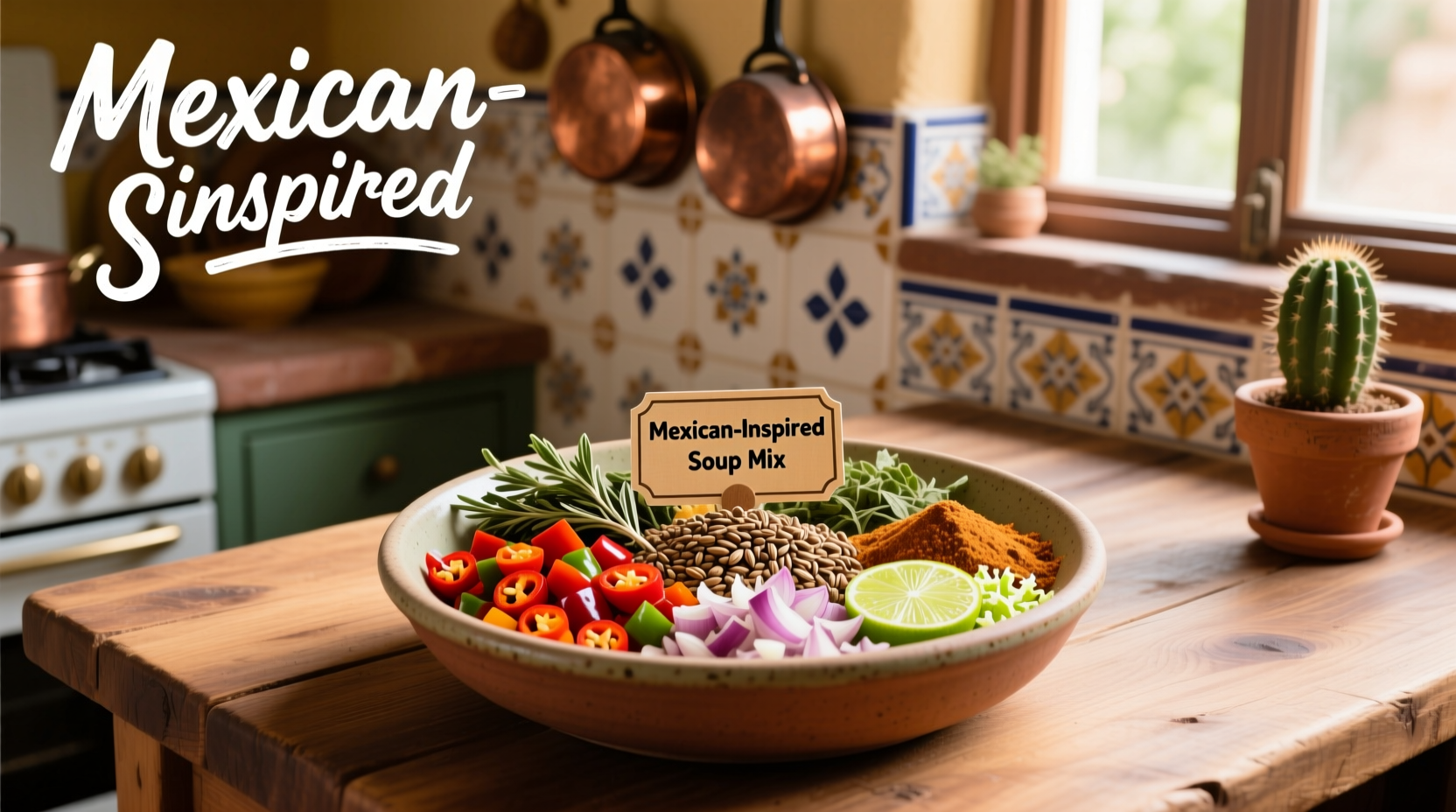
Mexican-inspired soup mixes are dry blends of herbs, spices, dehydrated vegetables, and seasonings designed to form the flavor foundation of soups, stews, and broths rooted in Mexican culinary traditions. Unlike monolithic commercial versions, authentic blends reflect regional diversity—from the smoky warmth of Oaxacan moles to the bright acidity of Yucatán achiote pastes. These mixes are not meant to replicate exact traditional recipes, which typically rely on fresh ingredients, but rather to provide a pantry-ready shortcut that captures the essence of those flavors.
The term “Mexican-inspired” acknowledges both tradition and adaptation. True Mexican cuisine rarely uses pre-mixed dry packets; instead, cooks build layers using toasted chiles, fresh garlic, cumin seeds, epazote, and lime. However, modern home kitchens benefit from a hybrid approach: capturing those complex profiles in a reconstitutable dry form without sacrificing integrity. The best homemade versions prioritize whole spices, real dried chiles, and umami-rich components like mushroom powder or tomato flakes, avoiding fillers such as maltodextrin or artificial flavors.
Key Characteristics
A high-quality Mexican-inspired soup mix balances heat, earthiness, brightness, and depth. Below is a breakdown of its essential attributes:
| Characteristic | Description |
|---|---|
| Flavor Profile | Earthy (cumin, ancho), smoky (chipotle, smoked paprika), herbal (oregano, cilantro), with subtle sweetness (dried onion, tomato) |
| Aroma | Toasted spices, dried chile, warm cumin, faint citrus lift from lime zest or epazote if included |
| Color | Rich red-brown to deep rust, depending on chile content; lighter versions may be golden-tan |
| Heat Level | Adjustable: mild (ancho-only) to medium-hot (with chipotle or guajillo); no capsaicin overload |
| Culinary Function | Flavor base for soups, stews, braises, rice dishes, taco fillings, and marinades |
| Shelf Life | 6–12 months when stored in an airtight container away from light and moisture |
| Solubility | Partially dissolves; some particulate matter (chile flakes, garlic granules) remains for texture |
Practical Usage: How to Use Mexican-Inspired Soup Mixes
The true value of a homemade soup mix lies in its versatility. It functions as a flavor accelerator—adding complexity without requiring hours of prep. Here’s how to integrate it into everyday cooking:
Basic Soup Application (Per 4 Servings)
- Heat 1 tbsp oil in a heavy pot over medium heat.
- Add 2 tablespoons of soup mix and toast for 60–90 seconds, stirring constantly until fragrant—this step unlocks essential oils and prevents raw spice taste.
- Pour in 4 cups of broth (chicken, vegetable, or beef) and bring to a simmer.
- Add protein (shredded chicken, pinto beans, ground turkey) and simmer 15–20 minutes.
- Finish with fresh garnishes: chopped cilantro, diced avocado, lime juice, shredded cheese, or tortilla strips.
Advanced Techniques for Depth
- Bloom in Fat: Sauté the mix in oil or bacon drippings before adding liquid to deepen flavor through the Maillard reaction.
- Layer with Fresh Ingredients: Combine with sautéed onions, garlic, and roasted peppers for a hybrid fresh-dry base.
- Use in Non-Soup Applications: Stir 1–2 tsp into scrambled eggs, taco meat, chili, or grain bowls for instant seasoning.
- Marinade Booster: Blend with olive oil, lime juice, and water to marinate chicken or tofu for tacos or fajitas.
Pro Tip: For richer body, blend 1/4 cup of soaked and drained raw cashews into the soup after simmering, then purée partially with an immersion blender. This adds creaminess without dairy while enhancing mouthfeel.
Variants & Types of Mexican-Inspired Soup Mixes
Mexico’s regional diversity means there is no single “correct” flavor. Adapt your mix based on the dish you’re preparing. Below are four distinct, kitchen-tested variants:
1. Classic Tortilla Soup Base
Ideal for tomato-based soups with crispy tortillas and avocado. Warm, slightly smoky, with herbal top notes.
- 2 tbsp ancho chile powder
- 1 tbsp ground cumin
- 1 tbsp dried oregano (preferably Mexican)
- 1 tsp garlic powder
- 1 tsp onion powder
- 1 tsp smoked paprika
- 1/2 tsp black pepper
- 1/4 tsp cinnamon (optional, for warmth)
- 1/4 tsp crushed dried tomato flakes (dehydrated, not sun-dried)
Yield: ~7 tablespoons (enough for 3 batches). Store in a glass jar.
2. Chipotle-Black Bean Smoky Blend
Bold and spicy, perfect for bean soups, burrito bowls, or vegetarian chili.
- 1 tbsp chipotle powder (adjust for heat)
- 1 tbsp ancho chile powder
- 1 tbsp ground cumin
- 1 tsp garlic powder
- 1 tsp onion powder
- 1 tsp dried epazote (or substitute with marjoram)
- 1/2 tsp oregano
- 1/4 tsp allspice (traditional in southern Mexico)
Note: Epazote reduces gassiness in beans and imparts a distinctive camphorous note—use sparingly.
3. Green Pozole-Style Herb Mix
Designed for tomatillo- or pumpkin seed-based soups. Bright, tangy, and herbal.
- 1 tbsp dried tomatillo powder (or finely ground dehydrated tomatillos)
- 1 tbsp ground coriander
- 1 tsp garlic powder
- 1 tsp onion powder
- 1 tsp dried epazote
- 1 tsp dried cilantro
- 1/2 tsp ground cloves
- 1/4 tsp white pepper
Pair with: canned green chiles, hominy, shredded chicken, and a squeeze of lime.
4. Light & Citrusy Street-Style Mix
Low-heat, aromatic version for delicate broths, seafood soups, or daytime meals.
- 1 tbsp mild paprika
- 1 tbsp dried oregano
- 1 tsp lemon or lime zest (dehydrated, finely ground)
- 1 tsp garlic powder
- 1 tsp onion powder
- 1/2 tsp ground coriander
- 1/4 tsp turmeric (for color and mild earthiness)
- Pinch of cayenne (optional)
Best for: shrimp soups, vegetable broths, or seasoning for quinoa salads.
Comparison with Similar Ingredients
Mexican-inspired soup mixes are often confused with other Latin American or Tex-Mex seasonings. Understanding the differences ensures accurate usage.
| Mix Type | Flavor Focus | Key Differences | Best Used In |
|---|---|---|---|
| Taco Seasoning | Salty, cumin-forward, moderate heat | Higher salt content; lacks chile complexity; more processed | Taco meat, nachos, seasoned ground beef |
| Adobo Powder | Smoky, tangy, vinegar-like depth | Often includes vinegar solids; more acidic; used wet | Moist marinades, braises, salsas |
| Chili Powder (U.S.) | Generic blend, often diluted with flour or starch | Less authentic; inconsistent heat; may contain anti-caking agents | American chili con carne |
| Mexican-Inspired Soup Mix | Layered, chile-driven, aromatic, balanced | No fillers; emphasizes real chiles and herbs; designed for liquid-based dishes | Soups, stews, broths, rice |
| Recado Rojo (Yucatán Paste) | Strong achiote, clove, allspice | Fatty (contains lard/oil); must be refrigerated; paste form | Cochinita pibil, slow-roasted meats |
“A good soup mix shouldn’t mask ingredients—it should elevate them. Toasting the spices before liquid addition makes all the difference between a flat broth and something that sings.”
— Chef Elena Ruiz, Culinary Instructor, Instituto Culinario de México
Practical Tips & FAQs
How much soup mix should I use per batch?
For every 4 cups of liquid, use 1.5 to 2 tablespoons of mix. Start with less—you can always add more, but you can’t remove excess spice.
Can I make a low-sodium version?
Yes. Avoid adding salt to the mix. Instead, season the final soup to taste. You can enhance savoriness with nutritional yeast (1 tsp per batch) or powdered porcini mushrooms (½ tsp).
What’s the best way to store homemade soup mix?
Use amber glass jars with tight-sealing lids. Keep in a cool, dark cupboard—away from the stove or sunlight. Label with date and type. Properly stored, blends retain potency for 8–12 months.
Can I include fresh ingredients in the mix?
No. Fresh garlic, onion, or herbs introduce moisture, leading to mold and spoilage. Always use dehydrated forms: garlic powder, onion powder, dried chiles, and crumbled herbs.
Are there allergens in these mixes?
Standard blends are naturally gluten-free, dairy-free, and nut-free. However, check sourcing—some bulk spices may be processed in facilities with allergens. For strict diets, purchase certified GF or organic spices.
What if my mix tastes bitter?
Bitterness usually comes from over-toasting or old, oxidized spices. Never burn the mix when blooming—remove from heat immediately if smoke appears. Discard any blend older than 12 months.
Can I turn this into a gift?
Absolutely. Layer colorful mixes in clear mason jars, attach a recipe card (“Add 2 tbsp to 4 cups broth + 1 can beans”), and tie with twine. A handmade label elevates presentation.
Mini Case Study: A home cook in Austin, TX replaced all commercial soup bases with two rotating homemade mixes—Classic Tortilla and Chipotle-Black Bean. Over six months, family sodium intake dropped by an estimated 30%, and meal prep time decreased from 45 to 20 minutes. “It’s become our weekly ritual,” she said. “The kids even help blend the spices.”
Summary & Key Takeaways
Creating your own Mexican-inspired soup mix is a simple yet transformative step toward better, more authentic home cooking. These blends are not shortcuts to mediocrity—they are gateways to deeper flavor, greater control, and cultural appreciation. By understanding regional profiles, selecting quality ingredients, and applying proper technique (especially toasting), you build a pantry staple that outperforms any store-bought alternative.
Key advantages include:
- Customization: Adjust heat, salt, and herb levels to personal taste.
- Health Control: No preservatives, fillers, or excessive sodium.
- Economy: Costs pennies per serving compared to branded mixes.
- Versatility: Works beyond soup—in grains, eggs, marinades, and more.
- Sustainability: Reduces packaging waste; uses reusable containers.
Start with one blend—perhaps the Classic Tortilla Base—and experiment. Taste as you go. Share with friends. Soon, you’ll find yourself reaching for your homemade jar more often than the spice aisle. This isn’t just about convenience; it’s about reclaiming the craft of seasoning with intention and pride.
Ready to upgrade your soup game? Make your first batch today—your future self will thank you at dinner.