Every dog owner knows the routine: feed your pup, clean up the mess, and scrub the bowl. But with more pet products now labeled “dishwasher safe,” a growing number of owners are asking: can I trust my dog’s bowl in the dishwasher, or is hand washing still the smarter, safer option? The answer isn’t always straightforward. While convenience tempts many to toss bowls into the dishwasher, factors like material type, hygiene standards, and long-term durability play crucial roles in making the right decision.
Understanding Dishwasher-Safe Labels
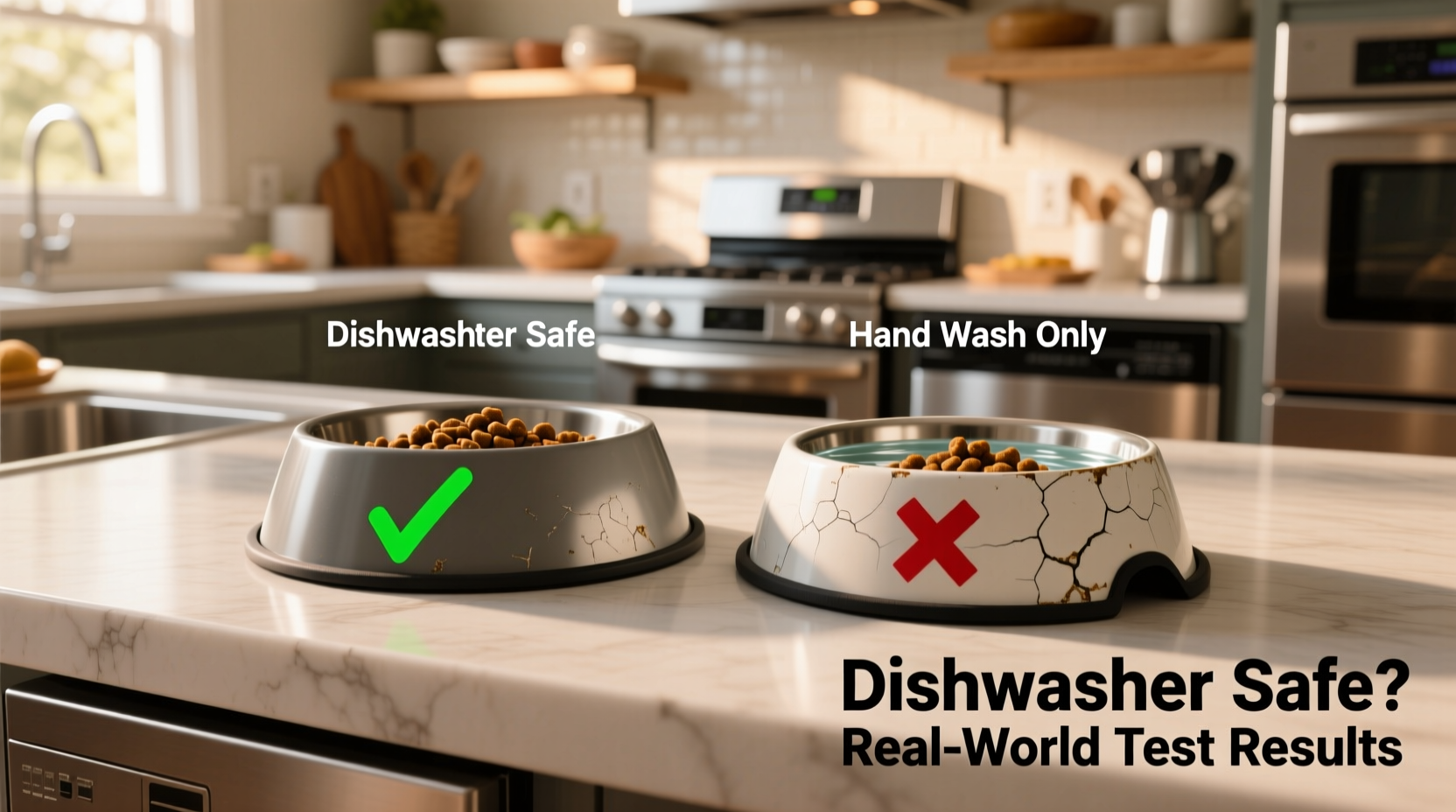
The term “dishwasher safe” seems simple, but it doesn’t mean all materials respond the same way over time. Manufacturers typically test products under controlled conditions—usually one or two cycles—not the repeated exposure most households deliver weekly. Stainless steel, ceramic, and certain high-grade plastics are commonly labeled dishwasher safe, but their real-world performance varies.
Stainless steel generally holds up well, resisting warping and corrosion. Ceramic bowls may crack under thermal stress if moved from hot to cold environments too quickly. Plastics, even those labeled safe, can degrade, discolor, or retain odors after multiple cycles. Always check not only the label but also the manufacturer’s care instructions for temperature limits and rack placement (top rack only, for example).
Tip: Even if labeled dishwasher safe, inspect your dog’s bowl monthly for signs of wear—scratches, cloudiness, or warping—which can harbor bacteria.Hygiene: Is the Dishwasher Really Cleaner?
At first glance, dishwashers seem superior for sanitation. They use hot water (typically 130–170°F) and detergent to remove food residue and kill microbes. However, effectiveness depends on proper loading, water pressure, and cycle selection. If the bowl is placed where water doesn’t reach, or if food is left to dry overnight, the cleaning result may be no better than a rushed hand wash.
Hand washing, when done correctly, can be equally effective. Using hot, soapy water and a dedicated pet-bowl brush removes biofilm—the slimy layer of bacteria that clings to surfaces. A study by NSF International found that 68% of pet bowls tested harbored coliform bacteria, regardless of cleaning method, primarily due to inconsistent or incomplete cleaning habits.
“Many people assume the dishwasher does all the work, but if the bowl isn’t pre-rinsed or properly positioned, contamination risk remains high.” — Dr. Laura Bennett, Veterinary Public Health Specialist
Material Comparison: What Works Best in the Dishwasher?
| Material | Dishwasher Safe? | Pros | Cons |
|---|---|---|---|
| Stainless Steel | Yes (top rack) | Durable, non-porous, resists bacteria | Can dent; noisy if thin-gauge |
| Ceramic | Sometimes | Heavy, stable, aesthetically pleasing | Prone to cracking; glaze may chip |
| Plastic | Rarely recommended long-term | Lightweight, inexpensive | Scratches easily, absorbs odors, degrades |
| Silicone | Most are safe | Foldable, lightweight, flexible | May wobble during meals; lower stability |
| Melamine | No | Bright colors, shatter-resistant | Releases harmful chemicals when heated |
For long-term use, stainless steel remains the top recommendation among veterinarians and pet care experts. It withstands both dishwasher heat and frequent hand washing without compromising integrity.
A Real-Life Example: One Owner’s Experience
Sarah, a Boston Terrier owner from Portland, switched to dishwasher-safe stainless steel bowls two years ago. She runs them on the top rack every night after dinner. Initially thrilled with the time saved, she noticed small scratches forming after six months. Concerned about bacterial buildup, she had her bowls swab-tested through a local pet wellness clinic. Results showed elevated levels of Pseudomonas, likely due to micro-abrasions from contact with other dishes.
She reverted to hand washing with a soft sponge and pet-safe cleaner, sanitizing once a week with a vinegar-water soak. Her vet confirmed improved hygiene in follow-up tests. “I gained time at first,” she said, “but lost peace of mind. Now I spend two extra minutes a day and feel confident my dog isn’t exposed to hidden germs.”
Step-by-Step: Best Practices for Cleaning Dog Bowls
Whether you choose the dishwasher or sink, consistency and technique matter most. Follow this routine for optimal hygiene:
- Scrape and rinse immediately after meals to prevent food from drying.
- Use a dedicated brush or sponge—never share kitchen sponges with human dishes.
- Wash with hot, soapy water or load into the dishwasher (if labeled safe).
- Sanitize weekly using a solution of 1 part white vinegar to 3 parts water, or a diluted bleach mix (1 tablespoon per gallon), rinsing thoroughly afterward.
- Air-dry completely before refilling—moisture encourages mold and bacteria.
When Hand Washing Wins
The dishwasher offers convenience, but hand washing provides control. You can inspect every inch of the bowl, adjust scrubbing pressure, and avoid cross-contamination with dirty cookware. For puppies, senior dogs, or pets with weakened immune systems, minimizing bacterial exposure is critical. Hand washing allows for more thorough attention to detail.
Additionally, many premium or specialty bowls—such as elevated feeders, slow-feed models, or collapsible travel bowls—are not designed for dishwasher use. Attempting to clean them this way can void warranties or damage structural components.
Checklist: Choosing Your Cleaning Method
- ✅ Confirm the bowl’s material and manufacturer guidelines
- ✅ Inspect for cracks, scratches, or warping regularly
- ✅ Use a separate sponge or brush designated only for pet items
- ✅ Sanitize at least once a week, regardless of method
- ✅ Ensure complete drying before reuse
- ✅ Monitor your dog for signs of irritation or infection (e.g., chin acne, bad breath)
Frequently Asked Questions
Can I put any “dishwasher-safe” bowl on the bottom rack?
No. Most manufacturers recommend the top rack only, where temperatures are slightly lower and water pressure less intense. The bottom rack exposes items to direct heat from the heating element, increasing the risk of warping—especially for plastic or silicone.
How often should I replace my dog’s bowl?
Replace stainless steel bowls only if heavily dented or cracked. Ceramic should be replaced if chipped or cracked. Plastic bowls should be replaced every 6–12 months, even if they appear intact, due to microscopic scratching that traps bacteria.
Does dish soap harm my dog if residue remains?
Yes, some dish soaps contain degreasers or fragrances toxic to dogs. Always rinse thoroughly. Consider using a pet-safe, plant-based cleaner if you’re concerned about chemical exposure.
Final Verdict: Convenience vs. Control
Dishwasher-safe dog bowls offer undeniable convenience, especially for busy households. But convenience shouldn’t override safety. If you choose the dishwasher, commit to proper loading, regular inspection, and weekly sanitization. For maximum hygiene and longevity, hand washing with attention to detail remains the gold standard.
The truth is, the best method depends on your lifestyle, your dog’s health needs, and the quality of the bowl. There’s no universal winner—only what works best for your home and your pet.
💬 What’s your dog bowl routine? Share your tips, struggles, or favorite products in the comments—your experience could help another pet owner make a smarter choice today.