Boiling water may seem like a simple task, but in fast-paced households and busy mornings, the right kettle can make all the difference. Whether you're preparing morning tea, instant coffee, oatmeal, or baby bottles, a high-performance kettle reduces waiting time, improves safety, and streamlines your routine. Not all kettles are created equal—some heat faster, some offer smarter controls, and others prioritize durability and design. Understanding what sets the best apart helps you invest wisely in convenience, efficiency, and long-term satisfaction.
Why Your Kettle Choice Matters More Than You Think
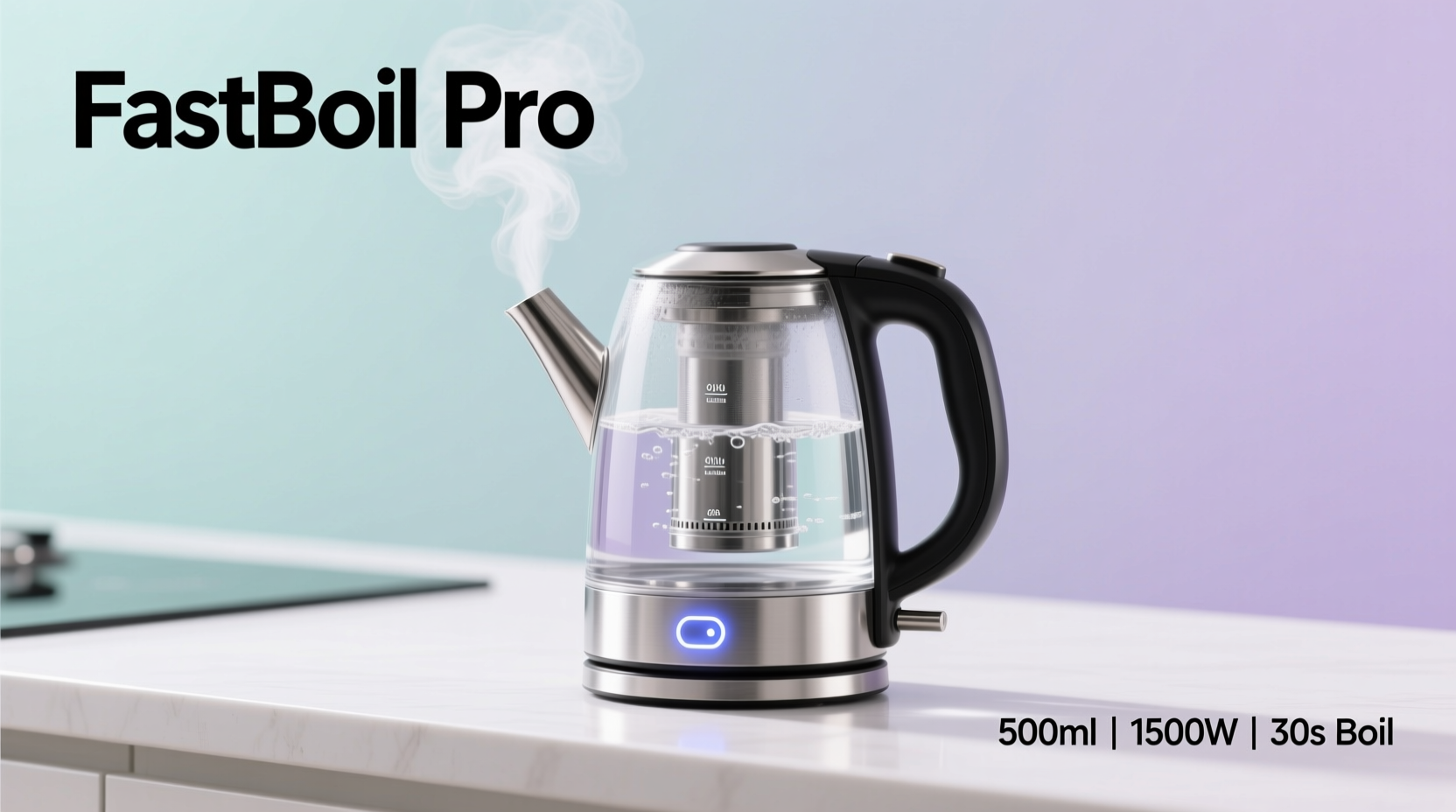
The average person boils water several times a week, often during critical moments—rushing to start the day, soothing a sore throat, or preparing meals. A slow or unreliable kettle disrupts that flow. The best kettles combine rapid heating, precise temperature control, ease of use, and safety features that prevent accidents. Electric kettles, in particular, outperform stovetop models by boiling water up to 50% faster and offering automatic shut-off, boil-dry protection, and variable heat settings ideal for different beverages.
According to the Energy Saving Trust, electric kettles are more energy-efficient than stovetop versions because they transfer heat directly to the water with minimal loss. However, efficiency also depends on capacity, material quality, and user habits—like only boiling the amount of water needed.
“Choosing the right kettle isn’t just about speed—it’s about integrating smart functionality into daily rituals without friction.” — Dr. Lena Patel, Home Appliance Researcher at the Institute for Sustainable Living
Key Features of the Best Quick-Boil Kettles
To identify the best kettle for hassle-free performance, focus on these essential characteristics:
- Heating Power (Wattage): Look for kettles rated between 1500–3000 watts. Higher wattage means faster boiling—some models bring water to a boil in under 90 seconds.
- Variable Temperature Settings: Ideal for tea enthusiasts who need specific temperatures: 80°C for green tea, 90–95°C for oolong, and 100°C for black tea or coffee.
- Automatic Shut-Off & Boil-Dry Protection: Safety features that turn off the kettle when water reaches boiling point or if it runs dry.
- Cordless Design with 360° Base: Allows easy pouring from any angle and reduces clutter.
- Material Quality: Stainless steel resists stains and lasts longer; glass lets you monitor water levels; BPA-free plastic is lightweight but less durable.
- Capacity: Most kettles range from 1 to 1.7 liters. Choose based on household size—larger families benefit from higher capacity, while singles may prefer compact models.
- Filter Quality: A removable mesh filter prevents limescale and impurities from entering your cup, especially important in hard water areas.
Top Kettle Types Compared
| Kettle Type | Boil Time (Average) | Energy Efficiency | Best For | Lifespan Estimate |
|---|---|---|---|---|
| Stainless Steel Electric | 2–3 minutes | High | Durability, frequent use | 5–7 years |
| Temperature-Controlled (Gooseneck) | 3–4 minutes | Medium-High | Pour-over coffee, specialty tea | 4–6 years |
| Plastic Electric | 2–2.5 minutes | Medium | Budget users, light use | 2–3 years |
| Stovetop Kettle | 5–7 minutes | Low-Medium | Gas stove users, minimalist kitchens | 8+ years (if stainless or copper) |
| Cordless Glass Kettle | 2.5–3.5 minutes | High | Style-conscious buyers, visual monitoring | 3–5 years |
Real-World Example: How a Better Kettle Transformed a Morning Routine
Sarah, a nurse working early shifts, used to rely on a basic stovetop kettle. Her mornings were chaotic—waiting nearly seven minutes for water to boil while juggling breakfast prep and packing her bag. After switching to a 3000-watt stainless steel electric kettle with keep-warm and variable temperature settings, she cut her boiling time in half. She now starts her day with a perfectly brewed green tea at 80°C before heading out the door. “It sounds small,” she says, “but saving five minutes and not worrying about forgetting the kettle has reduced my morning stress significantly.”
Step-by-Step Guide to Choosing Your Ideal Kettle
- Assess Your Daily Needs: Do you make tea, coffee, or instant meals? How many people use the kettle?
- Determine Capacity: For one or two people, 1–1.2L is sufficient. Larger households should consider 1.5L or more.
- Check Wattage: Opt for at least 1500W; 2500W+ for fastest results.
- Evaluate Safety Features: Confirm auto shut-off, boil-dry protection, and a secure lid lock.
- Test Ergonomics: Handle comfort, lid opening mechanism, and water window visibility matter for daily use.
- Consider Smart Features: Some premium models connect to apps or offer preset programs for different drinks.
- Review Maintenance Requirements: Removable filters and wide openings make cleaning easier.
- Compare Warranties: Reputable brands offer 2-year warranties or longer, reflecting confidence in build quality.
Essential Kettle Buying Checklist
Before purchasing, ensure your kettle meets these criteria:
- ☑ Rapid boil time (under 3 minutes for 1L)
- ☑ Auto shut-off and boil-dry protection
- ☑ Cordless design with 360° swivel base
- ☑ Removable scale filter
- ☑ Clear water level indicator (visible from multiple angles)
- ☑ Comfortable, non-slip handle
- ☑ Easy-to-clean interior (wide mouth or detachable parts)
- ☑ Variable temperature options (if you brew tea or pour-over coffee)
- ☑ BPA-free materials (especially for plastic components)
- ☑ At least a 2-year manufacturer warranty
Frequently Asked Questions
Can I use an electric kettle for purposes other than boiling water?
While primarily designed for water, some users safely prepare instant soups, oatmeal, or noodles. However, avoid adding ingredients directly into the kettle unless specified by the manufacturer. Residue can damage heating elements and void warranties.
Are glass kettles safe compared to metal ones?
Yes, modern glass kettles use heat-resistant borosilicate glass and have built-in safety shut-offs. They’re safe as long as handled properly and not exposed to sudden temperature shocks (e.g., cold water added to a hot kettle).
How do I know when it’s time to replace my kettle?
Replace your kettle if you notice persistent limescale buildup despite descaling, slow boiling times, strange noises, leaks, or failure to shut off automatically. These signs indicate declining performance or potential hazards.
Final Thoughts: Make Every Boil Count
The best kettle for quick, hassle-free boiling and brewing blends speed, safety, and simplicity. It fits seamlessly into your lifestyle, reducing friction in daily rituals and delivering consistent results. Whether you're a tea connoisseur, a coffee lover, or simply someone who values efficiency, investing in a high-quality electric kettle pays dividends in time saved, energy conserved, and peace of mind gained.
Don’t settle for a kettle that slows you down. Evaluate your needs, prioritize key features, and choose a model that supports your rhythm. A few extra pounds upfront can save hours over the years—and transform a mundane task into a moment of effortless convenience.
🚀 Ready to upgrade your kitchen experience? Review your current kettle against the checklist above and explore top-rated models today. Share your favorite boiling hacks or recommend your go-to brand in the comments!