Roasted red potatoes are a staple in kitchens across North America and Europe, prized for their vibrant color, creamy texture, and ability to develop a crisp, golden crust when roasted. More than just a side dish, they serve as a versatile foundation for breakfast hashes, grain bowls, salads, and holiday feasts. Achieving consistent results—crisp edges without drying out the interior—requires understanding the science behind roasting, selecting the right potato variety, and mastering timing and temperature. This guide delivers professional techniques, ingredient insights, and practical tips to elevate your roasted red potatoes from ordinary to exceptional.
Definition & Overview
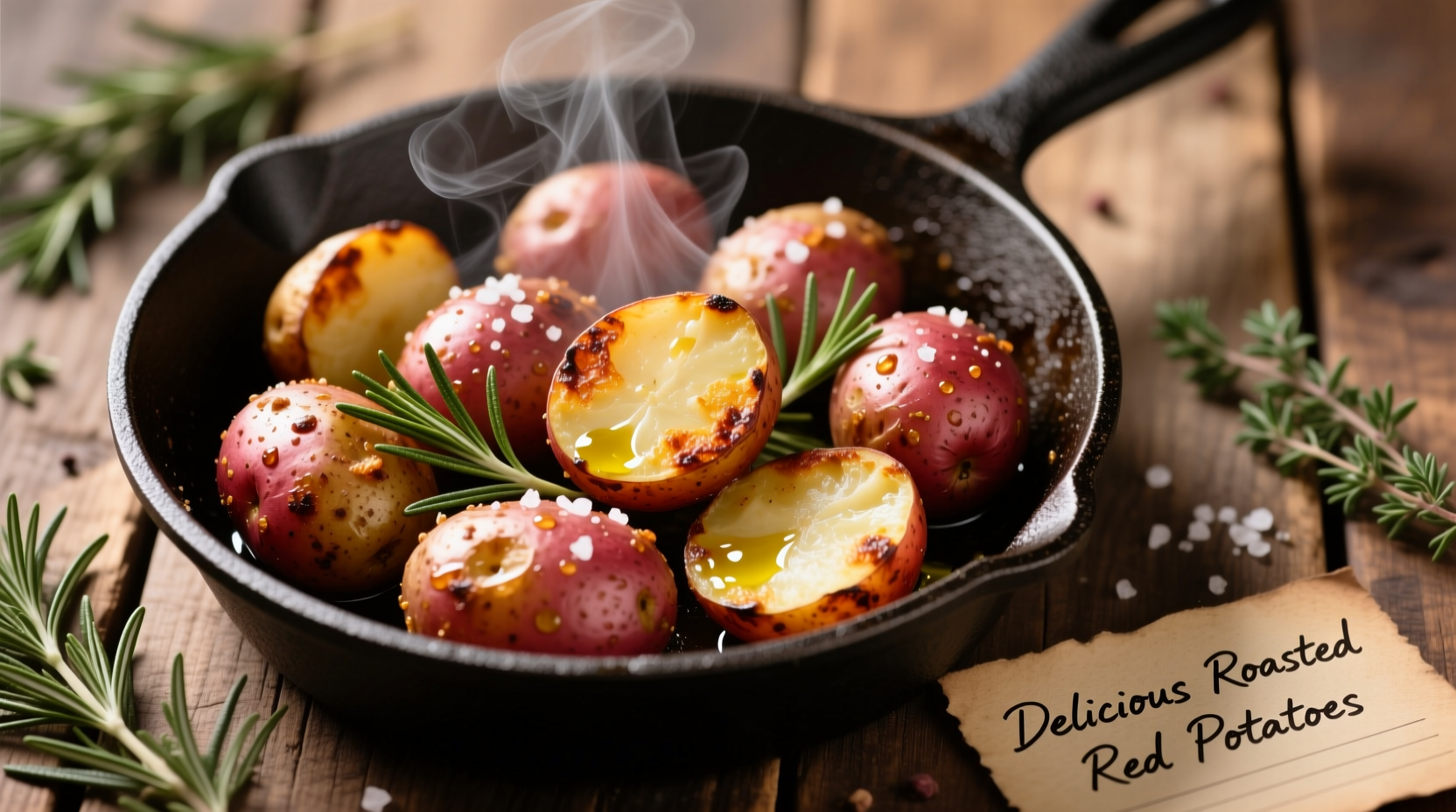
Red potatoes are a category of waxy potato characterized by thin, smooth red skin and firm, low-starch flesh. When roasted, they retain their shape better than starchy varieties like russets, making them ideal for high-heat cooking methods where structure matters. Roasting transforms their natural sugars through caramelization and the Maillard reaction, creating complex flavor notes ranging from subtly sweet to deeply savory.
Unlike mashed or boiled preparations that emphasize softness, roasting aims for contrast: a slightly crisp exterior yielding to a moist, fluffy center. The process is simple in concept but nuanced in execution. Factors such as cut size, oil type, seasoning method, oven temperature, and pan choice all influence the final outcome. Whether you're preparing a weeknight dinner or a Sunday roast, mastering this technique ensures a reliable, crowd-pleasing result.
Key Characteristics of Red Potatoes
Understanding the inherent qualities of red potatoes helps explain why they perform exceptionally well in roasting applications. Below is a breakdown of their essential traits:
| Characteristic | Description |
|---|---|
| Flavor Profile | Mildly sweet with earthy undertones; becomes richer and nuttier when roasted. |
| Aroma | Clean, vegetal when raw; develops warm, toasted notes when cooked. |
| Texture (Raw) | Firm, dense, and waxy due to moderate moisture and low starch content. |
| Texture (Roasted) | Exterior crisps beautifully; interior remains tender and cohesive. |
| Skin Color/Form | Bright red skin, oval to oblong shape; typically 2–4 inches long. |
| Culinary Function | Ideal for roasting, boiling, steaming, grilling, and use in cold salads. |
| Shelf Life | 3–4 weeks in a cool, dark, well-ventilated space (not refrigerated). |
| Heat Tolerance | Withstands prolonged roasting (350°F–450°F) without disintegrating. |
Practical Usage: How to Roast Red Potatoes Perfectly
The goal of roasting red potatoes is to maximize surface browning while preserving internal moisture. Follow these steps for consistently excellent results.
- Select Uniform Tubers: Choose red potatoes of similar size—about 2 to 3 inches in diameter—to ensure even cooking. Avoid sprouted, green, or bruised specimens.
- Wash and Dry Thoroughly: Scrub skins under running water to remove dirt. Pat dry completely—wet surfaces inhibit browning.
- Cut Strategically: Leave small potatoes whole. Larger ones can be halved or quartered, depending on desired bite size. Aim for pieces between 1.5 and 2 inches across.
- Toss with Oil and Seasoning: Use 1–2 tablespoons of high-smoke-point oil per pound of potatoes. Recommended oils include avocado, refined olive, or grapeseed. Add salt, pepper, and optional herbs at this stage.
- Preheat the Pan (Optional Pro Tip): For faster searing, place an empty rimmed baking sheet in the oven while preheating. Transfer oiled potatoes directly onto the hot surface.
- Roast at High Heat: Bake at 425°F (220°C) for 35–45 minutes, flipping halfway through. Rotate the pan if your oven has hot spots.
- Check for Doneness: Insert a paring knife into the center of a piece. It should slide in easily with no resistance. Edges should be golden brown and slightly crisp.
Pro Tip: For extra-crispy results, parboil potatoes for 5–7 minutes before roasting. This gelatinizes surface starches, allowing them to caramelize more effectively during roasting. Drain well, rough up the edges by shaking the colander gently, then toss with oil and roast immediately.
Seasoning Combinations & Pairings
While salt and pepper form the baseline, red potatoes absorb flavors gracefully. Consider these pairings based on meal context:
- Classic Herbs: Rosemary, thyme, garlic powder, and parsley—ideal with roasted chicken or steak.
- Mediterranean: Oregano, lemon zest, crushed feta, and Kalamata olives after roasting.
- Spicy Southwest: Smoked paprika, cumin, chili powder, and cilantro; serve alongside grilled fish or tacos.
- Breakfast Style: Toss with diced onions, bell peppers, and smoked paprika; finish with cheddar and a fried egg on top.
Always add delicate fresh herbs (like parsley or dill) after roasting to preserve brightness. Dried herbs benefit from being mixed with oil first to rehydrate and release flavor.
Variants & Types of Red Potatoes
Not all red-skinned potatoes are identical. Different cultivars offer subtle variations in texture, moisture, and performance. Knowing the differences helps tailor your selection to the recipe.
| Type | Characteristics | Best Use Case |
|---|---|---|
| Red Bliss | Most common; very waxy, creamy yellow flesh, retains shape extremely well. | Salads, boiling, roasting, gratins. |
| Red Norland | Slightly less waxy than Red Bliss; earlier harvest season, thinner skin. | Early summer roasting, new potato dishes. |
| Yukon Gold (Not Red-Skinned) | Yellow skin and flesh; medium starch level; often confused with reds. | Mashing, roasting, soups—less structural integrity than true reds. |
| French Fingerling | Elongated, red-purple skin, firm texture, nutty taste. | High-end roasting, gourmet plating, herb-infused oils. |
| White Rose | Pink blush on white skin; hybrid of red and white types. | All-purpose, especially where milder flavor is preferred. |
For standard home roasting, **Red Bliss** remains the gold standard due to its superior heat stability and balanced moisture content.
Comparison with Similar Ingredients
Red potatoes are frequently substituted or mistaken for other varieties. Understanding the distinctions prevents culinary missteps.
| Ingredient | Differences from Red Potatoes | When to Use Instead |
|---|---|---|
| Russet Potatoes | Thick brown skin, high starch, fluffy interior when cooked; prone to breaking when roasted unless handled carefully. | Baking, frying, mashing—use when fluffiness is desired. |
| Yukon Gold | Yellow skin/flesh, buttery flavor, medium starch; browns well but less structural integrity than reds. | Rustic roasting, creamy soups, hybrid uses. |
| Sweet Potatoes | Higher sugar content, orange or purple flesh, softer texture; burns more easily at high heat. | Sweet profiles, autumn dishes, vegetarian mains. |
| Fingerling Potatoes | Includes red, purple, and yellow types; denser, more flavorful, pricier. | Gourmet presentations, specialty meals. |
Substituting russets for reds in a roasted application will yield drier, crumblier results unless coated heavily in fat. Sweet potatoes require lower temperatures (around 400°F) and shorter times to avoid scorching.
Practical Tips & FAQs
What’s the best oil for roasting red potatoes?
Use oils with a smoke point above 400°F. Avocado oil (smoke point ~520°F) is optimal. Refined olive oil (~465°F) works well and adds mild fruitiness. Avoid extra virgin olive oil for high-heat roasting—it degrades and turns bitter.
Can I roast red potatoes ahead of time?
Yes, but with caveats. Fully roast and cool, then refrigerate in an airtight container for up to 3 days. Re-crisp in a 400°F oven for 10–12 minutes before serving. Do not freeze—texture deteriorates due to water crystallization.
Why are my roasted potatoes soggy?
Common causes include overcrowding the pan (creates steam), using too much oil, insufficient preheating, or failing to dry the potatoes before oiling. Spread in a single layer with space between pieces for airflow.
Should I peel red potatoes before roasting?
No. The skin contains fiber, nutrients, and contributes to texture and visual appeal. It becomes pleasantly crisp during roasting. Always wash thoroughly if leaving skin on.
How much seasoning per pound of potatoes?
Standard ratio: ¾ tsp kosher salt, ¼ tsp black pepper, 1–2 tbsp oil per pound (450g). Adjust upward for bold flavors or when adding acidic components like vinegar or citrus juice.
Can I use a convection oven?
Yes—and it's recommended. Convection promotes even browning and faster crisping. Reduce temperature by 25°F (e.g., set to 400°F instead of 425°F) and check 5–10 minutes earlier than usual.
Storage Tip: Store uncooked red potatoes in a cool, dark, dry place—never in the refrigerator. Cold temperatures convert starch to sugar, leading to overly browned exteriors and off-flavors when roasted.
\"The secret to great roasted potatoes isn’t just heat—it’s patience. Let them sit undisturbed for the first 20 minutes. That’s when the crust forms. Flipping too early tears the surface and traps moisture.\" — Chef Elena Torres, Culinary Instructor, Pacific Culinary Institute
Summary & Key Takeaways
Roasted red potatoes are more than a simple side—they are a study in balance between texture, temperature, and timing. Their naturally waxy composition makes them uniquely suited to high-heat roasting, delivering a crisp exterior and tender interior without falling apart.
Success hinges on several non-negotiable principles: selecting uniform red Bliss or Red Norland potatoes, cutting evenly, drying thoroughly, using the right oil, avoiding overcrowding, and roasting at 425°F with minimal disturbance. Parboiling enhances crispness for special occasions, while herb and spice pairings allow endless customization across cuisines.
Unlike starchy russets or sugary sweet potatoes, red potatoes excel in applications where structure and subtlety matter—from brunch hashes to elegant dinner accompaniments. They outperform many alternatives in cold salads and reheated dishes due to their stable texture.
By applying the techniques outlined here—preheating pans, using convection when available, seasoning strategically, and storing properly—you ensure repeatable, restaurant-quality results every time. Whether feeding a family or impressing guests, perfectly roasted red potatoes remain one of the most satisfying achievements in everyday cooking.
Ready to Level Up? Try finishing your roasted red potatoes with a drizzle of warmed garlic-infused oil and a sprinkle of flaky sea salt. The contrast in texture and flavor elevates even the simplest meal.