Perfectly cooked potatoes are a cornerstone of countless meals—whether mashed, roasted, or served as a side. Yet achieving that ideal texture—tender without being mushy, evenly cooked from center to skin—can be elusive with traditional stovetop or oven methods. Enter the Instant Pot: a pressure cooker that transforms humble spuds into consistently flawless results in under 20 minutes. From russets to Yukon Golds, baby potatoes to sweet varieties, the Instant Pot handles them all with precision, locking in moisture and flavor while drastically reducing cook time. This guide delivers tested, professional-grade techniques and recipes that elevate everyday potatoes into standout dishes, complete with seasoning strategies, pairing suggestions, and storage insights for home cooks seeking reliability and depth of flavor.
Definition & Overview
Potatoes are tuberous root vegetables belonging to the nightshade family (*Solanaceae*), scientifically known as *Solanum tuberosum*. Native to the Andes region of South America, they were domesticated over 7,000 years ago and have since become a global staple due to their versatility, caloric density, and adaptability to diverse climates. In modern cuisine, potatoes serve both as a vegetable and a starch, forming the base of countless comfort foods, side dishes, and even main courses.
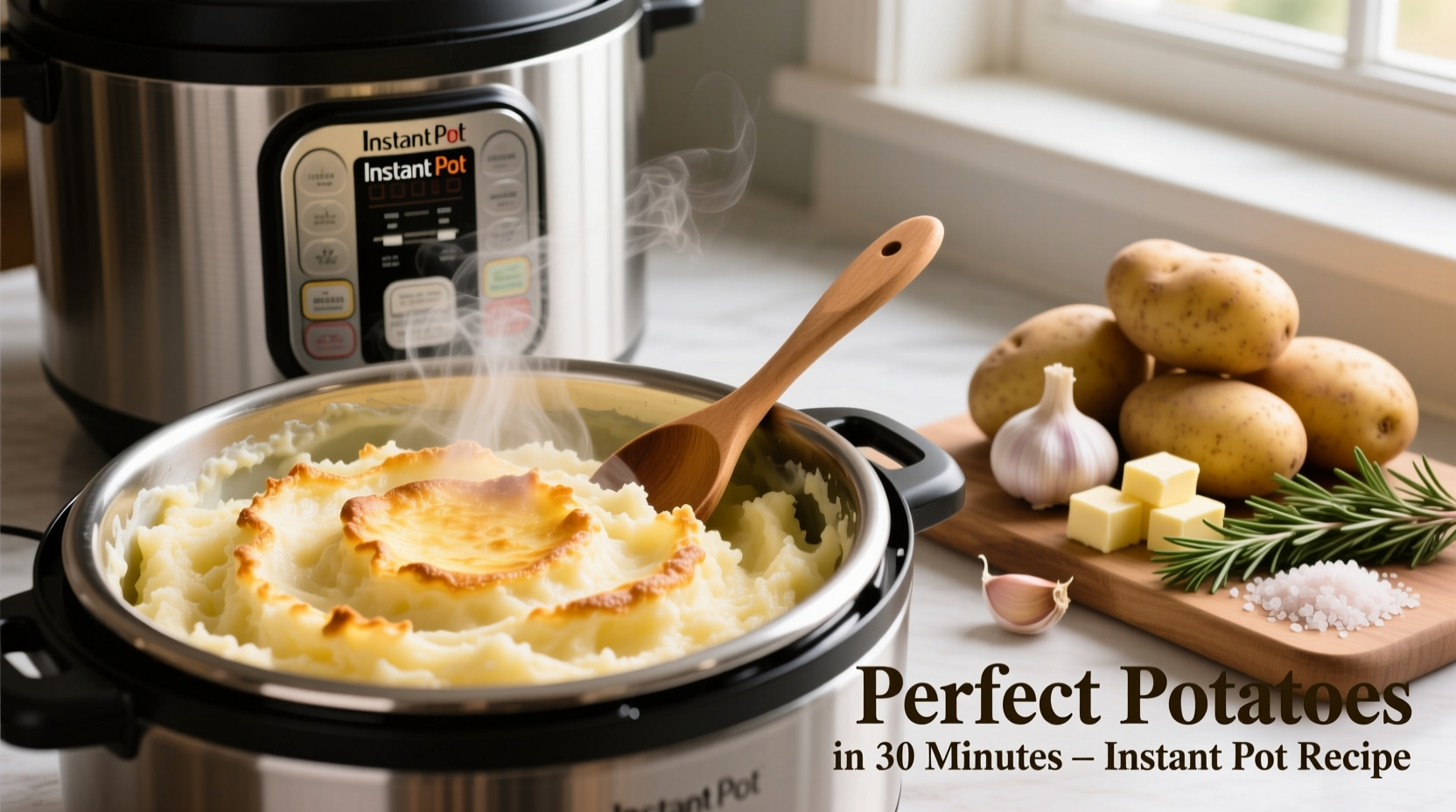
The Instant Pot—a multi-functional electric pressure cooker—has redefined how home cooks prepare potatoes. By using high-pressure steam, it accelerates the cooking process by forcing moisture and heat deep into the potato’s cellular structure, resulting in rapid gelatinization of starches. This method yields uniformly tender flesh while preserving natural flavors better than boiling, which leaches nutrients and taste into water. Whether you're preparing whole baked potatoes, diced cubes for mashing, or halved baby potatoes for roasting, the Instant Pot offers unparalleled control and efficiency.
Key Characteristics of Potatoes in Pressure Cooking
Different potato varieties respond uniquely to pressure cooking. Understanding their inherent traits ensures optimal results:
| Variety | Texture After Cooking | Best Use in Instant Pot | Starch Level | Flavor Profile |
|---|---|---|---|---|
| Russet | Fluffy, dry | Baked potatoes, mashed | High | Earthy, mild, slightly sweet |
| Yukon Gold | Creamy, moist | Mashed, soups, stews | Medium | Buttery, rich, balanced |
| Red Bliss | Firm, waxy | Salads, steamed sides | Low | Slightly peppery, clean |
| Fingerling | Dense, holds shape | Roasted, sautéed after pre-cooking | Low–Medium | Nutty, earthy, complex |
| Sweet Potato | Soft, velvety | Baked, pureed, candied | Medium (different starch type) | Sweet, caramel-like, floral |
These characteristics directly influence how each variety behaves under pressure. High-starch potatoes like Russets break down more readily, making them ideal for mashing but prone to disintegration if overcooked. Waxy types such as Red Bliss retain their shape beautifully, perfect for salads where texture integrity is essential.
Practical Usage: How to Cook Potatoes in the Instant Pot
The foundation of any successful Instant Pot potato dish lies in proper preparation and timing. Follow these universal steps for consistent results:
- Wash and prep: Scrub potatoes thoroughly. Peel only if desired (skin adds fiber and texture). For whole potatoes, pierce skins 2–3 times with a fork to prevent bursting.
- Use a trivet: Place a stainless steel trivet at the bottom of the pot. Add 1 cup of water or broth (never exceed manufacturer’s max line).
- Arrange potatoes: Set potatoes on the trivet in a single layer. Avoid stacking to ensure even steam circulation.
- Select pressure setting: Use “Manual” or “Pressure Cook” mode on High Pressure.
- Cook times (for whole medium potatoes, ~6–8 oz):
- Russet: 15 minutes + 10-minute natural release
- Yukon Gold: 12 minutes + 5-minute natural release
- Red Bliss: 10 minutes + quick release
- Sweet Potato: 13 minutes + 10-minute natural release
- Check doneness: Insert a knife or skewer. It should slide in smoothly with no resistance.
Pro Tip: For extra-flavorful results, replace water with vegetable or chicken broth. Add a bay leaf, garlic clove, or sprig of rosemary to the liquid for aromatic infusion without overpowering the potato’s natural taste.
Recipe 1: Fluffy Instant Pot Mashed Potatoes
Yield: 6 servings
Prep Time: 10 minutes | Cook Time: 12 minutes | Total Time: 25 minutes
Ingredients:
- 2.5 lbs Yukon Gold potatoes, peeled and quartered
- 1 cup whole milk or half-and-half, warmed
- ½ cup unsalted butter, cubed
- 1 tsp kosher salt (plus more to taste)
- ¼ tsp white pepper
- Optional: ⅓ cup sour cream or cream cheese for richness
Instructions:
- Add 1 cup water to the Instant Pot. Place trivet inside.
- Put potato quarters on the trivet. Secure lid and set to High Pressure for 6 minutes.
- Allow a full 10-minute natural pressure release before performing a quick release for any remaining pressure.
- Remove potatoes and drain well. Transfer to a large bowl.
- Add warm milk, butter, salt, and pepper. Mash with a hand masher or potato ricer until smooth. Fold in sour cream if using.
- Taste and adjust seasoning. Serve immediately, garnished with chives or grated Parmesan.
This technique prevents waterlogging—common in boiled versions—by minimizing direct contact with liquid. The result is luxuriously creamy mashed potatoes with bright, clean flavor.
Recipe 2: Garlic-Herb Baby Potatoes
Yield: 4 servings
Ideal for meal prep or as a side to grilled proteins.
Ingredients:
- 1.5 lbs baby red or yellow potatoes, halved
- 3 tbsp olive oil
- 4 garlic cloves, minced
- 1 tbsp fresh rosemary, chopped
- 1 tbsp fresh thyme leaves
- 1 tsp sea salt
- ½ tsp black pepper
- ½ lemon, juiced (optional)
Instructions:
- Toss halved potatoes with 1 tbsp olive oil, salt, and pepper. Place on trivet over 1 cup water.
- Cook on High Pressure for 8 minutes. Quick release.
- Transfer potatoes to a bowl. While still hot, toss with remaining olive oil, garlic, herbs, and lemon juice.
- For added crispness, spread on a baking sheet and broil for 5–7 minutes.
This hybrid method—pressure cook then finish under heat—delivers tender interiors with a lightly charred exterior, mimicking roasted texture in a fraction of the time.
Recipe 3: Sweet Potatoes with Maple-Cinnamon Glaze
A naturally sweet side that pairs well with holiday meals or weeknight grain bowls.
Ingredients:
- 2 large sweet potatoes, peeled and cut into 1-inch chunks
- 1 cup water
- 2 tbsp maple syrup
- 1 tsp ground cinnamon
- ¼ tsp nutmeg
- 2 tbsp butter
- Pinch of salt
Instructions:
- Place sweet potato pieces on trivet over 1 cup water.
- Cook on High Pressure for 10 minutes. Allow 10-minute natural release.
- In a saucepan, combine maple syrup, cinnamon, nutmeg, butter, and salt. Warm gently until blended.
- Toss cooked sweet potatoes in glaze. Serve warm.
The pressure method preserves vibrant orange color and maximizes sweetness through controlled starch conversion, avoiding the cloying texture of slow-roasted versions.
Variants & Types: Choosing the Right Potato
Not all potatoes are interchangeable. Their cell structure and moisture content determine how they behave under pressure:
- Starchy Potatoes (Russet, Idaho): High amylose content makes them ideal for fluffy textures. Best used for baking, mashing, or frying. Break down easily, so avoid long cook times or vigorous stirring.
- Waxy Potatoes (Red Bliss, New Potatoes, Fingerlings): Low starch, high moisture. Hold shape well during cooking. Excellent for salads, pickling, or dishes requiring firm texture.
- All-Purpose (Yukon Gold, Kennebec): Balanced starch and moisture. Versatile across applications—mashing, boiling, roasting, soups. Often considered the gold standard for pressure cooking due to consistent performance.
- Sweet Potatoes & Yams: Technically not true potatoes, these roots contain different starches (amylopectin-rich) and sugars. Respond well to pressure but require careful timing to avoid gumminess.
When selecting potatoes, look for firm skins free of green spots, sprouts, or soft bruises. Store in a cool, dark, ventilated area—never refrigerate, as cold temperatures convert starch to sugar, leading to off-flavors and discoloration when cooked.
Comparison with Similar Ingredients
Potatoes are often confused with other root vegetables or starch sources. Here's how they differ in function and outcome:
| Ingredient | Texture When Cooked | Flavor | Instant Pot Suitability | Substitution Notes |
|---|---|---|---|---|
| Potato (Russet) | Fluffy, absorbent | Neutral, earthy | Excellent | Base for most savory starch dishes |
| Sweet Potato | Soft, moist | Sweet, floral | Very Good | Not interchangeable in savory recipes unless adjusted for sugar/fat |
| Turnip | Firm, slightly fibrous | Pungent, peppery | Good | Adds bite; use in mixed root medleys |
| Daikon Radish | Crisp-tender | Sharp, clean | Fair | Loses structure faster; reduce cook time by 3–5 minutes |
| Plantain | Dense, starchy (when green) | Sweet (ripe), neutral (green) | Conditional | Requires longer cooking; higher liquid needed |
Unlike turnips or daikon, which release sulfur compounds when cooked, potatoes remain mild and adaptable. Their ability to absorb fats, dairy, and seasonings makes them superior vehicles for flavor development in composite dishes.
Practical Tips & FAQs
Can I cook frozen potatoes in the Instant Pot?
Yes, but adjust time accordingly. Frozen diced potatoes require 8–10 minutes on High Pressure with 1 cup water. Do not thaw first—this helps maintain texture. Avoid using frozen whole potatoes, as uneven thawing leads to mushy exteriors and hard centers.
Why did my potatoes turn out watery?
This typically occurs when potatoes are submerged in liquid instead of steamed. Always use the trivet and limit water to 1 cup. Excess moisture can also come from overmixing mashed potatoes, which releases too much starch and creates a gummy consistency.
How do I store leftover cooked potatoes?
Cool within two hours and refrigerate in an airtight container for up to 4 days. Reheat in a covered dish at 350°F (175°C) with a splash of milk to restore moisture. Avoid microwaving plain potatoes—they become rubbery.
Can I double the recipe?
You can cook more potatoes at once, provided they fit in a single layer on the trivet and do not block the steam vent. However, stacking reduces airflow and causes uneven cooking. For large batches, cook in separate rounds rather than overcrowding.
Do I need to peel potatoes before pressure cooking?
No. Peeling is optional. Skin protects the flesh during cooking and adds nutritional value (fiber, potassium). Remove after cooking if preferred. For mashed potatoes, peeling beforehand ensures smoother texture.
What’s the best way to re-crisp pressure-cooked potatoes?
Spread on a parchment-lined baking sheet. Drizzle with oil and roast at 425°F (220°C) for 15–20 minutes, flipping halfway. Alternatively, pan-sear in butter or duck fat for golden crust and enhanced flavor.
Expert Insight: \"The Instant Pot doesn’t replace roasting—it complements it. Use pressure to do the heavy lifting of softening, then finish with high heat for texture and Maillard reaction. That’s the secret to restaurant-quality results at home.\" — Chef Elena Torres, Culinary Instructor, Pacific Institute of Culinary Arts
Summary & Key Takeaways
The Instant Pot revolutionizes potato preparation by delivering fast, uniform results without sacrificing flavor or texture. By understanding potato varieties—starchy, waxy, or all-purpose—home cooks can tailor methods to achieve everything from cloud-like mashed potatoes to firm salad-ready chunks. Key principles include using the trivet to prevent waterlogging, adjusting cook times based on size and type, and finishing with complementary techniques like roasting or sautéing for enhanced complexity.
Recipes such as garlic-herb baby potatoes, creamy mashed Yukon Golds, and maple-glazed sweet potatoes demonstrate the range of possibilities, proving that speed and quality are not mutually exclusive. With minimal active effort and maximum control, the Instant Pot empowers cooks to serve consistently excellent potato dishes, whether for weekday dinners or special occasions.
To master potato cooking in your Instant Pot, start with one reliable recipe, observe how your appliance performs, and gradually experiment with seasonings and finishes. Once you’ve cracked the code, you’ll wonder how you ever managed without it.