Chickpeas and sweet potatoes are two ingredients that deserve a permanent place in any home cook’s repertoire. Nutrient-dense, versatile, and deeply satisfying, they combine to create meals that are both wholesome and rich in flavor. Whether you're following a plant-based diet, seeking budget-friendly proteins, or simply aiming to add more fiber and complex carbohydrates to your plate, this dynamic duo delivers. From spiced curries to hearty grain bowls and crispy roasted snacks, the culinary possibilities are vast—and accessible to cooks of all skill levels. This guide explores how to thoughtfully pair chickpeas and sweet potatoes across global cuisines, maximize their textures and flavors, and build balanced, restaurant-quality dishes at home.
Definition & Overview
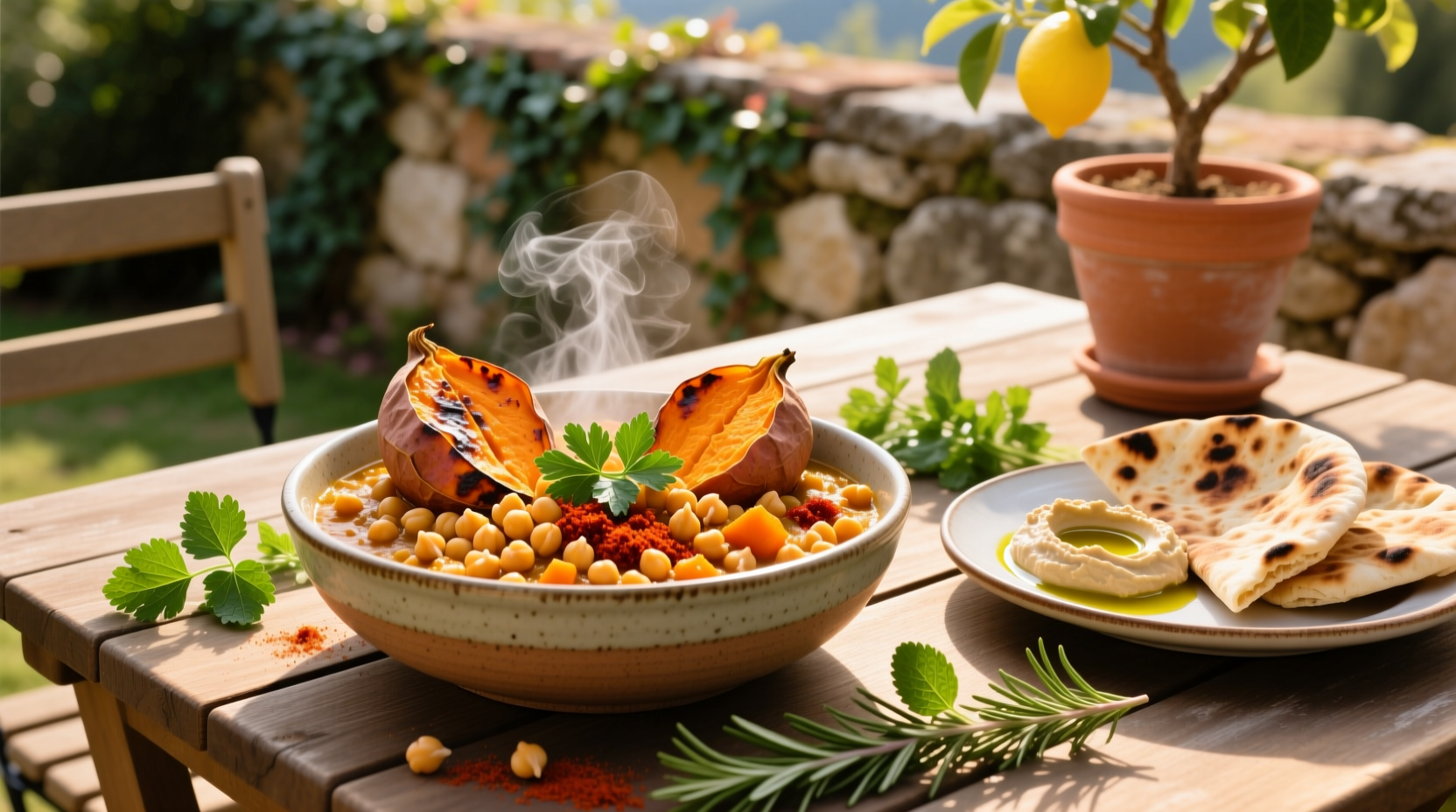
Chickpeas, also known as garbanzo beans, are legumes belonging to the Fabaceae family. Originating in the Middle East over 7,500 years ago, they are now a staple in Mediterranean, Indian, North African, and Latin American cuisines. With a nutty, earthy flavor and firm yet creamy texture when cooked, chickpeas serve as a foundational protein source in vegetarian and vegan diets.
Sweet potatoes are tuberous root vegetables from the Convolvulaceae family, native to Central and South America. Unlike yams, which are often confused with them in grocery stores, sweet potatoes have moist flesh that ranges from pale yellow to deep orange or purple. They offer a naturally sweet profile with hints of caramel and spice when roasted or baked, making them ideal for both savory and slightly sweet preparations.
When combined, chickpeas and sweet potatoes form a nutritionally complementary pair: chickpeas provide plant-based protein and fiber, while sweet potatoes contribute beta-carotene (vitamin A), complex carbohydrates, and antioxidants. Together, they create satisfying meals that stabilize blood sugar, support digestive health, and deliver sustained energy.
Key Characteristics
| Attribute | Chickpeas | Sweet Potatoes |
|---|---|---|
| Flavor Profile | Earthy, nutty, mildly bean-like | Naturally sweet, caramelized when roasted, with floral undertones |
| Texture (Cooked) | Creamy interior, firm exterior; holds shape well | Soft, moist, and tender; can be fluffy or dense depending on variety |
| Aroma | Mildly vegetal, becomes richer when sautéed or roasted | Sweet, warm, reminiscent of baked pie or roasted chestnuts |
| Color | Beige to light tan | Orange, purple, or cream flesh; skin varies from tan to reddish-brown |
| Nutritional Highlights | High in protein (15g per cup), fiber, iron, folate | Rich in vitamin A (670% DV per cup), vitamin C, potassium, antioxidants |
| Shelf Life (Raw) | Dry: years; canned: 3–5 years; cooked: 5 days refrigerated | Whole raw: 3–5 weeks in cool, dark place; cooked: 5 days refrigerated |
| Culinary Function | Protein base, thickener, binder, roasting candidate | Starchy base, natural sweetener, puree ingredient, structural component |
Practical Usage: How to Combine Chickpeas and Sweet Potatoes in Cooking
The synergy between chickpeas and sweet potatoes lies in their ability to absorb bold seasonings while maintaining distinct textures. Their contrasting flavors—earthy versus sweet—create balance, especially when enhanced with aromatic spices, herbs, acids, and fats.
Roasting for Depth and Texture
Roasting transforms both ingredients by intensifying sweetness and adding complexity through caramelization. Toss cubed sweet potatoes (½-inch pieces) and drained, dried chickpeas with olive oil, smoked paprika, cumin, garlic powder, salt, and black pepper. Spread on a parchment-lined baking sheet and roast at 400°F (200°C) for 30–35 minutes, flipping halfway, until golden and crisp-edged.
This method yields a dual-purpose component: use it warm in grain bowls or salads, or let it cool and add to wraps. The chickpeas become delightfully crunchy, while the sweet potatoes soften into tender, jammy morsels.
Pro Tip: For extra-crispy chickpeas, remove the thin outer skins after draining canned chickpeas. This allows them to dry faster and crisp up better during roasting. Simply rub them gently in a clean kitchen towel—most will slip right off.
Building Flavor Layers in Curries and Stews
In curries, sweet potatoes add body and subtle sweetness that balances spicy heat, while chickpeas contribute protein and chew. Begin by sautéing onions, garlic, and ginger in coconut oil. Add ground turmeric, coriander, cumin, and garam masala, stirring for 30 seconds to bloom the spices. Stir in diced sweet potatoes and coat evenly, then pour in crushed tomatoes and coconut milk. Simmer for 15 minutes before adding chickpeas. Cook another 10–15 minutes until sweet potatoes are tender.
Finish with fresh lime juice and chopped cilantro. Serve over basmati rice or with naan bread. This dish improves overnight as flavors meld—a hallmark of well-developed stews.
Creating Balanced Grain Bowls
Grain bowls showcase the versatility of this pairing. Start with a base of quinoa, farro, or brown rice. Top with roasted chickpeas and sweet potatoes, then layer with greens like baby kale or spinach. Add complementary elements: sliced avocado, pickled red onions, crumbled feta (optional), and a tahini-lemon dressing.
Dressing formula: whisk 3 tbsp tahini, 2 tbsp lemon juice, 1 tbsp maple syrup, 1 minced garlic clove, and warm water to desired consistency. Drizzle generously.
Transforming into Patties and Burgers
Mashed sweet potatoes bind chickpea patties without eggs. In a food processor, pulse 1.5 cups cooked chickpeas, ¾ cup mashed roasted sweet potato, ¼ cup finely chopped onion, 2 tbsp ground flaxseed, 1 tsp cumin, ½ tsp smoked paprika, salt, and chopped parsley until cohesive but not paste-like. Form into four patties and pan-fry in olive oil over medium heat for 4–5 minutes per side until crusty.
Serve on whole-grain buns with arugula, tomato, and a yogurt-dill sauce. These freeze well—cook from frozen in a toaster oven for quick weekday meals.
Variants & Types
Understanding the different forms of chickpeas and sweet potatoes helps tailor recipes for optimal results.
Chickpea Forms
- Dry Chickpeas: Require soaking (8–12 hours) and simmering (60–90 minutes). Yield creamier texture and lower sodium. Ideal for slow-cooked dishes and hummus.
- Canned Chickpeas: Pre-cooked and ready to use. Rinse thoroughly to reduce sodium and improve digestibility. Best for salads, roasting, and quick stews.
- Chickpea Flour (Besan): Used in Indian pancakes (cheela), gluten-free baking, and as a thickener. Can be used to make socca or added to veggie burger mixtures for binding.
- Roasted Chickpeas (Snack Form): Commercially available in flavored varieties. Useful as salad toppers or emergency protein snacks.
Sweet Potato Varieties
- Orange-Fleshed (Beauregard, Jewel): Most common. Moist, sweet, excellent for roasting, mashing, and soups.
- White/Cream-Fleshed (Hannah, O’Henry): Less sweet, drier texture. Closer to yams; good in savory applications where excessive sweetness is undesirable.
- Purple-Fleshed (Okinawan): Vibrant color, mildly sweet with a chestnut-like note. Retains color when cooked; perfect for colorful bowls and vibrant purees.
Cooking Note: Orange and purple sweet potatoes release more moisture when cooked. If using in grain bowls or casseroles, roast them separately to avoid sogginess.
Comparison with Similar Ingredients
Chickpeas and sweet potatoes are sometimes substituted incorrectly due to superficial similarities. Understanding differences ensures better recipe outcomes.
| Ingredient Pair | Key Differences | When to Use Which |
|---|---|---|
| Chickpeas vs. Black Beans | Chickpeas are firmer and nuttier; black beans are softer and earthier. | Use chickpeas for Middle Eastern/Indian dishes; black beans for Mexican/Latin American recipes. |
| Chickpeas vs. Lentils | Lentils cook faster and break down easily; chickpeas hold shape under prolonged heat. | Use lentils for soups and dal; chickpeas for salads, roasting, and chunky stews. |
| Sweet Potatoes vs. Yams | True yams are starchier, less sweet, and rarely found in U.S. supermarkets. What’s labeled “yam” is usually an orange sweet potato. | Stick to sweet potatoes unless a recipe specifically calls for true yams (common in West African cuisine). |
| Sweet Potatoes vs. Regular Potatoes | Sweet potatoes have higher sugar and vitamin A; regular potatoes have more starch and neutral flavor. | Use sweet potatoes for nutrient density and sweetness; regular potatoes for mashing, frying, and neutral bases. |
Practical Tips & FAQs
How do I prevent sweet potatoes from becoming mushy?
Cut them into uniform sizes and avoid overcrowding the pan when roasting. Roast at high heat (400°F+) to encourage browning rather than steaming. If combining with chickpeas, consider roasting sweet potatoes first, then adding chickpeas later in the process to preserve crunch.
Can I make these meals ahead of time?
Yes. Roasted components keep well for up to five days in the refrigerator. Assemble grain bowls just before eating to maintain texture. Curries taste better the next day. Freeze chickpea-sweet potato patties uncooked for up to three months—thaw before frying.
Are chickpeas hard to digest?
Some people experience bloating due to oligosaccharides in legumes. To improve digestibility: rinse canned chickpeas thoroughly, soak dry chickpeas for 12+ hours with multiple water changes, or add kombu seaweed during cooking. Gradually increasing intake also helps the gut adapt.
What are the best spices to pair with this combination?
Warm, aromatic spices enhance both ingredients. Recommended blends:
- Smoked paprika + cumin + garlic
- Curry powder + turmeric + coconut
- Cinnamon + ginger + nutmeg (for slightly sweet applications)
- Harissa + lemon + coriander (North African twist)
Is canned chickpea liquid useful?
Yes—this liquid, called aquafaba, is a powerful vegan egg substitute. Whip 3 tbsp aquafaba to replace one egg in baking. It also works as a binder in veggie burgers or as a base for vegan mayo. However, for most savory dishes, rinsing is recommended to reduce sodium and gas-causing compounds.
How can I boost protein in chickpea and sweet potato meals?
While chickpeas offer substantial plant protein, pairing them with grains (quinoa, brown rice) creates a complete amino acid profile. Additional boosts include:
- Adding pumpkin seeds or hemp hearts as toppings
- Incorporating Greek yogurt or labneh into dressings
- Serving with a side of lentil soup or edamame
\"The magic of chickpeas and sweet potatoes isn’t just in their nutrition—it’s in their adaptability. One week they’re Moroccan-spiced stew; the next, they’re transformed into a Tex-Mex burrito bowl. That kind of flexibility keeps plant-based eating exciting.\" — Chef Amira Hassan, Plant-Based Culinary Instructor
Summary & Key Takeaways
Chickpeas and sweet potatoes are a match made in culinary heaven—offering complementary textures, balanced macronutrients, and broad flavor compatibility. Their union supports healthy, sustainable, and flavorful eating without sacrificing satisfaction.
- They are nutrition powerhouses: High in fiber, vitamins, and plant protein, supporting long-term health.
- They respond well to bold seasoning: Spices like cumin, paprika, turmeric, and cinnamon elevate both ingredients.
- Multiple preparation methods exist: Roasting, stewing, blending into patties, or building into grain bowls—all yield delicious results.
- Different forms offer flexibility: Canned chickpeas save time; dry ones offer superior texture. Orange sweet potatoes are ideal for sweetness; white or purple for visual appeal and variation.
- Meal prep friendly: Components can be made ahead and assembled quickly, making them ideal for busy schedules.
Whether you're cooking for one or feeding a family, integrating chickpeas and sweet potatoes into weekly rotation brings diversity, economy, and depth to your meals. Start with one recipe—perhaps a simple roasted bowl or a fragrant curry—and experiment from there. Over time, you’ll discover how effortlessly these ingredients adapt to your palate, pantry, and lifestyle.
Try this tonight: Roast chickpeas and sweet potatoes with cumin and smoked paprika. Toss with baby spinach, quinoa, and a lemon-tahini dressing. Garnish with toasted almonds and a sprinkle of sumac for brightness.