Store-bought chili seasoning may offer convenience, but it rarely delivers the depth, balance, or personalization that a handmade blend can achieve. Mass-produced mixes often rely on excessive salt, fillers, and one-dimensional heat, sacrificing complexity for shelf stability. Crafting your own chili seasoning unlocks full control over flavor, heat level, and ingredient quality. Whether you're simmering a pot of Texas-style brisket chili, seasoning ground beef for nachos, or roasting vegetables for a plant-based stew, a custom blend transforms ordinary dishes into culinary statements. This guide explores the art and science of building signature chili seasonings using accessible spices, innovative pairings, and professional techniques used by chefs and food developers.
Definition & Overview
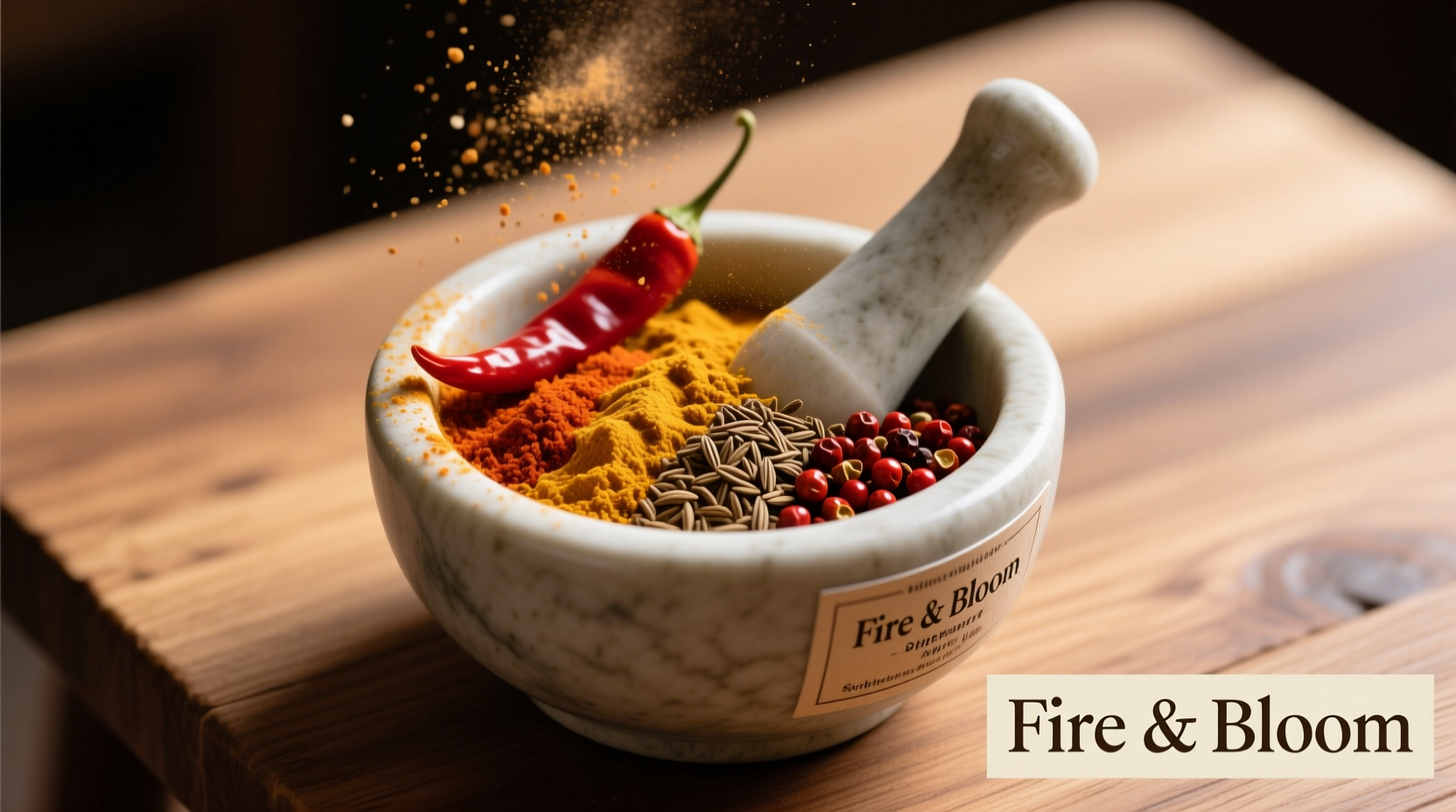
Chili seasoning is a dry spice blend traditionally used to flavor meat-and-bean stews known as chili con carne, though its applications extend far beyond. At its core, it combines warm, earthy, and pungent spices that complement tomatoes, onions, garlic, and slow-cooked proteins. While commercial versions are standardized, authentic and artisanal blends vary widely based on regional traditions, cultural influences, and individual preference.
The foundation of most chili seasonings includes chili powder (a blend itself), cumin, garlic powder, onion powder, oregano, and black pepper. However, the true potential lies in layering additional spices to create nuance—smokiness from chipotle, brightness from coriander, warmth from cinnamon, or floral notes from smoked paprika. Creating a custom mix means moving beyond formulas and embracing experimentation grounded in flavor chemistry and sensory balance.
Key Characteristics of Custom Chili Seasoning
A well-crafted chili seasoning should exhibit complexity without clutter. It must enhance, not overpower, the dish. Below are the essential characteristics that define a high-quality blend:
| Characteristic | Description |
|---|---|
| Flavor Profile | Balanced: earthy (cumin), sweet-smoky (paprika), piquant (chili), aromatic (oregano), with optional warmth (cinnamon) or citrus lift (coriander). |
| Aroma | Warm, roasted, slightly sweet when toasted; fragrant upon opening the jar. |
| Color | Deep red to rust-orange, depending on paprika and chili type; consistent hue indicates even blending. |
| Heat Level | Adjustable: mild (ancho), medium (New Mexico), hot (cayenne, chipotle). Heat should build gradually, not shock. |
| Culinary Function | Seasons proteins, enhances sauces, builds base flavor in soups and braises, adds depth to vegetarian dishes. |
| Shelf Life | 6–12 months in an airtight container away from light and heat. Whole spices last longer; ground lose potency faster. |
Practical Usage: How to Use Custom Chili Seasoning
Using homemade chili seasoning effectively requires understanding both timing and technique. Unlike salt, which seasons throughout cooking, dried spices benefit from early introduction to allow their flavors to bloom and integrate.
Step-by-Step Integration in Cooking
- Bloom the Spices: After sautéing onions and garlic in oil or rendered fat, add 1–2 tablespoons of your custom blend. Stir constantly for 30–60 seconds until fragrant. This step, called \"blooming,\" activates volatile oils and deepens flavor.
- Add Liquid Gradually: Deglaze the pan with broth, beer, or crushed tomatoes to stop further cooking and extract all browned bits (fond), which carry concentrated flavor. <3> Simmer for Depth: Allow the chili to cook slowly for at least 45 minutes. Long cooking melds the spice blend into the dish, softening sharp edges and creating harmony.
- Taste and Adjust: Before serving, taste and consider adding acidity (lime juice, vinegar), sweetness (a pinch of sugar), or umami (soy sauce, fish sauce) to balance the blend.
Usage Ratios and Applications
- Per pound of meat: 1.5 to 2 tablespoons of seasoning.
- For vegetarian chili: Increase oregano and smoked paprika; reduce cumin slightly to avoid overwhelming beans.
- As a dry rub: Coat short ribs or chuck roast before searing for a deeply flavored braise.
- In bean dips or spreads: Add 1 teaspoon to hummus or black bean dip for Southwestern flair.
- On roasted vegetables: Toss sweet potatoes, cauliflower, or carrots with olive oil and 1 teaspoon per cup of veggies.
Pro Tip: Always bloom your chili seasoning in fat. Skipping this step leaves raw, dusty flavors. A quick toast in oil unlocks richness and prevents bitterness, especially with cumin and chili powders.
Variants & Types of Custom Blends
Custom chili seasoning isn't monolithic. By altering proportions and introducing unconventional ingredients, you can create distinct profiles suited to different cuisines and moods. Below are four signature variants, each with a unique identity.
1. Classic Tex-Mex Blend
The foundation for traditional beef chili. Robust, moderately spicy, with a strong cumin backbone.
- ¼ cup ancho chili powder
- 2 tbsp ground cumin
- 1 tbsp garlic powder
- 1 tbsp onion powder
- 1 tsp dried oregano (Mexican preferred)
- 1 tsp smoked paprika
- ½ tsp cayenne (adjust to heat preference)
- ½ tsp black pepper
- ¼ tsp celery seed (optional, adds depth)
2. Smoky Chipotle & Cocoa Blend
Rich and complex, inspired by Mole Poblano. The cocoa adds body, not sweetness, while chipotle delivers smoldering heat.
- ⅓ cup ancho chili powder
- 1 tbsp ground cumin
- 1 tbsp smoked paprika
- 2 tsp chipotle powder
- 1 tsp unsweetened cocoa powder (Dutch-process or natural)
- 1 tsp garlic powder
- ½ tsp cinnamon (Ceylon preferred)
- ¼ tsp cloves (use sparingly)
- Salt to taste (add after cooking)
3. Bright Citrus & Coriander Blend
Lighter and fresher, ideal for seafood chili, white chicken chili, or vegetarian pots. Coriander and orange zest bring lift.
- ¼ cup New Mexico chili powder (milder, fruitier)
- 1.5 tbsp ground coriander
- 1 tbsp smoked paprika (sweet, not hot)
- 2 tsp lemon or orange zest (dried)
- 1 tsp garlic powder
- 1 tsp onion powder
- ½ tsp dried thyme
- ¼ tsp cayenne or crushed red pepper
4. Global Fusion Blend
A modern twist incorporating non-traditional spices for adventurous cooks. Think harissa meets adobo.
- ¼ cup Aleppo pepper flakes (crushed fine)
- 1 tbsp ground cumin
- 1 tbsp sumac
- 2 tsp ground coriander
- 1 tsp fenugreek (toasted and ground)
- 1 tsp smoked sea salt
- ½ tsp cardamom (ground)
- ½ tsp ginger powder
Comparison with Similar Ingredients
Chili seasoning is often confused with other spice products. Understanding the differences ensures proper use and avoids flavor missteps.
| Spice Product | Differences from Custom Chili Seasoning |
|---|---|
| Chili Powder (U.S.) | A blend itself, usually containing chili peppers, cumin, garlic salt, and anti-caking agents. Less complex than a full seasoning; best used as a base, not a finish. |
| Chili Powder (Pure, e.g., Kashmiri) | Single-ingredient ground dried chilies. Provides color and heat but lacks supporting flavors like cumin or oregano. |
| Taco Seasoning | Often sweeter, with more garlic/onion powder and less cumin. May include sugar and cornstarch. Less suitable for long-simmered chili. |
| Adobo Seasoning | Latin-Caribbean blend heavy on garlic, oregano, and citrus. Used for marinating; typically salt-heavy. Not interchangeable without adjustment. |
| Paprika | Ground sweet or smoked peppers. Adds color and mild flavor but no heat or earthiness unless combined with other spices. |
“The best chili seasoning doesn’t shout—it whispers, then lingers. It’s not about heat; it’s about resonance.” — Chef Elena Martinez, James Beard nominee for Southwestern Cuisine
Practical Tips & FAQs
Q1: Can I make chili seasoning without salt?
Absolutely. Omit salt to maintain control over sodium levels. This is especially useful if using canned beans, broth, or finishing with salty cheese. Salt can always be added during cooking.
Q2: How do I store homemade chili seasoning?
Use an airtight glass jar or metal tin. Store in a cool, dark cupboard—never above the stove, where heat degrades spices. Label with date and blend name. Properly stored, blends retain peak flavor for 6 months.
Q3: Can I use whole spices and grind them myself?
Yes—and you should when possible. Toast whole cumin seeds, coriander seeds, or dried chilies in a dry skillet until fragrant, then grind in a spice grinder or mortar and pestle. Freshly ground spices are exponentially more aromatic.
Q4: What’s the best way to scale up batches?
Multiply ingredients proportionally, but mix in small batches first to test balance. A flawed large batch wastes spices. Once perfected, quadruple the recipe and divide into labeled jars for gifting or rotation.
Q5: My chili tastes bitter—did I use too much seasoning?
Bitterness often comes from burnt spices or excessive cumin/chili powder. Always bloom gently over medium-low heat. If bitterness occurs, stir in ½ tsp honey, 1 tbsp tomato paste, or a splash of cider vinegar to counterbalance.
Q6: Are there vegan or allergen-free considerations?
Most homemade blends are naturally vegan and gluten-free. Avoid pre-mixed spices with anti-caking agents like silicon dioxide if purity is a concern. Always verify sources if cross-contamination is an issue.
Q7: Can I use fresh chilies instead of dried?
Fresh chilies work in wet salsas or pastes but aren’t substitutes for dried in dry blends. Drying concentrates flavor and removes moisture critical for shelf-stable mixes. Roast and dehydrate fresh chilies if making from scratch.
Expert Insight: For restaurant-level depth, toast whole spices in a cast-iron skillet: 1 tbsp cumin seeds, 1 tsp coriander seeds, 1 dried ancho (stemmed, seeded), and ½ tsp Mexican oregano. Cool, then grind. Mix with pre-ground paprika and garlic powder for hybrid freshness and convenience.
Summary & Key Takeaways
Creating custom chili seasoning is one of the most impactful upgrades a home cook can make. It replaces generic, salt-laden packets with vibrant, personalized flavor architecture. The process is simple but transformative: select a base, layer complementary spices, toast for depth, and store properly.
Key principles to remember:
- Balance is everything: Combine earthy, smoky, sweet, and spicy elements in harmony.
- Bloom in fat: Never skip toasting spices in oil—it’s the gateway to rich flavor.
- Omit salt initially: Maintain control over sodium and adapt to dish requirements.
- Label and date: Blends fade; track freshness for optimal results.
- Experiment boldly: Try cocoa, coffee, citrus, or global spices to create signature profiles.
A single jar of custom chili seasoning can elevate tacos, soups, roasted vegetables, marinades, and even popcorn. More importantly, it reflects your palate—a culinary fingerprint. Start with a classic blend, then refine it over time. Within weeks, you’ll develop a go-to mix so distinctive that guests will ask, “What’s your secret?” Now you’ll know: it’s not a secret, it’s craftsmanship.
Ready to transform your pantry? Make your first batch today—your next meal will thank you.