
There are few appetizers as universally beloved as a rich, velvety bowl of creamy spinach and artichoke dip. Whether served at a casual weekend gathering, a holiday party, or simply enjoyed with crackers on a quiet evening, this warm, cheesy blend delivers comfort in every bite. For beginners, it’s an ideal entry point into the world of homemade dips—requiring no advanced techniques, minimal prep, and delivering maximum flavor. With simple ingredients and straightforward steps, mastering this classic is both rewarding and practical. More than just a crowd-pleaser, it's a foundational recipe that teaches essential skills: balancing textures, layering flavors, and understanding how dairy behaves under heat.
This version prioritizes accessibility without sacrificing depth. It uses pantry-friendly components, avoids uncommon additives, and includes clear guidance for avoiding common pitfalls like separation, graininess, or blandness. By the end, you’ll not only have a stellar dip but also the confidence to adapt and elevate it in future iterations.
Definition & Overview
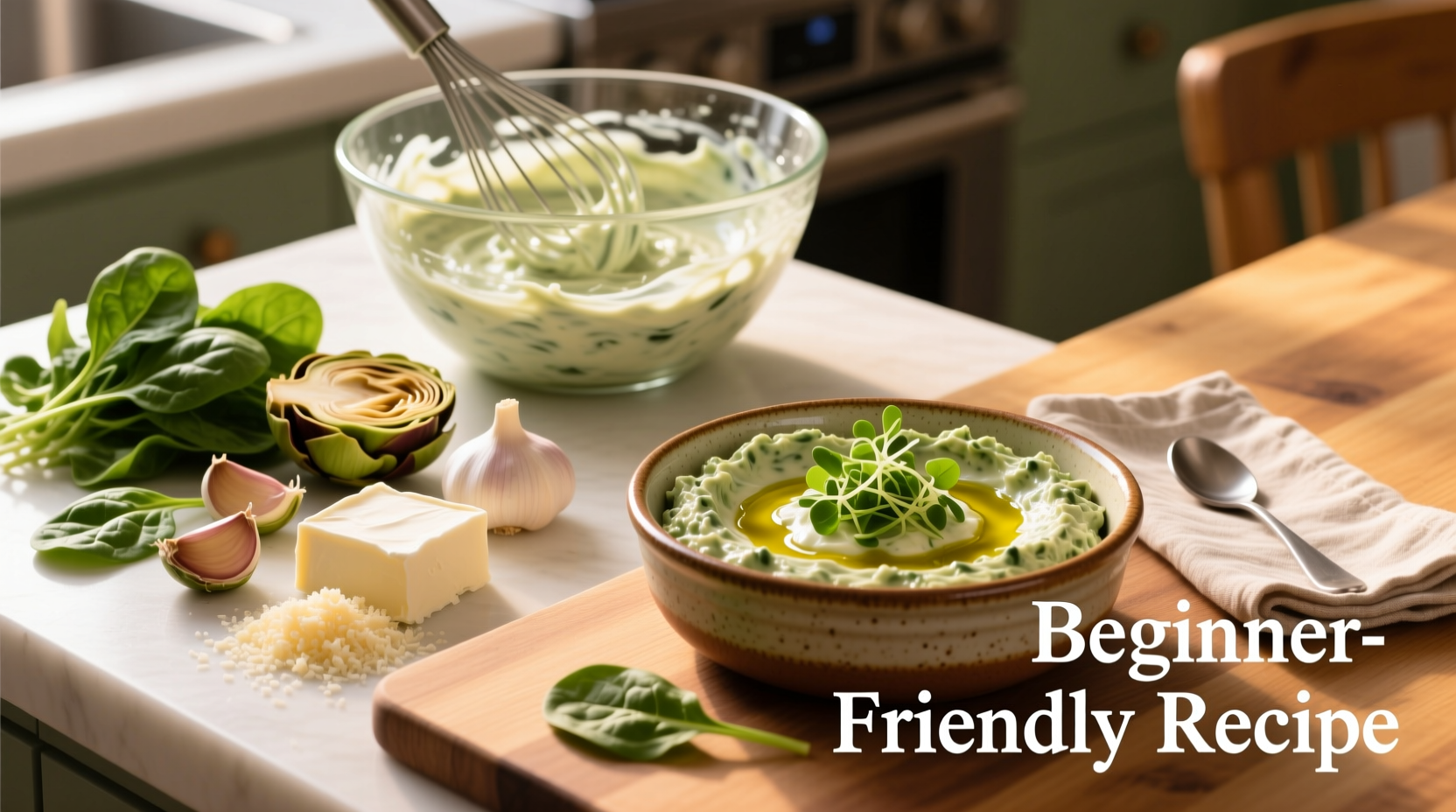
Creamy spinach and artichoke dip is a baked or stovetop appetizer composed primarily of chopped spinach, marinated artichoke hearts, cream cheese, sour cream or mayonnaise, garlic, and melted cheeses such as mozzarella and Parmesan. The result is a smooth, savory mixture with vegetal brightness from the greens, tang from the dairy, and umami depth from aged cheese.
The dish emerged in American cuisine during the late 20th century, gaining widespread popularity after being featured on restaurant menus—most notably at Chi-Chi’s, a now-defunct Mexican-inspired chain, in the 1970s. While not rooted in traditional European or Mediterranean cooking, its flavor profile draws inspiration from Italian antipasto elements and French-style cheese fondue.
It belongs to the category of cold-start, hot-finish dips—typically assembled ahead of time and then warmed before serving. Its texture should be luscious and cohesive, clinging to dippers rather than pooling or separating. The balance between creaminess and structure is key: too much liquid leads to runniness; too little results in dryness.
Key Characteristics
| Attribute | Description |
|---|---|
| Flavor Profile | Rich, tangy, mildly earthy with garlicky undertones and nutty cheese notes. |
| Aroma | Warm dairy, roasted garlic, faint herbal scent from spinach. |
| Color | Pale green to off-white, speckled with darker flecks of spinach and artichoke. |
| Texture | Smooth and creamy with slight fibrous resistance from vegetables. |
| Temperature | Served warm (ideally 140–160°F / 60–71°C). |
| Shelf Life | Freshly made: up to 5 days refrigerated. Freezing not recommended due to dairy separation. |
| Culinary Function | Appetizer, snack, or accompaniment to proteins like grilled chicken or fish. |
Basic Recipe: Step-by-Step Guide
This beginner-friendly method yields approximately 6 servings and takes about 25 minutes total time. It uses standard kitchen tools and does not require specialized equipment.
- Gather Ingredients:
- 8 oz (225g) cream cheese, softened
- ½ cup (120g) sour cream
- ½ cup (50g) grated Parmesan cheese
- 1 cup (115g) shredded mozzarella
- 10 oz (280g) frozen chopped spinach, thawed and drained
- 14 oz (400g) canned or jarred marinated artichoke hearts, drained and chopped
- 2 cloves garlic, minced
- ¼ tsp ground black pepper
- Pinch of cayenne (optional)
- Salt to taste (use sparingly if using marinated artichokes)
- Preheat Oven: Set oven to 375°F (190°C). Lightly grease a 1.5-quart baking dish or cast-iron skillet.
- Prepare Spinach: Squeeze thawed spinach firmly in a clean kitchen towel or paper towels to remove all excess moisture. This step is critical—wet spinach dilutes flavor and causes sogginess.
- Mix Base: In a large bowl, combine softened cream cheese, sour cream, half the mozzarella, all the Parmesan, garlic, black pepper, and cayenne. Use a hand mixer or sturdy spatula until smooth and uniform.
- Incorporate Solids: Fold in squeezed spinach, chopped artichokes, and remaining mozzarella. Mix gently to preserve texture.
- Taste and Adjust: Sample a small amount heated briefly in the microwave. Adjust salt, garlic, or acidity (a splash of lemon juice can brighten dullness).
- Bake: Transfer mixture to prepared dish. Bake for 20–25 minutes, until bubbling around edges and golden on top.
- Rest and Serve: Let cool 3–5 minutes before serving. Garnish with extra Parmesan, chopped parsley, or red pepper flakes.
Pro Tip: For even browning, broil for the final 2–3 minutes—but watch closely to prevent burning.
Practical Usage & Serving Suggestions
The beauty of this dip lies in its versatility. While traditionally served warm with tortilla chips, pita bread, or baguette slices, creative applications enhance its utility across meals.
Everyday Pairings
- With Crackers: Choose sturdy varieties like water crackers, multigrain rounds, or rye crisps that won’t snap under weight.
- Veggie Sticks: Carrots, celery, bell peppers, and cucumber rounds add freshness and contrast richness.
- Bread Options: Toasted baguette slices, sourdough cubes, or soft pretzel bites work well.
Advanced Applications
- Stuffed Chicken Breasts: Use cooled dip as a filling for butterflied chicken breasts, then bake until internal temperature reaches 165°F (74°C).
- Pizza Base: Spread a thin layer over pizza dough before adding toppings for a gourmet white pizza.
- Omelet Filling: Dollop into folded omelets or frittatas for added creaminess and vegetable content.
- Baked Potato Topper: Replace sour cream on loaded potatoes with warm spinach-artichoke mix.
Portion Guidance
As an appetizer, plan for about ¼ cup per person when multiple dishes are served. When featured as a main snack item, allow ⅓ to ½ cup per guest. One full batch comfortably serves 6.
“The best dips aren’t just about indulgence—they’re about balance. A great spinach and artichoke dip should make you reach for another chip not because it’s rich, but because it tastes alive.” — Chef Elena Rodriguez, Culinary Instructor, Institute of Modern Hospitality
Variants & Types
While the core concept remains consistent, several variations exist based on dietary needs, regional preferences, and ingredient availability. Understanding these helps tailor the recipe to different occasions.
Classic Baked Version
The standard preparation described above. Features cream cheese, sour cream, and two cheeses. Best for gatherings where presentation matters.
Stovetop Quick Method
For faster service, combine all ingredients in a saucepan over medium-low heat. Stir constantly until cheeses melt and mixture is heated through (about 8–10 minutes). Ideal for weeknights or last-minute needs.
Lightened-Up Version
- Replace cream cheese with Neufchâtel (one-third less fat).
- Use Greek yogurt instead of sour cream.
- Reduce cheese by 25% and increase artichoke volume slightly.
- Add a squeeze of lemon juice to maintain brightness despite lower fat.
Dairy-Free / Vegan Adaptation
- Use plant-based cream cheese (e.g., almond or soy-based).
- Substitute nutritional yeast for Parmesan (2–3 tbsp).
- Choose meltable vegan mozzarella shreds.
- Add 1 tsp miso paste for umami depth lost without dairy.
Spicy Kick Version
- Add 1–2 tbsp diced jalapeño (fresh or pickled).
- Include ½ tsp smoked paprika.
- Swap half the mozzarella with pepper jack cheese.
Slow Cooker Batch Option
Perfect for events: Combine all ingredients in a slow cooker. Cook on low for 2 hours, stirring occasionally. Keep warm for up to 3 additional hours without degradation.
| Variant | Best For | Adjustments Needed |
|---|---|---|
| Classic Baked | Parties, holidays, entertaining | None – original method |
| Stovetop | Quick meals, small batches | No baking; constant stirring required |
| Lightened-Up | Health-conscious settings | Accept softer texture; enhanced seasoning |
| Vegan | Plant-based diets | Ensure all substitutes melt well |
| Spicy | Game day, bold palates | Taste incrementally when adding heat |
Comparison with Similar Dips
Creamy spinach and artichoke dip is often confused with other popular appetizers. Clarifying distinctions ensures proper expectations and usage.
| Dip Type | Main Ingredients | Texture | Flavor Focus | When to Use |
|---|---|---|---|---|
| Spinach & Artichoke | Spinach, artichokes, cream cheese, mozzarella, garlic | Thick, creamy, slightly fibrous | Earthy, cheesy, tangy | General entertaining, vegetarian option |
| Queso Dip | Melting cheese (like Velveeta), milk, chili peppers | Smooth, pourable | Sharp, salty, spicy | Mexican-themed events, nachos |
| Guacamole | Avocado, lime, onion, tomato, cilantro | Chunky, creamy | Fresh, citrusy, herbal | Summer parties, taco nights |
| French Onion Dip | Sour cream, onion powder, garlic powder, Worcestershire | Smooth, cool | Savory, umami, slightly sweet | Casual snacking, retro themes |
| Ranch Dip | Buttermilk, herbs (dill, parsley), garlic, onion | Loose, emulsified | Herbal, tangy, cooling | Veggie platters, wings, sandwiches |
Note: Unlike most dips, spinach and artichoke relies on structural integrity post-heating. It should not be thinned significantly, as it loses its characteristic spoonability.
Practical Tips & FAQs
How do I prevent my dip from becoming watery?
The primary cause is residual moisture in spinach or artichokes. Always drain canned artichokes thoroughly and press spinach until no more liquid emerges. If the dip appears loose before baking, stir in 1–2 tbsp of breadcrumbs or crushed crackers to absorb excess.
Can I make this ahead of time?
Yes. Assemble the dip up to 24 hours in advance, cover tightly, and refrigerate. Add 5–7 minutes to baking time if going straight from fridge to oven. Do not freeze—dairy will separate upon thawing.
What can I substitute for sour cream?
Mayonnaise offers similar richness and stability. Full-fat Greek yogurt works but may yield a tarter profile. Buttermilk or regular milk are unsuitable—they lack body and curdle easily.
Is canned spinach acceptable?
No. Canned spinach has a metallic aftertaste and overly soft texture. Frozen chopped spinach is superior in flavor, color retention, and consistency. Fresh spinach can be used but must be blanched and squeezed—making it more labor-intensive with little payoff.
Why did my dip turn grainy?
Overheating dairy causes protein coagulation. Avoid boiling or prolonged high heat. Remove from oven once bubbling begins at edges. Using pre-shredded cheese can also contribute—these contain anti-caking agents that hinder smooth melting. Opt for block cheese grated fresh.
How long does leftover dip last?
Store in an airtight container in the refrigerator for up to 5 days. Reheat gently in the oven (350°F / 175°C) or microwave at 50% power, stirring every 30 seconds. Do not reheat more than once.
Can I add meat?
Yes. Cooked and crumbled bacon, diced ham, or shredded chicken can be folded in before baking. Limit additions to ½ cup to avoid overwhelming the base flavor. For seafood, lump crabmeat pairs elegantly—use 6 oz and reduce salt accordingly.
Storage Checklist:
- Cool completely before storing.
- Use shallow containers to promote rapid chilling.
- Label with date; consume within 5 days.
- Reheat only the portion needed.
Summary & Key Takeaways
Creamy spinach and artichoke dip is more than a party staple—it’s a lesson in foundational cooking principles: moisture control, temperature management, and flavor layering. For beginners, success hinges on three actions: squeezing spinach thoroughly, using fresh-grated cheese, and baking just until bubbly.
The standard recipe is forgiving yet responsive to refinement. Variations accommodate dietary restrictions or flavor preferences without compromising appeal. Whether served alongside rustic bread or repurposed as a stuffing or topping, its culinary utility extends far beyond the appetizer table.
Mastering this dish builds confidence in handling dairy-based sauces, understanding vegetable preparation, and adapting recipes creatively. It proves that simplicity, when executed with care, produces extraordinary results.
Try this recipe at your next gathering and observe how quickly the bowl empties. Then experiment: adjust garlic levels, try a new cheese blend, or incorporate sun-dried tomatoes for complexity. Each variation brings you closer to making it truly your own.