Types of Clay Pots for Gardening and Home Décor
Clay pots are among the most popular choices for gardeners and interior designers alike due to their natural aesthetics, breathability, and functional benefits. Available in various styles and finishes, each type of clay pot offers unique advantages in terms of moisture control, plant compatibility, durability, and visual appeal. Below is a detailed breakdown of the most common types of clay pots used in modern gardening and home decoration.
Unglazed Clay Pots
Made from terracotta or natural red clay and fired without a glaze, these pots are porous, breathable, and ideal for plants that thrive in well-aerated soil.
Advantages
- Excellent air circulation to roots
- Natural moisture regulation through evaporation
- Affordable and widely available
- Eco-friendly and biodegradable material
Limitations
- Dries out quickly in hot climates
- Prone to cracking in freezing temperatures
- Can develop mineral deposits over time
- Less decorative than glazed options
Best for: Succulents, cacti, herbs, and plants that prefer dry soil conditions
Glazed Clay Pots
These pots feature a glass-like coating applied to the interior, exterior, or both, giving them a smooth, colorful, and polished finish while reducing porosity.
Advantages
- Retains moisture longer due to reduced porosity
- Vibrant colors and decorative finishes
- Easier to clean and maintain
- Resists algae and mineral buildup
Limitations
- Higher cost compared to unglazed pots
- Limited airflow to roots
- Heavier due to thicker walls and glaze
- May require drainage adjustments
Best for: Ferns, tropical plants, peace lilies, and indoor houseplants needing consistent moisture
Terracotta Pots
A classic type of unglazed clay pot made from fired terracotta clay, known for its earthy reddish-brown hue and rustic charm.
Advantages
- Naturally porous for optimal root aeration
- Timeless, rustic aesthetic
- Lightweight and easy to move
- Ideal for Mediterranean and drought-tolerant plants
Limitations
- Requires frequent watering in dry environments
- Can crack when exposed to frost
- May stain or fade over time
- Not suitable for very wet-loving plants
Best for: Herbs, ivy, rosemary, lavender, and other Mediterranean plants
Sansi Clay Pots
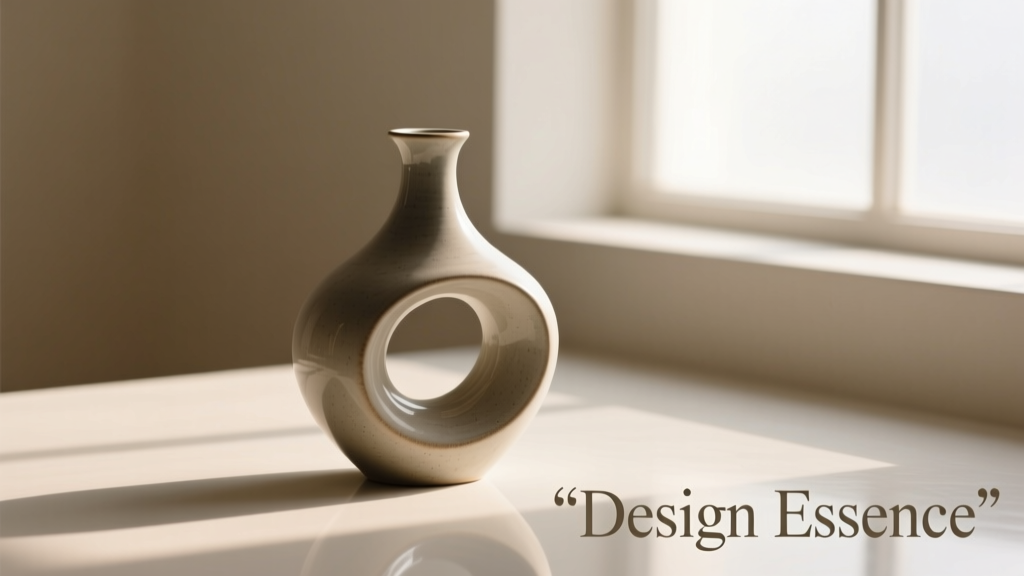
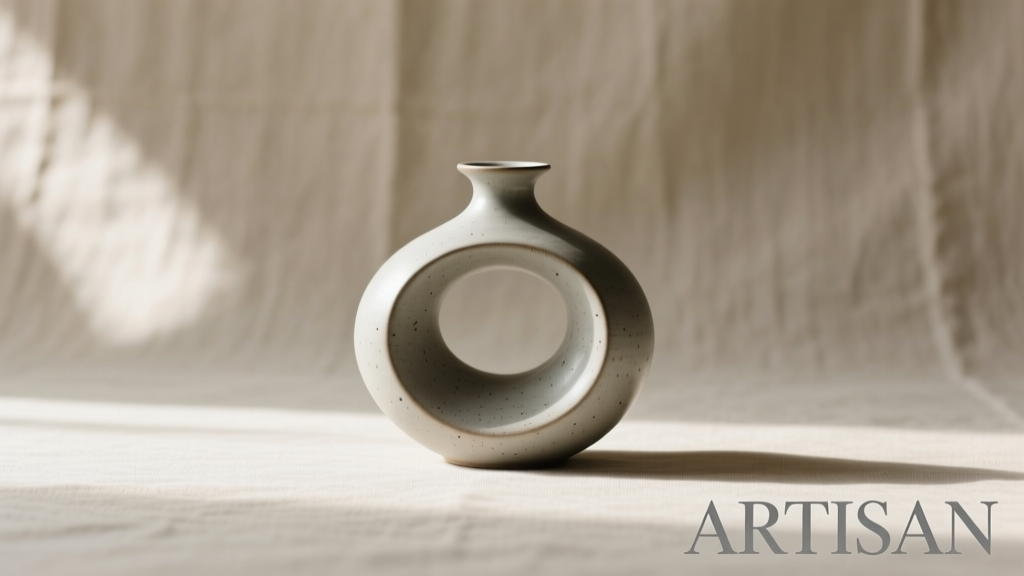
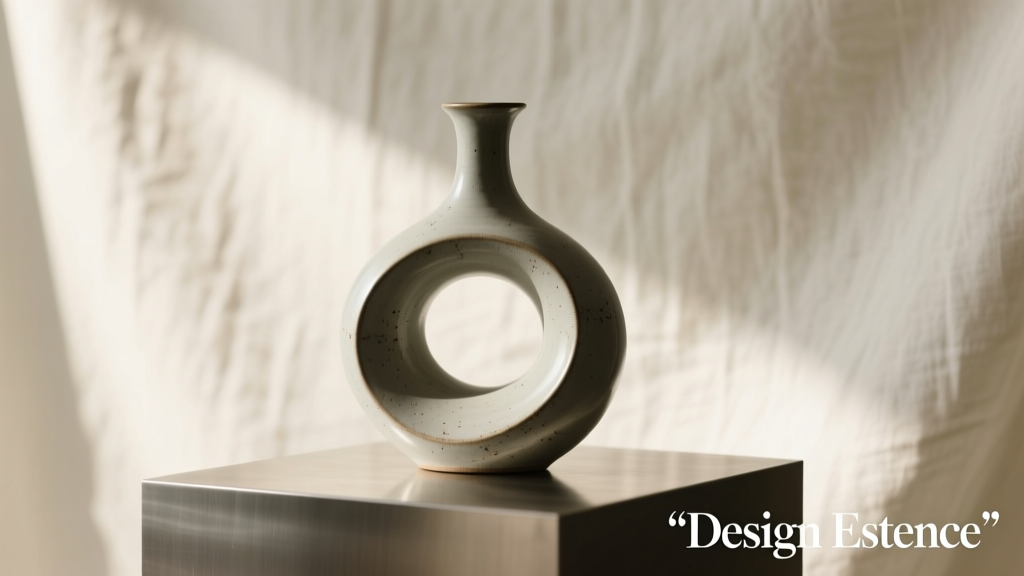
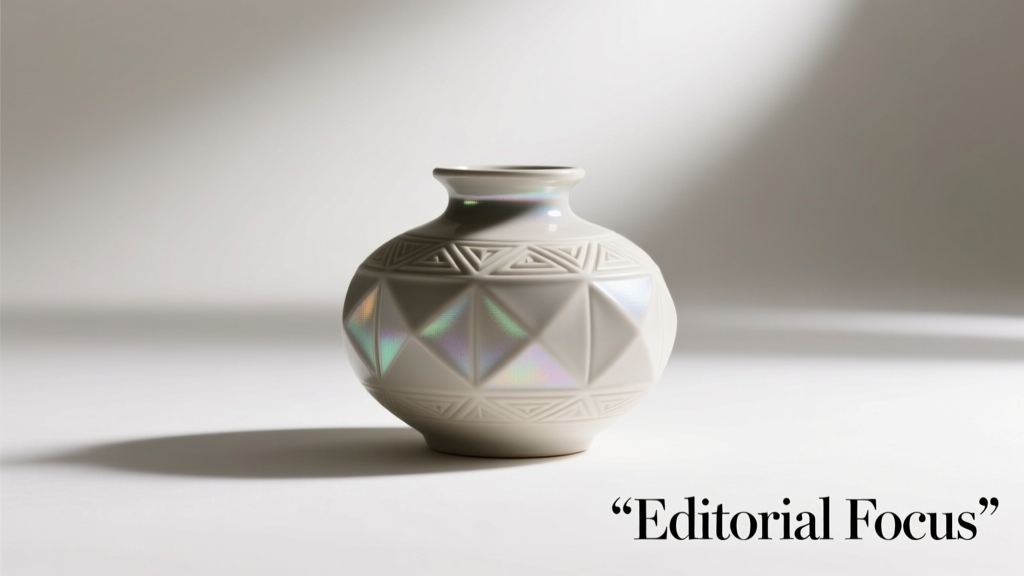
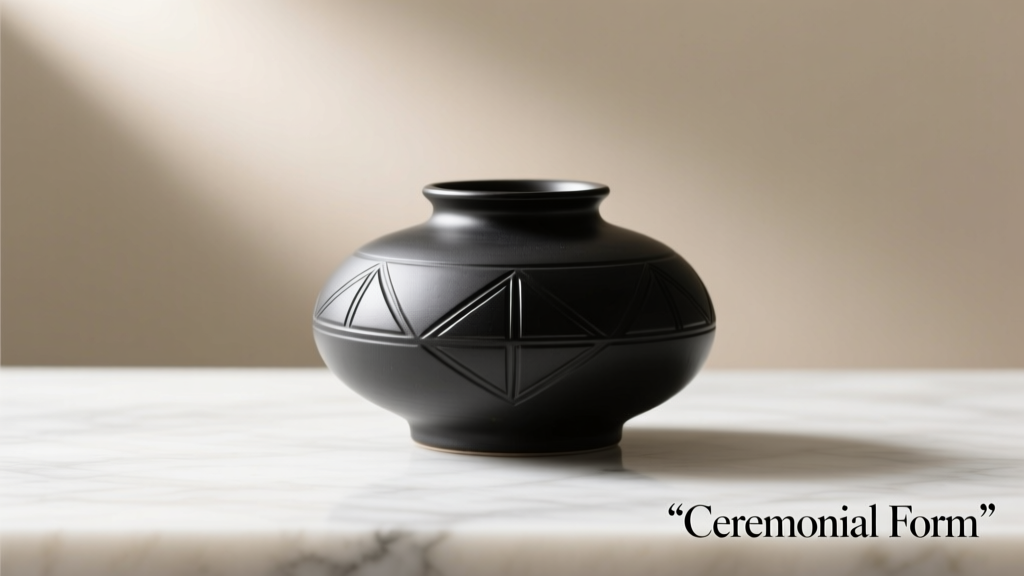
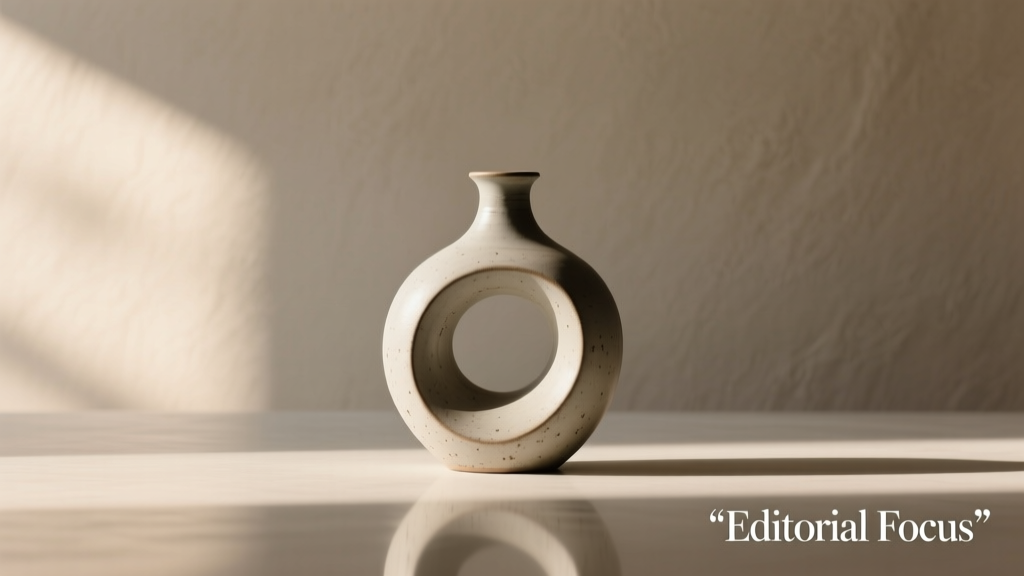
Modern, artistically crafted clay pots that blend traditional pottery techniques with contemporary design, often featuring minimalist or sculptural forms.
Advantages
- Stylish, modern appearance for interior spaces
- Often sealed or glazed for durability
- Functional art pieces that double as planters
- Suitable for both indoor and sheltered outdoor use
Limitations
- Higher price point due to craftsmanship
- Limited availability in standard sizes
- May lack drainage holes (requires modification)
- Less breathable than traditional terracotta
Best for: Snake plants, ZZ plants, fiddle leaf figs, and decorative indoor displays
| Type | Porosity | Moisture Retention | Aesthetic Style | Best For |
|---|---|---|---|---|
| Unglazed Clay | High | Low | Natural, rustic | Succulents, cacti, herbs |
| Glazed Clay | Low | High | Colorful, polished | Ferns, tropical plants, indoor foliage |
| Terracotta | High | Low | Ethereal, earthy | Mediterranean plants, ivy, herbs |
| Sansi Clay | Low to Medium | Medium to High | Modern, minimalist | Indoor décor, statement plants |
Expert Tip: For unglazed and terracotta pots, consider soaking them in water before first use to pre-hydrate the clay and prevent rapid moisture loss from the soil. This helps maintain consistent hydration for your plants during initial planting.
Designs of Clay Pots: Functionality, Aesthetics, and Gardening Applications
Clay pots have been a staple in gardening for centuries, valued not only for their natural aesthetic appeal but also for their functional benefits in plant growth. Their porous structure promotes air circulation and moisture regulation, making them ideal for a wide range of plants. With evolving design trends and gardening needs, clay pots now come in various shapes and configurations—each tailored to specific horticultural purposes, space considerations, and visual preferences. Understanding the different designs helps gardeners make informed choices that enhance both plant health and decorative impact.
Types of Clay Pot Designs and Their Benefits
Classic Round Clay Pots
Classic round clay pots are the most traditional and widely used form in both indoor and outdoor gardening. Their circular shape with gently tapered sides provides balanced weight distribution and structural stability, reducing the risk of tipping. This design allows for uniform root development, as the roots can expand radially without restriction.
Made from natural terracotta, these pots are breathable, helping prevent root rot by allowing excess moisture to evaporate through the walls. Their timeless appearance complements rustic, minimalist, and traditional décor styles. Due to their simple manufacturing process, classic round pots are typically the most affordable option on the market, making them accessible for beginners and large-scale plantings alike.
Cylindrical Clay Pots
Cylindrical clay pots feature straight, vertical walls and a consistent diameter from top to bottom, offering a more modern and structured look compared to the tapered classic round pots. This design maximizes soil volume and provides deeper planting space, which is especially beneficial for plants with long taproots or those that grow vertically, such as tomatoes, peppers, or certain herbs.
The increased depth supports better moisture retention at lower levels while still allowing adequate aeration through the clay walls. These pots are also ideal for urban gardeners with limited floor space, as they can be arranged closely together without sacrificing root room. While standard cylindrical models are reasonably priced, artisanal or handcrafted versions with decorative finishes or engravings may carry a higher price tag due to added labor and design complexity.
Hanging Clay Pots
Hanging clay pots are designed to optimize vertical space, making them perfect for patios, balconies, small gardens, and indoor settings where floor area is limited. These pots typically feature a curved or cylindrical body with built-in hooks, metal brackets, or drilled holes for attaching ropes, chains, or macramé hangers.
They are especially popular for trailing or cascading plants like ivy, string of pearls, petunias, and creeping thyme, which create an attractive downward display. The elevated position improves air circulation around the foliage and reduces pest exposure from ground-dwelling insects. While the functional design adds to production costs—making hanging pots generally more expensive than standard ones—their space-saving benefits and decorative versatility offer excellent value for compact living environments.
Succulent Clay Pots
Succulent clay pots are specially engineered to meet the unique needs of drought-tolerant plants such as echeveria, sedum, and jade. These pots often feature multiple compartments or segmented chambers, allowing several small succulents to be planted in a single container while maintaining individual root zones.
Equipped with drainage holes in each section, they prevent water accumulation—a critical factor in avoiding root rot, which is common in succulents when overwatered. The design may vary from geometric multi-cell layouts to organic, landscape-style arrangements resembling rock gardens. Prices vary significantly based on the number of compartments, craftsmanship, and overall design intricacy. Despite the higher cost of elaborate models, their functionality and aesthetic appeal make them a favorite among succulent enthusiasts and modern home decorators.
| Pot Design | Ideal For | Price Range (Relative) | Key Advantages |
|---|---|---|---|
| Classic Round | General indoor plants, seedlings, herbs | Low | Balanced root growth, affordability, classic look |
| Cylindrical | Tall plants, deep-rooted vegetables, urban gardens | Low to Medium | Maximized soil depth, efficient space use |
| Hanging | Trailing plants, small spaces, vertical gardens | Medium | Space-saving, enhanced air flow, decorative appeal |
| Succulent Multi-Cell | Succulents, cacti, mini gardens | Medium to High | Prevents overwatering, supports diverse planting, artistic design |
Choosing the Right Clay Pot Design
Note: Always inspect clay pots for cracks or clogged drainage holes before use. Soak terracotta pots in water before planting to prevent them from drawing moisture away from the soil initially. Proper pot selection not only supports healthy plant development but also enhances the visual harmony of your gardening space.
Commercial Value of Clay Pots
Clay pots have experienced a resurgence in popularity due to their timeless appeal, functional benefits, and alignment with sustainable living trends. As consumers increasingly prioritize natural materials and eco-conscious products, clay pots offer a compelling value proposition for retailers, gardeners, and home décor enthusiasts alike. Their commercial viability stems from a powerful combination of aesthetic charm, horticultural performance, and environmental responsibility.
Aesthetic Appeal
Clay pots possess a unique visual charm that enhances both indoor and outdoor spaces. Their warm terracotta hues and natural textures bring an earthy elegance to any environment, seamlessly complementing a wide range of design styles—from minimalist modern interiors to rustic country gardens. This timeless appeal makes them a favorite among interior designers, homeowners, and urban gardeners.
- Their organic look softens architectural lines and adds warmth to contemporary spaces
- Available in various shapes, sizes, and finishes (unglazed, painted, or handcrafted), allowing for creative expression
- Enhance plant presentation by providing a natural frame that highlights foliage and blooms
- Age gracefully over time, developing a desirable patina that adds character
Marketing advantage: Position clay pots as decorative garden accessories that double as functional planters to appeal to lifestyle-focused buyers.
Superior Water Management
One of the most scientifically supported benefits of clay pots is their porosity, which allows for optimal moisture regulation. Unlike plastic or glazed ceramic containers, unglazed clay "breathes," enabling water to evaporate through the walls of the pot. This natural wicking action helps prevent overwatering and root rot, two of the most common causes of plant failure.
- Promotes gradual and even moisture release, reducing the risk of waterlogged soil
- Ideal for plants that prefer drier conditions, such as succulents, cacti, and Mediterranean herbs
- Allows roots to access oxygen more efficiently, supporting healthier root development
- Reduces reliance on frequent watering, making them suitable for busy or novice gardeners
Customer insight: Emphasize how clay pots act as a natural self-regulating system, helping maintain ideal soil conditions with minimal intervention.
Supports Healthy Plant Growth
Beyond moisture control, clay pots contribute significantly to overall plant health. The material's ability to facilitate gas exchange between the soil and the surrounding air creates a balanced root zone environment. This aeration prevents compaction and encourages strong, fibrous root systems that are better equipped to absorb nutrients.
- Improved oxygen flow reduces the likelihood of anaerobic bacteria and fungal diseases
- Natural thermal mass helps moderate soil temperature fluctuations, protecting roots from extreme heat or cold
- Encourages root pruning as roots reach the pot wall and air-prune, leading to denser root growth
- Particularly beneficial for long-term container gardening and slow-growing species
Retailer benefit: Educate customers on how clay pots can reduce plant loss and increase satisfaction, leading to repeat purchases and positive word-of-mouth.
Sustainability & Eco-Friendliness
In an era where environmental responsibility is a key purchasing driver, clay pots stand out as a sustainable alternative to plastic planters. Made from abundant natural clay and fired using energy-efficient kilns, they are biodegradable, recyclable, and free from synthetic chemicals or microplastics.
- Completely biodegradable—can be crushed and returned to the soil as drainage material or garden path filler
- No petroleum-based materials, reducing carbon footprint compared to plastic pots
- Durable and long-lasting when properly cared for, minimizing replacement frequency
- Supports circular gardening practices and zero-waste lifestyles
Green selling point: Highlight the full lifecycle sustainability of clay pots to attract eco-conscious consumers and align with green retail initiatives.
Business Opportunity: Position clay pots not just as plant containers, but as premium lifestyle products that combine beauty, functionality, and environmental ethics. Bundle them with care guides, organic soil, or drought-tolerant plants to create curated gardening kits. Target urban gardeners, wellness-focused homeowners, and sustainability advocates through targeted marketing campaigns that emphasize both form and function.
| Customer Segment | Primary Motivation | Recommended Clay Pot Type | Value Proposition |
|---|---|---|---|
| Home Decor Enthusiasts | Aesthetic enhancement | Hand-finished, decorative designs | Stylish, Instagram-worthy plant displays |
| Beginner Gardeners | Easy plant care | Standard unglazed terracotta | Natural moisture regulation prevents overwatering |
| Eco-Conscious Buyers | Sustainability | Locally sourced, biodegradable pots | Plastic-free, earth-friendly gardening solution |
| Plant Collectors | Plant health & longevity | Heavy-duty, thick-walled clay pots | Superior root aeration and temperature stability |
Additional Commercial Advantages
- Brand Differentiation: Offering high-quality clay pots sets retailers apart from competitors relying on mass-produced plastic alternatives.
- Higher Perceived Value: Clay pots are often seen as premium products, allowing for better profit margins.
- Versatility: Suitable for residential, commercial, and hospitality settings—from homes to offices to restaurants.
- Educational Opportunities: Hosting workshops on "Sustainable Container Gardening" can drive foot traffic and build customer loyalty.
- Seasonal Appeal: Strong sales potential during spring planting season and as holiday gifts (e.g., potted herbs or succulent arrangements).
How to Choose the Best Clay Pots for Your Plants
Selecting the right clay pot is more than just picking a container—it's about creating the ideal environment for healthy plant growth. Clay pots are popular for their natural breathability, aesthetic appeal, and ability to regulate moisture. However, not all clay pots are created equal. This comprehensive guide covers the essential factors to consider when choosing clay pots, including size, drainage, clay quality, and design, helping you make informed decisions that benefit both your plants and your space.
Important Note: While clay pots offer excellent aeration, they also dry out faster than plastic or glazed containers. Be prepared to adjust your watering schedule accordingly, especially in hot or dry climates.
Key Factors to Consider When Choosing Clay Pots
- Size: Match the Pot to the Plant’s Growth Stage
The size of the clay pot plays a crucial role in root development and overall plant health. Small pots (4–6 inches in diameter) are ideal for seedlings, cuttings, and young plants with limited root systems. Medium pots (8–10 inches) suit most houseplants and herbs, while large pots (12 inches and above) are best for mature plants, trees, or deep-rooted vegetables.
Choosing the right size prevents issues like root binding in undersized containers or waterlogged soil in oversized ones. As a general rule, select a pot that is 1–2 inches larger in diameter than the plant’s current root ball to allow room for growth without overwhelming the plant.
Note: Larger clay pots are typically more expensive due to increased material and firing costs. However, investing in the correct size from the start can reduce transplant stress and promote long-term plant vitality.
- Drainage: Essential for Root Health and Disease Prevention
Proper drainage is non-negotiable for healthy plant growth. Without adequate water escape, roots can suffocate and rot due to excess moisture. Always choose clay pots with one or more drainage holes at the bottom. Unglazed terracotta pots naturally allow some moisture to evaporate through the walls, but bottom holes are still essential for excess water to exit quickly.
When selecting glazed clay pots, ensure the glaze does not block the drainage holes. Some decorative glazed pots are sealed entirely, making them unsuitable for direct planting unless used as cache pots (outer decorative containers with a nursery pot inside).
Tip: Place a small piece of mesh or a coffee filter over the drainage hole to prevent soil from washing out while still allowing water to flow freely.
- Quality of Clay: Durability and Longevity Matter
High-quality clay pots are made from well-refined, evenly mixed clay and fired at optimal temperatures, resulting in sturdy, durable containers. Look for pots with a consistent color, smooth texture, and minimal surface imperfections. Avoid pots with visible cracks, air bubbles, or uneven thickness, as these indicate poor manufacturing and can lead to premature breakage.
Premium-grade terracotta resists chipping and cracking from temperature changes and handling. While low-quality pots may come with a lower price tag, they often degrade quickly when exposed to moisture and outdoor elements, especially in freeze-thaw climates.
Pro Tip: Tap the pot gently with your finger—high-quality clay produces a clear, ringing sound, while a dull thud may indicate internal flaws or weak structure.
- Design and Aesthetics: Style Meets Functionality
Clay pots come in a wide range of shapes, textures, and finishes, from rustic terracotta to hand-painted or modern minimalist designs. Choose a pot that complements your home décor, garden theme, or landscaping style. Classic terracotta offers a timeless, earthy look, while colored or glazed finishes can add a pop of personality.
While aesthetics are important, don’t sacrifice function for form. Ensure that decorative elements like intricate carvings or narrow bases don’t compromise stability or drainage. Some artisanal or handcrafted pots may carry a higher price due to their unique design and craftsmanship—ideal for showcasing special plants or as focal points in your space.
Balancing visual appeal with practicality ensures your plants thrive while enhancing your environment.
| Selection Factor | Recommended Features | What to Avoid | Price Influence |
|---|---|---|---|
| Size | 1–2 inches wider than root ball; appropriate depth for root system | Overly large pots or extremely shallow containers | Larger pots = higher cost |
| Drainage | At least one unobstructed hole; mesh lining recommended | Sealed holes or no holes (common in decorative pots) | Minimal impact |
| Clay Quality | Uniform texture, no cracks, clean finish, resonant sound when tapped | Bubbles, rough patches, thin walls, or asymmetry | Higher quality = higher durability and price |
| Design | Stable base, functional shape, complements surroundings | Overly ornate designs that hinder usability or stability | Artistic/handmade = premium pricing |
Expert Tip: If you love the look of decorative clay pots without drainage, use them as outer cache pots. Plant your greenery in a simple, functional nursery pot with drainage, then place it inside the decorative container. This allows for easy removal during watering and prevents root rot.
Additional Tips for Long-Term Success
- Clean clay pots thoroughly before reuse to remove mineral buildup and potential pathogens.
- Soak new terracotta pots in water for a few hours before first use to reduce initial moisture absorption from the soil.
- Group plants with similar watering needs in clay pots to simplify care routines.
- Inspect pots seasonally for cracks, especially if used outdoors in cold climates.
- Consider sealing the exterior of clay pots with a non-toxic, breathable sealant to slow weathering while maintaining breathability.
Choosing the right clay pot is a balance of science and style. By prioritizing plant needs—proper size, effective drainage, durable materials—and pairing them with thoughtful design, you create a thriving environment for your plants while enhancing your living space. Whether you're growing herbs on a windowsill or cultivating a garden oasis, the perfect clay pot makes all the difference.
Frequently Asked Questions About Clay Pots for Plants
Q1: Are proper plant drainage systems necessary in clay pots?Yes, adequate drainage is essential in clay pots to ensure healthy plant growth. Most clay pots designed for planting come with one or more pre-drilled drainage holes at the bottom. These holes allow excess water to escape, preventing waterlogging, which can lead to root rot and other fungal diseases.
- Why Drainage Matters: Without proper drainage, water accumulates at the bottom of the pot, suffocating the roots and reducing oxygen availability.
- Solution for Pots Without Holes: If you have a decorative clay pot without holes, use it as a cache pot (outer container) and place a smaller, functional pot with drainage inside it.
- Tips: Adding a layer of gravel or broken pottery at the base can improve drainage, though it's not a substitute for actual holes.
Always ensure your clay pot has effective drainage or modify your watering habits to avoid overwatering.
Q2: Do clay pots support plant growth in a favorable manner?Yes, traditional unglazed clay (terracotta) pots are highly beneficial for many types of plants due to their natural porosity.
- Air Circulation: The porous walls of terracotta allow air to pass through, promoting healthy root respiration and reducing the risk of root rot.
- Moisture Regulation: Clay absorbs excess moisture from the soil and gradually releases it into the air, helping to prevent soggy soil and encouraging even drying between waterings.
- Ideal For: Plants that prefer drier soil conditions, such as succulents, cacti, and herbs, thrive in clay pots.
- Consideration: Because they dry out faster, plants in unglazed clay pots may require more frequent watering, especially in hot or dry climates.
Overall, clay pots provide a balanced micro-environment that supports strong root development and healthy plant growth.
Q3: Are glazed clay pots appropriate for plants that require much water?Yes, glazed clay pots are an excellent choice for plants that prefer consistently moist soil.
- How Glazing Helps: The interior or exterior coating of glaze seals the clay, reducing its porosity and slowing down moisture evaporation from the soil.
- Best For: Tropical plants like ferns, peace lilies, and pothos that thrive in higher humidity and damp conditions.
- Drainage Still Important: Even though glazed pots retain moisture better, they should still have drainage holes to prevent water accumulation.
- Aesthetic Advantage: Glazed pots come in a wide range of colors and finishes, making them both functional and decorative.
They offer the durability and weight of clay with improved moisture retention—ideal for humidity-loving plants.
Q4: Do hanging clay pots have drainage holes?Yes, most hanging clay pots are designed with drainage holes to prevent waterlogging and promote healthy plant growth.
- Standard Design: Functional hanging clay pots typically include at least one hole at the bottom, just like floor or table pots.
- Precautions: When using hanging pots indoors, place a saucer or liner underneath to catch excess water and protect ceilings, floors, or furniture.
- Outdoor Use: Hanging pots are popular for patios and gardens, where drainage can naturally flow into the ground.
- Check Before Use: Always inspect your hanging pot before planting—some decorative versions may lack holes and should be used as outer containers only.
Proper drainage in hanging setups is crucial, as trapped water can cause root rot and may weaken the pot’s structural integrity over time.
Q5: Are clay pots eco-friendly?Yes, clay pots are 100% eco-friendly and sustainable, making them an excellent choice for environmentally conscious gardeners.
- Natural Material: Made from baked earth (terracotta), clay pots are biodegradable and non-toxic.
- Low Environmental Impact: They require minimal processing and no synthetic chemicals, unlike plastic or resin containers.
- Recyclable & Reusable: Broken clay pots can be repurposed as drainage material, garden pathways, or crushed for use in soil mixes.
- Long Lifespan: With proper care, clay pots can last for years, reducing the need for frequent replacements.
- Carbon Footprint: While firing clay uses energy, the overall lifecycle impact is significantly lower than petroleum-based alternatives.
Choosing clay pots supports sustainable gardening practices and reduces plastic waste in landfills and oceans.