Onion soup is one of those deceptively simple dishes that delivers profound depth of flavor when executed with care. Often associated with French cuisine, particularly soupe à l'oignon gratinée, this warm, savory broth crowned with a crusty layer of cheese-topped bread has comforted palates for centuries. While it may appear straightforward—onions, broth, bread, cheese—the magic lies in patience, technique, and attention to detail. This guide walks through every stage of crafting an authentic, restaurant-quality onion soup at home, from selecting the right onions to achieving a deep, golden caramelization and finishing with a properly broiled top. Whether you're reviving a family tradition or making it for the first time, understanding the nuances ensures consistent success.
Definition & Overview
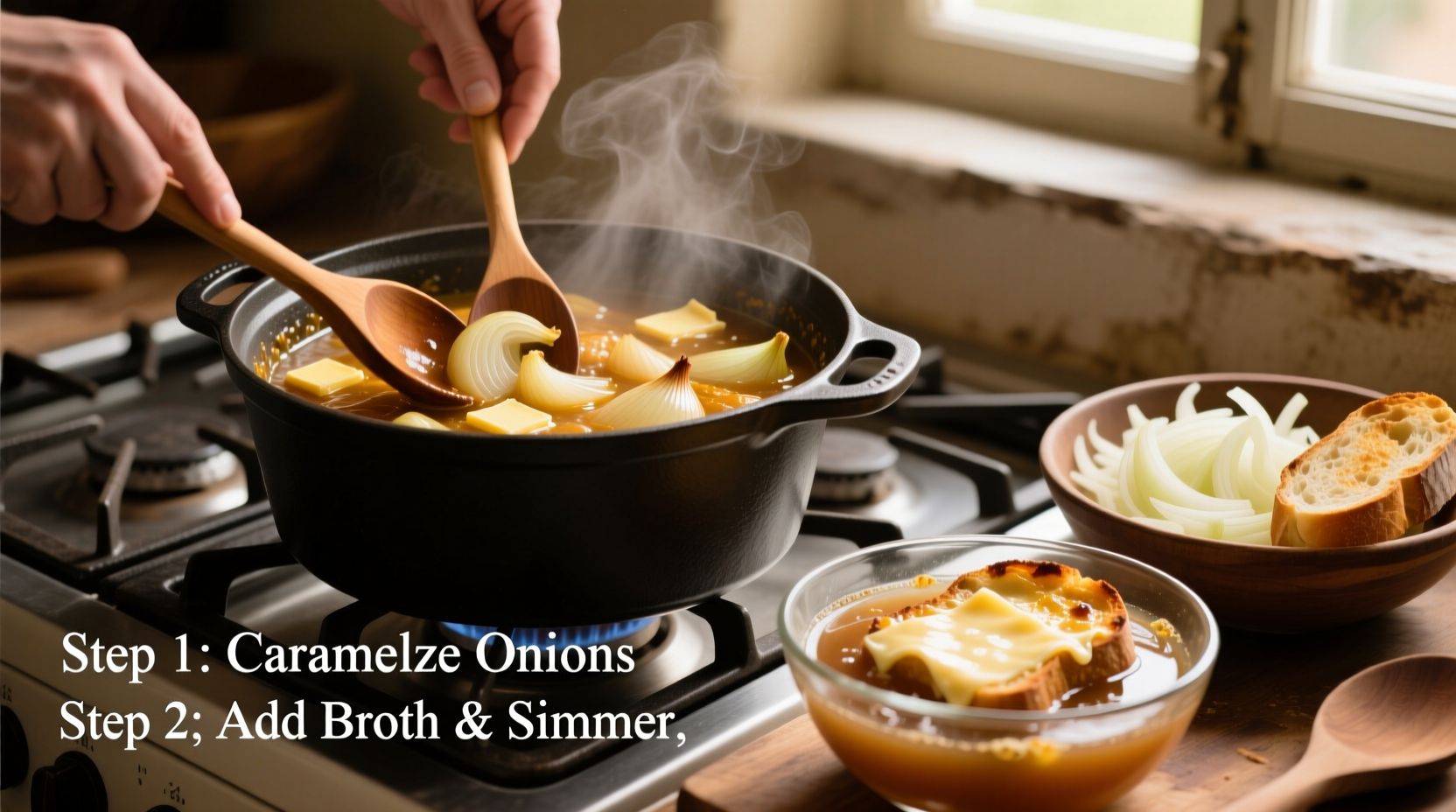
Classic onion soup refers to a traditional French preparation in which sliced onions are slowly cooked until deeply caramelized, then deglazed and simmered in beef or vegetable broth to create a rich, aromatic soup. The finished dish is traditionally served in oven-safe crocks, topped with a slice of baguette and generously covered with Gruyère or Comté cheese, then placed under a broiler to melt and brown. The result is a harmonious blend of sweet, umami-laden onions, savory broth, crisp bread, and gooey, nutty cheese.
The origins of onion soup trace back to ancient Rome, where onions were boiled and consumed as a staple food. By the 18th century, it had evolved into a refined dish in France, especially popular in Parisian bistros. Its modern form emerged as a way to elevate humble ingredients into something luxurious through slow cooking and intelligent layering of flavors. Today, it remains a hallmark of French bistro fare and a benchmark for culinary technique, particularly in mastering caramelization and broth development.
Key Characteristics
- Flavor Profile: Deeply savory (umami), with pronounced sweetness from caramelized onions and a rich, meaty backbone from high-quality broth.
- Aroma: Warm, roasted onion fragrance with subtle notes of garlic, thyme, and toasted cheese.
- Color: Amber to deep mahogany broth; golden-brown melted cheese crust on top.
- Texture: Tender, almost jam-like onions suspended in a clear but full-bodied liquid; contrasted by crunchy bread and molten cheese.
- Culinary Function: Appetizer or light main course, often served in winter months or as part of a multi-course meal.
- Shelf Life: Best served immediately. Prepared base can be refrigerated for up to 3 days or frozen for 2 months.
Practical Usage: Step-by-Step Preparation
Creating exceptional onion soup hinges on two critical processes: caramelizing the onions properly and building a flavorful broth foundation. Rushing either step compromises the final dish. Follow these steps precisely for optimal results.
- Select and Prepare Onions: Use 2½ to 3 pounds (1.1–1.4 kg) of yellow onions—these offer the best balance of sweetness and sulfur compounds needed for deep flavor development. Peel and slice them uniformly into ¼-inch thick rounds. Consistency ensures even cooking.
- Choose the Right Pot: A heavy-bottomed Dutch oven or enameled cast iron pot (5–6 quarts) is ideal. It distributes heat evenly and prevents scorching during long cooking.
- Begin Cooking with Butter and Oil: Combine 2 tablespoons unsalted butter and 1 tablespoon neutral oil (like canola or grapeseed) over medium heat. The oil raises the smoke point, preventing the butter from burning. Once melted, add the onions and stir to coat.
- Cook Low and Slow: Reduce heat to medium-low. Cook the onions for 45 minutes to 1 hour, stirring every 5–7 minutes. As they release moisture, scrape up any browned bits (fond) from the bottom of the pot—this builds flavor. Avoid raising the heat; true caramelization occurs gradually.
- Deepen the Color and Flavor: After about 30 minutes, the onions will soften and turn translucent. Continue cooking until they deepen to a rich amber color. For enhanced complexity, add a pinch of sugar after 20 minutes to accelerate browning (optional).
- Add Aromatics: Stir in 1 minced garlic clove, 1 teaspoon fresh thyme leaves (or ½ tsp dried), and a bay leaf. Cook for 1–2 minutes until fragrant.
- Deglaze with Wine: Pour in ½ cup dry white wine (such as Sauvignon Blanc) or dry sherry. Scrape the bottom thoroughly to incorporate all fond. Simmer until the liquid reduces by half—about 5 minutes. This step adds acidity and depth.
- Incorporate Broth: Add 6 cups (1.4 L) of high-quality beef broth. Homemade is ideal, but low-sodium store-bought works if enhanced. Bring to a gentle simmer and cook uncovered for 20–30 minutes to meld flavors. Skim any excess fat if necessary.
- Season Thoughtfully: Season with kosher salt and freshly ground black pepper to taste. Remember: if using salted broth, adjust accordingly. Some cooks add a splash of Worcestershire sauce (½ tsp) for extra umami.
- Prepare Serving Vessels: Preheat the broiler. Ladle hot soup into oven-safe crocks or ramekins, filling nearly to the rim. Top each with a toasted baguette slice (¾ inch thick), slightly larger than the bowl’s diameter so it overlaps.
- Add Cheese and Broil: Generously cover the bread with grated Gruyère (or Comté, Emmental, or a blend). Place bowls on a baking sheet and broil 4–6 inches from the heat for 2–4 minutes, until cheese is bubbly and deeply golden. Watch closely to prevent burning.
- Serve Immediately: Allow to cool for 1–2 minutes—the contents will be extremely hot. Serve with napkins; eating requires a spoon and possibly a knife to cut through the cheese crust.
Pro Tip: To prevent bowls from cracking under thermal shock, warm them slightly before adding hot soup. Alternatively, place room-temperature crocks into the cold oven, then turn on the broiler—this allows gradual heating.
Variants & Types
While the French-style beef broth version is most iconic, regional and dietary adaptations exist worldwide. Understanding these variations helps tailor the dish to different preferences and occasions.
| Variant | Basis | Key Differences | Best For |
|---|---|---|---|
| Traditional French | Beef broth, Gruyère, baguette | Richest flavor; uses animal-based ingredients | Hearty winter meals, entertaining guests |
| Vegetarian/Vegan | Vegetable broth, olive oil, vegan cheese | No animal products; lighter body | Dietary restrictions, plant-based diets |
| Chicken Broth Version | Chicken stock instead of beef | Milder, more delicate flavor | Lighter appetizers, poultry-focused menus |
| Alsatian Style | White wine-heavy, sometimes with caraway | Brighter acidity, Central European influence | Regional pairings, wine-centric dinners |
| Cognac-Enhanced | Flambéed with Cognac before adding broth | More complex, slightly smoky note | Sophisticated presentations, special occasions |
Each variant maintains the core principle—slow-cooked onions forming the soul of the soup—but shifts emphasis based on broth choice, aromatics, and finishing elements. The vegetarian version, for example, benefits from umami boosters like dried mushrooms, soy sauce (sparingly), or tomato paste to compensate for the absence of meat stock.
Comparison with Similar Dishes
Onion soup is sometimes confused with other onion-based preparations. Clarifying distinctions ensures accurate expectations and proper technique.
| Dish | Base Ingredients | Cooking Method | Serving Style |
|---|---|---|---|
| Classic Onion Soup | Caramelized onions, broth, wine, cheese toast | Slow sauté, simmer, broil finish | Hot, gratinéed in individual bowls |
| French Onion Dip | Dehydrated onion powder, sour cream, mayo | No cooking; chilled | Cold appetizer with chips |
| Onion Gravy | Fresh or sautéed onions, pan drippings, flour | Quick reduction, thickened | Poured over meats or potatoes |
| German Zwiebelsuppe | Onions, broth, sometimes egg yolk liaison | Simmered, finished with tempered eggs | Served without cheese topping |
The defining feature of classic onion soup is its dual-layer finish: the deeply developed onion base combined with the theatrical broiled cheese crust. Unlike dips or gravies, it functions as a complete, self-contained course rooted in French culinary tradition.
Practical Tips & FAQs
How long does it take to caramelize onions properly?
True caramelization takes 45–60 minutes. Lower heat prevents burning and allows natural sugars to break down slowly. Do not cover the pot—moisture must evaporate for proper browning.
Can I make onion soup ahead of time?
Yes—and doing so improves flavor. Prepare the soup base (without bread or cheese) up to 3 days in advance. Reheat gently before topping and broiling. Freezing is also effective for longer storage.
What type of cheese should I use?
Gruyère is ideal for its nutty flavor and excellent melting properties. Alternatives include Comté, Emmental, or a mix with Parmesan for sharpness. Avoid pre-shredded cheeses, which contain anti-caking agents that hinder smooth melting.
Why did my onions burn?
Burning usually results from too-high heat or infrequent stirring. Use medium-low heat and stir regularly, especially as onions begin to brown. If small spots burn, discard that batch—burnt flavor cannot be salvaged.
Is red wine acceptable for deglazing?
Traditionally, no. Red wine can overpower the delicate balance and darken the soup excessively. Dry white wine or sherry preserves brightness. However, some modern chefs use a splash of Pinot Noir for deeper color—use sparingly.
Can I use chicken broth instead of beef?
You can, though the result will be less robust. Enhance flavor by simmering the broth with mushroom stems, a Parmesan rind, or a teaspoon of tomato paste. Chicken-based versions suit lighter menus.
Are there gluten-free options?
Yes. Use a certified gluten-free baguette or omit bread entirely, serving the soup in a mug with cheese melted directly on top (though texture changes significantly).
Storage Tip: Cool soup base quickly by placing the pot in an ice bath. Store in airtight containers: 3–4 days in the refrigerator, up to 2 months frozen. Thaw overnight in the fridge before reheating.
\"The secret to great onion soup isn’t expensive ingredients—it’s time. Let the onions tell you when they’re ready, not the clock.\" — Chef Michel Donckele, 3-Michelin-starred French chef
Summary & Key Takeaways
Classic onion soup exemplifies how minimal ingredients, treated with patience and precision, yield extraordinary results. At its heart is the transformation of raw onions into a sweet, umami-rich base through careful caramelization—a process that cannot be rushed. The choice of broth, proper deglazing with wine, and thoughtful seasoning lay the foundation, while the final broiled cheese crust elevates the dish into something celebratory.
Key points to remember:
- Use yellow onions and slice them uniformly for even cooking.
- Caramelize slowly over medium-low heat—do not skip or shorten this step.
- Deglaze with dry white wine to lift fond and enhance complexity.
- Use high-quality beef broth; consider enriching store-bought versions.
- Top with fresh baguette slices and real, grated Gruyère—not pre-packaged alternatives.
- Broil just before serving for maximum visual and textural impact.
- Make ahead whenever possible: flavors deepen upon resting.
This soup transcends mere sustenance—it’s a lesson in culinary discipline and the rewards of attentive cooking. Serve it as a centerpiece on a cold evening, pair it with a green salad and a glass of Burgundy, and experience why this classic has endured for generations.
Try This: Host a \"Soup Night\" featuring three variations: classic French, vegetarian with wild mushroom broth, and a mini Cognac-flambéed version for special guests. Offer different breads and cheeses for tasting comparisons.