Bone broth has surged in popularity over the past decade, but it’s far from a modern fad. For centuries, cultures around the world have simmered animal bones to extract nutrients, flavor, and healing compounds. Today, scientific research is beginning to validate what traditional medicine long understood: bone broth is a potent source of bioavailable minerals, collagen, and amino acids that support multiple systems in the body. From strengthening joints to improving digestion and boosting immunity, the benefits of regular bone broth consumption are both broad and profound.
The Nutritional Foundation of Bone Broth
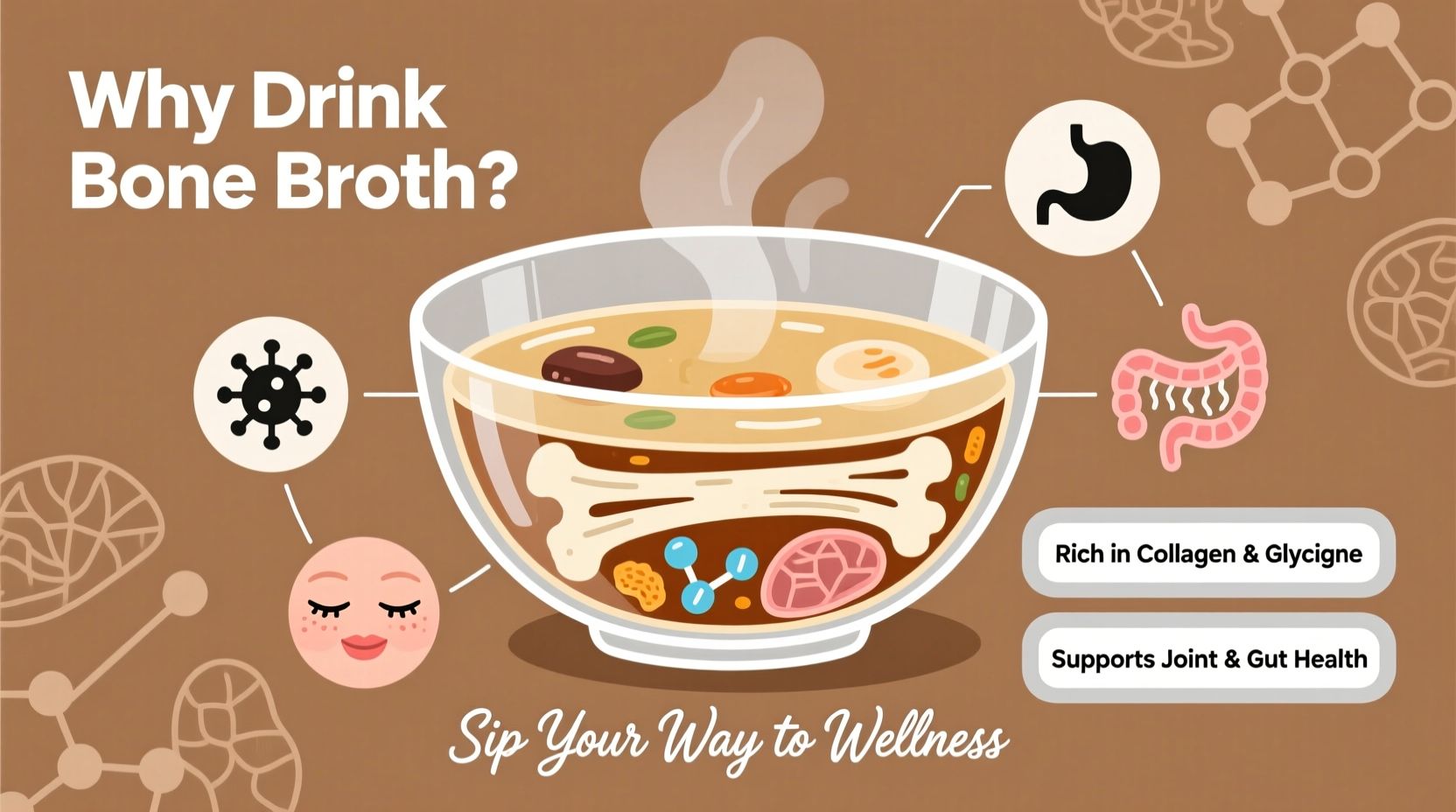
Bone broth is made by slow-cooking animal bones—typically from chicken, beef, or fish—with water, vinegar, and aromatic vegetables for up to 24 hours. The extended cooking time allows minerals like calcium, magnesium, phosphorus, and potassium to leach into the liquid. Simultaneously, connective tissues break down into gelatin and release collagen-building proteins such as glycine, proline, and glutamine.
These components form the core of bone broth’s health advantages. Unlike many supplements, the nutrients in bone broth are naturally occurring and highly absorbable, making them easier for the body to utilize.
Tip: Add a splash of apple cider vinegar when making bone broth—it helps draw out minerals from the bones more effectively.Gut Health and Digestive Support
One of the most well-documented benefits of bone broth lies in its ability to support digestive health. The gut lining acts as a barrier between the contents of the intestines and the bloodstream. When compromised—a condition often referred to as \"leaky gut\"—toxins and undigested food particles can enter circulation, triggering inflammation and immune responses.
Glycine and glutamine, two key amino acids abundant in bone broth, play critical roles in repairing and maintaining the integrity of the intestinal lining. Glutamine, in particular, is a primary fuel source for intestinal cells and has been studied for its role in reducing intestinal permeability.
“Glutamine is essential for maintaining gut barrier function. In clinical settings, we use it to support patients with gastrointestinal inflammation—and bone broth is one of the best natural sources.” — Dr. Lena Patel, Gastroenterology Nutrition Specialist
For individuals dealing with conditions like irritable bowel syndrome (IBS), Crohn’s disease, or chronic bloating, incorporating bone broth into their diet may offer soothing relief and promote long-term healing.
Joint and Connective Tissue Benefits
Collagen is the most abundant protein in the human body, forming the structural foundation of skin, tendons, ligaments, and cartilage. As we age, collagen production declines, leading to stiffer joints, slower recovery, and increased discomfort.
Bone broth provides hydrolyzed collagen peptides—smaller, easily absorbed fragments of collagen—that can help replenish these diminishing stores. Studies show that supplemental collagen improves joint pain and function in people with osteoarthritis, and while direct research on bone broth is limited, its composition suggests similar effects.
| Nutrient | Role in Joint Health | Found in Bone Broth? |
|---|---|---|
| Collagen Type II | Maintains cartilage structure | Yes (especially in chicken broth) |
| Glycine | Supports tissue repair and reduces inflammation | Yes |
| Proline | Essential for collagen synthesis | Yes |
| Glucosamine & Chondroitin | Promote joint lubrication and cushioning | Yes (released during long simmering) |
Skin, Hair, and Anti-Aging Effects
The same collagen that supports joints also contributes to skin elasticity and hydration. Clinical trials have demonstrated that oral collagen supplementation increases skin moisture, reduces wrinkles, and enhances firmness within weeks.
Because bone broth delivers collagen along with co-factors like vitamin A (from marrow) and zinc (from bones), it offers a synergistic boost for skin health. Regular consumption may result in fewer fine lines, stronger nails, and thicker hair—without the need for expensive topical treatments.
Tip: Drink warm bone broth before bed—glycine acts as a mild sedative and may improve sleep quality while supporting overnight tissue repair.Immune Function and Recovery Support
Bone broth has long been a go-to remedy during illness—think chicken soup for colds. But there’s real science behind this tradition. The amino acid cysteine, released from chicken bones during cooking, resembles medications used to thin mucus in respiratory infections. Meanwhile, the anti-inflammatory effects of collagen and glycine can reduce symptom severity.
In addition, bone marrow contains immune-modulating compounds such as alkylglycerols, which stimulate white blood cell production. While not a cure, bone broth can serve as a supportive element during recovery, providing hydration, electrolytes, and nutrients when appetite is low.
Mini Case Study: Recovering from Post-Viral Fatigue
Sarah, a 38-year-old teacher, struggled with persistent fatigue and joint aches after recovering from a viral infection. Her naturopath recommended adding 12–16 ounces of homemade beef bone broth daily to her diet. Within three weeks, she reported improved energy, reduced joint stiffness, and better digestion. Blood tests showed lower inflammatory markers, which her practitioner attributed partly to the consistent intake of gut-supportive nutrients from the broth.
How to Make and Use Bone Broth Effectively
To reap the full benefits, bone broth must be prepared properly. Here’s a step-by-step guide to maximizing nutrient extraction:
- Collect bones from organic, pasture-raised animals (leftover roasted chicken carcasses work well).
- Add bones to a large pot or slow cooker; cover with filtered water.
- Add 2 tablespoons of apple cider vinegar to help demineralize the bones.
- Include vegetables like carrots, celery, and onions for flavor (optional).
- Simmer for at least 12 hours (up to 24 for beef, 6–12 for chicken).
- Strain the liquid and discard solids.
- Store in glass jars: up to 5 days in the fridge or 6 months in the freezer.
Checklist: Maximizing Your Bone Broth Benefits
- ✔ Use high-quality, organic bones when possible
- ✔ Simmer for at least 12 hours for maximum mineral extraction
- ✔ Store in BPA-free or glass containers
- ✔ Drink 1 cup daily for consistent results
- ✔ Combine with vitamin C-rich foods to enhance collagen absorption
Frequently Asked Questions
Is store-bought bone broth as effective as homemade?
Many commercial broths lack the long cooking time needed to extract collagen and minerals. Look for brands that specify “simmered for over 10 hours” and contain only bones, water, vinegar, and minimal seasoning. Even then, homemade versions typically offer superior nutrient density.
Can I drink bone broth if I’m following a low-FODMAP or paleo diet?
Yes. Bone broth is naturally paleo-friendly and low in FODMAPs, provided no high-FODMAP ingredients (like onions or garlic) are added during preparation. Use approved aromatics such as ginger, parsley, and carrots to keep it compliant.
Are there any risks or side effects?
Bone broth is safe for most people. However, those with histamine intolerance may experience symptoms like headaches or digestive upset due to the long fermentation-like process during extended cooking. Start with small amounts (¼ cup) to assess tolerance.
Final Thoughts: Making Bone Broth a Daily Habit
Bone broth isn’t a miracle cure, but it is a powerful nutritional tool—one that bridges ancestral wisdom with modern science. Whether sipped plain in the morning, used as a base for soups, or added to sauces, its concentrated blend of collagen, amino acids, and minerals makes it a valuable addition to any wellness-focused lifestyle.
The beauty of bone broth lies in its simplicity. It transforms waste (bones that would otherwise be discarded) into nourishment, aligning with sustainable eating practices while delivering measurable health improvements. You don’t need fancy equipment or exotic ingredients—just time, patience, and a commitment to using whole foods.
🚀 Ready to start? Save your next chicken carcass, grab a pot, and begin simmering. One cup a day could be the easiest step you take toward better gut health, stronger joints, and radiant skin. Share your favorite recipe or experience in the comments below!