For gardeners and chili enthusiasts chasing extreme heat, cultivating superhot peppers is both a challenge and a passion. The quest for the world’s hottest pepper has led breeders to develop varieties that exceed 1 million Scoville Heat Units (SHU), pushing the limits of capsaicin production. Choosing the right seeds is the foundation of success—genetics determine not only heat but also yield, disease resistance, and adaptability to climate. This guide examines the most potent, reliable, and accessible superhot pepper seeds available today, offering practical insights for growing these fiery crops with precision and care.
Definition & Overview
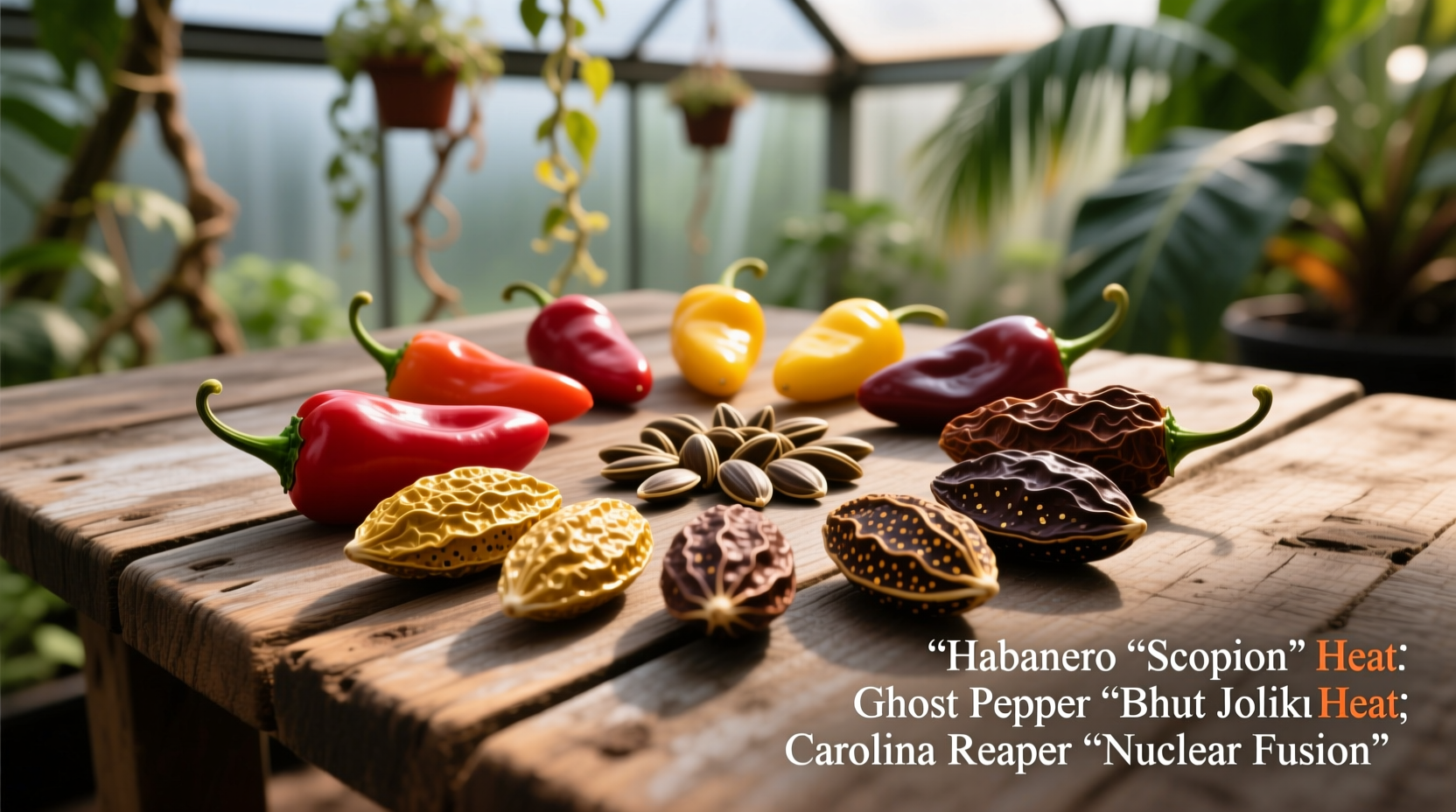
Superhot peppers are cultivars selectively bred or naturally occurring varieties that register above 800,000 Scoville Heat Units—the threshold that separates them from standard hot peppers like habaneros or cayennes. These chilies belong primarily to the *Capsicum chinense* species, known for its intense heat, fruity aromas, and thick-walled pods ideal for sauces, powders, and culinary dares. Originating in tropical regions of Central and South America, they thrive in warm climates but can be grown indoors or in greenhouses in temperate zones with proper technique.
The appeal of growing superhot peppers extends beyond mere heat. These plants offer ornamental value, high yields under optimal conditions, and unique flavor profiles ranging from smoky and earthy to citrusy and floral. However, their cultivation demands patience: germination can take 2–6 weeks, and full maturity often requires 90–150 days. Success hinges on selecting genetically stable, high-performing seed lines from reputable breeders.
Key Characteristics of Superhot Peppers
While individual varieties differ, all top-tier superhot peppers share core traits that define their category:
| Characteristic | Description |
|---|---|
| Heat Level | 800,000–2,500,000+ SHU; among the hottest edible substances on Earth. |
| Flavor Profile | Fruity, tropical, or floral notes upfront, followed by prolonged burning sensation. |
| Aroma | Intense, sweet-habanero-like fragrance when ripe; caution advised during handling. |
| Pod Shape & Color | Tapered, wrinkled, or bumpy pods; colors range from red, yellow, orange, chocolate brown, to white. |
| Culinary Function | Used sparingly in hot sauces, powders, infused oils, and competitive eating challenges. |
| Shelf Life | Fresh pods last 2–3 weeks refrigerated; dried or frozen, they retain potency for 1–2 years. |
| Growth Habit | Perennial in Zones 9–11; typically grown as annuals elsewhere. Plants reach 3–5 feet tall. |
Top Seeds for Growing the Hottest Peppers
The following varieties represent the elite tier of superhot pepper genetics, verified through independent testing, grower reports, and commercial availability. Each offers distinct advantages in heat, yield, and ease of cultivation.
1. Carolina Reaper (750,000–2,200,000 SHU)
Bred by Ed Currie of PuckerButt Pepper Company, the Carolina Reaper holds the Guinness World Record for hottest pepper (averaging 1.57 million SHU). Its pod features a distinctive \"stinger\" tail and bumpy texture. Available in red, yellow, and chocolate variants, it delivers a complex flavor: initial sweetness followed by escalating, long-lasting heat.
- Germination: 2–4 weeks at 80–90°F (27–32°C) with consistent moisture.
- Maturity: 90–120 days from transplant.
- Yield: High—up to 50 pods per plant under optimal care.
- Best For: Home growers seeking record-breaking heat and proven performance.
2. Trinidad Moruga Scorpion (1,200,000–2,009,000 SHU)
Originating in Trinidad, this scorpion-type pepper rivals the Reaper in peak heat. Pods are round with a pointed tip and deeply textured skin. Known for explosive, almost immediate burn and subtle berry-like undertones.
- Germination: Slow (3–5 weeks); benefits from bottom heat and humidity domes.
- Maturity: 100–130 days.
- Yield: Moderate; plants are vigorous but sensitive to overwatering.
- Best For: Experienced growers who prioritize raw heat over yield.
4. Ghost Pepper (Bhut Jolokia) (800,000–1,041,000 SHU)
Once the world’s hottest, the Ghost Pepper remains a staple due to its reliability and widespread seed availability. Native to northeastern India, it has a smoky, slightly sweet profile with delayed but intense heat onset.
- Germination: 2–3 weeks with warmth.
- Maturity: 90–100 days.
- Yield: Very high; one of the most productive superhots.
- Best For: Beginners entering the superhot category; excellent for drying and powdering.
5. 7 Pot Primo (1,000,000–1,400,000 SHU)
A stabilized, high-yielding strain of the legendary 7 Pot lineage. Developed for consistency in heat and pod size. Offers rich, tropical fruit flavors beneath the fire.
- Germination: 3–4 weeks; use seed heating mat.
- Maturity: 110–140 days.
- Yield: Exceptional—large plants produce dozens of pods.
- Best For: Sauce makers needing volume and uniformity.
6. Dragon’s Breath (Reported: 2.48 Million SHU)
A Welsh-bred experimental variety claimed to surpass the Reaper. Not widely available commercially due to safety concerns and limited seed distribution. Primarily used in medical research for its anesthetic properties.
- Availability: Extremely limited; not recommended for home growing without expertise.
- Risk: Capsaicin concentration may cause respiratory irritation; handle with full protective gear.
- Best For: Research or novelty purposes; not practical for culinary use.
Tip: Always source superhot pepper seeds from trusted suppliers such as PuckerButt Pepper Co., Hot Seed USA, or Pepper Joe’s. Avoid generic online marketplaces where mislabeling and poor germination rates are common.
Practical Usage in Cooking and Preservation
Superhot peppers are not meant for casual consumption. Their role in cuisine is functional and precise—used in minute quantities to elevate dishes without overwhelming them.
Culinary Applications
- Hot Sauces: Blend 1–2 chopped pods with vinegar, garlic, and fruit (e.g., mango or pineapple) for balanced heat. Simmer gently to extract flavor without degrading capsaicin.
- Dried Powders: Dehydrate pods completely (use food dehydrator or oven at 135°F/57°C), then grind into powder. Store in airtight glass jars away from light.
- Infused Oils: Use extreme caution—capsaicin is fat-soluble. Steep a small piece of pepper in oil for 24–48 hours, then strain immediately. Never store infused oils at room temperature due to botulism risk.
- Finishing Spice: Sprinkle micro-doses of ground pepper on tacos, ramen, or grilled meats for heat bursts.
Handling Safety Protocol
- Wear nitrile gloves when harvesting or processing.
- Avoid touching face, eyes, or mucous membranes.
- Use dedicated cutting boards and tools; clean thoroughly with soapy water afterward.
- Work in well-ventilated areas—capsaicin aerosols can irritate lungs.
- Keep milk or yogurt nearby to neutralize accidental exposure (casein binds capsaicin).
Professional Techniques
In restaurant kitchens, chefs often prepare superhot components off-site using calibrated scales. A single gram of Carolina Reaper powder can season hundreds of servings. Some molecular gastronomy applications involve encapsulating capsaicin for controlled release in dishes.
\"We treat superhot peppers like essential oils—potent, volatile, and transformative in tiny amounts.\" — Chef Lena Torres, Spicy Elements Bistro, Austin, TX
Variants & Types: Beyond the Standard Pod
Within each major variety, multiple phenotypes exist based on color, shape, and growth patterns. Selecting the right type depends on your goals.
| Variety | Type | Characteristics | Best Use Case |
|---|---|---|---|
| Carolina Reaper | Red | Classic stinger shape; highest average heat | Sauces, competitions |
| Carolina Reaper | Yellow | Slightly less heat; brighter citrus notes | Pickling, salsas |
| Carolina Reaper | Chocolate (Brown) | Earthy, smoky flavor; matures slower | BBQ rubs, smoked dishes |
| Ghost Pepper | Red | Standard, widely available | Drying, powders |
| Ghost Pepper | Yellow | Sweeter, more floral | Condiments, gourmet oils |
| Trinidad Scorpion | Butch T (Original) | Max heat, irregular pods | Extreme heat challenges |
Comparison with Similar Ingredients
Many confuse superhot peppers with other hot chilies or spices. Understanding differences ensures correct usage.
| Pepper / Spice | Heat (SHU) | Species | Key Difference |
|---|---|---|---|
| Carolina Reaper | 1.5M avg | C. chinense | Highest verified consumer-level heat |
| Habanero | 100,000–350,000 | C. chinense | Significantly milder; used whole or raw |
| Serrano | 10,000–23,000 | C. annuum | Shorter burn, crisp texture; fresh applications |
| Pepper X | 3.18M (unverified) | C. chinense | Experimental; not commercially available |
| White Habanero | 200,000–500,000 | C. chinense | Milder than superhots; creamy, citrusy flavor |
Note: \"Pepper X,\" developed by the same breeder as the Reaper, claims higher heat but lacks independent verification and public seed access.
Practical Tips & FAQs
How do I improve germination rates for superhot seeds?
Soak seeds in a weak hydrogen peroxide solution (1 tsp per cup of water) for 15 minutes before planting to reduce fungal risk. Use a seed-starting mix with perlite for drainage, maintain soil temperature at 85°F (29°C) with a heat mat, and cover trays with humidity domes.
Can I grow superhot peppers indoors?
Yes. Use a south-facing window or full-spectrum LED grow lights (minimum 30 watts per plant). Provide 14–16 hours of light daily. Hand-pollinate flowers using a small brush when blooms appear.
What causes low yields or flower drop?
Common culprits include inconsistent watering, nutrient imbalance (excess nitrogen), lack of pollination, or temperatures below 65°F (18°C) or above 90°F (32°C). Maintain steady moisture and fertilize with low-nitrogen, high-phosphorus formula once flowering begins.
Are there legal restrictions on growing superhot peppers?
No U.S. federal laws prohibit cultivation, but some municipalities restrict public display due to child safety concerns. Check local ordinances if selling at markets.
How should I store harvested pods?
Freeze whole peppers in sealed bags for up to two years. Alternatively, dry them in a dehydrator until brittle, then store in vacuum-sealed containers with oxygen absorbers. Label clearly with variety and date.
Can I cross-pollinate different superhot varieties?
Yes—bees and wind can transfer pollen between *C. chinense* types. To preserve genetic purity, isolate plants by 1,000 feet or use insect-proof cages. Save seeds only from isolated, healthy pods.
Pre-Planting Checklist
- ✓ Source seeds from reputable breeder
- ✓ Prepare heat mat and humidity dome
- ✓ Test soil pH (ideal: 6.0–6.8)
- ✓ Start seeds 8–10 weeks before last frost
- ✓ Label trays clearly by variety
Summary & Key Takeaways
Growing the hottest peppers begins with selecting superior seeds from genetically stable, high-heat lines. The Carolina Reaper, Trinidad Moruga Scorpion, and 7 Pot Primo stand out for their combination of extreme heat, productivity, and accessibility. While novices should start with Ghost Peppers or stabilized Reapers, experienced growers can explore rare phenotypes and breeding projects.
Success depends on meticulous attention to germination conditions, environmental stability, and safe handling practices. These plants demand more time and care than standard vegetables, but the reward—a harvest of some of the planet’s spiciest produce—is unmatched in intensity and satisfaction.
Whether you're crafting boutique hot sauces, competing in chili cook-offs, or simply exploring the outer edges of flavor, the right seeds transform ambition into achievement. Prioritize quality sources, practice safety, and respect the power of capsaicin—then let your garden ignite.
Ready to grow fire? Start with Carolina Reaper seeds from PuckerButt Pepper Company and track your first harvest in a gardening journal. Share your journey with #HomegrownHeat.