Potato salad is a staple at backyard barbecues, picnics, and holiday gatherings—but too often, it falls flat. The culprit? Underseasoned potatoes drowning in bland mayonnaise. While the base ingredients matter, it’s the seasonings that transform a forgettable side into a standout dish. Whether you're crafting a creamy American-style salad, a tangy German-inspired version, or a herb-forward Mediterranean twist, the right blend of seasonings can elevate texture, aroma, and depth. Understanding which spices and herbs enhance the earthy sweetness of potatoes—and how and when to use them—is essential for any home cook aiming to master this classic dish.
Definition & Overview
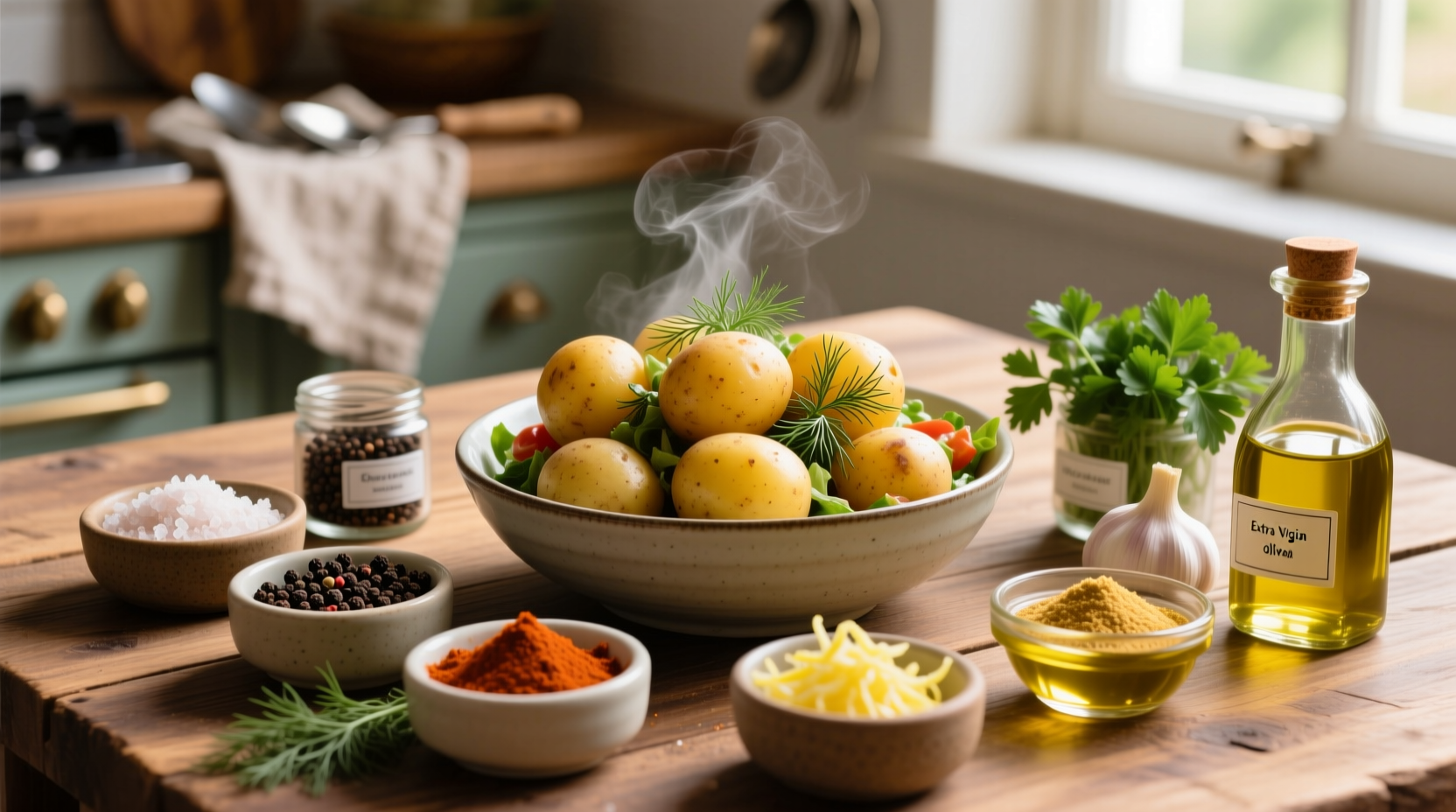
Potato salad is a chilled dish primarily composed of boiled potatoes combined with a binding agent—typically mayonnaise, mustard, vinegar, or oil—and enhanced with aromatics, vegetables, and seasonings. Its origins are debated, but modern versions trace back to 18th-century Europe, particularly Germany and France, where early recipes used vinegar and oil dressings. The American adaptation, popularized in the 19th century, embraced mayonnaise as the primary binder, leading to the creamy style most recognize today.
The flavor profile of potato salad hinges on balance: the starchy neutrality of potatoes provides a canvas for seasonings to shine. Unlike more aggressive dishes, potato salad relies on layering subtle yet distinct notes—salty, tangy, herbal, umami, and occasionally spicy—to create complexity without overpowering. This makes seasoning not an afterthought, but the cornerstone of success.
Key Characteristics of Effective Potato Salad Seasonings
Not all spices work equally well in potato salad. The ideal seasonings complement the soft texture and mild taste of potatoes while integrating smoothly into cold preparations. Below are the defining traits of high-impact seasonings for this dish:
| Characteristic | Description |
|---|---|
| Flavor Profile | Should add brightness (herbs), depth (spices), or tang (acidic elements) without bitterness or harshness. |
| Aroma | Fragrant but not overwhelming; volatile oils in fresh herbs dissipate when heated but bloom when steeped in warm dressing. |
| Heat Level | Generally low to none; exceptions include paprika or cayenne for gentle warmth. |
| Culinary Function | Enhance mouthfeel, preserve freshness, cut through richness, or provide contrast (e.g., dill cutting through mayo). |
| Shelf Life Impact | Dried spices last months; fresh herbs degrade within days. Some seasonings (like garlic) intensify over time. |
| Solubility/Integration | Must disperse evenly in cold mixtures; ground spices integrate better than whole seeds unless bloomed. |
Essential Seasonings for Flavorful Potato Salad
The following seasonings consistently deliver depth, balance, and character in potato salads across styles and regions. Their effectiveness lies in compatibility with potatoes and synergy with common accompaniments like eggs, pickles, onions, and celery.
1. Dill (Fresh or Dried)
Dill brings a bright, grassy-anise note that cuts through rich binders. Fresh dill is superior, offering vibrant color and aromatic lift. Use 1–2 tablespoons chopped per pound of potatoes. Add at the end to preserve its delicate flavor. Dried dill works in a pinch but lacks freshness—use 1 teaspoon per tablespoon of fresh.
2. Mustard (Dijon or Yellow)
More than a binder enhancer, mustard contributes tang, emulsification, and subtle heat. Dijon adds sophistication with wine and spice undertones; yellow mustard delivers punchy acidity. Incorporate 1–2 teaspoons directly into the dressing. It also helps suspend other spices evenly throughout the salad.
3. Paprika (Sweet, Smoked, or Hot)
Paprika imparts color and earthiness. Sweet paprika adds mild pepper flavor; smoked paprika (pimentón) introduces campfire depth ideal for grilled potato salads; hot paprika brings gentle heat. Bloom ½–1 teaspoon in warm oil or dressing base to unlock full flavor before mixing.
4. Garlic (Fresh or Powdered)
Fresh minced garlic offers pungency that mellows when blended into cold salads. Use sparingly—¼ to ½ teaspoon per pound of potatoes—to avoid overpowering. Garlic powder provides consistency and integrates smoothly; use ⅛ to ¼ teaspoon. For deeper flavor, gently sauté minced garlic in olive oil before adding to dressing.
5. Onion Family (Red Onion, Shallots, Chives, Green Onions)
These provide sharpness and crunch. Red onion adds bite and color; soak in cold water for 10 minutes to reduce harshness. Shallots offer refined sweetness; chives deliver mild onion flavor with visual appeal. Use 2–4 tablespoons finely diced, depending on variety.
6. Celery Seed
A quintessential ingredient in American-style potato salad, celery seed has a concentrated, slightly bitter, herbal punch reminiscent of celery but more intense. Use ¼ to ½ teaspoon ground or whole. Toast lightly in a dry pan to enhance aroma before use.
7. Black Pepper (Freshly Cracked)
Freshly cracked black pepper adds subtle heat and floral notes absent in pre-ground versions. Use ¼ to ½ teaspoon per batch. Coarse cracks distribute unevenly, so grind to medium-fine for even dispersion.
8. Vinegar (Apple Cider, White Wine, or Malt)
Vinegar balances richness and preserves texture. Apple cider vinegar adds fruitiness; white wine vinegar offers clean acidity; malt vinegar gives British-style tang. Use 1–2 tablespoons. Always season warm potatoes with vinegar immediately after cooking to allow absorption.
9. Salt (Kosher or Sea Salt)
Non-negotiable. Potatoes require generous salting during boiling—about 1 tablespoon kosher salt per quart of water. Undersalted potatoes cannot be fully corrected later. Finish with flaky sea salt for texture and final seasoning adjustment.
10. Fresh Parsley
Flat-leaf parsley adds freshness and color without dominating. Use as a finishing herb—¼ cup chopped per batch. Curly parsley is acceptable but less aromatic.
Pro Tip: Season potatoes while warm. Toss cooked, drained potatoes with a portion of vinegar, salt, and a small amount of oil or dressing immediately after draining. This allows them to absorb flavors before cooling, preventing a bland base.
Variants & Types: Adapting Seasonings by Regional Style
Potato salad varies widely by region, each with signature seasoning profiles. Understanding these differences allows customization based on occasion and palate.
| Style | Core Seasonings | Binding Agent | Usage Notes |
|---|---|---|---|
| American Creamy | Mayo, yellow mustard, celery seed, onion, paprika, black pepper | Mayonnaise-heavy | Classic picnic style; balance sweetness with tang. Add relish or sweet pickle juice for complexity. |
| German Warm | White wine vinegar, Dijon, bay leaf, juniper berries, parsley | Vinaigrette (oil + vinegar) | Serve warm or room temperature; toss potatoes in warm dressing with aromatics. Juniper adds piney depth—crush 2–3 berries per batch. |
| Mediterranean | Olive oil, lemon zest, oregano, garlic, capers, red wine vinegar | Extra virgin olive oil | Add olives and tomatoes; finish with feta. Oregano should be used sparingly—½ tsp dried or 1 tbsp fresh. |
| French Salade Niçoise–Style | Tarragon, shallots, Dijon, lemon juice, chervil | Light vinaigrette | Emphasize fines herbes; tarragon’s licorice note pairs beautifully with tuna or green beans if added. |
| Spicy Southwestern | Chili powder, cumin, cilantro, lime juice, jalapeño, cayenne | Avocado crema or lime-mayo | Bloom cumin in oil first; use fresh cilantro generously. Garnish with pickled red onions. |
Comparison with Similar Ingredients
Some seasonings are easily confused or substituted incorrectly. Knowing the distinctions ensures accurate flavor development.
- Dill vs. Fennel Fronds: Both have anise notes, but fennel fronds are more floral and less assertive. Can substitute in a 1:1 ratio, but dill dominates more readily.
- Celery Seed vs. Caraway: Visually similar, but caraway is stronger, earthier, and commonly used in rye breads. Never interchange in potato salad—it will taste like sauerkraut.
- Paprika vs. Chili Powder: Paprika is pure ground pepper; chili powder contains cumin, garlic, and other spices. Use chili powder only in Southwestern variations.
- White Vinegar vs. Apple Cider Vinegar: White vinegar is sharper and cleaner; apple cider vinegar is fruitier and milder. Avoid distilled white vinegar in favor of cider or wine-based options for better balance.
- Fresh Garlic vs. Garlic Salt: Garlic salt includes sodium and loses potency over time. Use fresh garlic whenever possible; if substituting, reduce additional salt by ¼ tsp per ½ tsp garlic salt.
\"Seasoning a potato salad isn't about masking the potato—it's about revealing its potential. A properly seasoned spud should taste like itself, but brighter, deeper, and more alive.\" — Chef Elena Ruiz, Culinary Instructor, Institute of Southern Cuisine
Practical Usage: How to Layer Seasonings Effectively
Timing and technique are as important as ingredient selection. Follow this step-by-step method for maximum flavor penetration:
- Boil with Salt and Aromatics: Use heavily salted water. Optional: add a bay leaf, few peppercorns, or smashed garlic clove to the cooking water for subtle background notes.
- Drain and Season Immediately: As soon as potatoes are tender, drain and return to the pot. Sprinkle with 1–2 tbsp vinegar and ½ tsp salt. Gently toss and let sit 5 minutes. This step prevents sogginess and builds foundational acidity.
- Prepare Dressing Separately: Whisk together mayo (or oil), mustard, remaining vinegar, spices (except fresh herbs), and minced aromatics. If using smoked paprika or cumin, warm 1 tsp oil and bloom spices for 30 seconds before adding liquids.
- Combine While Slightly Warm: Fold dressing into potatoes while they’re still lukewarm (not hot). This allows emulsification and absorption without breaking the potatoes.
- Chill and Rest: Refrigerate for at least 2 hours, preferably overnight. Flavors meld and deepen over time.
- Finish Before Serving: Stir gently and adjust seasoning. Add fresh herbs, a splash of vinegar, or flaky salt to refresh the profile.
Expert Technique: For ultra-smooth integration, blend part of the dressing with a few spoonfuls of potatoes to create a slurry before folding into the rest. This thickens the dressing naturally and improves adhesion.
Storage, Shelf Life & Substitutions
Potato salad keeps for 3–5 days in an airtight container in the refrigerator. However, flavor evolves:
- Garlic and onions intensify over time; dill and parsley fade after 24 hours.
- If salad tastes flat after storage, revive with a squeeze of lemon, dash of vinegar, or pinch of fresh herbs.
- Mayo-based versions may weep liquid; stir well before serving.
Common Substitutions
- Mayo → Greek yogurt or avocado: Reduces fat but changes texture. Adjust seasoning—yogurt is tangier; avocado is richer. Add extra acid to balance.
- Fresh dill → 1 tsp dried dill + ½ tsp lemon zest: Compensates for lost brightness.
- Shallots → red onion soaked in water: Closest substitute; scallion whites work in a pinch.
- Dijon mustard → whole grain mustard: Adds texture and mild heat; do not substitute spicy brown unless desired.
FAQs
Can I make potato salad ahead of time?
Yes, and it’s recommended. Allowing it to rest for 4–12 hours lets flavors meld. However, add fresh herbs and garnishes just before serving to maintain vibrancy.
Why is my potato salad mushy?
Overcooking, undersized potatoes (which break down faster), or mixing while hot can cause breakdown. Use waxy varieties like Yukon Gold or red bliss, cook until just tender, and handle gently.
How do I fix an overly salty potato salad?
Add unsalted boiled potatoes, a peeled raw potato (soak for 30 minutes then remove), or dilute with extra mayo/yogurt. A pinch of sugar or splash of vinegar can also help balance.
Are there non-dairy seasonings that add umami?
Yes. Use capers, sun-dried tomatoes, miso paste (½ tsp whisked into dressing), or a dash of soy sauce. These deepen flavor without dairy.
Can I use curry powder in potato salad?
Absolutely. Indian-inspired versions use 1–2 tsp curry powder, cilantro, raisins, and cashews. Pair with Greek yogurt dressing and serve chilled. Toast the curry powder in oil first for optimal flavor release.
Summary & Key Takeaways
The best seasonings for potato salad are those that enhance, not mask, the inherent qualities of the potato. Success lies in layering flavors at multiple stages—during boiling, dressing preparation, and final assembly. Prioritize fresh herbs, balanced acidity, and thoughtfully chosen spices tailored to the desired regional profile.
Key principles include:
- Season potatoes while warm for maximum absorption.
- Use vinegar or mustard to cut through richness and stabilize emulsions.
- Balance salt, acid, fat, and aromatics—no single element should dominate.
- Respect the evolution of flavor over time; adjust seasoning before serving.
- Experiment confidently within cultural frameworks—swap dill for tarragon, paprika for cumin—while understanding core flavor roles.
Final Thought: Great potato salad isn’t accidental. It’s built on intentionality—one pinch of salt, one crack of pepper, one sprig of dill at a time. Master the seasonings, and you’ll never serve a bland bowl again.