When crafting a juicy, flavorful burger at home, the choice of bun is not an afterthought—it’s foundational. Among all available options, potato buns have emerged as the gold standard for balancing softness, structure, and subtle sweetness that complements rich beef patties. Unlike generic white hamburger rolls, potato buns offer enhanced moisture retention, a tender crumb, and just enough integrity to hold up against dripping juices without collapsing. For cooks seeking to replicate restaurant-quality burgers at home, understanding what makes a potato bun exceptional—and which varieties perform best—is essential. This guide explores the science, sensory qualities, and practical applications of potato buns, helping you select the ideal match for your next burger masterpiece.
Definition & Overview
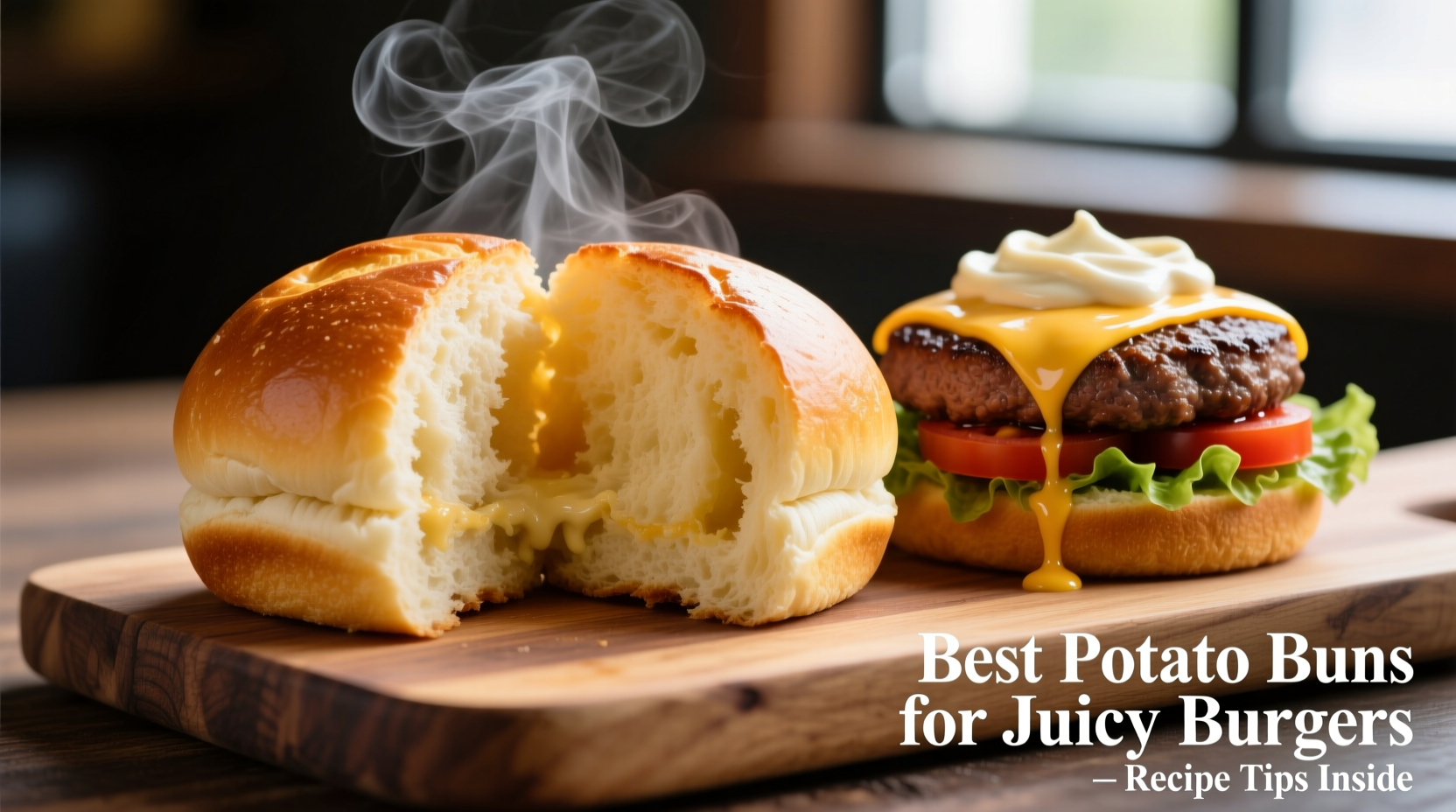
Potato buns are enriched sandwich rolls made with mashed potatoes or potato flour incorporated into the dough. Originating in early 20th-century American bakeries, they were developed as a way to extend shelf life and improve softness using readily available ingredients. Today, they’re widely recognized for their pillowy texture and mild sweetness, making them especially well-suited for hearty sandwiches like hamburgers, pulled pork, and grilled chicken.
The inclusion of potato—whether in dehydrated form or fresh puree—alters the starch composition of the dough, resulting in improved water absorption and delayed staling. This gives potato buns a longer freshness window than traditional milk or egg buns. Their golden-brown crusts and fine, springy interior create an ideal contrast when paired with seared meats and crisp toppings.
In the context of burgers, potato buns serve more than just structural support; they contribute flavor nuance. The natural sugars in potatoes caramelize during baking, producing a delicate malty note that enhances umami-rich proteins. Additionally, their slightly sweet profile balances spicy condiments, sharp cheeses, and acidic pickles, rounding out the overall taste experience.
Key Characteristics
What sets high-performing potato buns apart from average rolls? Several measurable and sensory traits determine quality:
| Characteristic | Description |
|---|---|
| Texture | Soft, springy crumb with slight chew; resilient enough to resist sogginess under heavy sauces or meat juices. |
| Flavor Profile | Mildly sweet with earthy undertones from potato; not overly sugary or artificial-tasting. |
| Aroma | Warm, yeasty scent with hints of toasted grain and faint butteriness (especially if brushed with butter post-bake). |
| Color & Form | Golden brown crust, often with sesame seeds; round, domed top, typically 3.75–4 inches wide. |
| Moisture Retention | High due to potato starch binding water; stays fresh longer than wheat-only buns. |
| Shelf Life | Commercial: 7–10 days unopened; homemade: 3–5 days stored airtight at room temperature. |
| Culinary Function | Structural support, flavor enhancement, textural contrast, moisture management. |
Practical Usage: How to Use Potato Buns in Burger Recipes
Selecting the right potato bun is only half the equation—how you prepare and assemble it determines whether it elevates or undermines your burger. Follow these professional techniques to maximize performance:
Toast Strategically
Toasting is non-negotiable for optimal texture. Light griddling on a flat-top, skillet, or grill creates a protective barrier that slows juice absorption. Heat the cut side over medium heat for 60–90 seconds until golden. For extra richness, spread a thin layer of softened butter or mayonnaise before toasting—the fat promotes browning and adds depth.
Size-to-Patty Ratio
Match bun diameter to patty size. A standard 4-inch potato bun pairs perfectly with a 3.75-inch patty (allowing slight overhang). Oversized buns dilute flavor-to-bread ratio; undersized ones lead to spillage. For double-stack burgers, consider brioche-style potato buns with added egg for extra strength.
Assembly Order Matters
Layer ingredients to protect the bun from moisture:
- Bottom bun (toasted)
- Condiment (e.g., mayonnaise or special sauce) applied directly to toast—creates a moisture seal
- Lettuce leaf (acts as a physical barrier between wet toppings and bread)
- Patty with cheese
- Tomato, onions, pickles
- Top bun (toasted), optionally spread with mustard or aioli
Pro Tip: If preparing burgers ahead of time, toast buns but store separately from assembled components. Reassemble just before serving to maintain structural integrity and prevent sogginess.
Pairing Suggestions
- Beef Burgers: Classic pairing. Choose plain or sesame-topped potato buns to complement charred edges and melted cheddar.
- Veggie or Black Bean Burgers: Opt for whole wheat potato hybrid buns to enhance earthy flavors and add fiber.
- Spicy Chicken Sandwiches: Balance heat with the mild sweetness of potato buns; add pickled jalapeños and slaw for acidity.
- Gourmet Toppings (blue cheese, caramelized onions): Use artisanal potato buns with visible potato flecks for visual appeal and rustic charm.
Variants & Types of Potato Buns
Not all potato buns are created equal. Understanding variations helps match the right type to your recipe and cooking method.
1. Commercial Bakery-Style (Mass-Market)
Found in supermarkets nationwide, these include brands like Martin’s, King’s Hawaiian, and Oroweat. Typically contain potato flour, high-fructose corn syrup, and preservatives for extended shelf life. Texture is uniformly soft, sometimes overly so. Best for casual weeknight burgers where convenience trumps artisanship.
2. Artisan / Bakery-Fresh
Made with real mashed potatoes, less sugar, and no artificial additives. Often baked daily and sold locally. These exhibit superior flavor complexity and better browning potential. Ideal for gourmet presentations or food photography. May require freezing for long-term storage.
3. Homemade Potato Buns
Full control over ingredients and texture. Recipes usually call for boiled russet or Yukon Gold potatoes, yeast, milk, butter, and flour. Can be customized with herbs, seeds, or whole grains. Requires 2–3 hours active prep but yields unmatched freshness. Freezes well when par-baked.
4. Gluten-Free Potato Buns
Use potato starch as a base instead of wheat flour. Often denser and more fragile. Suitable for dietary restrictions but may lack elasticity needed for juicy burgers unless reinforced with xanthan gum or eggs.
5. Sweet Potato Buns
Distinct from regular potato buns—made with orange-fleshed sweet potatoes. Sweeter, more vibrant color, and pronounced vegetable flavor. Pairs exceptionally well with turkey burgers, black beans, or smoky bacon. Not recommended for classic beef due to flavor competition.
| Type | Best For | Texture | Availability |
|---|---|---|---|
| Commercial | Everyday use, family meals | Very soft, slightly sweet | Widely available |
| Artisan | Gourmet burgers, dinner parties | Springy, complex flavor | Specialty stores, farmers markets |
| Homemade | Customization, freshness | Fully controllable | DIY only |
| Gluten-Free | Dietary needs | Denser, crumblier | Limited brands |
| Sweet Potato | Veggie, fusion burgers | Moist, cake-like | Niche availability |
Comparison with Similar Ingredients
Potato buns are often confused with other enriched rolls. While similarities exist, key differences affect performance in burger applications.
| Bun Type | Main Ingredient | Sweetness Level | Structural Integrity | Best Burger Match |
|---|---|---|---|---|
| Potato Bun | Potato flour/mashed potato | Moderate | High (resists sogginess) | All types, especially juicy beef |
| Brioche | Egg, butter | High | Low to moderate (melts easily) | Gourmet, low-moisture fillings |
| Sourdough | Fermented wheat | Low | Very high (firm) | Lean burgers, goat cheese, arugula |
| Kaiser Roll | Wheat flour, malt | Low | High (crusty exterior) | Pastrami, Reuben-style burgers |
| Slider Bun | Milk, sugar | Moderate | Moderate (small size limits load) | Mini burgers, appetizers |
Note: While brioche is often praised for its luxury feel, its high-fat content causes rapid breakdown when exposed to hot juices. Potato buns provide comparable softness with greater durability—a critical advantage in real-world eating conditions.
Practical Tips & FAQs
How do I store potato buns to keep them fresh?
Keep unopened packages in a cool, dry place away from sunlight. Once opened, transfer to an airtight container or resealable bag. For long-term storage (up to 3 months), freeze buns individually wrapped in plastic, then placed in a freezer-safe bag. Thaw at room temperature or toast directly from frozen.
Can I make my own potato buns at home?
Yes, and doing so allows full ingredient control. A basic recipe includes: 1 cup warm milk, 2¼ tsp active dry yeast, 1 large egg, ⅓ cup mashed potato, 3 tbsp butter, 1 tsp salt, 1 tbsp sugar, and 3–3.5 cups bread flour. Mix, knead, proof twice, shape into rounds, bake at 375°F for 18–20 minutes. Brush tops with butter after baking for shine.
Are potato buns healthier than regular buns?
They are nutritionally similar to white buns but offer slightly higher potassium and vitamin B6 from potatoes. However, many commercial versions contain added sugar and oils. Check labels: aim for products listing “potato” or “potato flour” within the first five ingredients without high-fructose corn syrup.
Why do some potato buns fall apart even when toasted?
Poor gluten development or excessive moisture in the dough can weaken structure. In commercial products, this may indicate low protein flour or inadequate baking time. Toasting helps, but cannot compensate for fundamentally weak construction. Choose brands known for consistency.
What brand of potato bun do chefs prefer?
According to surveys of independent burger restaurants, Martin’s Potato Rolls are the most frequently cited favorite due to their balance of softness and resilience. Regional bakeries like Maine’s Oakhurst Dairy (discontinued but legendary) inspired cult followings. Today, emerging craft brands such as Miller’s Bake House and Grand Central Bakery offer competitive alternatives.
“The perfect burger bun should disappear in memory but be missed if absent. Potato buns achieve that—they support without dominating, soften without dissolving.” — Chef Naomi Chang, Modern Grilling Quarterly
Do potato buns work for non-beef burgers?
Absolutely. Their neutral-sweet profile complements plant-based patties, salmon, lamb, and turkey. For fish sandwiches, try lightly seasoned potato buns with dill or lemon zest folded into the dough. Avoid pairing with very dry fillings unless adding moist toppings like coleslaw or tartar sauce.
Summary & Key Takeaways
Potato buns represent a culinary sweet spot: tender yet sturdy, subtly sweet yet balanced, convenient yet capable of refinement. When selecting one for juicy burger recipes, prioritize texture resilience, ingredient transparency, and proper sizing. Whether purchasing mass-market brands or baking from scratch, the goal remains consistent—to create a harmonious union between patty and bread where neither overpowers the other.
- Potato buns outperform many alternatives due to superior moisture management and structural integrity.
- Toast both sides lightly to build a protective crust against dripping juices.
- Artisan and homemade versions offer better flavor depth than highly processed options.
- Store properly to extend freshness; freeze extras for future use.
- Pair wisely—standard potato buns suit beef best, while sweet potato variants excel with vegetarian fillings.
Ready to upgrade your burger game? Start by replacing your current bun with a high-quality potato roll—preferably toasted with butter. Notice how the improved texture and flavor integration transforms even a simple cheeseburger into a memorable meal. Then experiment: try homemade versions, compare regional brands, or customize with herbs and seeds. The bun isn’t just a vessel—it’s part of the experience.