Freshly made pasta has a texture and flavor that dried supermarket varieties simply can't match. The delicate chew, the subtle egg richness, and the way sauce clings to its surface transform an ordinary meal into something memorable. With the rise of user-friendly pasta makers—both manual and electric—homemade pasta is no longer reserved for Italian grandmothers or restaurant kitchens. It’s now accessible to anyone who wants to elevate their weeknight dinner. This guide explores the best pasta recipes that shine when made at home, paired perfectly with the capabilities of modern pasta makers.
The Rise of the Home Pasta Maker
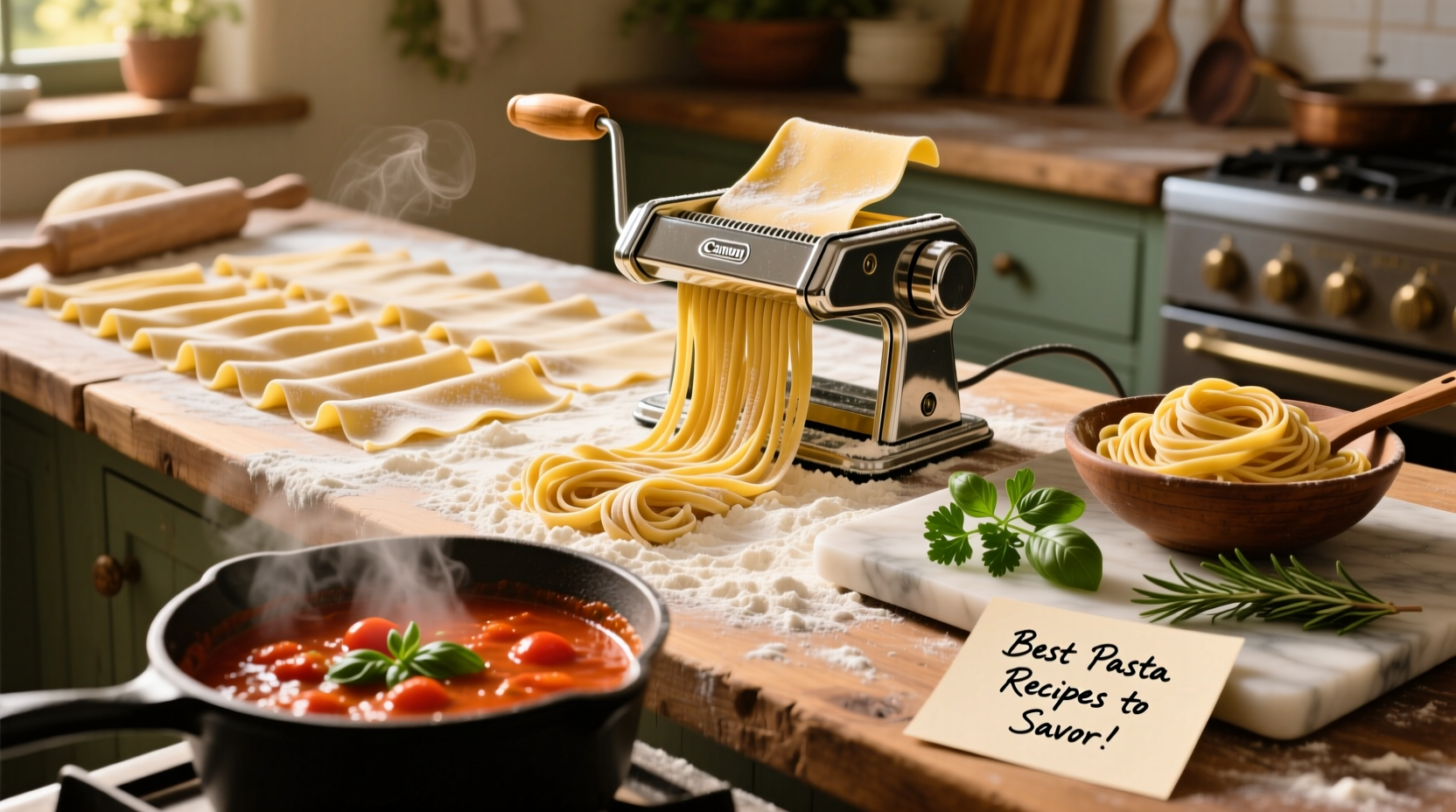
Pasta makers have evolved from bulky, intimidating machines to compact, intuitive tools designed for everyday cooks. Whether you choose a hand-cranked model that mounts to your countertop or an all-in-one electric unit, these devices simplify the process of turning simple dough into elegant ribbons, tubes, or shapes. Most models handle semolina, all-purpose, or 00 flour with ease, allowing for experimentation with flavors and textures.
What sets homemade pasta apart isn’t just freshness—it’s control. You decide the thickness, width, and shape, tailoring each batch to complement a specific sauce. A thick pappardelle holds ragu beautifully; tiny gemelli traps creamy sauces in its twists. When paired with the right recipe, your pasta maker becomes a gateway to authentic, restaurant-quality dishes.
Top 5 Homemade Pasta Recipes That Shine
Not all pastas benefit equally from being made at home. Some shapes are too intricate for machines, while others lose their charm without the handmade touch. The following recipes leverage the strengths of home pasta makers: consistency, speed, and precision.
1. Classic Fettuccine Alfredo (Roman Style)
True Roman Alfredo relies on emulsification—not cream. Fresh fettuccine is essential because its porous surface helps bind the simple sauce of butter, Pecorino Romano, and starchy pasta water.
Tip: Cook the pasta one minute less than usual. Finish it directly in the saucepan with the sauce to maximize starch transfer and create a silky texture.- Mix 2 cups 00 flour with 3 large eggs and a pinch of salt. Knead into a smooth dough; rest 30 minutes.
- Roll through the pasta maker, starting at the thickest setting and narrowing to #5 or #6.
- Cut into 1/4-inch ribbons using the fettuccine attachment.
- Boil for 2–3 minutes until al dente.
- Toss with melted unsalted butter, freshly grated Pecorino, and a splash of pasta water until glossy.
2. Spinach and Ricotta Ravioli with Brown Butter Sage Sauce
This dish showcases how homemade pasta enhances both flavor and presentation. Delicate squares of green-tinted dough encase a light ricotta filling, then bathe in nutty brown butter.
- Dough: Add 1/2 cup cooked, squeezed spinach puree to the basic egg-flour mix.
- Filling: Combine 1 cup ricotta, 1/4 cup grated Parmigiano, one egg yolk, salt, and nutmeg.
- Use the pasta roller to create thin sheets. Place teaspoon-sized mounds of filling every two inches. Brush around with water, cover with a second sheet, and press between to seal. Cut into squares.
- Boil gently for 3–4 minutes.
- Serve with browned butter, crisped sage leaves, and extra cheese.
3. Rustic Orecchiette with Sausage and Broccoli Rabe
While traditional orecchiette is hand-shaped, some advanced pasta makers now include dies for this “little ear” pasta. Alternatively, use short extruded shapes like cavatelli if your machine supports them.
The key here is texture contrast: tender pasta against bitter greens and spicy sausage. The slightly rough surface of homemade extruded pasta grabs the garlicky oil dressing perfectly.
4. Tagliatelle with Wild Mushroom Ragù
A rich, earthy ragù demands a sturdy ribbon pasta. Tagliatelle, slightly wider than fettuccine, stands up to slow-cooked mushrooms and a splash of dry sherry.
“Fresh pasta absorbs flavor like a sponge. When you make it yourself, you’re not just cooking—you’re building layers of taste.” — Marco Bellucci, Chef & Culinary Instructor
Simmer cremini, shiitake, and porcini mushrooms with shallots, garlic, thyme, and vegetable stock for 45 minutes. Finish with a spoonful of crème fraîche. Toss with hot tagliatelle and top with parsley and Parmesan.
5. Lemon-Chive Pappardelle with Seared Scallops
Bright, wide pappardelle pairs beautifully with delicate seafood. Infuse the dough with lemon zest and a handful of finely chopped chives. After rolling and cutting, cook and toss with browned scallops, white wine, and a touch of butter.
This recipe demonstrates how customization—adding herbs, citrus, or even squid ink—turns pasta into a canvas for seasonal ingredients.
Choosing the Right Pasta Shape for Your Sauce
One of the greatest advantages of using a pasta maker is matching shape to sauce. The wrong pairing results in sliding sauce or overwhelming bites. Use this guide to align form with function.
| Pasta Shape | Sauce Type | Why It Works |
|---|---|---|
| Fettuccine, Tagliatelle | Creamy, butter-based, meat ragù | Wide surface holds thick sauces |
| Spaghetti, Linguine | Tomato, oil-based, seafood | Smooth strands carry light sauces evenly |
| Orecchiette, Cavatelli | Chunky vegetable, sausage, broccoli rabe | Depressions trap small bits and oil |
| Ravioli, Tortellini | Butter-sage, light broth, cream | Filling provides flavor; sauce complements |
| Pappardelle | Hearty stews, game ragù, seared proteins | Robust texture supports bold flavors |
Step-by-Step Guide: Making Pasta from Start to Finish
Even first-time users can produce excellent results by following a clear process. Here’s how to go from flour to fork in under an hour.
- Prepare the dough: Mound 2 cups fine flour on a clean surface. Create a well in the center. Add 3 large eggs, 1 tsp olive oil, and a pinch of salt. Using a fork, gradually incorporate flour into the eggs until a shaggy mass forms.
- Knead: Transfer to a floured board. Knead for 8–10 minutes until smooth and elastic. Wrap in plastic; rest at room temperature for 30 minutes.
- Roll: Divide dough into four portions. Flatten one piece and set it through the widest setting of your pasta roller. Fold into thirds, rotate 90 degrees, and repeat twice. Then, pass through progressively thinner settings until desired thickness (usually #6 for most shapes).
- Cut: Switch to the appropriate cutter attachment—fettuccine, spaghetti, or pappardelle. Dust cut pasta lightly with flour or semolina to prevent sticking.
- Cook: Bring a large pot of salted water to a boil. Add pasta and stir gently. Fresh pasta cooks in 2–4 minutes. Reserve 1/2 cup of pasta water before draining.
- Serve: Finish cooking the pasta in the sauce over medium heat, adding reserved water as needed to emulsify.
Real Example: A Weeknight Dinner Transformation
Sarah, a working mother in Portland, used to rely on boxed pasta. After receiving a hand-crank pasta maker as a gift, she began experimenting on weekends. One Thursday, she rolled out a quick batch of linguine while sautéing cherry tomatoes, garlic, and basil. Her kids, initially skeptical, devoured every bite. “It wasn’t just about taste,” she said later. “It was watching them realize that food could be made with care—and that we could do it together.”
Now, making pasta once a week has become a family ritual. The machine lives on the counter, a constant invitation to create.
Frequently Asked Questions
Can I make gluten-free pasta with a home pasta maker?
Yes, but with caveats. Gluten-free blends (like those with rice flour, tapioca, and xanthan gum) lack elasticity, so they’re more fragile. Roll thicker and handle gently. Let cut pasta rest on a floured tray for 10 minutes before cooking to improve structure.
How do I store fresh pasta if I’m not cooking it right away?
For same-day use, dust with flour and let it air-dry on a rack for 30–60 minutes. For longer storage, freeze uncooked pasta in nests on a baking sheet, then transfer to a sealed bag. Cook straight from frozen—no thawing needed.
Why does my pasta dough keep tearing during rolling?
This usually means the dough is too dry or hasn’t rested enough. If cracks appear, wrap it and let it rest another 15 minutes. Lightly dampen with water if necessary. Also, ensure you’re feeding the dough through evenly—don’t force it.
Maximizing Your Pasta Maker: A Quick Checklist
- ✔ Always rest the dough before rolling
- ✔ Keep work surfaces lightly floured, not dusty
- ✔ Clean the rollers immediately after use with a dry brush
- ✔ Experiment with flavored doughs: add herbs, spinach, tomato paste, or squid ink
- ✔ Match pasta shape to sauce weight and texture
- ✔ Use plenty of salted boiling water—never crowd the pot
- ✔ Finish cooking pasta in the sauce for maximum flavor integration
Final Thoughts: Turn Routine Into Ritual
Homemade pasta isn’t about perfection—it’s about presence. The rhythm of kneading, the hum of the roller, the aroma of garlic hitting olive oil—these moments anchor us in the act of creation. With a reliable pasta maker and a few well-chosen recipes, you don’t need a Tuscan kitchen to experience the joy of fresh pasta. You just need willingness to try.
💬 Ready to bring authenticity to your table? Pick one recipe, fire up your pasta maker, and share your first homemade dish with someone you love. Better yet, tell us about your experience in the comments—what shape will you try first?