When comfort food meets bold flavor, few dishes deliver as powerfully as a baked potato topped with Philly cheesesteak ingredients. This hybrid creation merges the rustic heartiness of a classic baked potato with the robust, savory profile of a Philadelphia-style cheesesteak—thinly sliced beef, caramelized onions, sautéed bell peppers, and gooey melted cheese. The result is a high-satisfaction meal that leverages familiar components in an inventive, restaurant-worthy way. While not a traditional dish on its own, this fusion has gained popularity among home cooks and diners seeking a more substantial, flavorful twist on the standard loaded potato. Understanding how to execute it properly—balancing textures, layering flavors, and choosing the right ingredients—elevates this dish from a simple mash-up to a culinary standout.
Definition & Overview
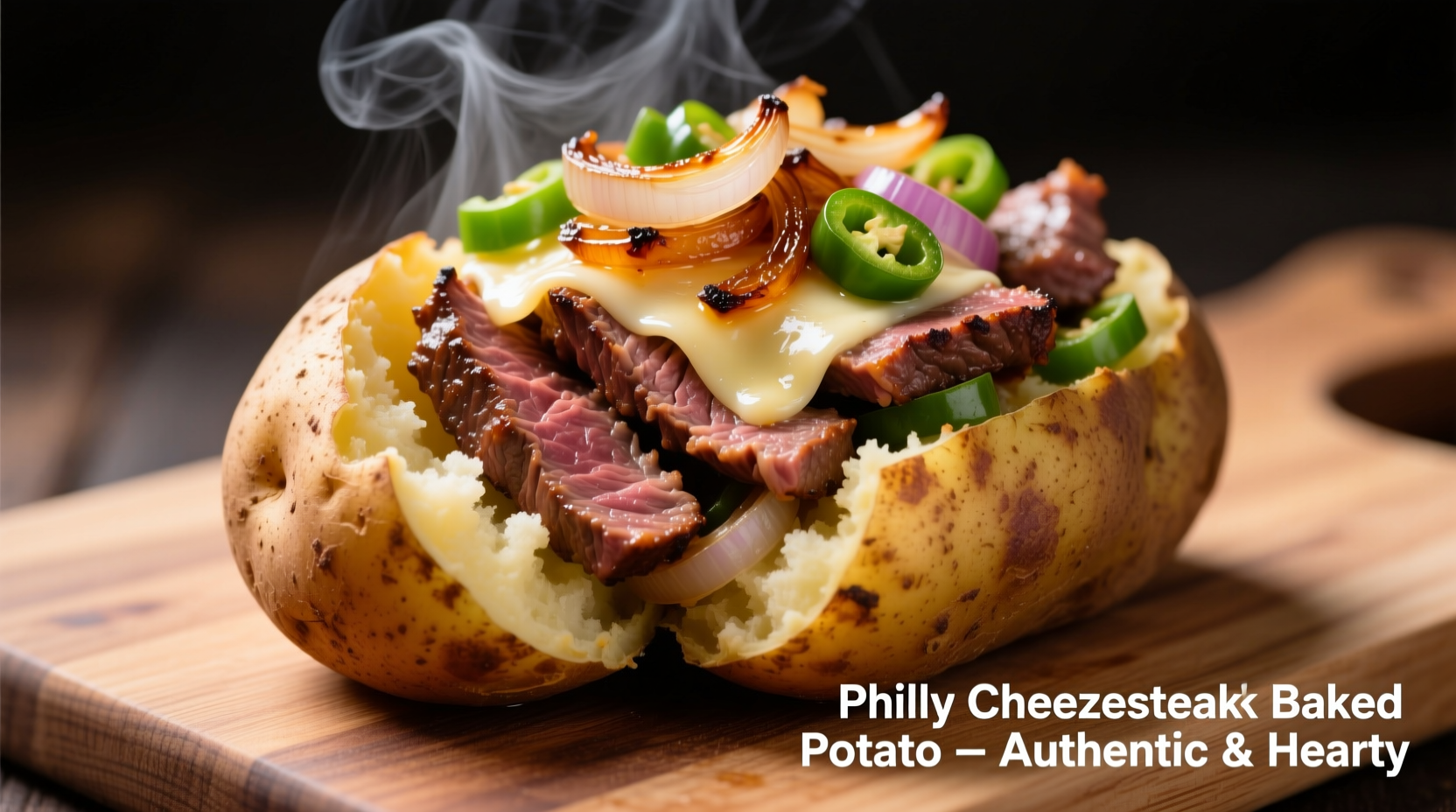
A baked potato topped with Philly cheesesteak ingredients is a composite dish that uses a fully cooked russet potato as a base and layers it with components traditionally found in a Philly cheesesteak sandwich. These include seared ribeye or top round steak, grilled onions, green or sweet red peppers, and a meltable cheese such as Cheez Whiz, provolone, or American. Unlike the sandwich format served on a roll, this version repurposes those elements into a deconstructed bowl-style entrée, where the potato acts as both vessel and complementary starch.
The concept draws from two American culinary traditions: the baked potato, long associated with diner menus and family dinners, and the Philly cheesesteak, which originated in Philadelphia in the 1930s and became a symbol of East Coast street food culture. Combining them creates a dish rich in protein, fiber, and umami depth, suitable for weeknight dinners or weekend indulgences. It’s particularly appealing to those who enjoy handheld sandwiches but prefer a less messy, more structurally stable presentation.
Key Characteristics
| Characteristic | Description |
|---|---|
| Flavor Profile | Savory, meaty, slightly sweet (from peppers and onions), with salty richness from cheese and beef. |
| Aroma | Toasted potato skin, seared meat, caramelized alliums, warm dairy notes. |
| Texture | Fluffy interior potato base; tender-chewy meat; soft vegetables; creamy, cohesive cheese layer. |
| Temperature | Served hot throughout, with optimal contrast between steaming filling and crisp outer skin. |
| Culinary Function | Main course entrée combining starch, protein, vegetable, and fat groups. |
| Shelf Life | Best consumed immediately. Leftovers keep refrigerated up to 3 days; reheat gently to preserve texture. |
Practical Usage
Preparing a baked potato topped with Philly cheesesteak ingredients requires attention to timing and technique to ensure each component reaches its peak before assembly. Begin by selecting large russet potatoes—ideally uniform in size—for even baking. Scrub them clean, pierce the skin several times with a fork, and bake at 400°F (200°C) for 55–70 minutes until the internal temperature reaches 205°F (96°C). A fully baked potato will yield easily when pressed and offer maximum fluffiness when scooped.
While the potato bakes, prepare the topping. Use about 6–8 ounces of thinly sliced beef per serving. Ribeye is preferred for its marbling and flavor, but shaved deli-cut top round or sirloin works well for leaner results. Heat a cast-iron skillet over medium-high heat, add a small amount of oil, then sear the meat quickly without overcrowding. Remove the beef and set aside. In the same pan, sauté sliced yellow onions and green bell peppers in residual fat until softened and lightly caramelized—about 8–10 minutes. Return the meat to the pan to reheat, season with salt, freshly ground black pepper, and a pinch of garlic powder or dried oregano if desired.
For the cheese, meltability is key. Traditional Philly cheesesteak purists favor Cheez Whiz for its smooth consistency and tangy bite, though provolone offers a more refined profile, and American cheese provides reliable melt and mild flavor. Add the cheese during the final minute of cooking, covering the pan briefly to encourage melting.
To assemble, split the hot baked potato open lengthwise and fluff the interior with a fork. Gently press down to create a well, then pile the cheesesteak mixture generously on top. For added richness, stir a tablespoon of butter or sour cream into the potato flesh before adding the topping. Optional garnishes include chopped chives, pickled jalapeños, or a drizzle of steak sauce.
Pro Tip: To streamline preparation, use pre-sliced frozen steak strips and pre-diced peppers and onions. While fresh ingredients are ideal, quality frozen options can reduce prep time significantly without sacrificing much flavor—especially when cooked at high heat to develop Maillard browning.
Variants & Types
This dish lends itself to numerous adaptations based on dietary preferences, ingredient availability, and regional influences. Below are common variants:
- Vegetarian Philly-Style Potato: Replace beef with plant-based steak strips or portobello mushroom slices. Marinated mushrooms mimic the umami depth of meat and absorb seasoning well.
- Low-Carb/Keto Version: Retain the full topping but serve over cauliflower mash instead of a baked potato to reduce carbohydrates while maintaining creamy texture.
- Spicy Arrabiata Style: Incorporate hot cherry peppers, crushed red pepper flakes, or a splash of hot sauce into the sauté. Pepper jack cheese replaces provolone for extra heat.
- Gourmet Upgrade: Use Wagyu beef slices, roasted poblano peppers, caramelized shallots, and smoked gouda or blue cheese crumbles for a refined twist.
- Deli Shortcut Method: Utilize pre-made cheesesteak meat from grocery deli counters or frozen entrees. Reheat and top a microwaved potato for a 10-minute meal.
Each variant maintains the core structure—hot base, savory topping, melted cheese—but adjusts proteins, vegetables, or starches to suit different needs. The flexibility makes it adaptable for meal prep, dietary restrictions, or upscale entertaining.
Comparison with Similar Ingredients
Several dishes share components or conceptual similarities with a baked potato topped with Philly cheesesteak ingredients. Understanding the distinctions helps clarify its unique value proposition.
| Similar Dish | Key Differences |
|---|---|
| Classic Philly Cheesesteak Sandwich | Served on a hoagie roll; portable; bread absorbs juices; higher glycemic load due to white roll; less emphasis on textural contrast. |
| Loaded Baked Potato | Typically features bacon, cheddar, sour cream, and chives; lacks sautéed vegetables and sliced steak; milder flavor profile. |
| Steak Fajita Bowl | Includes rice or tortillas; uses fajita seasoning; often includes beans, guacamole, salsa; Tex-Mex rather than East Coast flavor base. |
| Shepherd’s Pie | Features ground meat and gravy under mashed potatoes; baked together; more stew-like; longer cook time. |
The baked potato/Philly cheesesteak hybrid stands apart by combining discrete, high-heat-seared elements over a dry-cooked starch, preserving individual textures rather than blending them into a unified casserole. It also emphasizes freshness and immediate service, unlike slow-braised alternatives.
Practical Tips & FAQs
What cut of beef is best for the cheesesteak topping?
Ribeye is ideal due to its intramuscular fat, which keeps the meat juicy during fast cooking. However, top round or sirloin, when sliced paper-thin against the grain, offers a leaner alternative. Avoid thick cuts, which won’t cook evenly in the short time needed.
Can I make this ahead of time?
Yes, with caveats. Bake potatoes up to one day in advance and store cooled in the refrigerator. Reheat wrapped in foil at 350°F (175°C) for 20–25 minutes. Prepare the topping mix (meat and veggies) up to two days ahead; reheat in a skillet before adding cheese. Assemble just before serving to prevent sogginess.
How do I prevent a soggy potato?
Ensure the potato is fully baked so excess moisture evaporates. Avoid overloading with wet ingredients. If using frozen vegetables, thaw and pat dry before sautéing. Serve immediately after topping.
Is Cheez Whiz necessary for authenticity?
Among Philly locals, Cheez Whiz is considered the gold standard for cheesesteaks, especially at iconic spots like Pat’s King of Steaks. It melts smoothly, resists separation, and adds a distinct tang. However, provolone is a close second, offering a sharper, more complex taste. American cheese is a neutral, accessible option. Choose based on preference—there’s no single “correct” choice outside of strict regional tradition.
What sides pair well with this dish?
Given its richness, balance the plate with light, acidic, or crunchy accompaniments. Consider a simple arugula salad with lemon vinaigrette, pickled vegetables, coleslaw, or roasted broccoli. Avoid additional starchy sides unless feeding a large group.
Can I freeze leftovers?
Freezing is not recommended. The potato texture turns grainy upon thawing, and the cheese may separate. Refrigerate leftovers for up to three days and reheat in a covered skillet over low heat, adding a splash of water or broth to refresh moisture.
Meal Prep Insight: Cook four large potatoes and double the topping batch on Sunday evening. Store components separately. During the week, reheat one portion of meat and one potato, combine, and add fresh cheese and garnishes for a 12-minute dinner.
“The beauty of the Philly cheesesteak-topped potato lies in its duality—it satisfies the craving for a sandwich without the structural collapse. It’s comfort food with integrity.” — Chef Marcus Rinehart, Culinary Instructor at Pennsylvania Institute of Culinary Arts
Summary & Key Takeaways
A baked potato topped with Philly cheesesteak ingredients is more than a novelty—it’s a thoughtful convergence of two beloved American dishes. By leveraging the fluffy, earthy base of a perfectly baked russet and crowning it with savory seared beef, sweet peppers, onions, and molten cheese, this meal delivers balanced nutrition and deep flavor satisfaction. Success hinges on proper technique: thorough baking, high-heat searing, careful cheese selection, and timely assembly.
Home cooks can adapt the recipe for various diets—from keto to vegetarian—without losing its essence. Whether made from scratch or simplified with prepared ingredients, it remains a versatile, crowd-pleasing option for casual dining. Compared to similar dishes like loaded potatoes or fajita bowls, it offers a distinct East Coast flavor identity and superior textural contrast.
Key takeaways include:
- Use russet potatoes and bake until fully tender for optimal fluffiness.
- Select thinly sliced ribeye or top round for authentic texture and flavor.
- Sauté vegetables separately to achieve proper caramelization and avoid steaming.
- Choose a highly meltable cheese—Cheez Whiz, provolone, or American—based on desired taste and tradition.
- Assemble just before serving to maintain structural integrity and temperature.
- Store components separately for meal prep; avoid freezing.
Try it tonight: Start with one large potato, 6 oz of shaved beef, ½ onion, ½ green pepper, and a slice of provolone. Master the fundamentals, then experiment with gourmet upgrades or dietary tweaks.