Coffee is more than a drink—it’s a ritual. The way we prepare it, the time of day we sip it, and even the vessel we use can shape our experience. In recent years, designer mugs have surged in popularity, with brands like Le Creuset, Fellow, and Stojo commanding premium prices for sleek, Instagram-worthy designs. But does spending $40 on a mug actually improve your morning coffee, or is a $5 ceramic cup from the local market just as effective? Let’s explore the real differences beyond the aesthetics.
The Rise of the Designer Mug
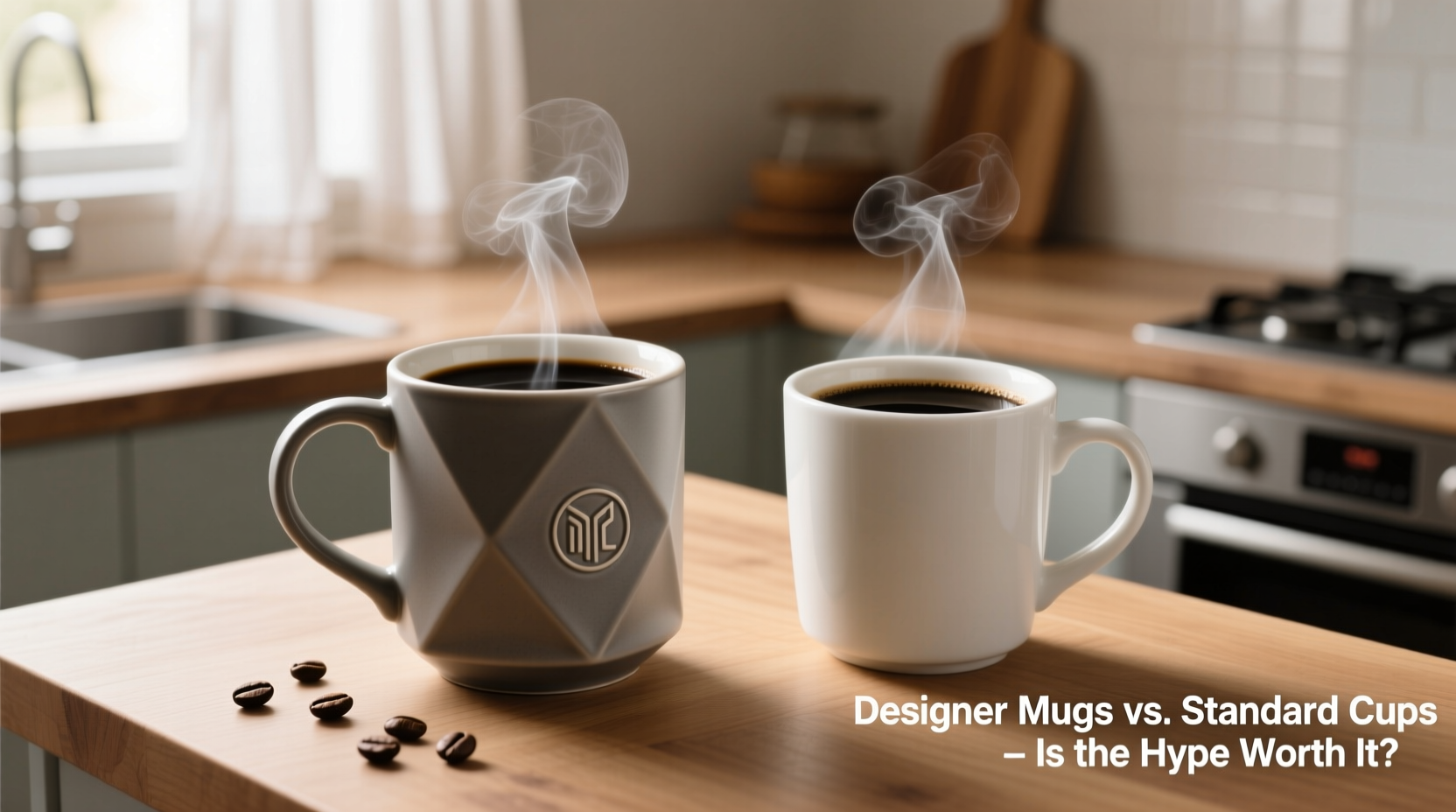
Designer mugs have transitioned from niche luxury items to mainstream lifestyle accessories. Influencers showcase their limited-edition collaborations, minimalist Scandinavian designs dominate Pinterest boards, and ergonomic features like heat retention and spill-proof lids appeal to remote workers and commuters alike. These mugs often come with storytelling—artisan craftsmanship, sustainable materials, or innovative engineering—that elevates them beyond mere tableware.
But behind the branding lies a critical question: Are these mugs functionally superior, or are they selling an aesthetic rather than utility?
Functional Design vs. Aesthetic Appeal
Many designer mugs incorporate thoughtful design elements that go beyond looks. Double-walled insulation keeps beverages hot longer, ergonomic handles reduce hand fatigue, and non-porous glazes prevent staining. Some, like the Ember Temperature Control Mug, even feature built-in tech to maintain your ideal drinking temperature.
Yet, not all high-end mugs deliver on performance. A beautifully glazed stoneware cup may crack under thermal stress if not made with proper clay composition. Similarly, metallic finishes might chip after a few dishwasher cycles. The key is distinguishing between genuine innovation and superficial flair.
Tip: When evaluating a designer mug, check whether its features solve a real problem you experience—like rapid cooling or spills during commutes.Performance Comparison: Designer vs. Standard Mugs
To assess value, we need to compare mugs across measurable criteria. Below is a breakdown of common attributes:
| Feature | Designer Mugs (e.g., Fellow Carter, Le Creuset) | Standard Mugs (e.g., basic ceramic, dollar store) |
|---|---|---|
| Heat Retention | Excellent (double-walled, vacuum-insulated options) | Fair to poor (thin walls, rapid heat loss) |
| Durability | High (quality ceramics, tempered glass, stainless steel) | Variable (prone to chipping, cracking) |
| Ergonomics | Thoughtful (balanced weight, comfortable grip) | Basic (often bulky or awkwardly shaped) |
| Microwave & Dishwasher Safety | Usually safe (check manufacturer guidelines) | Often safe but may degrade over time |
| Price Range | $25–$80+ | $3–$12 |
| Aesthetic Uniqueness | High (limited editions, signature styles) | Low (generic shapes, mass-produced) |
While standard mugs perform adequately for casual use, designer versions consistently outperform in heat retention, build quality, and long-term usability. However, the gap narrows significantly if you're not relying on advanced features.
Real-World Example: The Remote Worker’s Dilemma
Consider Sarah, a freelance graphic designer who works from home. She used a basic ceramic mug daily until she invested in a Fellow Carter Move Mug. The difference? Her coffee stayed warm for over 90 minutes, the lid prevented accidental spills during video calls, and the balanced weight reduced wrist strain during long sessions. After six months, she hadn’t needed a replacement—unlike her previous mugs, which developed hairline cracks from repeated microwave use.
Sarah’s experience highlights a key insight: designer mugs shine most when integrated into routines where consistency, comfort, and reliability matter. For someone grabbing quick coffee on the go, the benefits may be less pronounced.
“Design isn’t just about how something looks—it’s about how it works. A great mug should enhance the ritual, not distract from it.” — Lena Park, Industrial Designer at Hearth & Vessel Co.
When Standard Mugs Make More Sense
Despite the advantages of designer options, there are scenarios where standard mugs are not only sufficient but preferable:
- Budget constraints: If you’re equipping a household or office kitchen, cost per unit matters.
- High turnover environments: Daycares, dorms, or busy cafes benefit from affordable, replaceable options.
- Minimalist needs: If you simply want a vessel to hold coffee without frills, a simple cup avoids unnecessary complexity.
- Taste neutrality: Some users report that certain insulated mugs impart a metallic aftertaste—basic ceramic avoids this.
Additionally, many standard mugs are perfectly functional. A well-made porcelain cup from a reputable brand can last years with proper care and offer a clean, timeless look.
Checklist: Choosing the Right Mug for You
Ask yourself the following before purchasing:
- Do I need my drink to stay hot (or cold) for more than an hour?
- Do I frequently carry my mug while walking or working?
- Am I willing to hand-wash or follow specific care instructions?
- Does the mug fit comfortably in my hand and under my coffee machine?
- Will I use it daily, or is it mostly decorative?
- Is the price justified by long-term use, or am I paying for novelty?
If you answered “yes” to the first three, a designer mug may be a worthwhile investment. If not, a durable standard option could serve you just as well.
Longevity and Sustainability Considerations
One argument in favor of designer mugs is sustainability. While a $5 mug might seem economical, replacing it every few months due to chips or cracks adds up—both financially and environmentally. High-quality mugs are often made with thicker materials, non-toxic glazes, and ethical manufacturing practices.
Brands like KeepCup and Kinto emphasize circular design, offering repair programs or recycling initiatives. Over a five-year period, owning one well-maintained designer mug can generate less waste than buying ten disposable or low-durability alternatives.
Tip: Extend any mug’s life by avoiding sudden temperature changes (don’t pour boiling water into a cold mug) and using gentle detergents.Frequently Asked Questions
Can a designer mug improve the taste of my coffee?
Not directly. However, better heat retention allows coffee to stay within its optimal tasting temperature range (120–140°F) longer, preserving flavor notes that fade as coffee cools. Additionally, neutral materials like high-fired ceramic won’t interfere with taste, unlike some plastic-lined travel mugs.
Are designer mugs dishwasher safe?
Most are, but always check the manufacturer’s guidelines. Hand-washing is recommended for mugs with special coatings, wooden lids, or painted designs to preserve longevity. Repeated dishwasher exposure can erode finishes over time, especially on premium glazes.
Do I need a different mug for tea versus coffee?
It depends on your preferences. Tea drinkers often benefit from lower heat retention to avoid over-steeping delicate leaves, while coffee lovers typically want prolonged warmth. Some users opt for a double-walled insulated mug for coffee and a standard porcelain cup for tea to match each beverage’s ideal profile.
Final Verdict: Hype or Value?
Designer mugs aren’t universally “better,” but they do solve specific problems more effectively than standard options. If you value temperature control, spill resistance, ergonomics, and long-term durability, the investment makes sense. They also contribute to mindful consumption—using fewer, higher-quality items over time.
On the other hand, if you drink coffee quickly, don’t mind reheating, or prefer simplicity, a standard mug performs just as well at a fraction of the cost. The hype around designer mugs is partly marketing-driven, but beneath it lies legitimate innovation for those who prioritize function alongside form.
In the end, the best mug is the one that fits seamlessly into your routine—whether that’s a $70 smart mug with Bluetooth connectivity or a chipped favorite passed down from a relative. Function, comfort, and personal joy matter more than price tags or trends.
🚀 Ready to upgrade—or simplify—your coffee ritual? Assess your daily habits, try one high-performing mug, and see if the difference feels worth it. Share your experience with others and help demystify the hype.