In recent years, collagen gummies have exploded in popularity, promising younger-looking skin, stronger nails, and healthier joints—all in a tasty, chewable form. Marketed with sleek packaging and celebrity endorsements, they’ve become a staple in many wellness routines. But behind the sweet flavors and Instagram-worthy bottles lies an important question: Are these supplements genuinely effective, or are they simply candy dressed up as medicine?
To answer this, we need to look beyond marketing claims and examine the science of collagen supplementation, bioavailability, dosage, and real-world results. The truth is nuanced—collagen gummies aren’t magic, but under the right conditions, they can offer measurable benefits. However, not all products are created equal, and many fall short of delivering meaningful results.
The Science Behind Collagen Supplementation
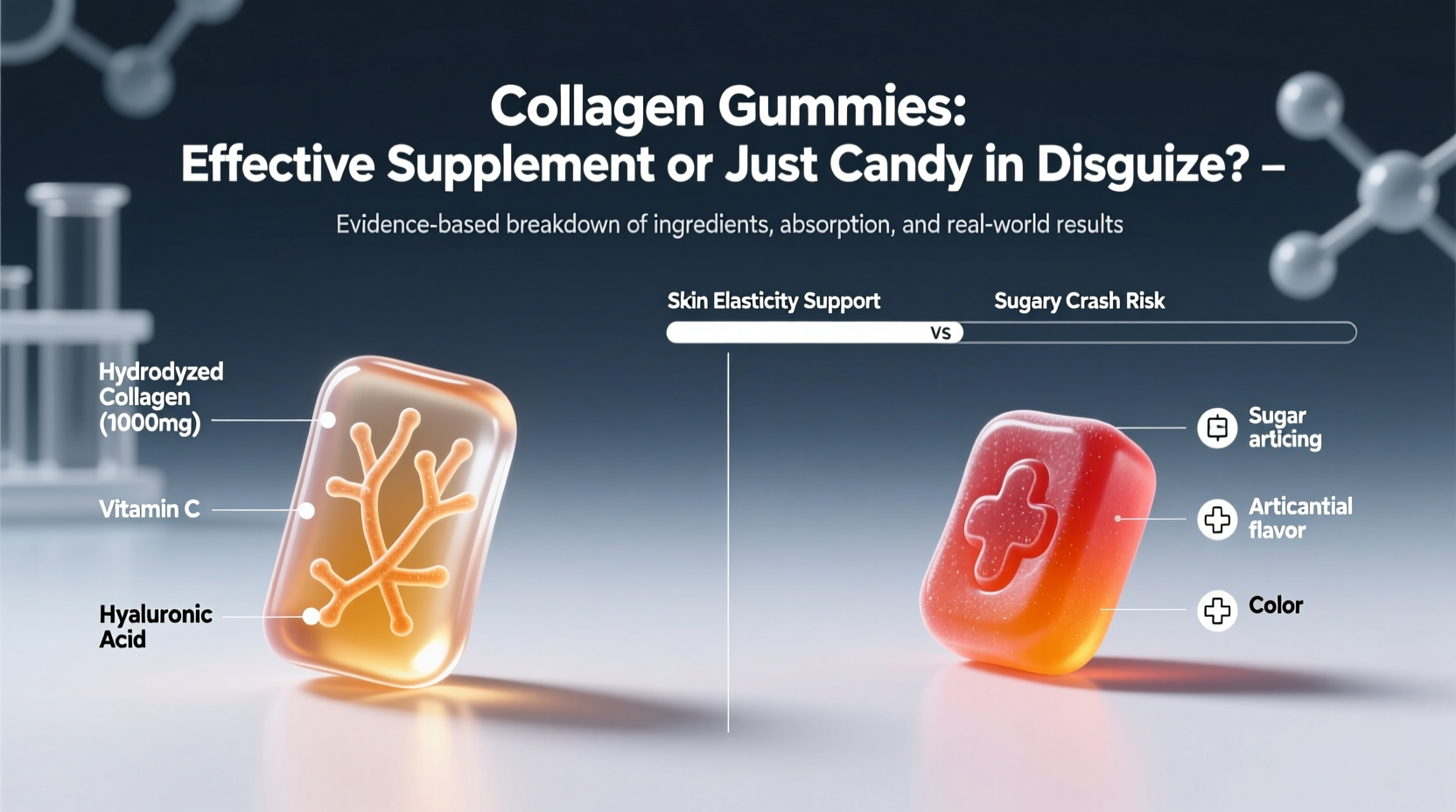
Collagen is the most abundant protein in the human body, making up about 30% of total protein content. It provides structural support to skin, bones, tendons, ligaments, and cartilage. As we age, our natural collagen production declines—starting as early as our mid-20s. This decline contributes to wrinkles, joint stiffness, and weaker hair and nails.
Supplementing with hydrolyzed collagen (also known as collagen peptides) has been studied for its ability to support tissue repair and regeneration. Hydrolyzed collagen is broken down into smaller peptides, which are more easily absorbed by the digestive system than whole collagen proteins.
A 2019 meta-analysis published in the journal Aesthetic Surgery Journal reviewed 11 clinical trials and found that oral collagen peptide supplementation led to significant improvements in skin elasticity, hydration, and dermal collagen density after 90 days. Another study in the Journal of the Science of Food and Agriculture showed that participants who took 10 grams of collagen daily for 12 weeks experienced reduced joint pain during physical activity.
These findings suggest that collagen supplementation can be effective—but only when the right type, dose, and form are used. This is where many gummy formulations fall short.
Tip: Look for gummies containing at least 2.5–5 grams of hydrolyzed collagen per serving—the minimum threshold shown to produce measurable effects in studies.Do Gummies Deliver Enough Active Ingredient?
One of the biggest concerns with collagen gummies is dosage. Most clinical trials showing positive results used between 2.5 and 10 grams of collagen per day. Yet, many popular gummy brands provide only 500 mg to 1 gram per serving—sometimes requiring consumers to take 4–6 gummies just to reach a minimal effective dose.
Consider this: if a bottle recommends two gummies per day but contains only 750 mg of collagen, you’re getting less than a third of the lowest clinically effective amount. At that level, any perceived benefits are likely due to placebo or other ingredients like vitamin C or biotin, which also support skin and nail health.
Additionally, the gelatin base used in gummies is often derived from collagen, but unless it’s specifically hydrolyzed and labeled as such, it may not be well-absorbed. Non-hydrolyzed collagen must be broken down by stomach acid and enzymes, reducing its bioavailability.
“Just because a product contains collagen doesn’t mean your body can use it effectively. Bioavailability and dosage are everything.” — Dr. Laura Chen, Integrative Nutrition Specialist
What to Look for in an Effective Collagen Gummy
Not all collagen gummies are ineffective. Some high-quality brands do deliver meaningful doses and use scientifically backed forms. Here’s what separates the legitimate supplements from the sugary gimmicks:
- Type of Collagen: Type I and III are best for skin, hair, and nails; Type II supports joints. Multi-type formulas can offer broader benefits.
- Hydrolyzed Form: Must be hydrolyzed (collagen peptides) for optimal absorption.
- Dosage Per Serving: Aim for at least 2.5 grams per serving without requiring excessive gummy intake.
- Supporting Nutrients: Vitamin C enhances collagen synthesis; hyaluronic acid and biotin may boost skin and nail outcomes.
- Sugar Content: Many gummies contain 3–5 grams of sugar each. High sugar intake can actually degrade collagen through glycation, counteracting benefits.
- Third-Party Testing: Reputable brands undergo independent lab testing for purity and label accuracy.
| Feature | Effective Product | Low-Quality Product |
|---|---|---|
| Collagen per serving | ≥2.5 grams (hydrolyzed) | <1 gram or unspecified form |
| Servings per day | 1–2 gummies | 4+ gummies needed |
| Sugar per gummy | ≤2g | 3–6g |
| Additional actives | Vitamin C, hyaluronic acid | None or filler ingredients |
| Transparency | Third-party tested, clear sourcing | Vague labeling, no certifications |
Real-World Results: A Mini Case Study
Samantha, a 38-year-old graphic designer, started taking collagen gummies after noticing increased nail brittleness and fine lines around her eyes. She initially chose a popular brand offering “beauty gummies” with 800 mg of collagen per two-gummy serving. After three months, she saw no noticeable changes.
Upon researching dosage guidelines, she switched to a medical-grade supplement providing 5 grams of hydrolyzed Type I and III collagen per single gummy. She also ensured the product included 50 mg of vitamin C and was low in sugar (only 1.8g per gummy).
After 12 weeks on the new regimen, Samantha reported stronger nails that no longer split, improved skin texture, and a visible reduction in under-eye crepiness. Her experience underscores a key point: consistency matters, but so does choosing a product that delivers a therapeutically relevant dose.
Tip: Track changes over time with photos and notes. Skin and nail improvements typically take 8–12 weeks to become visible.Common Pitfalls and How to Avoid Them
Many consumers unknowingly sabotage their results by overlooking critical details. Here are the most common mistakes:
- Assuming all collagen is the same. Bovine, marine, and chicken-derived collagens differ in amino acid profiles and absorption rates. Marine collagen (Type I) is particularly effective for skin due to its smaller peptide size.
- Ignoring timing and consistency. Collagen is most effectively absorbed on an empty stomach or with vitamin C-rich foods. Taking it irregularly reduces cumulative benefits.
- Focusing only on gummies. Powdered collagen often provides higher doses at lower cost and sugar content. Gummies should be a convenience option, not the only one.
- Expecting overnight results. Collagen rebuilding is a slow process. Realistic expectations are essential—most people see changes after 8 to 12 weeks.
- Overlooking lifestyle factors. Sun exposure, poor sleep, smoking, and high-sugar diets accelerate collagen breakdown. Supplements work best alongside healthy habits.
Checklist: Choosing a High-Quality Collagen Gummy
- ✅ Contains at least 2.5 grams of hydrolyzed collagen per serving
- ✅ Clearly lists collagen type(s) (I, II, III, etc.)
- ✅ Includes vitamin C or another absorption enhancer
- ✅ Low in added sugars (ideally under 3g per serving)
- ✅ Made by a reputable brand with third-party testing
- ✅ Transparent about sourcing (e.g., grass-fed, wild-caught)
- ✅ No artificial colors, flavors, or preservatives
- ✅ Positive customer reviews with before-and-after reports
Expert Insights on Supplement Trends
The rise of functional gummies reflects a broader shift toward convenient, palatable wellness products. But convenience shouldn’t come at the expense of efficacy.
“The supplement industry is capitalizing on consumer desire for easy solutions. While gummies increase adherence, they often compromise potency. Patients should prioritize evidence over aesthetics.” — Dr. Raj Mehta, Functional Medicine Physician
Experts agree that while gummies can play a role in long-term wellness, they should meet the same standards as any other supplement. Regulatory oversight remains limited, so consumers must be vigilant.
FAQ: Your Top Questions Answered
Can collagen gummies really improve skin and hair?
Yes, but only if they deliver sufficient hydrolyzed collagen. Clinical studies show improvements in skin elasticity and hydration after 8–12 weeks of consistent use with adequate dosing. Hair benefits are less documented but may occur indirectly through improved scalp health and nutrient delivery.
Are there side effects to taking collagen gummies?
Collagen itself is generally safe, but some people may experience mild digestive discomfort. The bigger concern is excess sugar in gummy formats, which can contribute to weight gain and accelerated skin aging. Always check ingredient labels for allergens, especially if sourced from fish or bovine products.
How do collagen gummies compare to powders or capsules?
Powders typically offer higher collagen concentrations and lower sugar, making them more cost-effective and potent. Capsules avoid sugar entirely but may be harder to swallow. Gummies win in taste and compliance but often sacrifice dosage and purity. For best results, rotate formats or choose high-dose gummies when convenience is a priority.
Making an Informed Decision
The reality is that collagen gummies sit at the intersection of nutrition and marketing. Some are legitimate supplements backed by science; others are little more than flavored gelatin with a wellness label.
Effectiveness hinges on three pillars: the form of collagen used, the amount delivered per serving, and the consistency of use. When these elements align, gummies can support skin, joint, and connective tissue health. But when they don’t, consumers are left paying premium prices for marginal benefits—or even negative ones, if sugar content is too high.
Before adding a collagen gummy to your routine, read the label critically. Ask: How much active collagen am I actually getting? Is this product transparent about sourcing and testing? Could I get better value from a powder or capsule?
Conclusion: Take Action with Confidence
Collagen gummies aren’t inherently ineffective—they’re just inconsistent. The market is flooded with options, but only a fraction deliver on their promises. By understanding what constitutes a high-quality product, you can separate science from hype and make choices that truly support your health goals.
Don’t let catchy branding or influencer endorsements override evidence-based decisions. Choose supplements that respect both your body and your budget. If you’ve tried collagen gummies without results, consider switching to a higher-potency formula or exploring alternative delivery methods.
🚀 Ready to upgrade your supplement game? Audit your current collagen product using the checklist above—and share your experience in the comments to help others make smarter choices.