
Anime has long been a cultural bridge between storytelling and lifestyle, offering more than just action or drama—it feeds the imagination with vivid depictions of food. From steaming bowls of ramen in *Naruto* to elaborate bento boxes in *Chi���s Sweet Home*, anime meals stir cravings that feel almost tangible. The good news? Many of these dishes aren’t fictional—they’re rooted in real Japanese cuisine and entirely possible to recreate in your own kitchen.
This guide focuses on accessible, authentic anime-inspired recipes you can cook at home without specialty equipment or hard-to-find ingredients. Whether you're craving the rich umami of tonkotsu ramen or the sweet-savory swirl of tamagoyaki from *Spirited Away*, we’ll walk through preparation methods, ingredient substitutions, and pro techniques that bring anime food to life—on your plate.
The Allure of Anime Food: More Than Just Art
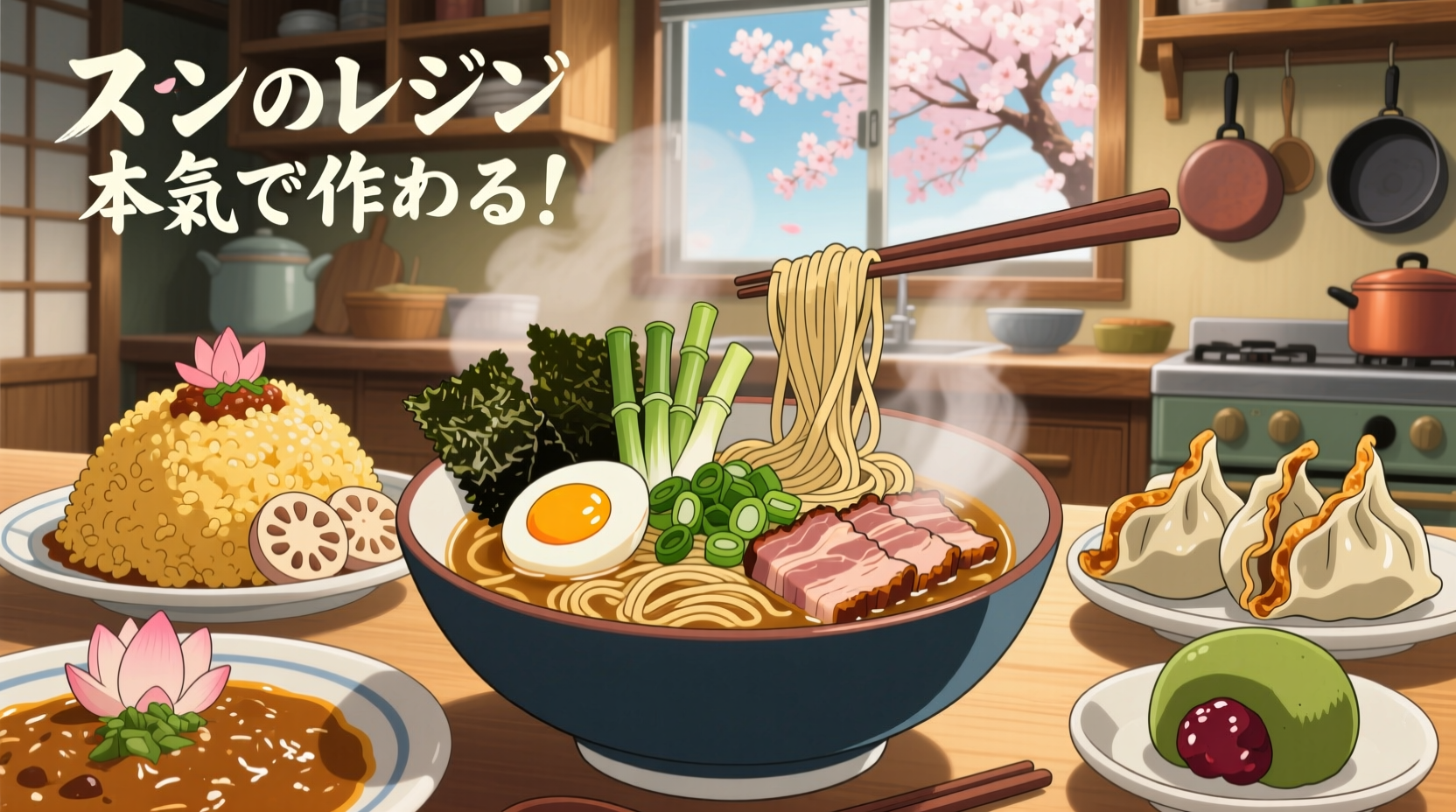
Anime food scenes are often exaggerated for dramatic effect—dishes steam dramatically, colors pop unnaturally, and characters react as if tasting heaven itself. But beneath the animation lies genuine culinary tradition. Shows like *Shokugeki no Soma*, *Yakitate!! Japan*, and even *Lucky Star* feature real recipes, accurate cooking processes, and regional specialties that reflect Japan’s diverse food culture.
Cooking anime food isn’t about replicating fantasy; it’s about connecting with the culture behind the screen. When Naruto slurps his miso ramen after a tough battle, he’s enjoying a dish millions eat daily in Hokkaido. When Mei from *My Neighbor Totoro* unpacks her rice balls wrapped in nori, she’s showcasing a staple of Japanese school lunches.
The challenge isn’t authenticity—it’s accessibility. Many assume anime meals require years of training or rare ingredients. In reality, core components like dashi, soy sauce, mirin, and miso paste are widely available, and foundational techniques are easy to master.
Tip: Start with pantry staples like soy sauce, mirin, and dried kombu. These form the base of most Japanese sauces and broths.Mastering Homemade Ramen: Beyond Instant Noodles
No anime food list is complete without ramen. It appears in nearly every genre—from *Gintama*’s casual noodle shop hangouts to *Kamisama Kiss*’s emotionally charged shared meals. While instant ramen is convenient, true anime-style ramen features layered broth, springy noodles, and精心 (carefully chosen) toppings.
The key is building depth. Authentic ramen broth takes hours, but simplified versions deliver excellent flavor in under 90 minutes. Below is a streamlined method for shoyu (soy-based) ramen, inspired by Tokyo-style bowls frequently shown in urban-set anime.
Step-by-Step Shoyu Ramen
- Prepare the broth: In a large pot, combine 4 cups chicken stock, 1 cup water, 2-inch piece of kombu, and 1 chopped onion. Simmer gently for 45 minutes. Remove kombu after 20 minutes to avoid bitterness.
- Add umami depth: Stir in 2 tablespoons soy sauce, 1 tablespoon mirin, 1 teaspoon sugar, and 1 clove minced garlic. Simmer another 15 minutes.
- Cook the noodles: Use fresh ramen noodles if possible. Boil for 2–3 minutes until al dente. Rinse briefly in cold water to stop cooking.
- Assemble the bowl: Place noodles in a deep bowl. Ladle hot broth over them. Top with sliced chashu pork (or roasted pork belly), soft-boiled ajitsuke tamago (marinated egg), nori strip, menma (fermented bamboo shoots), and scallions.
For a vegetarian version, replace chicken stock with kombu and shiitake dashi, and use tofu or seitan instead of pork.
Tip: Marinate soft-boiled eggs in a mix of ½ cup soy sauce, ½ cup mirin, and ¼ cup water for 4–12 hours. They turn into creamy, golden-center ajitsuke tamago—fan-favorite ramen topping.Tamagoyaki: The Sweet Omelette from Spirited Away
In *Spirited Away*, Chihiro’s first meal in the spirit world is a simple box lunch containing rice, pickles, and a golden roll of tamagoyaki—a slightly sweet, layered omelette cooked in a rectangular pan. This dish is a staple in bento boxes and family dinners across Japan.
Tamagoyaki requires patience and technique, but only a few ingredients. The result is tender, subtly sweet, and visually striking when sliced into rounds.
Authentic Tamagoyaki Recipe
- 4 large eggs
- 1 tablespoon sugar
- 1 teaspoon soy sauce
- ½ teaspoon mirin (optional)
- Pinch of salt
- 1 teaspoon vegetable oil
- Whisk eggs lightly—do not overbeat, or the texture becomes spongy.
- Mix in sugar, soy sauce, mirin, and salt until dissolved.
- Heat a nonstick skillet or tamagoyaki pan over medium-low. Lightly oil the surface.
- Pour a thin layer of egg mixture to cover the bottom. As edges begin to set, lift gently and tilt pan to let uncooked egg flow underneath.
- When mostly set but still slightly runny on top, roll the omelette from one end to the other using chopsticks or a spatula.
- Push the roll to one side, re-oil the pan, and pour another thin layer. Lift the roll slightly so the new egg flows underneath, then roll again.
- Repeat until all egg is used, forming a compact log.
- Cool slightly, then slice into 1-inch pieces for serving.
“Tamagoyaki is about balance—sweetness should enhance, not overpower. It’s comfort food with precision.” — Hiroshi Tanaka, Tokyo-based home economist and culinary instructor
Beyond Ramen: Everyday Anime Dishes You Can Make Tonight
Ramen may be iconic, but anime is filled with humble, satisfying meals perfect for weeknight cooking. Here are three fan-favorite recipes seen across series like *Clannad*, *Non Non Biyori*, and *Barakamon*.
1. Onigiri (Rice Balls)
Frequently packed in character bento boxes, onigiri are portable, customizable, and deeply comforting. Traditionally shaped into triangles or cylinders, they’re wrapped in nori and filled with savory ingredients.
Basic Method:
- Use freshly cooked short-grain Japanese rice.
- Let cool slightly, then wet hands and press a handful of rice flat.
- Place a small amount of filling (umeboshi, tuna mayo, salmon flakes) in the center.
- Wrap rice around filling and shape into triangle.
- Wrap base with nori strip just before eating to prevent sogginess.
2. Curry Rice (Anime Comfort Classic)
A recurring meal in shows like *Haikyuu!!* and *Yuru Camp△*, Japanese curry is thick, mildly spiced, and served over rice. Unlike Indian or Thai curries, it’s often made from pre-made roux blocks available in supermarkets.
Quick Stovetop Version:
- Sauté diced onions, carrots, and potatoes in oil until softened.
- Add 2 cups water and simmer 10 minutes.
- Stir in 2–3 curry roux cubes (e.g., House Vermont Curry) until melted.
- Add cooked beef or chicken if desired. Simmer 5 more minutes.
- Serve over rice with a side of fukujinzuke (pickled vegetables).
3. Miso Soup with Tofu and Wakame
A breakfast staple in nearly every slice-of-life anime, miso soup is quick, nutritious, and deeply flavorful.
Dissolve 1–2 tablespoons miso paste in 2 cups hot (not boiling) water to preserve probiotics. Add cubed silken tofu and a pinch of dried wakame seaweed. Simmer 2 minutes. Garnish with scallions.
| Dish | Seen In | Prep Time | Difficulty |
|---|---|---|---|
| Onigiri | Clannad, Non Non Biyori | 15 mins | Easy |
| Curry Rice | Haikyuu!!, Yuru Camp△ | 30 mins | Medium |
| Tamagoyaki | Spirited Away, Lucky Star | 20 mins | Medium |
| Miso Soup | Virtually all slice-of-life anime | 10 mins | Easy |
Real-Life Example: Cooking Like a Studio Ghibli Character
Sophie, a 28-year-old graphic designer from Portland, wanted to reconnect with her childhood love of *My Neighbor Totoro*. She decided to recreate the picnic scene where Satsuki and Mei eat their mother-packed lunch under the shelter during the rain.
She prepared simple onigiri with salted plum filling, boiled eggs cut in half like in the film, carrot sticks, and a thermos of miso soup. “I didn’t expect how emotional it would feel,” she said. “It wasn’t gourmet, but it was thoughtful. I ate it on my balcony in the drizzle, and it felt like stepping into the movie.”
Her takeaway? Anime food isn’t about perfection—it’s about care, simplicity, and nostalgia. “You don’t need a fancy kitchen. You just need rice, a little miso, and the willingness to slow down.”
Essential Tips for Success: Your Anime Kitchen Checklist
To consistently make great anime-inspired meals, follow this practical checklist:
- ✅ Stock a Japanese pantry: soy sauce, mirin, sake, miso paste, rice vinegar, dried kombu, bonito flakes.
- ✅ Invest in one good nonstick pan for tamagoyaki and delicate fish.
- ✅ Use short-grain rice for onigiri and sushi; rinse thoroughly before cooking.
- ✅ Don’t skip the garnishes—scallions, nori, sesame seeds elevate presentation and flavor.
- ✅ Taste as you go. Japanese cooking balances salty, sweet, sour, and umami—adjust accordingly.
- ✅ Watch cooking scenes closely. Many anime show realistic steps, like stirring miso off the boil or folding omelettes slowly.
Frequently Asked Questions
Can I make ramen without a ramen pan or special tools?
Absolutely. A standard pot works for broth, and any knife can slice toppings. Fresh noodles are ideal, but udon or even spaghetti (with a pinch of baking soda in the water) can mimic ramen texture in a pinch.
Where can I find ingredients like nori or mirin?
Most Asian grocery stores carry these items. Larger supermarkets often have an international aisle. Online retailers like Amazon or Yamibuy offer reliable options. For mirin substitute, mix 1 tsp sugar + 1 tbsp rice vinegar + 3 tbsp sake or dry white wine.
Are anime meals healthy?
Many are balanced—rice, protein, vegetables, and fermented elements like miso or pickles. However, restaurant-style ramen can be high in sodium. To make it healthier, reduce soy sauce, increase vegetables, and use lean proteins. Homemade versions are far better than processed alternatives.
Final Thoughts: Bring the Anime Table to Life
Cooking anime food isn’t about cosplay or fandom—it’s about bringing warmth, memory, and creativity into everyday meals. These dishes are not exotic mysteries; they’re part of a living culinary tradition that values seasonality, balance, and mindful preparation.
You don’t need a trip to Japan or a lifetime of training. Start with miso soup and onigiri. Then try tamagoyaki. Eventually, build up to a full ramen bowl. Each step connects you to the stories and cultures that inspired them.
💬 Ready to taste the anime world? Pick one recipe from this guide and cook it this week. Share your experience, tweaks, or photos in the comments—let’s build a community of real-life anime chefs together.