In cities from Tokyo to Toronto, themed dining spaces inspired by beloved anime franchises are becoming a global phenomenon. These immersive cafes—where menus feature character-themed dishes, interiors echo iconic scenes, and limited-edition merchandise lines the walls—are no longer niche attractions. They’ve evolved into full-fledged cultural experiences, drawing fans and curious tourists alike. But as their popularity surges, so does skepticism: Are these venues truly worth the often steep prices and long queues, or are they simply capitalizing on fandom without delivering substance?
The rise of anime cafes reflects broader shifts in consumer culture—experiential spending, nostalgia marketing, and the blending of entertainment with hospitality. While some visitors leave enchanted, others feel underwhelmed by gimmicks and inflated costs. To understand whether these cafes live up to the hype, it’s essential to examine their offerings, authenticity, accessibility, and long-term sustainability.
The Global Spread of Anime Cafes
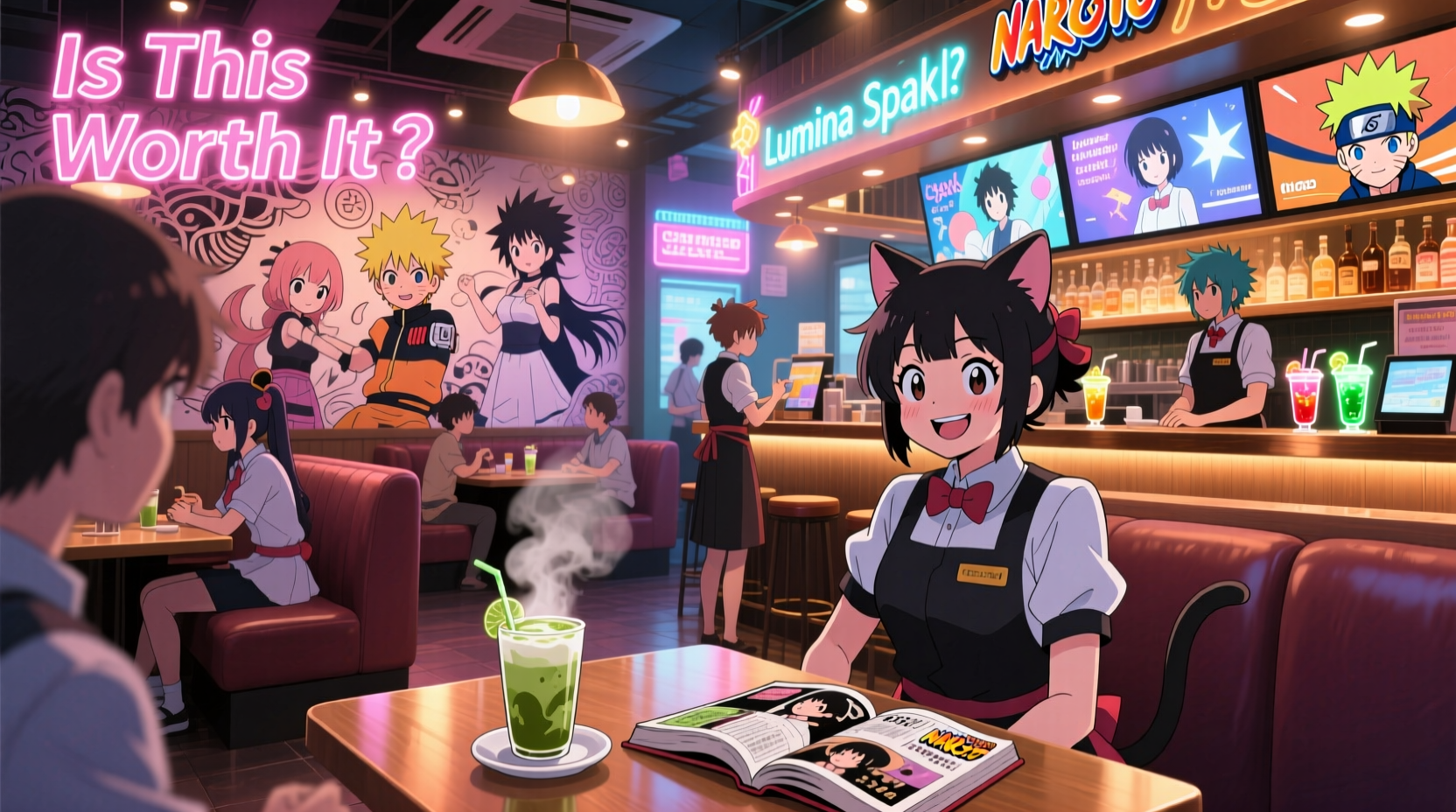
What began as a Japan-centric trend has now reached continents far beyond its origin. In Tokyo, flagship locations like the Ghibli Café or the Demon Slayer x Animate collaboration cafes offer meticulously designed environments that replicate the aesthetics of their source material. These aren’t mere pop-ups—they’re temporary yet highly curated events that sell out within minutes online.
Outside Japan, international adaptations vary widely in quality and ambition. Cities such as Los Angeles, Paris, and Sydney have hosted limited-time anime cafes tied to major franchise releases—think *My Hero Academia*, *Jujutsu Kaisen*, or *One Piece*. Some are official partnerships with production studios; others are fan-run ventures operating in legal gray areas. The latter often struggle with licensing issues but manage to attract crowds through social media buzz and community loyalty.
The appeal lies not just in food, but in immersion. Stepping into an anime cafe is meant to feel like entering another world—one where your favorite characters might “appear” via life-sized cutouts, augmented reality filters, or staff dressed in costume. For many fans, especially those who may never visit Japan, this offers a rare chance to physically engage with a fictional universe they love.
Tip: Check official studio websites or authorized partners before visiting—many unofficial cafes lack authentic merchandising rights and may close abruptly.What Makes an Anime Cafe Worth Visiting?
Not all anime cafes deliver equal value. Several key factors determine whether a visit is worthwhile:
- Authenticity: Official collaborations with anime studios tend to offer genuine artwork, voice messages, and exclusive goods unavailable elsewhere.
- Creativity in Menu Design: Themed dishes that cleverly reflect characters or storylines (e.g., Naruto’s ramen recreated with edible swirls) elevate the experience beyond novelty.
- Atmosphere and Detail: Attention to interior design—lighting, music, tableware, even scent—can make immersion seamless rather than superficial.
- Duration and Accessibility: Pop-up events lasting only a few weeks can create urgency, but also limit access for those unable to travel on short notice.
A standout example is the Studio Ghibli x Parco café series in Japan, which rotates themes based on different films. Each iteration features handcrafted desserts shaped like Totoro or Calcifer, ambient soundscapes from Joe Hisaishi’s scores, and seating arrangements that mimic settings from the movies. This level of detail transforms dining into storytelling.
“Anime cafes work best when they prioritize emotional resonance over commercialization. When fans feel seen—not just sold to—the experience becomes memorable.” — Dr. Akari Nakamura, Cultural Anthropologist at Waseda University
Overhyped Pitfalls: When the Magic Falters
Despite their potential, many anime cafes fall short due to common missteps:
- High Prices for Low-Quality Food: It’s not uncommon to pay $25 for a plate of rice shaped like a Pikachu, accompanied by average-tasting sides. When culinary quality doesn’t match price or presentation, disappointment follows.
- Limited Seating and Time Restrictions: Some cafes impose strict 90-minute limits per group, reducing relaxation and turning visits into rushed photo ops.
- Lack of Originality: Reusing generic templates across multiple franchises makes each new theme feel interchangeable—a missed opportunity for creative expression.
- Exclusivity Through Scalping: Limited reservations often get snapped up by resellers, pushing real fans to pay premium prices on secondary markets.
These issues contribute to growing criticism that anime cafes are more about monetizing fandom than celebrating it. As one visitor noted after attending a short-lived *Attack on Titan* pop-up in Berlin: “I waited three months for a reservation, paid €30 for a coffee and cake set, took photos, and left feeling like I’d bought entry to a museum exhibit I couldn’t enjoy.”
Real Example: The Case of Tokyo’s Sailor Moon Café
The Sailor Moon Café, which has toured globally since 2012, exemplifies both the promise and pitfalls of anime-themed dining. At its peak in Osaka, the venue featured moon-shaped booths, glowing cutlery, and a dessert menu inspired by the Guardians’ powers—Ami’s blueberry parfait, Rei’s crimson mochi, etc. Voice actors recorded special greetings, and guests received commemorative cards with every meal.
However, during its 2023 stop in New York City, the same concept felt diluted. Due to space constraints, the theming was minimal. The food, while visually appealing, used pre-packaged components. Most disappointingly, none of the original voice talent contributed new recordings. Fans expressed frustration online, noting that “the soul of the experience had been outsourced.”
This case illustrates how scaling a successful model internationally can erode authenticity if local execution doesn’t match the original vision.
Do’s and Don’ts at Anime Cafes
| Do’s | Don’ts |
|---|---|
| Research the cafe’s official status and reviews beforehand | Assume all anime cafes are licensed or high-quality |
| Book reservations early, especially for limited-time events | Arrive without a reservation expecting walk-in availability |
| Engage with staff and ask about hidden details or easter eggs | Expect restaurant-level cuisine—focus on the experience, not fine dining |
| Bring a camera or phone ready for photos (check photo policies) | Touch props or decorations unless permitted |
| Support smaller, independent anime-friendly cafes testing new ideas | Disregard hygiene or etiquette rules just for a better photo |
How to Decide If an Anime Cafe Is Right for You
Whether an anime cafe is worth visiting depends largely on personal expectations and priorities. Consider this step-by-step framework before committing time and money:
- Identify Your Motivation: Are you going for the food, the memorabilia, the photo opportunities, or the emotional connection to a series? Knowing your goal helps assess alignment with what the cafe offers.
- Verify Authenticity: Look for logos from official partners like Animate, Bandai Namco, or Toei Animation. Avoid venues using copyrighted characters without clear attribution.
- Review Menus and Pricing: Compare the cost of meals to similar sit-down restaurants. If you're paying double for half the portion, consider whether the theme compensates.
- Check Visitor Feedback: Platforms like Reddit, Instagram, and Google Reviews often reveal unfiltered insights about wait times, service quality, and crowd levels.
- Evaluate Time Investment: Factor in travel, booking effort, and duration of stay. A two-hour round trip for a 75-minute seated slot may not justify the return unless it's a bucket-list event.
- Plan for Memorabilia: Many cafes sell exclusive items only available during the event. Decide in advance if collecting merch is part of your purpose.
Frequently Asked Questions
Are anime cafes only for hardcore fans?
No. While die-hard fans often seek them out, many cafes welcome casual visitors intrigued by Japanese pop culture or unique dining concepts. Even non-anime watchers can appreciate artistic plating and vibrant atmospheres. However, full enjoyment usually comes from recognizing references and characters.
Can children attend anime cafes?
Most are family-friendly, though some restrict minors during evening hours if alcohol is served. Always check age policies in advance. Kids typically love the colorful food and character interactions, making these venues popular for birthdays or themed outings.
Do I need to speak Japanese to enjoy an anime cafe abroad?
Not necessarily. International locations usually provide English menus and signage. Staff in major cities are often bilingual or trained to assist foreign guests. However, deeper cultural nuances or limited-time promotions might be communicated primarily in Japanese, so checking official social media accounts ahead of time is advisable.
Conclusion: Experience vs. Expectation
Anime cafes occupy a delicate space between commerce and culture. At their best, they honor the artistry of animation by extending its magic into physical spaces—offering fans moments of joy, nostalgia, and connection. At their worst, they reduce beloved stories to profit-driven spectacles, trading depth for decor and emotion for exclusivity.
Their worth isn’t universal. For someone deeply attached to a series, spending $30 on a themed latte might be a meaningful tribute. For others, the same amount could seem excessive for fleeting entertainment. The key is intentionality: go because you want to celebrate something you love, not because social media says you should.
As these venues continue expanding globally, the ones that endure will likely be those balancing creativity with respect—for the source material, the audience, and the craft of hospitality.
💬 Have you visited an anime cafe recently? Share your honest review—was it magical or overpriced? Your insights could help fellow fans decide where to go next.