In today’s fast-paced world, finding time to prepare nutritious snacks can feel like a luxury. Yet, grabbing processed options from convenience stores adds up—both financially and in terms of health. The solution lies in simple, homemade snacks that require minimal effort, basic ingredients, and deliver maximum satisfaction. With a little planning and creativity, you can stock your kitchen with delicious, wallet-friendly treats that support energy, focus, and overall well-being.
The key isn’t perfection or gourmet techniques—it’s practicality. Whether you're fueling a mid-afternoon slump, packing something for kids' lunchboxes, or satisfying a late-night craving, these snacks are designed to be accessible, repeatable, and genuinely enjoyable. No specialty equipment or rare ingredients required—just real food, smart prep, and consistent results.
Why Homemade Snacks Make Sense
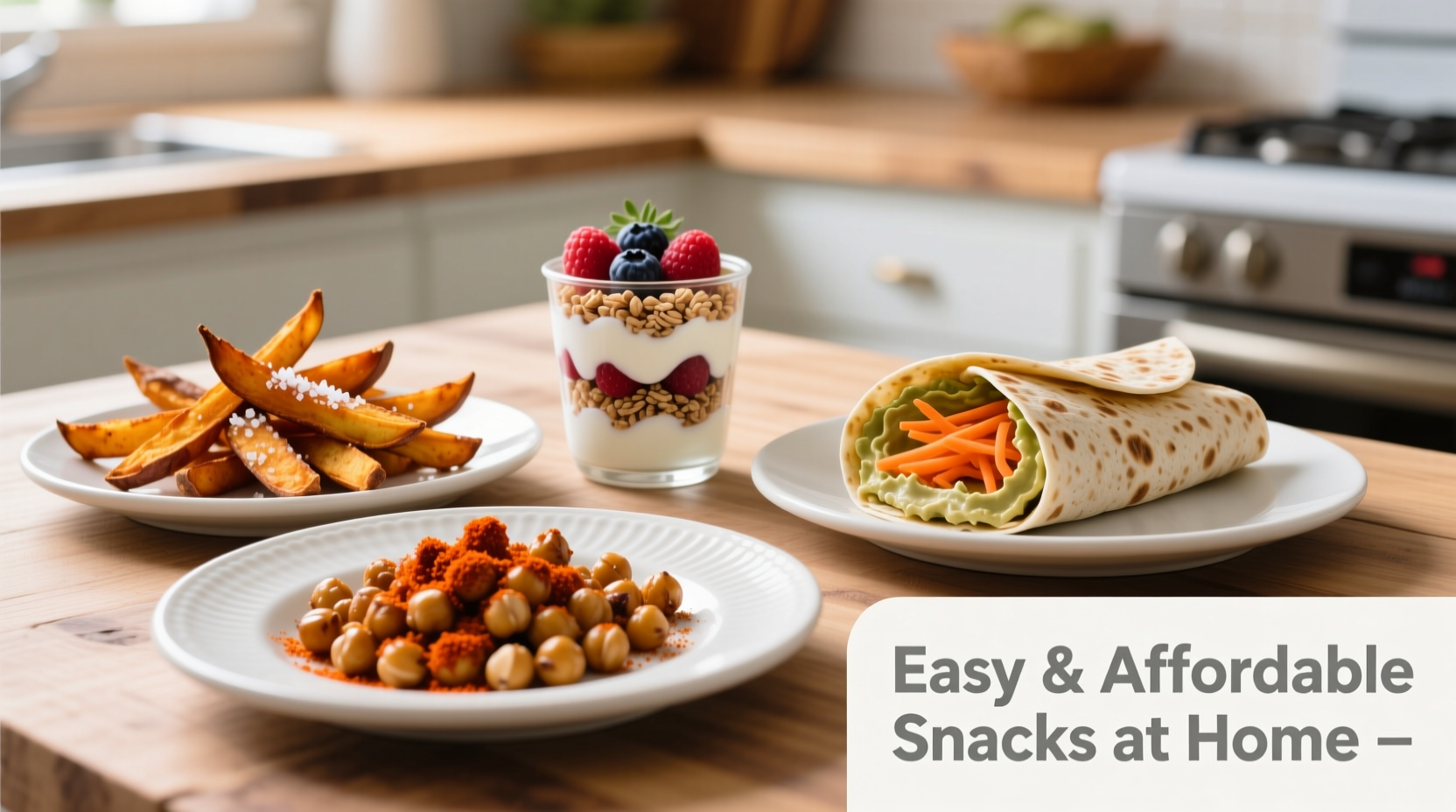
Purchasing pre-packaged snacks may seem convenient, but they often come with hidden costs: inflated prices, excessive packaging, added sugars, and preservatives. In contrast, making snacks at home gives you full control over what goes into your body. You decide the quality of ingredients, avoid allergens, reduce waste, and save money in the long run.
A study by the U.S. Department of Agriculture found that households preparing food at home spend 30–50% less per meal than those relying on store-bought convenience items. Snacks follow the same pattern. A batch of homemade granola bars costs under $2 to make and yields 10 servings—less than $0.20 each. Compare that to $2.50 per bar at a grocery store, and the savings become undeniable.
“Small shifts toward homemade snacks can lead to significant improvements in diet quality and household spending.” — Dr. Lena Torres, Public Health Nutritionist
Top 5 Easy & Affordable Snack Ideas
These five snack ideas are proven staples—tested for taste, ease, and cost-effectiveness. Each requires fewer than six ingredients, takes less than 15 minutes to assemble (or cook), and uses pantry basics you likely already have.
1. Peanut Butter Banana Oat Bites
No baking required. These no-bake bites combine oats, peanut butter, mashed banana, and a touch of honey. Roll into balls and refrigerate for 30 minutes. They’re high in fiber, protein-rich, and naturally sweetened.
2. Roasted Chickpeas
Drain and rinse a can of chickpeas, toss with olive oil, salt, and spices (try paprika or cumin), then roast at 400°F for 25–30 minutes until crispy. Store in an airtight container for up to a week. Crunchy, savory, and packed with plant-based protein.
3. Yogurt Parfait Jars
Layer plain Greek yogurt with frozen berries (thawed slightly), a sprinkle of granola, and a drizzle of honey. Prepare in small mason jars for grab-and-go ease. High in probiotics and antioxidants, this snack supports gut health and sustained energy.
4. Avocado Toast Variations
Toast whole grain bread, mash half an avocado on top, and customize: add cherry tomatoes, a boiled egg, everything bagel seasoning, or a dash of hot sauce. Ready in under 10 minutes and endlessly adaptable.
5. Microwave Mug Egg Scramble
Crack two eggs into a microwave-safe mug, add diced veggies (frozen works fine), a splash of milk, salt, and pepper. Microwave for 60–90 seconds, stirring halfway. Protein-packed and ready before your coffee finishes brewing.
Tip: Double batches of snacks like oat bites or roasted chickpeas and freeze extras in portion-sized bags for quick access.Smart Shopping & Prep Strategies
To keep snack-making sustainable, adopt habits that reduce time and cost. Strategic shopping and prep work transform snacking from chaotic to seamless.
Step-by-Step Weekly Snack Prep Timeline
- Sunday Evening (15 min): Review your schedule. Identify high-demand days (e.g., busy work mornings or after-school hours).
- Monday Morning (10 min): Check pantry and fridge. Note which snack ingredients need replenishing.
- Tuesday Grocery Run (30 min): Buy in bulk where possible—oats, nuts, canned beans, frozen fruit. Stick to a list to avoid impulse buys.
- Wednesday Evening (20 min): Wash and chop vegetables for savory snacks. Portion yogurt parfaits into jars.
- Thursday (15 min): Bake or assemble shelf-stable items (granola bars, energy balls). Label and store.
- Daily (2 min): Grab one prepared item as needed. Refill containers as used.
| Snack Type | Prep Time | Cost Per Serving | Storage Life |
|---|---|---|---|
| Peanut Butter Oat Bites | 10 min | $0.18 | 2 weeks (fridge) |
| Roasted Chickpeas | 35 min | $0.25 | 7 days (pantry) |
| Yogurt Parfaits | 12 min | $0.60 | 3 days (fridge) |
| Avocado Toast | 8 min | $0.90 | Immediate |
| Microwave Egg Mug | 5 min | $0.45 | Immediate |
Avoiding Common Pitfalls
Even with good intentions, people fall into traps that derail their homemade snack efforts. Awareness helps prevent frustration and abandonment of the habit.
- Overcomplicating recipes: Stick to 5–6 ingredients max. More complexity leads to lower consistency.
- Ignoring storage needs: Moisture-sensitive snacks (like granola) go stale if not sealed properly. Use airtight containers.
- Not involving household members: Get input from family members on flavors and textures they enjoy. Shared ownership increases usage.
- Buying single-use ingredients: Avoid purchasing exotic superfoods just for one recipe. Opt for versatile staples like oats, eggs, bananas, and canned beans.
Real-Life Example: Maria’s After-School Snack Shift
Maria, a mother of two in Columbus, Ohio, used to spend $75 weekly on packaged snacks and drinks for her kids’ after-school routines. Between granola bars, juice boxes, and fruit pouches, the cost added up—and she worried about sugar content.
She decided to try making her own. On Sundays, she prepares a tray of peanut butter oat bites, fills jars with yogurt and frozen berries, and hard-boils a dozen eggs. She also keeps a bowl of washed apples and bananas on the counter.
The result? Her weekly snack spending dropped to $22. Her kids prefer the homemade versions (“They taste like dessert!”), and she feels confident about what they’re eating. “It takes me less than 30 minutes on Sunday,” she says. “Now I wonder why I didn’t start sooner.”
Frequently Asked Questions
Can I make these snacks without a microwave or oven?
Absolutely. Most no-bake options—like oat bites, yogurt parfaits, and avocado toast (using a toaster)—require no cooking. Roasted chickpeas can be skipped or replaced with spiced canned beans.
How do I keep kids interested in healthy snacks?
Involve them in preparation. Let them roll energy balls or layer their own parfait. Presentation matters—use colorful containers or fun skewers. Rotate options weekly to avoid boredom.
Are these snacks suitable for dietary restrictions?
Yes. Substitute sunflower seed butter for peanut butter (nut-free), use dairy-free yogurt, or swap honey for maple syrup (vegan). Most recipes are easily adaptable.
Your Turn to Take Action
Homemade snacking isn’t about achieving culinary perfection—it’s about building a routine that supports health, saves money, and reduces stress. Start small: pick one recipe from this guide and make it this week. See how it fits into your rhythm. Notice the taste, the savings, the simplicity.
Once you’ve mastered one snack, add another. Before long, you’ll have a rotating lineup of go-to options that make nourishment effortless. The most powerful changes are often the quietest—the ones that happen daily, without fanfare, but with lasting impact.
💬 Which snack will you try first? Share your experience or favorite variation in the comments—your idea might inspire someone else to start their own homemade journey.