
Tomatoes are often celebrated for their juiciness and sweetness, but their true culinary power lies in a more dynamic trait: zesty brightness. This sharp, tangy quality—driven by natural acids and volatile compounds—can elevate sauces, salads, salsas, and stews from flat to vibrant. Understanding the zesty dimension of tomato flavor is essential for cooks who want to balance dishes with precision and depth. Far from being a single-note ingredient, the tomato’s profile shifts dramatically based on variety, ripeness, and preparation method. Harnessing its zesty edge allows chefs and home cooks alike to create food that sings on the palate, cutting through richness and amplifying freshness.
Definition & Overview
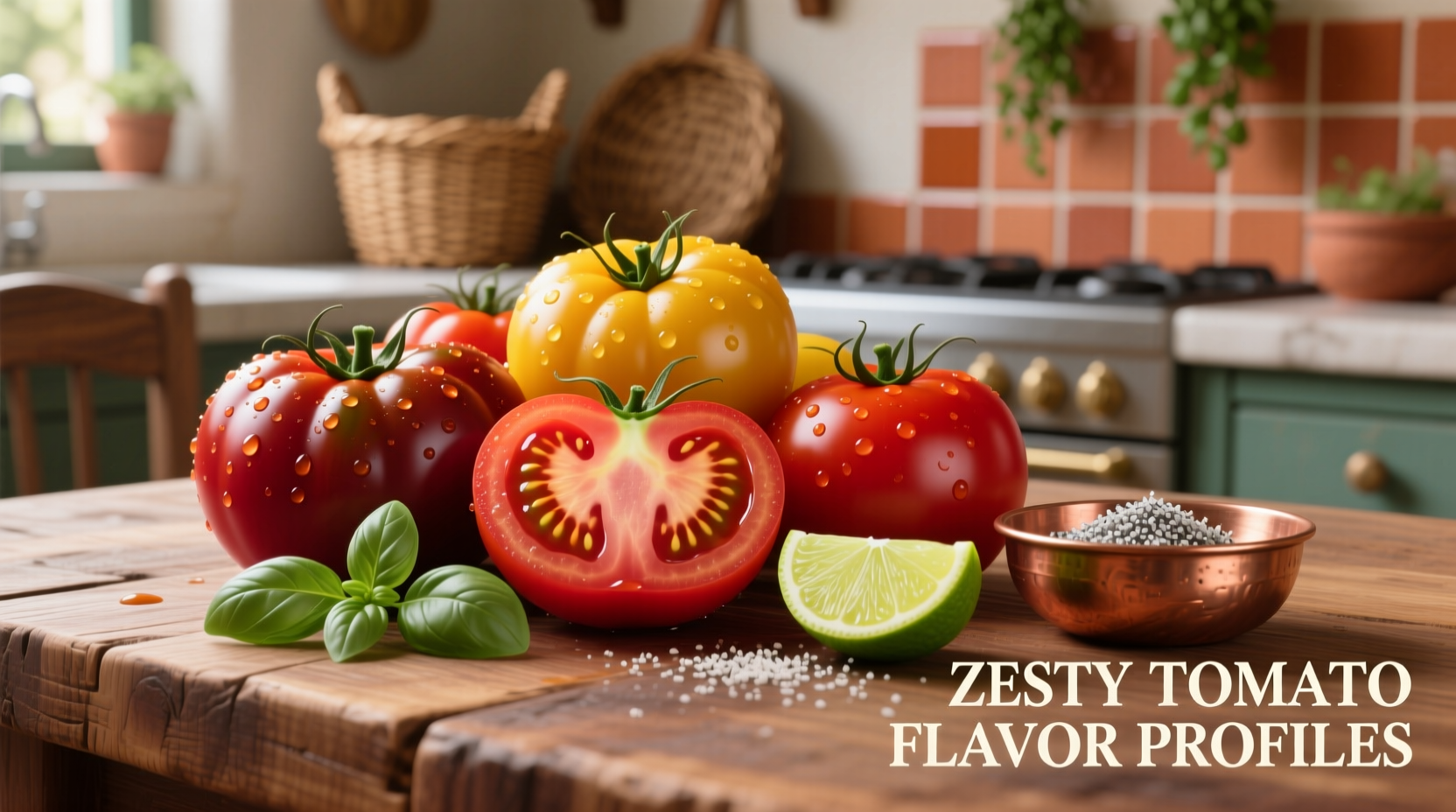
The tomato (*Solanum lycopersicum*) is botanically a fruit but culinarily treated as a vegetable, central to cuisines across the Mediterranean, Latin America, Southeast Asia, and beyond. While commonly associated with sweetness and umami depth—especially when cooked—its acidic backbone is equally vital. The term “zesty” in this context refers to the bright, lively, sometimes almost citrus-like tang that certain tomatoes exhibit, particularly when raw or lightly processed. This quality stems primarily from citric and malic acids, which interact with sugars and aromatic volatiles to form a complex flavor matrix.
Zestiness in tomatoes isn’t uniform. It varies by cultivar, growing conditions, ripeness, and post-harvest handling. Some varieties are bred specifically for high acid-sugar ratios, making them ideal for salsas, bruschetta, and other applications where punch matters. Others lose their zing as they ripen fully, developing deeper umami notes instead. Recognizing these differences enables better pairing with fats, herbs, proteins, and spices.
Key Characteristics
| Characteristic | Description |
|---|---|
| Flavor Profile | Bright, tangy, slightly tart; balanced with varying levels of sweetness and earthy undertones. |
| Aroma | Green, leafy top notes (from aldehydes like hexanal); ripe fruit tones (lycopene-derived volatiles). |
| Color/Form | Red most common, but yellow, orange, green-striped, purple-black variants exist; round, oblong, cherry, pear shapes. |
| Acid Level | Medium to high; pH typically between 4.3–4.9, contributing to perceived zest. |
| Culinary Function | Acidulant, flavor base, textural component, color enhancer. |
| Shelf Life | 5–7 days at room temperature; up to 2 weeks refrigerated (though texture degrades). |
Practical Usage: How to Use Zesty Tomatoes in Cooking
The zesty character of tomatoes is not just a background note—it can be the lead instrument. To use it effectively, consider both timing and technique.
In raw applications, underripe or early-season tomatoes deliver maximum acidity. These work exceptionally well in pico de gallo, Greek horiatiki salad, or Middle Eastern fattoush, where vinegar might otherwise be needed. Their sharpness cuts through olive oil and complements salty cheeses like feta or halloumi without overwhelming delicate herbs such as mint or parsley.
When cooking, zest transforms. As tomatoes break down, water evaporates and acids concentrate—initially intensifying tang before caramelization begins. A long-simmered San Marzano sauce may start aggressively bright but mellow into rounded complexity. To preserve some zing, add fresh diced tomatoes at the end of cooking, or swirl in a spoonful of tomato water—a strained liquid rich in acids and aromatics.
For professional-style results, layer acidity. Combine canned whole tomatoes (high in citric acid) with a touch of fresh cherry tomatoes in a bisque or soup. Or roast Roma tomatoes to deepen sweetness while finishing with a splash of tomato vinegar for back-end sparkle.
Pro Tip: When building a vinaigrette, substitute half the wine vinegar with finely grated raw tomato. The result retains acidity but gains body and fresher flavor, ideal for grain bowls or roasted vegetable salads.
Variants & Types: Choosing the Right Tomato for Zesty Impact
Not all tomatoes offer the same kind of zest. Selecting the right type depends on desired intensity and application.
- Cherry Tomatoes: Especially red and yellow varieties like Sun Gold or Sweetie, pack a surprising tang. Their high skin-to-flesh ratio concentrates flavor, making them excellent for quick sautés or blistering in cast iron with garlic and chili flakes.
- Roma (Plum) Tomatoes: Lower moisture, thicker walls, and balanced acid-sugar profiles make them ideal for sauces where controlled tartness is key. San Marzano DOP types are prized for their clean, crisp acidity.
- Green Tomatoes: Unripe versions of red cultivars, harvested before sugar development peaks. Their firm texture and pronounced tartness shine in fried preparations, chutneys, and relishes.
- Heirloom Varieties: While many heirlooms emphasize sweetness (e.g., Brandywine), others like Green Zebra or German Red Strawberry retain notable acidity even at peak ripeness. Look for striped or yellow-green skins as visual cues.
- Currant Tomatoes: Tiny, wild-type fruits with intense flavor bursts. Often used as garnish, their high acid content makes them potent accents in composed dishes.
Farmers’ market specimens often outperform supermarket tomatoes in zest due to shorter transit times and vine-ripening practices. However, greenhouse-grown hydroponic tomatoes—while visually perfect—tend toward watery neutrality unless specifically bred for flavor.
Comparison with Similar Ingredients
Tomatoes are frequently compared to other acidic produce, but their role is distinct. Here's how they differ:
| Ingredient | Acid Type | Flavor Role | Best Used When... |
|---|---|---|---|
| Lemon Juice | Ascorbic + citric acid | Pure acidity; no umami or body | You need sharp lift without bulk or savory depth |
| Vinegar | Acetic acid | Penetrating sourness; fermented notes | Preserving, pickling, or adding backend bite |
| Tomatillo | Malic + citric acid | Grassy, herbal tartness; less sweet | Making salsa verde or brothy moles |
| Raw Tomato | Citric + malic acid | Round acidity with sugar balance and umami potential | Building layered freshness in raw or gently cooked dishes |
Unlike lemon or vinegar, tomatoes contribute both acid and glutamates—the compounds responsible for umami. This dual action allows them to brighten *and* enrich simultaneously, a rare functional advantage in flavor design.
Practical Tips & FAQs
How do I enhance a tomato’s natural zest?
Serve at room temperature—cold dulls volatile aromas. Sprinkle with flaky sea salt just before serving to draw out juices and amplify perception of acidity. Pair with black pepper or toasted cumin to accentuate spicy-bright nuances.
Can I substitute canned tomatoes for fresh when I want zest?
Yes, but choose wisely. Whole peeled tomatoes packed in juice (not puree) retain more brightness than crushed or diced types. Avoid “no salt added” versions if you’re relying on sodium to balance acidity—add it yourself in controlled amounts during cooking.
Why do some tomatoes taste bland even when ripe?
Modern commercial breeding prioritizes yield, disease resistance, and shelf life over flavor. Many supermarket tomatoes are picked green and gassed with ethylene to redden, halting full development of sugars and volatiles. Seek out locally grown, vine-ripened, or heirloom types labeled for flavor, such as ‘Chef’s Choice Orange’ or ‘Matt’s Wild Cherry.’
Does cooking destroy tomato zest?
It transforms it. Prolonged heat reduces free acidity but concentrates remaining acids through evaporation. Simmering also converts some malic acid into softer-tasting forms. For persistent brightness, finish dishes with raw tomato or a drizzle of reduced tomato stock.
What herbs and spices boost zesty tomato flavors?
- Basil: Its clove-anise notes contrast beautifully with tartness.
- Oregano: Earthy bitterness grounds sharp edges.
- Chili Flakes: Heat amplifies perception of acidity.
- Garlic: Fermented or raw, it deepens complexity without masking tang.
- Capers: Brined capers add saline-acid synergy.
How should I store tomatoes to preserve zest?
Never refrigerate ripe tomatoes unless using within 24 hours. Cold temperatures damage cell structure, leading to mealy texture and muted flavor. Store stem-side down on a countertop away from direct sunlight. If you must slow ripening, place near (but not inside) the fridge’s crisper drawer.
Storage Hack: Keep partially used tomatoes cut-side down on a paper towel to minimize oxidation. Use within two days for optimal flavor retention.
Are there health benefits to zesty tomatoes?
Absolutely. Citric and malic acids aid digestion and enhance mineral absorption, particularly iron from plant sources. Lycopene—the antioxidant responsible for red pigmentation—is fat-soluble and better absorbed when tomatoes are cooked with oil. The synergy of acid and nutrients makes tomatoes a functional food, not just a flavor agent.
“A great tomato doesn’t just taste good—it performs. It lifts, balances, and connects. Its zest is what keeps a dish awake.” — Chef Ana López, Culinary Director, Terra Culinaria Institute
Summary & Key Takeaways
The zesty facet of tomato flavor is an underutilized tool in everyday cooking. By recognizing that tomatoes are not merely sweet or juicy but inherently acidic and aromatic, cooks gain access to a broader palette of taste and function.
Key points to remember:
- Zest in tomatoes comes from citric and malic acids interacting with volatile compounds and sugars.
- Cherry, green, and select heirloom varieties offer the highest natural acidity.
- Ripe, room-temperature tomatoes express zest best; cold storage dulls flavor.
- Cooking concentrates acidity initially but eventually mellows it—finish dishes with raw elements to retain brightness.
- Tomatoes uniquely combine acid, umami, and aroma, setting them apart from vinegars and citrus.
- Pair zesty tomatoes with fats, salts, and warm spices to achieve balance and depth.
To truly master tomato-driven cuisine, shift perspective: stop seeing the tomato as a passive ingredient and start treating it as an active flavor modulator. Whether raw in a salad, blistered in a pan, or simmered into a rich ragù, its zesty core can define the success of a dish. Seek out flavorful varieties, respect their ripeness, and use them intentionally. In doing so, you don’t just cook with tomatoes—you conduct them.
Challenge: Next time you make a tomato-based dish, omit added vinegar or citrus. Rely solely on the tomato’s intrinsic acidity. Adjust seasoning with salt, fat, and herbs instead. Taste the difference in clarity and integration.