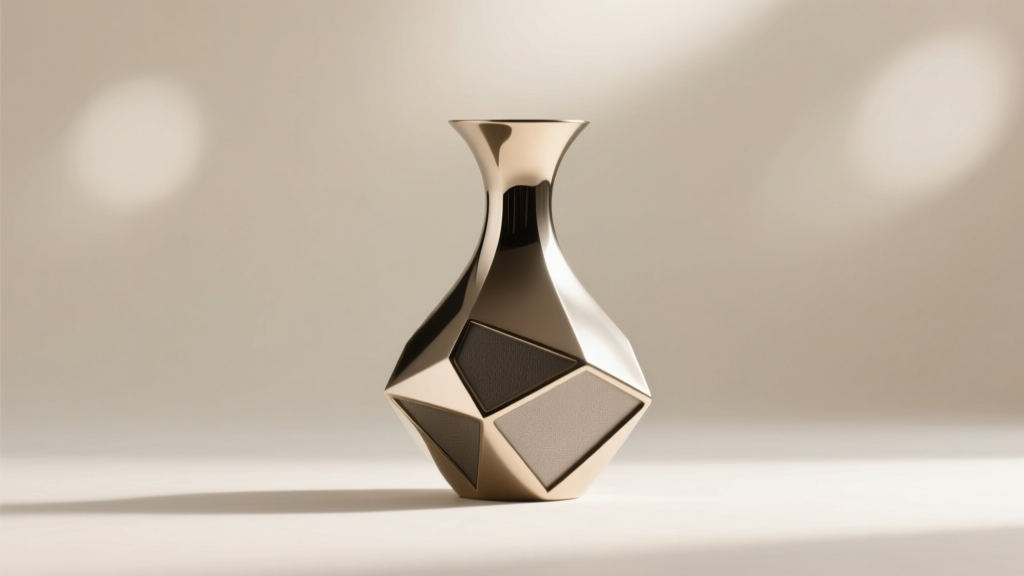
Materials for 720ml Bottles: A Comprehensive Guide
The choice of material for a 720 ml bottle plays a vital role in determining its functionality, durability, aesthetic appeal, and environmental impact. Different materials offer unique advantages depending on the product being stored—whether it's wine, spirits, beverages, oils, or perfumes. Below is a detailed breakdown of the most common materials used in 720 ml bottle manufacturing.
Glass
Ideal for premium liquids such as wines, spirits, gourmet oils, and perfumes.
Advantages
- Non-reactive – preserves original flavor and aroma
- Excellent barrier against oxygen and contaminants
- Premium look and feel, enhancing brand image
- 100% recyclable with no loss in quality
- Available in various thicknesses and designs (clear, tinted, embossed)
Limitations
- Heavy and fragile – higher shipping costs and breakage risk
- Higher production and transportation energy footprint
- Less suitable for outdoor or active use
Best for: Luxury products, long-term storage, food-grade liquids
Plastic (PET/HDPE)
Lightweight and cost-effective solution for beverages and consumer goods.
Advantages
- Extremely lightweight – reduces shipping costs
- Shatter-resistant – ideal for travel and outdoor use
- Highly customizable in shape, color, and texture
- Economical for mass production
- Recyclable (especially PET)
Limitations
- Potential for chemical leaching over time
- Permeable to gases – may affect shelf life of sensitive liquids
- Less premium appearance compared to glass
- Lower recycling rates in practice despite recyclability
Best for: Soft drinks, water, household products, budget-friendly packaging
Metal (Aluminum)
Durable and modern option, especially for carbonated beverages.
Advantages
- Superior barrier to light, air, and moisture
- Excellent for pressure retention (e.g., beer, soda)
- Highly durable and dent-resistant
- Lightweight compared to glass
- Infinitely recyclable with low energy reprocessing
Limitations
- Requires internal lining to prevent metal-liquid interaction
- Limited resealability without specialized caps
- Higher initial tooling costs
- Less traditional aesthetic for premium spirits
Best for: Craft beers, energy drinks, eco-conscious brands
Cork & Wood (Closures)
Natural materials used primarily for bottle stoppers and caps.
Advantages
- Natural micro-oxygenation (cork) enhances aging of wines and spirits
- Biodegradable and renewable resource
- Premium, artisanal aesthetic appeal
- Excellent sealing properties when properly fitted
- Supports sustainable forestry practices if sourced responsibly
Limitations
- Risk of cork taint (TCA contamination) in natural cork
- Higher cost compared to synthetic stoppers
- Wood may absorb odors or moisture if not sealed
- Limited reusability and mechanical strength
Best for: Wine bottles, premium spirits, craft brands emphasizing tradition
| Material | Durability | Weight | Environmental Impact | Best Use Cases |
|---|---|---|---|---|
| Glass | Low (fragile) | High | High recyclability, high energy footprint | Wine, spirits, gourmet products |
| Plastic (PET/HDPE) | Medium | Very Low | Recyclable but often ends in landfill | Beverages, household items |
| Metal (Aluminum) | High | Low | Low energy recycling, highly sustainable | Beer, carbonated drinks, eco-brands |
| Cork & Wood (Closures) | Medium | Low | Biodegradable, renewable | Wine, premium spirits, artisan packaging |
Expert Tip: When selecting a 720 ml bottle material, consider both product compatibility and brand positioning. For instance, glass enhances perceived value, while aluminum supports sustainability claims. Always ensure closure materials (like cork or plastic caps) are compatible with the bottle’s contents to prevent contamination or degradation.
Uses for 720ml Bottles: Versatility Across Industries
The 720ml bottle has emerged as a highly practical and widely adopted container size across numerous industries. Offering a balanced volume—large enough for meaningful use, yet compact enough for convenient handling and storage—it bridges the gap between economy and usability. While commonly associated with wine and spirits, its applications extend far beyond alcoholic beverages into personal care, household essentials, food production, and healthcare. This guide explores the diverse roles of the 720ml bottle and highlights why it's a preferred packaging solution in so many sectors.
Key Applications of 720ml Bottles
Cosmetics and Personal Care
720ml bottles are a staple in the cosmetics and personal care industry, particularly for products such as shampoo, conditioner, body wash, liquid soap, and moisturizing lotions. This capacity strikes an ideal balance between retail appeal and refill utility—offering sufficient product volume for regular use while remaining lightweight and easy to manage during application.
These bottles are often crafted from high-quality PET or HDPE plastics, which provide durability and clarity. Their smooth, contoured surfaces allow for premium labeling and branding, making them a favorite among upscale salons, spas, and eco-conscious brands offering bulk refill stations. Many also feature ergonomic designs with pump dispensers or flip-top caps for enhanced user experience and reduced product waste.
Home and Industrial Cleaning Products
In both household and industrial settings, 720ml bottles are extensively used for packaging detergents, disinfectants, multi-surface cleaners, degreasers, and sanitizing solutions. Their size is optimal for routine cleaning tasks, providing enough product for repeated use without the bulkiness of larger containers.
Manufactured from chemically resistant materials like high-density polyethylene (HDPE), these bottles are designed to safely contain aggressive substances without degradation, leakage, or off-gassing. Many include specialized closures such as spray nozzles, trigger heads, or metered dispensers that ensure precise and efficient application. The standardized size also makes them easy to store under sinks, on shelves, or in commercial cleaning carts.
Food and Culinary Applications
The food industry widely adopts 720ml bottles for packaging oils (olive, sunflower, sesame), salad dressings, marinades, syrups, sauces (soy, vinegar, hot sauce), and artisanal beverages. This volume is especially popular in gourmet, restaurant supply, and retail food markets due to its practicality and consumer appeal.
Available in both transparent and opaque variants, these bottles protect contents from light exposure while allowing visibility of the product. They are compatible with various dispensing mechanisms—such as pour spouts, screw caps, and tamper-evident seals—that enhance convenience and hygiene. The material integrity of food-grade PET or glass ensures flavor preservation, chemical inertness, and compliance with food safety regulations, making them suitable for both commercial kitchens and home pantries.
Pharmaceutical and Health Products
In healthcare and pharmaceutical contexts, the 720ml capacity is ideal for liquid medications, oral syrups, nutritional supplements, and over-the-counter remedies. Precision, safety, and dosage control are paramount in this sector, and 720ml bottles meet these needs effectively.
Typically made from medical-grade HDPE or LDPE, these containers are designed with child-resistant caps to prevent accidental ingestion and tamper-evident seals to ensure product integrity. Graduated measurement markings on the bottle side allow caregivers and patients to dispense accurate doses easily. The opaque or amber-colored variants help protect light-sensitive formulations, while the rigid structure prevents leakage during transport and storage.
| Industry | Common Products | Material Type | Special Features |
|---|---|---|---|
| Cosmetics & Personal Care | Shampoo, Conditioner, Body Wash, Lotion | PET, HDPE | Pump dispensers, Elegant labeling, Refill-friendly |
| Cleaning & Disinfection | Detergents, Disinfectants, Degreasers | HDPE, PP | Spray nozzles, Chemical resistance, Trigger heads |
| Food & Beverage | Oils, Dressings, Sauces, Syrups | Food-grade PET, Glass | Pour spouts, Tamper seals, UV protection |
| Pharmaceuticals | Medicinal syrups, Liquid supplements | Medical-grade HDPE/LDPE | Childproof caps, Graduated markings, Opaque/amber |
Why the 720ml Size Stands Out
Important: When selecting 720ml bottles for specific applications, always ensure the material is compatible with the intended contents (e.g., chemical resistance for cleaners, food-grade certification for consumables). Using inappropriate containers can lead to contamination, degradation, or safety hazards. Always follow industry guidelines for storage, labeling, and disposal.
Designs of 720ml Bottles: Functionality, Aesthetics & Brand Identity
720ml bottles are a versatile and widely used packaging format across industries such as beverages, cosmetics, household cleaners, and gourmet food. Their popularity stems from an optimal balance between volume, portability, and shelf presence. The design of a 720ml bottle is far more than just a container—it's a strategic tool that communicates brand values, enhances user experience, and differentiates products in a competitive market.
Design decisions are driven by three core pillars: functionality (how well the bottle performs), aesthetics (how visually appealing it is), and market differentiation (how it stands out on shelves). Below is a detailed exploration of the most common and effective design approaches used in 720ml bottle manufacturing today.
Classic Cylindrical Design
The classic cylindrical shape is the most widely adopted design for 720ml bottles due to its simplicity, efficiency, and universal compatibility. Its smooth, symmetrical form allows for easy gripping, rolling during production, and seamless labeling—making it ideal for high-speed bottling lines.
- Commonly used in bottled water, soft drinks, juices, and basic liquid products
- Maximizes compatibility with automated filling and capping machinery
- Offers 360° branding potential with wrap-around labels or direct printing
- Available in both glass and plastic (PET, HDPE) materials for diverse applications
Best for: Mass-market products prioritizing cost-efficiency and scalability
Square & Rectangular Designs
Square and rectangular 720ml bottles provide increased surface area and structural stability, making them ideal for products that require prominent branding or efficient stacking. Their angular design minimizes wasted space during shipping and retail display, improving logistics and shelf density.
- Favored by premium skincare, cleaning supplies, and specialty beverages
- Larger flat panels allow for detailed labeling, ingredient lists, and QR codes
- Stacks tightly in shipping crates and fits neatly on retail shelves
- Projects a modern, organized, and professional brand image
Key advantage: Up to 20% better space utilization compared to cylindrical bottles
Unique Contour & Custom Molds
High-end brands often invest in custom-molded 720ml bottles with distinctive silhouettes that reflect luxury, craftsmanship, or brand heritage. These contour designs are engineered not only for visual impact but also for enhanced ergonomics and tactile appeal.
- Widely used in premium spirits, perfumes, olive oils, and artisanal beverages
- Curved or sculpted sides improve grip and pouring control
- Creates instant shelf recognition—consumers remember unique shapes
- Often paired with high-end materials like thick glass or matte-finish plastics
Design tip: Use subtle curves and embossed logos to convey exclusivity without compromising functionality
Caps & Closure Systems
The closure is a critical component of the 720ml bottle, influencing both safety and user experience. Cap design must align with the product’s purpose, target audience, and usage environment.
- Child-resistant caps: Essential for pharmaceuticals and household chemicals
- Pump dispensers: Ideal for lotions, serums, and cleaning concentrates
- Screw caps with tamper-evident bands: Standard for beverages and food products
- Cork or wood stoppers: Used in premium wines, spirits, and gourmet oils for traditional appeal
Innovation spotlight: Resealable flip-top and spray caps are gaining popularity for on-the-go convenience
Labeling & Printing Technologies
The label is the primary communication tool on a 720ml bottle, combining branding, regulatory information, and consumer engagement. Advances in printing technology have expanded design possibilities beyond traditional paper labels.
- Shrink sleeves: Wrap around the entire bottle for 360° branding and vibrant graphics
- Direct-to-container printing: Ink applied directly to glass or plastic for a sleek, label-free look
- Foil stamping & embossing: Adds luxury texture and reflective detail for premium positioning
- Smart labels: Include QR codes linking to origin stories, sustainability data, or usage tutorials
Pro insight: Matte finishes reduce glare and enhance perceived quality in retail lighting
Ergonomic & User-Centered Design
For products consumed frequently or in large volumes, ergonomic features significantly improve user satisfaction. Thoughtful design elements make the bottle easier to hold, pour, and store—especially important in health, wellness, and personal care categories.
- Indented finger grips or tapered waistlines enhance control and comfort
- Wide mouths facilitate easy pouring and cleaning, especially for viscous liquids
- Non-slip textures or rubberized coatings prevent drops in wet environments
- Resealable closures maintain freshness and prevent spills during transport
Consumer benefit: Ergonomic designs reduce hand fatigue and improve accessibility for all age groups
Strategic Recommendation: When developing a 720ml bottle, start with your brand’s core message. A minimalist cylindrical design may suit a natural water brand, while a sculpted glass bottle with a cork stopper better represents a craft spirit. Always test prototypes with real users to evaluate grip, pour control, and visual appeal before mass production.
| Design Type | Best Suited For | Material Options | Key Benefits |
|---|---|---|---|
| Classic Cylindrical | Water, soft drinks, juices | PET, HDPE, glass | Cost-effective, easy to label, high-speed production |
| Square/Rectangular | Cleaning products, skincare, sauces | HDPE, rigid PET, glass | Maximized label space, space-efficient packaging |
| Contoured/Custom | Premium spirits, perfumes, gourmet oils | Thick glass, specialty resins | Brand differentiation, luxury perception |
| Ergonomic w/ Grip | Health drinks, sports nutrition, lotions | PET, soft-touch plastics | Improved usability, reduced spills |
Additional Design Considerations
- Color & Transparency: Clear bottles showcase product purity; amber or green glass protects light-sensitive contents; colored plastics reinforce brand identity
- Sustainability: Recycled PET (rPET), biodegradable materials, and lightweight designs reduce environmental impact
- Shelf Impact: Unique shapes, bold colors, and metallic accents increase visibility in crowded retail environments
- Fill Level & Headspace: Proper neck design ensures consistent fill levels and allows for carbonation or thermal expansion
- Brand Consistency: Bottle design should align with overall brand language, including logo, typography, and tone of voice
Reasons for Choosing 720ml Bottles
Selecting 720 ml bottles offers a strategic advantage for both consumers and manufacturers, combining practicality, sustainability, and brand appeal. This size has become a preferred standard across industries—from beverages and gourmet foods to household cleaners and personal care products—due to its optimal balance of functionality and efficiency. Below are the key reasons why businesses and consumers alike are increasingly favoring the 720 ml format.
Why 720 ml? This capacity strikes a near-perfect equilibrium between usability and efficiency. It’s large enough to offer value and reduce packaging frequency, yet compact enough to minimize waste and ensure freshness. As a result, it supports both economic and environmental goals in modern packaging strategies.
1. Versatile Capacity for Diverse Applications
The 720 ml volume is widely regarded as a "Goldilocks" size—neither too large to lead to product spoilage nor too small to require frequent repurchasing. This makes it ideal for a broad range of products:
- Beverages: Perfect for craft beers, specialty sodas, juices, and wine, offering a generous single-serving or shared experience.
- Condiments & Sauces: Ideal for premium olive oils, vinegars, hot sauces, and dressings, allowing multiple uses without compromising freshness.
- Household & Industrial Cleaners: Provides sufficient volume for regular use while remaining manageable in weight and storage.
For manufacturers, standardizing on 720 ml simplifies production lines, reduces SKU complexity, and enhances supply chain efficiency.
2. Durability and High Recyclability
720 ml bottles are commonly made from high-quality, durable materials such as:
- Glass: Resistant to chemical leaching, preserves flavor, and is infinitely recyclable without degradation.
- PET Plastic: Lightweight, shatter-resistant, and widely accepted in recycling programs.
- Aluminum: Often used for beverages, it’s lightweight, impermeable, and among the most recycled materials globally.
By choosing recyclable 720 ml containers, brands demonstrate environmental responsibility, support circular economy goals, and appeal to eco-conscious consumers. Many recycling facilities are already optimized for this common size, increasing recovery rates.
3. Cost-Effectiveness Across the Supply Chain
The 720 ml size delivers significant economic advantages:
- Material Efficiency: Uses less raw material per unit volume compared to smaller bottles, reducing plastic, glass, or metal costs.
- Production Efficiency: Fits seamlessly into automated bottling lines, minimizing changeover time and maximizing throughput.
- Logistics Savings: Optimized weight and dimensions reduce shipping costs and carbon footprint per unit. Stacking and palletization are more efficient than with irregular or oversized containers.
This balance of low cost and high utility makes 720 ml an attractive option for startups and established brands alike.
4. Superior Product Preservation
The material and design of 720 ml bottles contribute directly to product integrity and shelf life:
- Glass: Chemically inert and impermeable, making it ideal for preserving the taste and aroma of wines, spirits, and gourmet foods.
- Plastic (PET/HDPE): Offers excellent resistance to acids, bases, and solvents—perfect for cleaning agents, personal care products, and liquid detergents.
- Metal (Aluminum): Blocks light and oxygen, protecting sensitive beverages like craft beer and functional drinks from degradation.
These preservation qualities help maintain product quality from factory to consumer, reducing returns and enhancing customer satisfaction.
5. Enhanced Aesthetic and Branding Potential
The 720 ml bottle provides a substantial canvas for branding and design innovation:
- Label Real Estate: Ample surface area for high-impact graphics, ingredient lists, certifications, and storytelling.
- Bottle Shape & Finish: Allows for custom molds, embossing, and premium closures (e.g., cork, swing-top, pump dispensers) that convey quality and sophistication.
- Shelf Presence: Stands out in retail environments—larger than standard 330–500 ml bottles but not as bulky as 1L+ containers.
For premium and artisanal brands, the 720 ml bottle enhances perceived value and supports brand positioning in competitive markets.
6. Consumer Convenience and Usability
Designed with the end-user in mind, 720 ml bottles prioritize ease of use:
- Ergonomic Handling: Comfortable grip and manageable weight (especially when filled) for pouring, carrying, and storing.
- Re-Sealability: Most come with secure caps or closures, allowing partial use and safe storage.
- Pour Control: Suitable neck design enables precise dispensing—critical for oils, sauces, and concentrated cleaners.
- Storage Fit: Fits well in standard refrigerators, cabinets, and retail displays without wasting space.
These user-friendly features improve the overall experience, encouraging repeat purchases and brand loyalty.
| Benefit | Consumer Impact | Business Impact | Sustainability Contribution |
|---|---|---|---|
| Versatile Capacity | Ideal portion size; reduces waste | Standardization reduces complexity | Fewer packages needed over time |
| Durability & Recyclability | Safe, reliable, eco-friendly choice | Aligns with ESG and CSR goals | High recycling rates; circular lifecycle |
| Cost-Effectiveness | Good value for money | Lower production and shipping costs | Less material waste per unit |
| Product Preservation | Fresher, longer-lasting products | Reduced spoilage and returns | Extends shelf life, less food/product waste |
| Branding Potential | Attractive, premium feel | Stronger brand identity and recognition | Encourages reuse or proper recycling |
| Consumer Convenience | Easy to use, store, and reseal | Higher satisfaction and repeat sales | Durable design supports multiple uses |
Pro Tip: When launching a new product, consider the 720 ml size as a benchmark for balancing consumer appeal, operational efficiency, and sustainability. It’s a proven format that resonates across demographics and product categories.
Final Thoughts
The 720 ml bottle is more than just a container—it’s a strategic choice that aligns with modern consumer expectations and business objectives. From environmental responsibility to brand differentiation and cost control, this size delivers measurable benefits at every stage of the product lifecycle. Whether you're formulating a craft beverage, developing a premium sauce, or packaging a green cleaning solution, the 720 ml bottle offers a smart, scalable, and sustainable solution.
Frequently Asked Questions About 720ml Bottles
Q. What industries frequently use 720ml bottles?A. The 720ml bottle size has become a versatile and widely adopted packaging solution across multiple industries due to its optimal balance of capacity, portability, and shelf presence. Its popularity spans several key sectors:
- Beverage Industry: This is the most common application, where 720ml bottles are standard for wines, premium spirits (such as whiskey, rum, and gin), craft beers, and flavored or functional beverages. The size is ideal for both single-serve consumption and small gatherings, making it a favorite among producers and consumers alike.
- Personal Care & Cosmetics: Used for shampoos, conditioners, body washes, lotions, and skincare products. The larger volume suits salon-sized or family-use products, while the bottle design allows for easy dispensing and labeling.
- Food & Culinary: Ideal for premium olive oils, vinegar, sauces (like soy or chili), and liquid seasonings. The size offers enough volume for regular use while maintaining freshness and visual appeal on retail shelves.
- Cleaning & Industrial Products: Employed for concentrated cleaning agents, disinfectants, and specialty solvents. The 720ml format ensures precise dosing and safe handling, especially in commercial or institutional settings.
- Pharmaceuticals & Medical: Utilized for liquid medicines, syrups, and medical solutions where accurate measurement and contamination control are essential. The size supports multi-dose usage with secure closures.
This cross-industry adoption highlights the 720ml bottle’s adaptability, making it a go-to choice for brands aiming to balance functionality, consumer convenience, and logistical efficiency.
Q. Are 720ml bottles a sustainable packaging option?A. The environmental impact of 720ml bottles depends heavily on the material used, production methods, and end-of-life disposal practices. However, many aspects of this packaging size support sustainability goals when responsibly managed:
- Glass Bottles: Highly sustainable due to infinite recyclability without quality loss. Glass can be melted and reused repeatedly with relatively low energy compared to virgin production. Many 720ml glass bottles are also designed for reuse (e.g., in refill programs), further reducing waste.
- Aluminum Bottles: Lightweight, fully recyclable, and energy-efficient to recycle (using up to 95% less energy than new aluminum production). Commonly used for premium beverages, they offer excellent barrier properties and modern aesthetics.
- Plastic Bottles (PET/HDPE): While technically recyclable, plastic faces challenges such as contamination, downcycling, and lower recycling rates. Though lightweight and cost-effective, their environmental footprint is higher unless made from recycled content (rPET) or biodegradable alternatives.
Many manufacturers are responding to eco-conscious consumer demand by:
- Reducing plastic use through lightweighting (thinner walls, less material).
- Switching to recycled or bio-based materials.
- Designing bottles for easier recycling (e.g., removing labels, using mono-materials).
- Supporting closed-loop systems and take-back programs.
In summary, 720ml bottles can be a sustainable choice—especially when made from glass or aluminum and part of a circular economy model. Consumer participation in recycling is also crucial to maximizing their environmental benefits.
Q. Do 720ml bottles offer branding opportunities?A. Absolutely. The 720ml bottle provides ample real estate for creative branding and product differentiation, making it a powerful marketing tool in competitive markets:
- Label Space: Offers generous surface area for detailed labeling, including ingredients, usage instructions, certifications (organic, cruelty-free), and storytelling elements that connect with consumers.
- Printing & Finishing Options: Supports high-quality printing techniques such as screen printing, shrink sleeves, foil stamping, embossing, and matte/gloss finishes. These enhance visual appeal and perceived product value.
- Custom Shapes & Designs: Brands can customize the bottle silhouette (e.g., tapered, angular, or ergonomic shapes) to stand out on shelves and reinforce brand identity—think iconic liquor bottles or luxury skincare containers.
- Closure & Cap Design: Caps, pumps, sprayers, and tamper-evident seals can be color-matched or uniquely styled to align with brand aesthetics and improve user experience.
- Color & Transparency: Available in clear, amber, green, or tinted glass/plastic to protect contents (e.g., UV-sensitive oils) and convey product type (e.g., dark glass for premium spirits).
Combined, these features allow brands to create a strong visual identity, build consumer trust, and foster loyalty—turning the 720ml bottle into more than just packaging, but a key element of brand expression.
Q. What materials are typically used for 720ml bottles?A. 720ml bottles are manufactured from a range of materials, each selected based on the product’s functional needs, target market, and sustainability goals:
| Material | Common Applications | Key Advantages | Considerations |
|---|---|---|---|
| Glass | Wine, spirits, premium oils, cosmetics, pharmaceuticals | Non-reactive, preserves flavor/quality, recyclable, premium look and feel | Heavier (higher shipping costs), fragile, energy-intensive to produce |
| Plastic (PET/HDPE) | Water, soft drinks, shampoos, cleaning products, sauces | Lightweight, shatter-resistant, low-cost, versatile in design | Lower recyclability in practice, environmental concerns, potential for chemical leaching |
| Metal (Aluminum) | Carbonated beverages, energy drinks, specialty liquors, industrial chemicals | Excellent barrier properties, fully recyclable, modern appearance, lightweight | Higher cost, limited resealability, may react with acidic contents if unlined |
| Bio-based or Recycled Plastics | Eco-friendly personal care, organic beverages, green cleaning products | Reduced carbon footprint, renewable sourcing, aligns with sustainability branding | Currently more expensive, limited availability, performance may vary |
The choice of material significantly influences product shelf life, consumer perception, transportation efficiency, and environmental impact. As sustainability becomes a priority, many companies are shifting toward recyclable or alternative materials while maintaining the functional and aesthetic benefits of the 720ml format.