Salsa chili is often confined to the realm of Tex-Mex appetizers—served with tortilla chips or spooned over tacos. But this humble condiment holds untapped potential far beyond its traditional boundaries. With thoughtful integration of international flavors, salsas can transcend borders, absorbing the soul of cuisines from Southeast Asia to North Africa. The key lies in reimagining the foundational elements: heat source, acidity, aromatics, and texture. By introducing globally inspired ingredients and techniques, home cooks can elevate a simple tomato-and-chile mix into a vibrant, complex sauce that complements everything from grilled fish to grain bowls. This guide explores seven transformative approaches that infuse salsa chili with authentic global character, turning it into a culinary passport across continents.
Definition & Overview
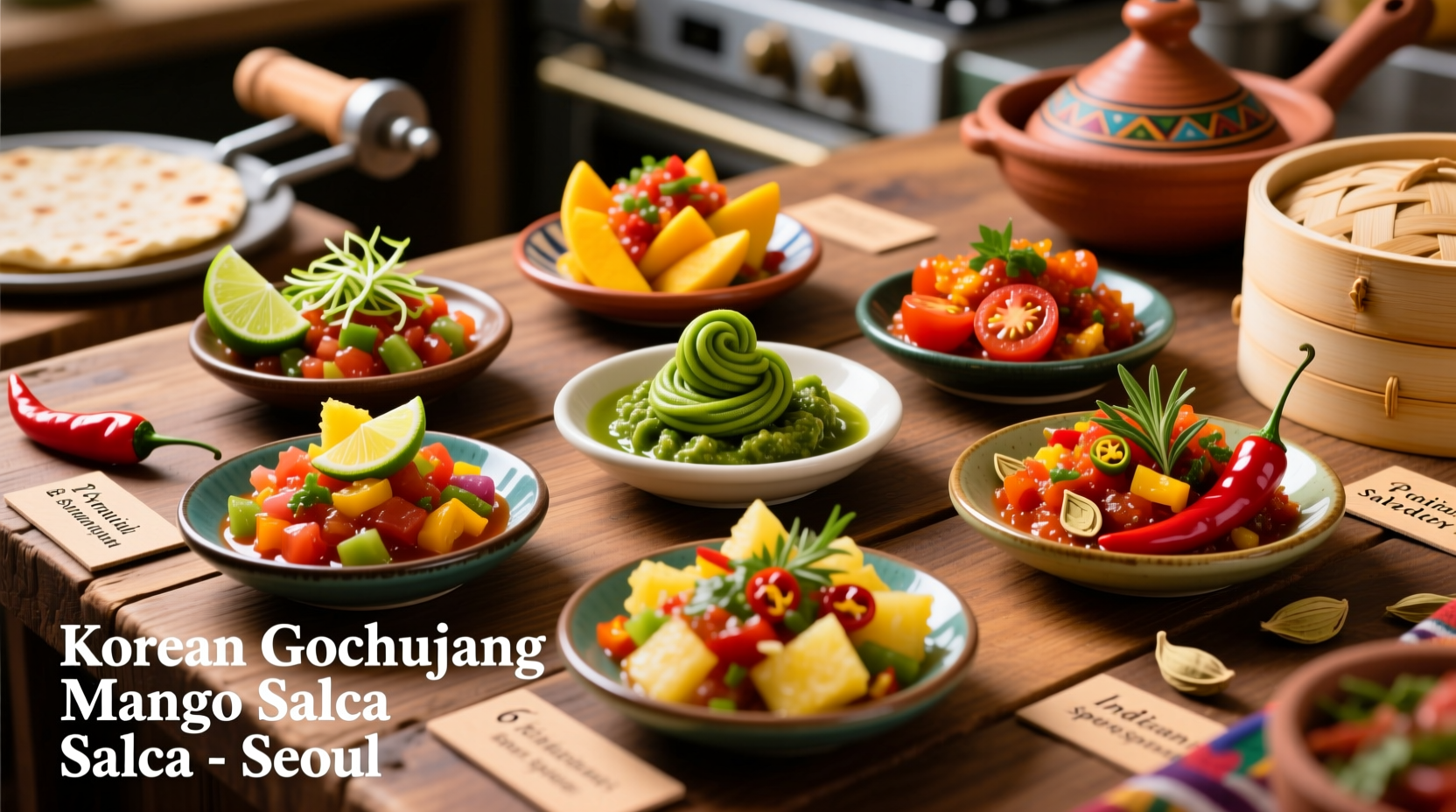
At its core, salsa chili refers to any spicy, fresh or cooked sauce rooted in chile peppers, typically combined with tomatoes, onions, garlic, cilantro, and lime. Originating in Mesoamerica, the word \"salsa\" simply means \"sauce\" in Spanish, underscoring its versatility. Traditional Mexican salsas like salsa roja, salsa verde, and pico de gallo emphasize balance—between heat and freshness, tang and sweetness, rawness and roasted depth. However, the structure of salsa—chile base + acid + aromatic base + seasoning—is universal enough to adapt seamlessly to other culinary traditions. When we expand the ingredient palette beyond jalapeños and tomatillos, and instead incorporate miso, tamarind, harissa, or gochujang, we unlock entirely new dimensions of umami, funk, brightness, and layered heat. These are not fusion novelties but respectful evolutions grounded in authentic flavor principles.
Key Characteristics of Salsa Chili
- Flavor Profile: Ranges from bright and vegetal (raw pico de gallo) to smoky and deep (roasted chipotle salsa).
- Aroma: Freshly cut herbs, charred peppers, citrus zest, garlic—all contribute to an aromatic lift.
- Color/Form: Typically red, green, or orange; can be chunky, smooth, or semi-pureed depending on preparation.
- Heat Level: Variable—from mild (poblano-based) to extremely hot (habanero or ghost pepper salsas).
- Culinary Function: Condiment, marinade component, cooking base, or standalone dip.
- Shelf Life: Fresh versions last 5–7 days refrigerated; cooked or vinegar-preserved versions up to 3 weeks.
Pro Tip: Always taste your chiles before adding them whole to a recipe. Heat levels vary dramatically even within the same variety due to growing conditions and ripeness.
Practical Usage: Beyond the Chip
The most common use of salsa chili is as a table condiment. Yet its applications extend far beyond dipping. In professional kitchens, chefs leverage salsa's acidity and spice to cut through rich dishes, enhance grilled proteins, or brighten starchy sides. A spoonful stirred into braised beans adds vibrancy. Swirled into soups at the end of cooking, it lifts the entire dish. It can act as a quick marinade for shrimp or chicken, where the acid gently denatures proteins while infusing flavor. For home cooks, integrating global salsas means thinking contextually: match the salsa’s dominant notes to the main ingredient. A Thai-inspired lemongrass-chile salsa pairs beautifully with coconut rice and grilled salmon, while a Middle Eastern za’atar-laced version shines atop lamb kebabs or labneh.
When substituting in recipes, maintain a 1:1 ratio unless adjusting for heat. For example, replacing standard salsa with a fermented Korean gochujang version will add both spice and sweetness—balance this by reducing added sugar elsewhere. Start with two tablespoons per serving and adjust upward based on tolerance and desired impact.
Twist #1: Thai Basil & Lemongrass Infusion
Replace cilantro and onion with finely minced lemongrass, kaffir lime leaves, and Thai basil. Use bird’s eye chiles for authentic heat and pair with cherry tomatoes or mango for sweetness. Add a splash of fish sauce and palm sugar to deepen the savory-sweet profile. This version excels alongside grilled seafood, sticky rice, or spring rolls.
To prepare: Blanch lemongrass tips briefly to soften, then mince finely. Combine with chopped chiles, diced ripe mango, torn kaffir lime leaves (only the tender parts), and Thai basil. Season with fish sauce, lime juice, and a pinch of palm sugar. Let rest for 20 minutes before serving to allow flavors to meld.
| Ingredient | Function | Substitution |
|---|---|---|
| Lemongrass | Citrusy backbone | Lemon zest + celery (partial) |
| Bird’s Eye Chile | High heat, clean burn | Serrano or Thai dragon |
| Fish Sauce | Umami depth | Soy sauce + dash of anchovy paste |
| Kaffir Lime Leaf | Floral-citrus aroma | Lime zest + bay leaf (limited) |
Twist #2: North African Harissa Fusion
Harissa, the fiery paste from Tunisia and Algeria, blends smoked chiles, caraway, coriander, and garlic. Incorporate it directly into a roasted red pepper and tomato salsa for instant complexity. Alternatively, make a hybrid: blend fire-roasted poblanos with sun-dried tomatoes, toasted cumin, and a tablespoon of store-bought or homemade harissa. Finish with chopped preserved lemon and fresh parsley.
This salsa thrives when paired with couscous, grilled halloumi, merguez sausage, or falafel. Its deep, earthy heat cuts through fatty meats and dairy alike. Preserved lemon—a staple in Moroccan cuisine—adds briny brightness without overwhelming saltiness. To make a quick substitute, pickle lemon quarters in salt and water for 48 hours if unavailable.
“Harissa isn’t just about heat—it’s about memory. The smoke recalls open fires, the spices echo caravan routes. When you fold it into a salsa, you’re not making fusion—you’re honoring preservation.”
—Yasmine Elgharib, Chef & Author of *Spice Routes of the Maghreb*
Twist #3: Japanese Yuzu & Shiso Lift
Swap lime for yuzu juice—a tart, fragrant citrus hybrid—and replace cilantro with shiso (perilla) leaves. Use fresno or chiltepin chiles for moderate heat and visual appeal. Add a teaspoon of white miso paste to introduce subtle umami richness without overpowering. This delicate salsa works exceptionally well with sashimi-grade tuna, seared scallops, or cold soba noodles.
Miso should be whisked into a small amount of warm water first to dissolve fully before mixing into the salsa. Shiso leaves are best chiffonaded (thinly sliced). Because yuzu is seasonal and regionally limited, bottled yuzu juice (available in Asian markets) performs well. Avoid imitation yuzu concentrates high in citric acid.
Storage Note: Due to miso’s live cultures, this salsa may continue to ferment slightly in the fridge. Consume within 4 days for optimal freshness and flavor stability.
Twist #4: Indian Tamarind & Curry Leaf Sizzle
Introduce tamarind pulp dissolved in warm water as the primary acid, replacing vinegar or citrus. Add mustard seeds tempered in ghee, fresh curry leaves, and finely diced green chiles. Include grated jicama or cucumber for crunch, mimicking the texture of Indian chutneys. A touch of jaggery balances the tartness authentically.
This chutney-style salsa pairs brilliantly with dosas, samosas, or spiced lentil burgers. Tempering—the process of frying spices in fat—is essential here. Heat one teaspoon ghee, add half a teaspoon mustard seeds until they pop, then stir in five curry leaves and immediately remove from heat. Fold this infused oil into the cooled tamarind mixture just before serving to preserve aroma.
Twist #5: Korean Gochujang Depth
Gochujang, the fermented red chili paste, brings sweet, smoky, and funky notes. Mix two tablespoons into a blended salsa of roasted red peppers, garlic, and apple cider vinegar. Thin with a bit of rice vinegar if needed. Add toasted sesame seeds and scallions for texture and nuttiness.
This version functions equally well as a glaze (when reduced) or a condiment. Try it swirled into ramen, dolloped on kimchi fried rice, or served alongside bulgogi beef. Unlike raw chile salsas, gochujang-based versions benefit from resting overnight—the flavors deepen significantly.
| Region | Primary Acid Source | Flavor Implication |
|---|---|---|
| Mexico | Lime juice | Clean, sharp brightness |
| Thailand | Tamarind, lime | Sweet-tart complexity |
| Japan | Yuzu, rice vinegar | Delicate, floral acidity |
| Middle East | Lemon, sumac | Dry, wine-like tang |
| India | Tamarind, amchoor (mango powder) | Fruity, fermented sourness |
Twist #6: Caribbean Scotch Bonnet & Mango Fire
Combine ripe mango, red bell pepper, red onion, and minced scotch bonnet pepper. Use passionfruit juice or guava nectar instead of vinegar for acidity. Stir in fresh thyme and a few drops of allspice-infused rum (optional but authentic). This tropical salsa sings with jerk-seasoned chicken, grilled mahi-mahi, or plantain tostones.
Scotch bonnets rank among the hottest peppers (100,000–350,000 SHU), so handle with gloves and seed carefully. Passionfruit pulp provides both acid and aroma—strain seeds if preferred. If fresh fruit is unavailable, frozen puree works well. The natural pectin helps stabilize the texture over time.
Twist #7: Persian Pomegranate & Sumac Glow
Use pomegranate molasses as the acidulant, combining it with finely diced serrano, cucumber, red onion, and flat-leaf parsley. Sprinkle in ground sumac for its distinctive lemony-astringent note. Toasted walnuts add body and authenticity. Serve chilled with grilled kofta, feta, or as part of a mezze platter.
Pomegranate molasses is concentrated, so dilute slightly with water or lemon juice if too intense. Sumac should be deep burgundy—not brown—and stored away from light to preserve potency. This salsa improves after two hours in the fridge, allowing the sumac to bloom and the vegetables to absorb the syrupy dressing.
Variants & Types: From Raw to Fermented
Salsas exist across a spectrum of preparation methods:
- Raw (e.g., pico de gallo): Fresh, crisp, immediate. Best used within 24–48 hours.
- Raised (roasted): Charred tomatoes, peppers, and onions add smokiness. Ideal for freezing.
- Cooked: Simmered with vinegar and spices for shelf stability. Common in commercial products.
- Fermented: Lacto-fermented chiles and vegetables develop tang and probiotics. Can age for months.
Global variations often align with local preservation needs. Tropical climates favor fermented or vinegar-heavy salsas for longevity, while temperate regions utilize fresh preparations more frequently. Fermenting a habanero-garlic brine for two weeks yields a fiery, yogurt-compatible salsa akin to Nigerian shito or Filipino bagoong-influenced sauces.
Comparison with Similar Ingredients
Salsa is often confused with other spicy condiments, but distinctions matter:
| Sauce | Base | Texture | Key Difference |
|---|---|---|---|
| Salsa | Fresh vegetables + chiles | Chunky to semi-smooth | Minimal processing, no fermentation |
| Chutney | Fruit/spices simmered | Thick, jam-like | Cooked, often sweetened |
| Relish | Pickled vegetables | Fine chop, vinegary | Preserved, acidic bite |
| Hot Sauce | Chiles + vinegar, fermented or not | Liquid, pourable | Higher acid, longer shelf life |
While overlaps exist—especially in homemade versions—the intent separates them. Salsas are meant to highlight freshness; chutneys celebrate transformation through cooking; hot sauces prioritize heat delivery and preservation.
Practical Tips & FAQs
How do I control the heat level?
Remove seeds and inner membranes from chiles—the primary source of capsaicin. For extreme heat, wear gloves during handling. To cool down an overly spicy batch, add diced avocado, plain yogurt, or a splash of cream. Sweeteners like honey or agave also mitigate burn.
Can I freeze global salsas?
Roasted and cooked versions freeze well for up to 3 months. Avoid freezing raw herb-forward salsas (e.g., those with cilantro or shiso), as texture degrades. Fermented or vinegar-based types fare better.
What are the best substitutes for hard-to-find ingredients?
- Yuzu: Equal parts lime and grapefruit juice
- Preserved Lemon: Brined lemon rind in saltwater for 3 days
- Kaffir Lime Leaf: Lime zest + bay leaf (use sparingly)
- Pomegranate Molasses: Reduce 2 cups tart cherry juice + 1 tbsp lemon juice by 75%
How long does flavored salsa keep?
Refrigerated in a sealed container: 5–7 days for fresh versions, 2–3 weeks for vinegar- or fermentation-stabilized ones. Always use clean utensils to prevent mold.
Which dishes pair best with each twist?
- Thai Lemongrass – Grilled shrimp, rice noodles
- North African Harissa – Lamb, roasted carrots, hummus
- Japanese Yuzu – Tuna tartare, tofu bowls
- Indian Tamarind – Samosas, pakoras, biryani
- Korean Gochujang – Bibimbap, grilled pork
- Caribbean Mango – Jerk chicken, grilled fish
- Persian Sumac – Kebabs, tabbouleh, feta cheese
Batch Scaling: Double recipes only if using non-herbal bases. Delicate greens like cilantro or shiso lose vibrancy when bulk-prepped. Make herb components fresh and combine just before serving.
Summary & Key Takeaways
Salsa chili is not a static recipe but a dynamic framework for global expression. By shifting the acid, chile type, aromatic base, and textural elements, cooks can transport the palate across continents without leaving the kitchen. The seven twists presented—Thai, North African, Japanese, Indian, Korean, Caribbean, and Persian—each adhere to authentic flavor principles while remaining accessible to home cooks. Success hinges on respecting ingredient roles: lemongrass as citrus anchor, sumac as dry acid, tamarind as fruity sourness. These are not gimmicks but informed adaptations rooted in real culinary traditions.
Mastering global salsas expands not only your condiment repertoire but also your understanding of how heat, acid, and aroma function universally. Whether brightening a weeknight bowl or elevating a dinner party centerpiece, these salsas prove that the simplest sauces often carry the boldest stories. Experiment thoughtfully, taste constantly, and let your salsa reflect the world on your plate.
Challenge: Pick one global twist per month. Source at least two authentic ingredients, pair with a culturally aligned main dish, and take notes on balance. Build a personal flavor journal to track preferences and improvements.