When it comes to layering in cooler months, few garments are as versatile or timeless as the cardigan. But choosing between a wool cardigan and a knit cardigan often leads to confusion—especially when both appear similar at first glance. The truth is, “knit” refers to a construction method, while “wool” describes a fiber type. Understanding this distinction is key to making an informed decision about comfort, longevity, and value. This guide breaks down the differences, compares performance, and helps you choose the right cardigan for your lifestyle.
Understanding the Basics: Wool vs Knit
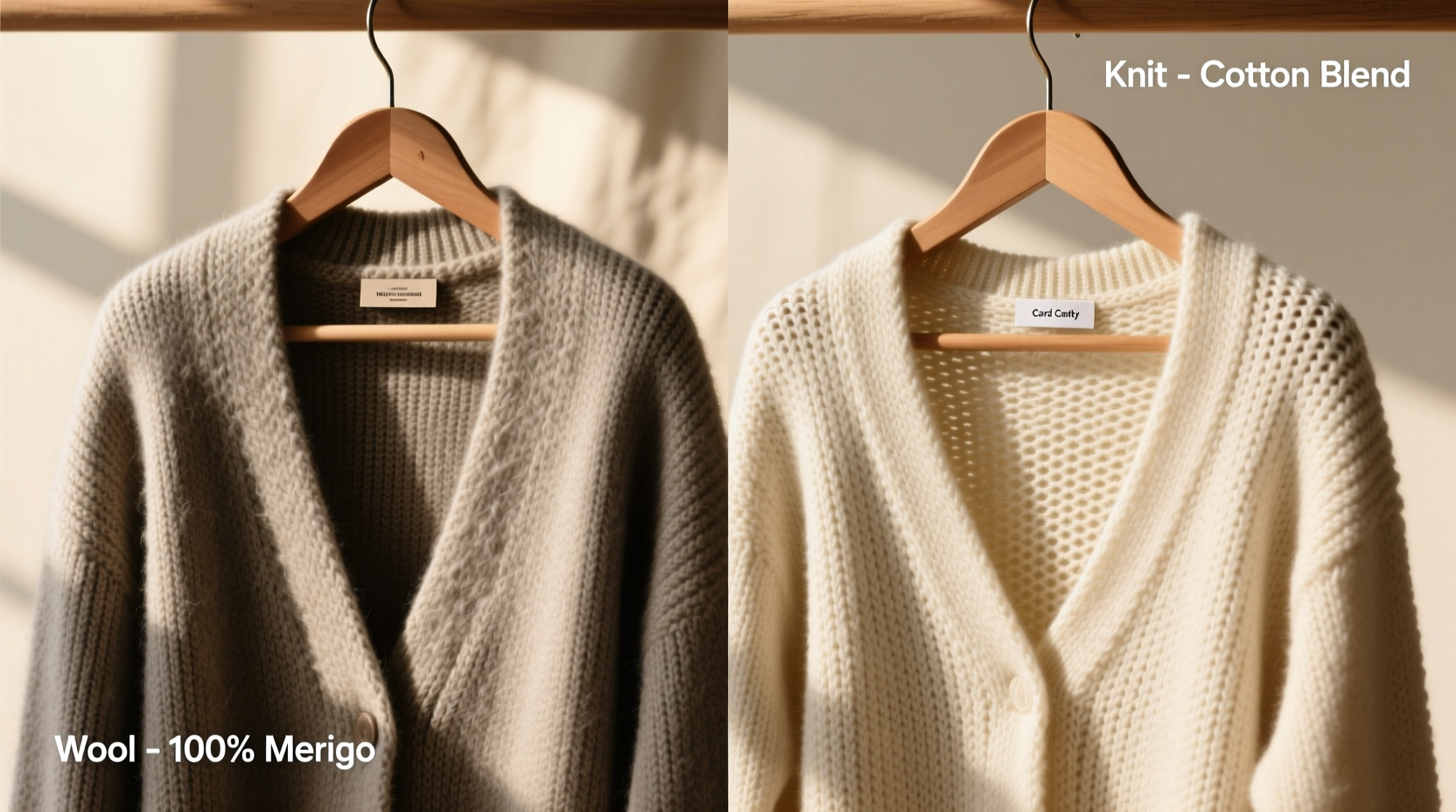
The confusion often starts with terminology. A “knit cardigan” isn’t defined by material but by how it’s made—using interlocking loops of yarn. Virtually all cardigans are knits, whether they’re made from cotton, acrylic, or wool. On the other hand, “wool” specifies the raw material—typically sourced from sheep—and can be used in woven or knitted fabrics.
So when people ask “wool vs knit,” they usually mean: a cardigan made from wool versus one made from non-wool knitted fibers like cotton, acrylic, or blends. Clarifying this helps frame the real comparison: natural fiber (wool) versus synthetic or plant-based knits.
Material Composition: What You’re Really Wearing
Wool cardigans are typically made from merino, lambswool, cashmere, or blended wool fibers. These are natural, breathable, and temperature-regulating. In contrast, many “knit” cardigans on the market use cotton, polyester, rayon, or acrylic—often chosen for affordability and softness.
Natural wool has unique properties: it wicks moisture, resists odors, and provides insulation even when damp. Synthetic knits may feel softer initially but lack breathability and can trap heat or humidity. Cotton knits offer comfort but tend to sag or lose shape over time, especially after repeated washing.
Tip: Always check the garment label. A \"knit\" cardigan might still contain wool—focus on fiber content, not just construction.Durability: Which Cardigan Lasts Longer?
Longevity depends on fiber strength, construction quality, and care habits. Wool, particularly high-grade merino or Shetland wool, is inherently resilient. Wool fibers can bend over 20,000 times without breaking—compared to cotton’s 3,000 and rayon’s mere 75. This elasticity translates into long-term shape retention and resistance to pilling.
Well-made wool cardigans, when properly cared for, can last a decade or more. They recover well from stretching and resist wear at stress points like cuffs and shoulders. Acrylic and low-quality cotton knits, however, tend to thin out, develop holes, or become misshapen within a few years—even with gentle use.
“Natural fibers like wool age gracefully. With proper storage and occasional re-blocking, a wool cardigan can remain wearable for generations.” — Lydia Chen, Textile Conservator & Sustainable Fashion Advocate
Comparison Table: Wool vs Common Knit Fibers
| Fiber Type | Softness | Durability | Care Needs | Lifespan (with care) |
|---|---|---|---|---|
| Merino Wool | Very Soft | Excellent | Hand wash or dry clean | 8–15 years |
| Cashmere Wool | Extremely Soft | Good (delicate) | Dry clean or gentle hand wash | 5–10 years |
| Acrylic Knit | Soft (initially) | Fair | Machine washable | 2–4 years |
| Cotton Knit | Soft, breathable | Moderate | Machine wash, prone to shrinkage | 3–6 years |
| Polyester Blend | Smooth, less breathable | Poor (pills easily) | Machine wash | 1–3 years |
Comfort and Feel: Which One Feels Better?
Comfort is subjective, but material science offers clear insights. Wool excels in thermoregulation—it keeps you warm in winter and surprisingly cool in milder weather due to its moisture-wicking ability. Modern merino wool is no longer itchy; it’s fine-knit and soft against the skin, making it ideal for daily wear.
Non-wool knits like cotton or acrylic often feel softer on first touch. Cotton is breathable and lightweight, excellent for spring layers. Acrylic mimics wool’s warmth but lacks breathability, often leading to overheating or clamminess. Over time, these fabrics may lose their initial softness, becoming stiff or fuzzy.
In terms of drape and weight, wool tends to have a richer, more structured feel. It holds its shape and drapes elegantly. Lightweight cotton knits can look flimsy, while heavy acrylics may feel bulky without providing real warmth.
Tip: If you're sensitive to wool, opt for superfine merino (17.5 microns or less)—it's soft enough for sensitive skin and won’t itch.Real-World Example: Two Years of Wear Compared
Sophie, a freelance designer in Portland, bought two cardigans at the same time: a $120 merino wool cardigan from a sustainable brand and a $45 cotton-acrylic blend knit from a fast-fashion retailer. After two winters of regular use—worn 2–3 times per week—the differences were stark.
The wool cardigan showed minimal pilling, retained its color, and still snapped back into shape after washing. It was occasionally steamed and stored folded in a cedar-lined drawer. The knit cardigan, despite being machine washed carefully, had stretched at the elbows, faded at the collar, and developed small pulls in the fabric. While still wearable, it looked noticeably worn.
Sophie noted, “The wool cost more upfront, but I’ve worn it nearly twice as much because it looks better longer. It’s become my go-to piece.” This case illustrates how initial cost doesn’t always reflect long-term value.
Caring for Your Cardigan: A Step-by-Step Guide
No matter the material, proper care extends lifespan. Here’s a simple routine tailored to each type:
- Read the Label: Follow washing instructions. When in doubt, hand wash.
- Wash Sparingly: Wool doesn’t need frequent washing. Air it out between uses.
- Use Cold Water & Mild Detergent: For wool, use wool-specific soap. For cotton or acrylic, a gentle detergent works.
- Never Wring Dry: Lay flat on a towel to dry. Hanging can stretch the fabric.
- Store Folded: Avoid hangers that distort shoulders. Use drawer dividers or shelf bins.
- Refresh Between Washes: Spritz with a mix of water and essential oil to neutralize odors.
- De-Pill Gently: Use a fabric shaver or sweater stone for wool or pilled knits.
Checklist: Extending Your Cardigan’s Life
- ✔️ Rotate cardigans to reduce wear
- ✔️ Store in a cool, dry place away from sunlight
- ✔️ Use natural moth repellents (cedar, lavender)
- ✔️ Repair loose buttons or seams immediately
- ✔️ Invest in a lint roller and fabric comb
FAQ: Common Questions About Wool and Knit Cardigans
Can I wear a wool cardigan if I have sensitive skin?
Yes—modern merino wool is extremely fine and non-irritating. Avoid coarse wools like traditional lambswool if you’re sensitive. Always patch-test or wear a layer underneath initially.
Are wool cardigans worth the higher price?
For long-term wear, yes. A $100 wool cardigan worn weekly for 8 years costs less per wear than a $40 knit replaced every 3 years. Plus, wool ages better and supports sustainable fashion.
Do knit cardigans always pill more than wool?
Not necessarily. Pilling depends on fiber quality and friction. High-twist wool or tightly knitted cotton resists pilling. Low-quality blends pill quickly regardless of type.
Final Verdict: Which Should You Choose?
If you prioritize longevity, temperature regulation, and timeless quality, a **wool cardigan** is the superior choice. It feels better over time, maintains its appearance, and offers greater environmental and economic value. While some knit cardigans—particularly those made from premium cotton or blends—can be comfortable and stylish, they rarely match wool’s resilience.
That said, personal preference matters. If you live in a mild climate and want a light, breezy layer, a cotton knit may suit you better. For cold environments, active lifestyles, or investment dressing, wool wins hands down.
💬 Ready to upgrade your wardrobe? Start by replacing one fast-fashion knit with a high-quality wool cardigan. Track how often you wear it and notice the difference in comfort and durability. Share your experience with others looking to build a more sustainable closet.








