When building a timeless, functional wardrobe, few pieces offer the versatility of a well-made cardigan set. But with so many fabrics on the market—especially wool versus general \"knit\" blends—shoppers often face a critical decision: Is the higher price of a wool cardigan justified by superior warmth and longevity? The answer isn’t always straightforward, but understanding the science behind the fibers, construction methods, and real-world performance can help you make an informed choice.
The Fabric Divide: What “Wool” and “Knit” Really Mean
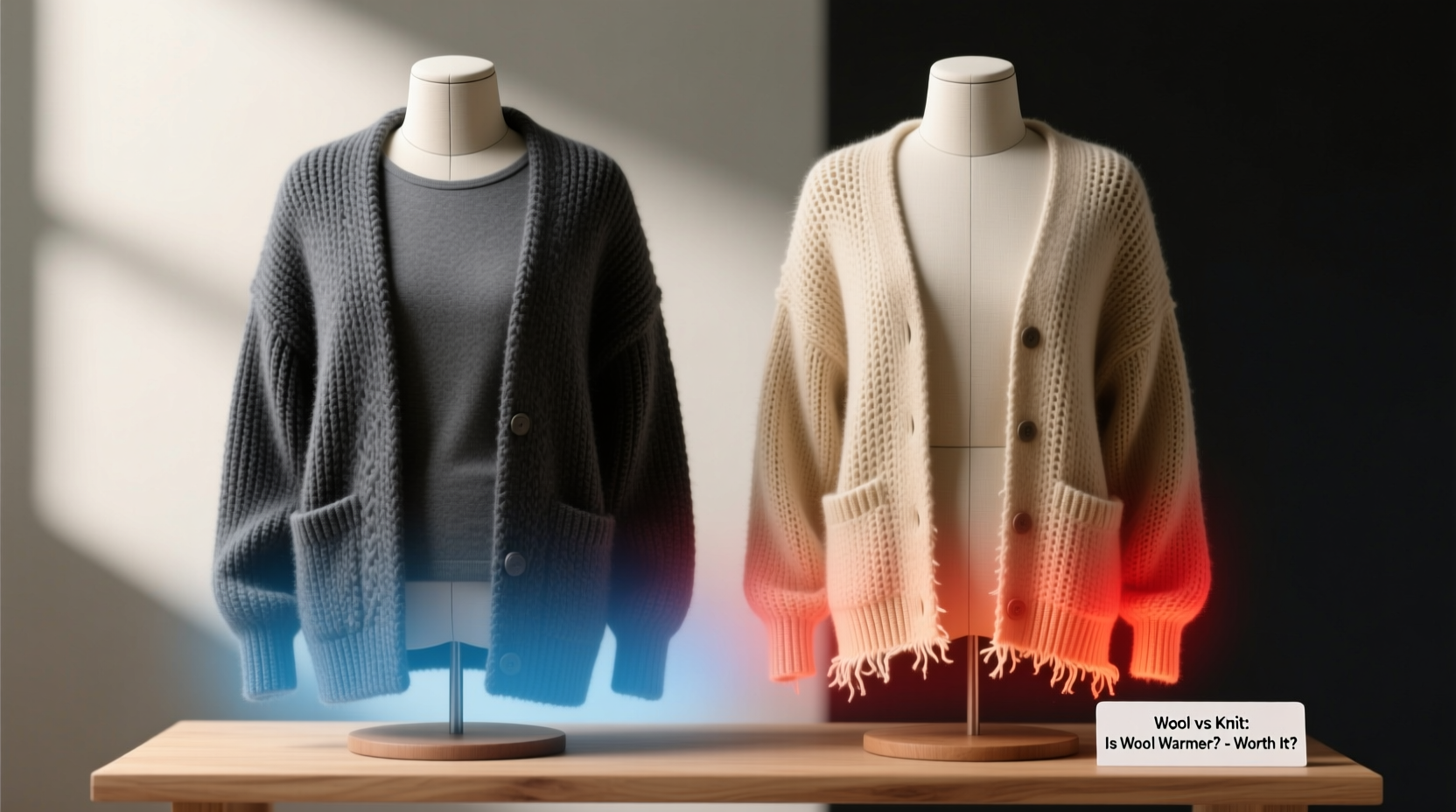
The confusion often starts with terminology. “Knit” is not a fabric type—it’s a method of construction. Any yarn, whether cotton, acrylic, or wool, can be knitted into garments. So when retailers label something as a “knit cardigan,” they’re usually referring to a non-wool blend, often made from synthetic fibers or cotton.
In contrast, “wool” refers specifically to fiber sourced from sheep (or specialty animals like cashmere goats or alpacas). Wool has natural insulating properties due to its crimped structure, which traps air and retains heat. Merino wool, for example, is prized for being soft, breathable, and temperature-regulating—ideal for layering in cold climates.
Not all wool is created equal. Virgin wool, lambswool, and cashmere vary significantly in softness, durability, and cost. Meanwhile, many “knit” cardigans use acrylic or polyester blends that mimic the look of wool but lack its thermoregulatory benefits.
Tip: Always check the garment’s fiber content label. If it says “polyester” or “acrylic” as the primary material, it’s not a true wool cardigan—even if it looks like one.Warmth Comparison: Why Wool Outperforms Most Knits
When it comes to actual warmth, wool consistently outperforms most knit alternatives. Here’s why:
- Air Trapping Structure: Wool fibers have a natural crimp that creates tiny air pockets. These pockets act as insulation, keeping body heat in and cold air out.
- Moisture Wicking: Wool can absorb up to 30% of its weight in moisture without feeling damp. This means it continues to insulate even when exposed to sweat or light rain—unlike cotton or acrylic, which lose insulating ability when wet.
- Thermoregulation: Wool responds dynamically to temperature changes. It warms you in cold weather and releases heat when you're too warm, preventing overheating.
In contrast, acrylic knit cardigans may feel thick but often create a clammy sensation because they don’t breathe well. They also tend to generate static and pill quickly, reducing both comfort and appearance over time.
“Wool is nature’s technical fabric. No synthetic fiber has yet matched its combination of warmth, moisture management, and odor resistance.” — Dr. Lena Hartwell, Textile Scientist, University of Leeds
Are Wool Cardigans Worth the Investment?
At nearly double—or sometimes triple—the price of standard knit cardigans, wool sets demand a higher upfront cost. But long-term value matters more than initial price.
A high-quality wool cardigan, properly cared for, can last 10–15 years or more. Compare that to a typical acrylic knit, which may begin to stretch, pill, or fade within two seasons of regular wear. Wool also resists odors, meaning fewer washes and less wear on the fabric over time.
Additionally, wool cardigans age gracefully. With proper storage and occasional de-pilling, they maintain their shape and texture. Many vintage wool garments from decades ago still wear beautifully today—a testament to their durability.
| Fabric Type | Average Lifespan | Insulation Quality | Care Frequency | Price Range (USD) |
|---|---|---|---|---|
| Merino Wool | 10–15 years | Excellent | Every 5–10 wears | $120–$250 |
| Cashmere Wool | 15+ years | Exceptional | Every 6–8 wears | $200–$600 |
| Acrylic Knit | 1–3 years | Fair | After every wear | $30–$70 |
| Cotton Knit | 3–5 years | Poor (when wet) | After every 2–3 wears | $40–$90 |
Real-World Example: A Side-by-Side Test
Sophie, a teacher in Vermont, conducted her own informal experiment during winter months. She wore a $140 merino wool cardigan set on alternating days with a $55 acrylic knit set, both layered over a blouse. She recorded comfort levels, warmth, and maintenance needs.
After six weeks, she found the wool cardigan retained heat better during outdoor commutes, required only two hand washes, and showed no signs of pilling. The acrylic version felt colder on windy days, developed noticeable pills after three weeks, and needed washing every other day due to odor retention.
“I thought I was saving money with the cheaper knit,” Sophie said. “But I ended up wearing the wool one 80% of the time. It just performed better in every way.”
How to Care for Wool Cardigans to Maximize Value
To get the full return on your wool investment, care is essential. Unlike machine-washable knits, wool requires gentle handling—but the effort pays off.
- Air Between Wears: Hang your cardigan after use to let it breathe and recover its shape.
- Spot Clean When Possible: Use a damp cloth and mild detergent for small stains instead of full washing.
- Hand Wash Only: Use cool water and wool-specific detergent. Never wring or twist.
- Lay Flat to Dry: Reshape while damp and dry away from direct heat or sunlight.
- Store Properly: Fold and store in a cedar-lined drawer or cotton bag to prevent moths.
FAQ: Common Questions About Wool vs Knit Cardigans
Do wool cardigans shrink more than knit ones?
Yes—if not cared for properly. Wool is prone to shrinking when exposed to hot water and agitation. However, modern merino wool is often labeled “machine washable” due to specialized treatments. Acrylic knits resist shrinking but degrade in other ways, like pilling and fiber breakdown.
Are wool cardigans itchy?
Not necessarily. Traditional coarse wool can irritate sensitive skin, but fine wools like merino (17.5 microns or less) are soft and non-itchy. Look for “superfine merino” or cashmere blends for maximum comfort.
Can I wear a wool cardigan in mild weather?
Absolutely. Wool’s breathability makes it suitable for layering year-round. Lightweight merino cardigans are ideal for spring evenings or air-conditioned offices.
Final Verdict: Are Wool Cardigans Worth It?
For anyone seeking lasting warmth, durability, and timeless style, wool cardigan sets are absolutely worth the investment. While entry-level knit cardigans serve a purpose for seasonal or casual wear, they simply can’t match the thermal efficiency, longevity, and eco-friendliness of quality wool.
Consider this: Spending $180 on a wool cardigan you wear weekly for ten years costs about $1.80 per wear. A $60 acrylic version worn twice a week for two years runs $2.50 per wear—and likely feels worse and looks shabbier by comparison.
Moreover, choosing wool supports sustainable fashion. It’s biodegradable, renewable, and reduces reliance on petroleum-based synthetics. As slow fashion gains momentum, wool represents a smarter, more responsible choice.
💬 Ready to upgrade your wardrobe? Start with one high-quality wool cardigan set and experience the difference in comfort, warmth, and longevity. Share your favorite wool brands or care tips in the comments below—we’d love to hear what works for you.