Labubu, the mischievous forest spirit from the world of Kawaii art, has become a cultural phenomenon among collectors and pop culture enthusiasts. Designed by artist Kasing Lung and produced under the Pop Mart umbrella, Labubu figurines often sell for hundreds — sometimes thousands — of dollars above retail. What drives such steep prices? Behind the whimsical grin and oversized ears lies a complex ecosystem of scarcity, fandom, and strategic branding that transforms these small vinyl figures into coveted assets. Understanding why Labubu is so expensive reveals not just emotional appeal but tangible investment potential in the modern collectibles market.
The Anatomy of Labubu’s High Price
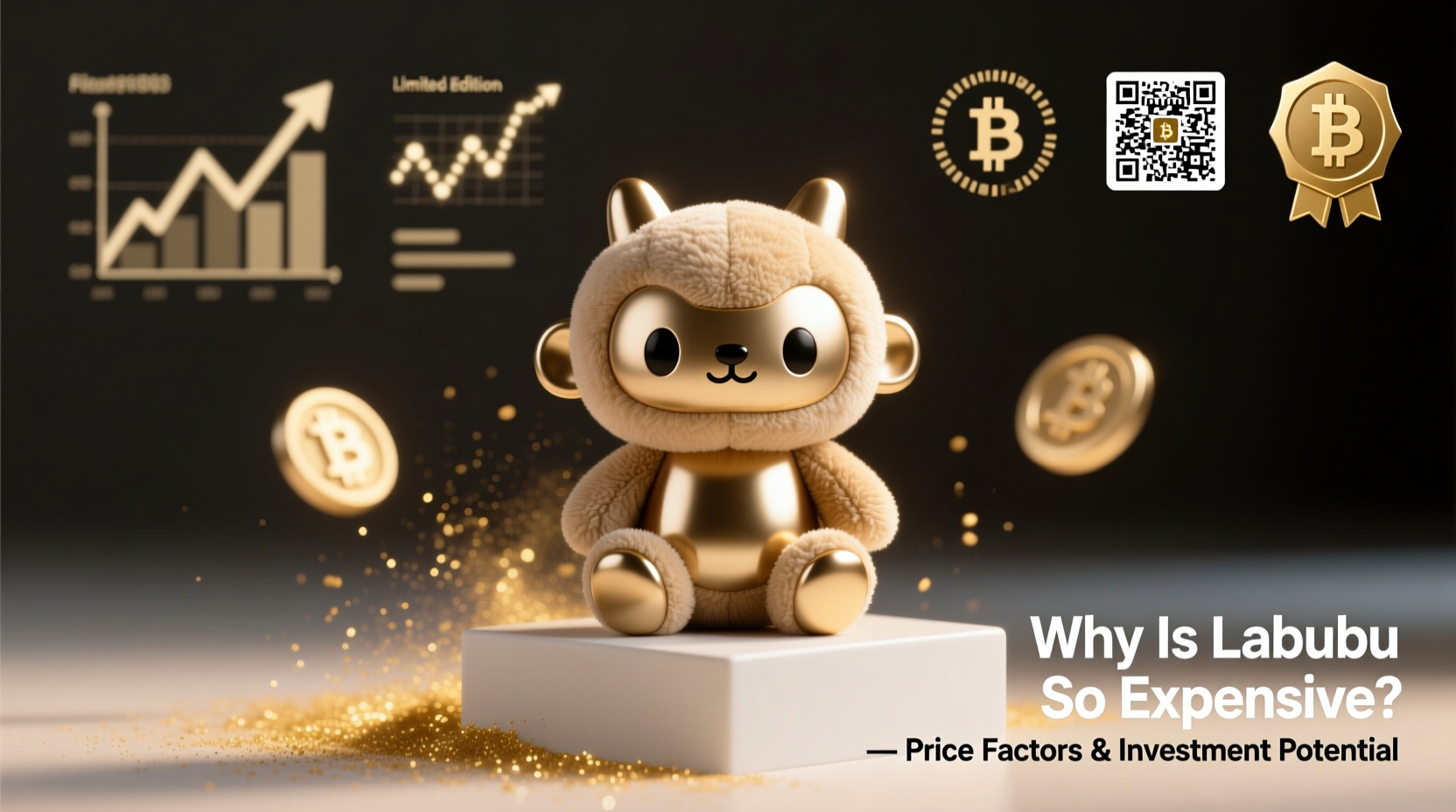
At first glance, a 3-inch vinyl figure priced at $100 or more may seem absurd. Yet, Labubu's cost isn't arbitrary—it stems from deliberate production strategies and powerful market dynamics. The primary reason for inflated prices is scarcity. Unlike mass-market toys, Labubu figures are released in limited quantities, with many variants available only through blind box pulls or exclusive events. This model creates artificial scarcity, fueling demand far beyond supply.
Each series typically includes common, rare, and ultra-rare variants—some with odds as low as 1:720. When a collector finally lands a chase piece (the most sought-after variant), its resale value skyrockets due to proven rarity and visual distinction. Secondary markets like StockX, Mercari, and specialized forums amplify this effect, where auction-style bidding pushes prices even higher.
Tip: Track release dates and drop times—knowing when new Labubu series launch can help you secure pieces before they sell out.Design Appeal and Artist Influence
Kasing Lung, the Hong Kong-based illustrator behind Labubu, brings an artistic pedigree that elevates the brand beyond typical toy merchandise. His signature blend of dark fantasy, childlike wonder, and surreal character design resonates deeply within niche art communities. Limited edition collaborations with galleries or fashion labels further cement Labubu’s status as art-object rather than mere plaything.
For instance, the “Masterpiece Series” features hand-painted details, mixed media elements, and certificates of authenticity—traits associated with fine art editions. These versions often debut at premium prices and appreciate rapidly post-release. As one collector noted: “It’s not just about owning a figure; it’s about owning a piece of contemporary urban art.”
“Labubu bridges street culture and high art. That duality makes it uniquely valuable in today’s collectibles landscape.” — Daniel Zhou, Curator at Urban Vinyl Archive
Production and Distribution Mechanics
Pop Mart, the Chinese company behind Labubu distribution, employs a highly effective strategy rooted in behavioral psychology. Their blind box system taps into the thrill of gambling—each unboxing carries uncertainty and excitement. This increases engagement and encourages repeat purchases, even from casual buyers.
Moreover, manufacturing constraints ensure tight control over inventory. While some base models are widely available, special editions are deliberately underproduced. For example:
| Edition Type | Rarity Level | Avg. Retail Price | Resale Value (Est.) |
|---|---|---|---|
| Standard Blind Box | Common | $12 | $15–$25 |
| Chase Variant | Rare | $12 | $100–$300 |
| Artist Proof / Prototype | Ultra-Rare | N/A (Not Sold) | $1,500+ |
| Collaboration Drop (e.g., BAPE, Disney) | Limited | $30–$60 | $200–$800 |
This tiered structure ensures that while entry-level products remain accessible, top-tier items generate outsized returns for early adopters and lucky collectors.
Investment Potential of Labubu Collectibles
Unlike traditional toys, which depreciate after purchase, select Labubu figures have demonstrated consistent appreciation. Over the past five years, certain retired series have seen values increase by 500% or more. Factors influencing long-term growth include:
- Series discontinuation: Once a line is retired, remaining stock becomes finite.
- Cultural relevance: Ties to major events (e.g., Art Basel, Comic-Con) boost visibility and desirability.
- Condition preservation: Mint-in-box figures retain significantly higher value than opened ones.
- Provenance: Pieces with original packaging, receipts, or artist signatures command premiums.
Smart investors treat Labubu not as impulse buys but as curated assets. They monitor auction results, follow artist announcements, and store pieces in climate-controlled environments to prevent yellowing or damage.
Mini Case Study: The Rise of the \"Lost in the Forest\" Series
In 2021, Pop Mart released the “Lost in the Forest” Labubu collection, featuring nature-themed designs with glow-in-the-dark elements. One variant—the translucent green “Spirit Guardian”—was rumored to have a production run of fewer than 500 units. Initially selling for $15, it began appearing on resale platforms at $200 within months. By 2023, sealed boxes were auctioned for over $2,000. A collector who bought three blind boxes during launch and pulled two Spirit Guardians turned a $45 investment into a $4,000 portfolio—demonstrating how luck, timing, and market awareness converge in this space.
How to Approach Labubu as an Investment
Treating collectibles as investments requires discipline. Emotional attachment can cloud judgment, leading to overpaying or holding onto underperforming pieces. Follow this checklist to build a strategic collection:
Checklist: Building a Valuable Labubu Collection- Research upcoming releases and collaboration schedules.
- Prioritize sealed, mint-condition figures for maximum resale potential.
- Diversify across series but focus on those with strong artist ties.
- Use trusted platforms (e.g., StockX, Whatnot) to verify authenticity and pricing trends.
- Store figures away from sunlight and humidity to prevent degradation.
- Sell during peak demand windows—often 6–18 months after retirement.
Frequently Asked Questions
Are all Labubu figures worth collecting for investment?
No. Only limited, rare, or artist-collaboration editions tend to appreciate. Standard blind boxes rarely exceed modest gains unless part of a discontinued line. Focus on scarcity and cultural significance when selecting pieces.
Can opening a blind box destroy its value?
Yes. For investment purposes, unopened blind boxes—especially those containing known rare variants—are far more valuable. Opened figures lose up to 70% of potential resale value, though display collectors may prioritize aesthetics over profit.
Is the Labubu market sustainable long-term?
The market shows signs of maturity. While speculation peaked around 2022, core demand remains strong due to global fan engagement and continued innovation from Kasing Lung. As with any alternative asset class, volatility exists—but well-curated collections continue to yield solid returns.
Conclusion: From Plaything to Portfolio Asset
Labubu’s high price reflects more than plastic and paint—it embodies storytelling, exclusivity, and cultural momentum. What begins as a playful purchase can evolve into a meaningful financial asset when approached with insight and patience. Whether you're drawn to the artistry or the upside, understanding the forces behind Labubu’s valuation empowers smarter decisions. In a world where passion and profit increasingly intersect, Labubu stands as proof that even the smallest figures can carry enormous weight.
💬 Have you pulled a rare Labubu or seen its value grow? Share your experience and help others navigate this vibrant collecting community.