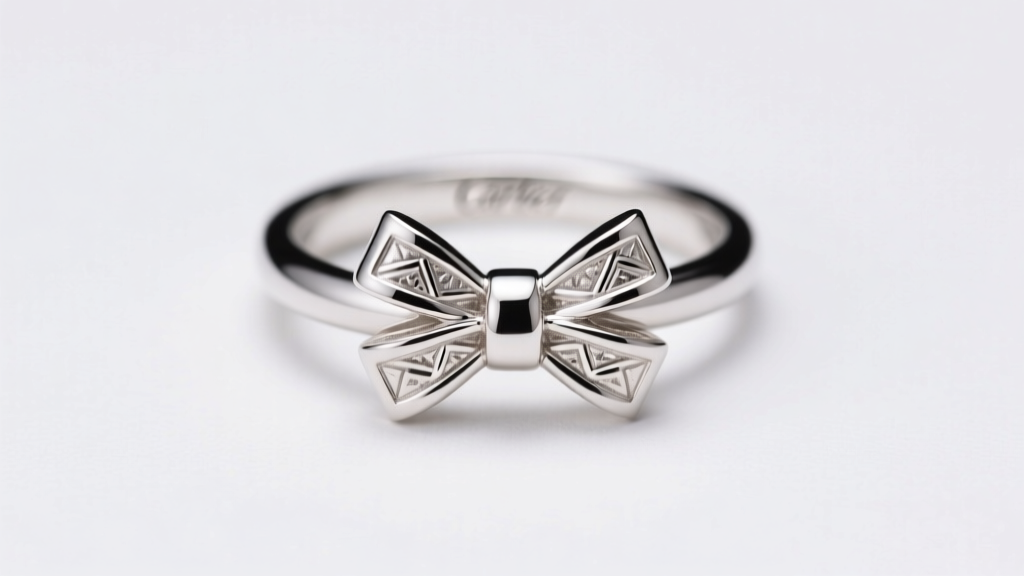
In 2025, pastel ruffles, oversized bows, cartoon motifs, and whimsical accessories are no longer niche expressions of Japanese street style—they’ve become a dominant aesthetic across runways, social media feeds, and urban fashion scenes worldwide. What was once dismissed as childish or overly theatrical is now celebrated as bold, intentional self-expression. The resurgence of kawaii fashion isn’t just about aesthetics; it’s a cultural shift reflecting deeper societal needs around identity, mental well-being, and resistance to conformity.
Kawaii, which translates to “cute” in Japanese, originated in the 1970s with schoolgirls using decorative handwriting and playful imagery to assert individuality. Over decades, it evolved into a full-fledged subculture—think Harajuku girls, Decora layers, and Lolita elegance. After a period of relative dormancy outside Japan, kawaii fashion has reemerged with renewed energy, amplified by digital platforms and shifting generational values. This article explores the multifaceted reasons behind its global revival and what this means for fashion, identity, and emotional resilience in the modern era.
The Cultural Psychology Behind the Cute Comeback
The return of kawaii fashion taps into a growing collective yearning for comfort, joy, and emotional safety. In an age marked by climate anxiety, economic instability, and political polarization, many young people are turning to fashion as a form of psychological armor. Kawaii aesthetics offer more than visual appeal—they provide emotional resonance.
Studies in environmental psychology suggest that exposure to cute stimuli (known as \"kawaii therapy\") can improve focus, increase empathy, and reduce stress. A 2023 study from Keio University found that participants who viewed kawaii imagery before performing tasks made fewer errors and reported higher mood levels. This science helps explain why Gen Z and younger Millennials are embracing softness, pastels, and childlike motifs—not as regression, but as conscious emotional regulation.
“Kawaii fashion is not escapism—it’s reclamation. It’s about choosing joy in a world that often demands seriousness.” — Dr. Naomi Sato, Cultural Psychologist at Waseda University
In Western societies, where productivity and professionalism have long dictated personal presentation, the embrace of cuteness represents a quiet rebellion. Wearing a frilly dress with mismatched socks and cartoon pins isn’t just fashion—it’s a statement: *I choose lightness. I choose play. I refuse to be defined by austerity.*
Digital Culture and the Viral Power of Aesthetic Identity
Social media has been the primary catalyst for kawaii fashion’s global spread. Platforms like TikTok, Instagram, and Pinterest reward visually cohesive, emotionally resonant content. Kawaii aesthetics, with their high contrast, vibrant colors, and narrative charm, perform exceptionally well in algorithm-driven environments.
TikTok hashtags such as #kawaiifashion, #pastelgoth, and #decocore have collectively amassed over 4 billion views in 2025. Influencers from Seoul to São Paulo curate daily looks featuring jelly shoes, layered skirts, and plushie keychains—not just as costume, but as lifestyle branding. These creators aren’t merely showcasing outfits; they’re building immersive worlds that viewers can enter, emulate, and personalize.
Moreover, the rise of AI-generated avatars and virtual influencers has further normalized exaggerated cuteness. Digital personas like Lil Miquela or Japan’s own Imma often blend hyperreal features with kawaii elements—giant eyes, tiny noses, pastel hair—blurring the line between human and fantasy. As users spend more time in digital spaces, their real-world fashion choices increasingly mirror these idealized, expressive forms.
Tip: To build a kawaii-inspired wardrobe sustainably, start with one statement piece—like a pastel cardigan or bow headband—and pair it with neutral basics.Gen Z’s Rejection of Traditional Gender Norms
Kawaii fashion thrives on ambiguity. It doesn’t conform to rigid gender codes. A boy in a pink tutu, a nonbinary person in a sailor-style school uniform, or someone in gender-neutral puff-sleeve dresses—all are welcome within the kawaii spectrum. This fluidity aligns perfectly with Gen Z’s broader rejection of binary identities.
Unlike previous generations, where cuteness was often coded as feminine and therefore diminished, today’s youth reclaim it as a tool of empowerment. Wearing a Hello Kitty backpack or glittery heart sunglasses is no longer seen as immature but as a deliberate act of authenticity. Brands like Sanrio have responded by expanding their product lines to include gender-neutral collaborations, while indie designers launch capsule collections celebrating queer kawaii expression.
This inclusivity extends beyond clothing. Kawaii makeup trends—think blush-heavy “dolly cheeks,” glossy lips, and drawn-on freckles—are embraced by all genders. The message is clear: cuteness is not weakness. It’s vulnerability as strength, softness as defiance.
Commercialization and Mainstream Adoption
What began as a grassroots movement in Tokyo’s Harajuku district is now being co-opted—and elevated—by major fashion houses. In early 2025, brands like Moschino, Collina Strada, and even Zara released collections dripping with kawaii influence: cupcake-shaped handbags, cloud-print trench coats, and sneakers adorned with googly eyes.
This mainstream embrace has sparked debate. Purists argue that commercialization dilutes the subversive roots of kawaii fashion. Yet others see it as validation—a sign that alternative aesthetics are finally gaining institutional recognition. The key difference lies in intentionality. When fast fashion churns out cheap “cute” items without context, it risks reducing kawaii to a trend. But when done thoughtfully, collaboration can amplify marginalized voices.
| Brand | Kawaii-Inspired Collection (2025) | Key Features |
|---|---|---|
| Moschino x Sanrio | Holiday Capsule Line | Barbiecore-meets-Kuromi bomber jackets, limited-edition My Melody handbags |
| Zara | Spring Pastel Edit | Ruffled mini-dresses, pastel denim, enamel pin sets |
| Converse | “Cloud Play” Sneaker Drop | Fuzzy pastel uppers, glow-in-the-dark laces, marshmallow soles |
| Uniqlo U | Artistic Collaboration Series | Minimalist kawaii graphics by Japanese illustrators |
The commercial success of these lines proves that kawaii is no longer a fringe interest—it’s a viable market segment. Retailers report higher engagement and conversion rates for products labeled “playful,” “whimsical,” or “nostalgic,” suggesting consumers crave more than functionality from their clothes.
Case Study: From Online Persona to Real-World Movement
Take the story of Rio Tanaka, a 22-year-old art student from Manchester, UK. In 2023, she began posting her daily kawaii-inspired outfits on TikTok under the handle @rainbowsneakers_. Her signature look—a mix of vintage Japanese puffers, handmade hair clips, and thrifted skirts—resonated with thousands. By mid-2024, her following surpassed 800,000.
But Rio didn’t stop at content creation. She launched a community project called “Cute & Courageous,” hosting monthly meetups where attendees dressed in kawaii styles and discussed mental health, creativity, and self-acceptance. What started as a fashion experiment evolved into a support network. In 2025, the group expanded to 12 cities across Europe, partnering with local LGBTQ+ centers and youth shelters.
Rio’s journey exemplifies how kawaii fashion transcends appearance. For her and her followers, dressing cute is an act of healing, visibility, and solidarity. “People come to our events crying because they’ve never felt safe expressing themselves,” she shared in a recent interview. “When you wear something that makes you happy, it changes how you walk through the world.”
How to Embrace Kawaii Fashion Authentically: A Step-by-Step Guide
Adopting kawaii fashion doesn’t require a complete wardrobe overhaul. Here’s a practical timeline to integrate the style mindfully and sustainably:
- Week 1–2: Research & Moodboarding
Explore different kawaii substyles—Lolita, Decora, Fairy Kei, Nanchatte. Create a digital or physical moodboard using Pinterest or a notebook. - Week 3–4: Start Small
Add one kawaii element to your existing wardrobe: a pastel scarf, colorful socks, or a character pin. Observe how it affects your mood and confidence. - Month 2: Build a Signature Piece
Invest in one high-quality item—perhaps a petticoat, platform Mary Janes, or a themed cardigan. Prioritize ethical brands or secondhand shops. - Month 3: Customize & Personalize
Hand-sew patches, add embroidery, or paint designs onto clothes. Personalization is central to kawaii’s DIY spirit. - Ongoing: Join a Community
Attend local meetups, join Discord servers, or follow online forums. Shared enthusiasm deepens the experience and fosters accountability.
Kawaii Fashion Checklist: 5 Essentials to Begin
- ✅ One pastel-colored outerwear piece (cardigan, jacket, or coat)
- ✅ Statement accessories (hair clips, chokers, or plush keychains)
- ✅ Layered bottoms (ruffled skirts, bloomers, or printed tights)
- ✅ Themed footwear (jelly shoes, platform sneakers, or Mary Janes)
- ✅ Emotional permission to prioritize joy over judgment
Frequently Asked Questions
Is kawaii fashion only for women or girls?
No. While historically associated with femininity, kawaii fashion is increasingly gender-inclusive. Many male and nonbinary individuals embrace the style as a form of creative freedom and emotional expression. Brands and communities are actively working to dismantle gendered assumptions about cuteness.
Isn’t wearing kawaii fashion unprofessional?
Professional norms are evolving. In creative industries—art, design, education, entertainment—personal expression is often valued. Even in corporate settings, subtle kawaii touches (a patterned tie, a lapel pin) can convey personality without compromising credibility. The key is context and confidence.
Can kawaii fashion be sustainable?
Absolutely. The kawaii community has a strong DIY ethic, encouraging repair, customization, and thrift shopping. Many adopters prioritize slow fashion by collecting vintage pieces, swapping clothes in online groups, or supporting independent makers who use eco-friendly materials.
Conclusion: Cuteness as a Catalyst for Change
The global resurgence of kawaii fashion in 2025 is far more than a trend cycle. It’s a cultural recalibration—one that values emotion over efficiency, play over polish, and individuality over invisibility. In a world that often feels heavy, the choice to wear pink, sparkle, and smiley faces is quietly revolutionary.
This movement invites us to reconsider what we deem “serious” or “valid” in self-presentation. It challenges the notion that maturity requires the shedding of joy. And it opens space for those who’ve felt excluded by traditional fashion norms to step forward, unapologetically soft.
💬 Ready to explore your own kawaii expression? Share your first cute outfit idea in the comments—or tag someone who inspires you to embrace more joy in your daily look.