For many anime enthusiasts, watching a favorite series once isn't enough. They return to it again and again—sometimes dozens of times—reliving every scene, quote, and emotional beat. This behavior might seem unusual to outsiders, but for fans, rewatching anime is more than nostalgia; it's a deeply personal and psychologically rewarding experience. From emotional regulation to cognitive comfort, the reasons behind repeated viewings are rooted in both human psychology and the unique storytelling power of anime.
The Comfort of Predictability
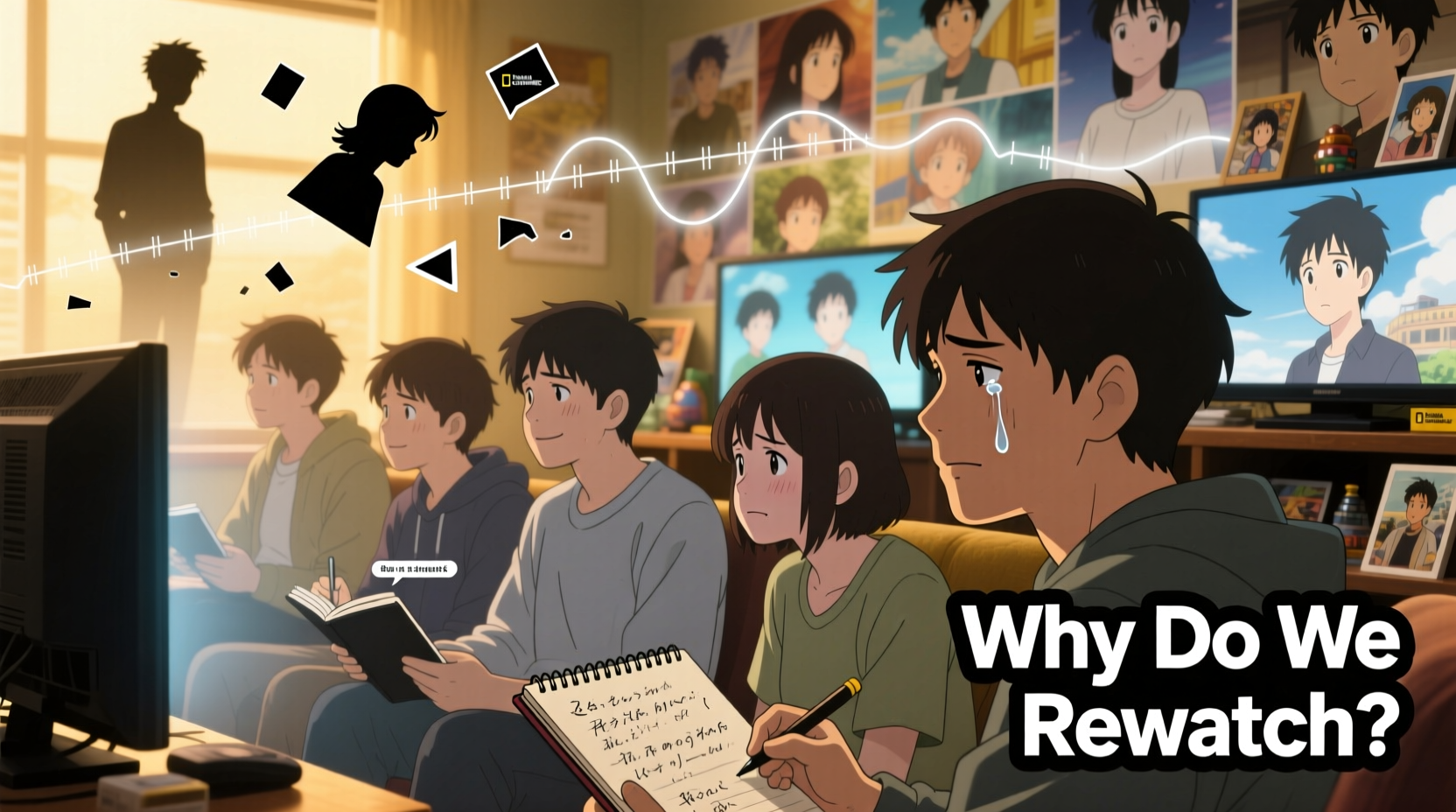
In an unpredictable world, familiar media offers a rare sense of control. Rewatching a beloved anime allows viewers to step into a universe they already know, where outcomes are certain and characters behave as expected. This predictability reduces anxiety and provides emotional safety. Unlike real life, where surprises can be stressful, a rewatched anime delivers consistent emotional payoffs: the hero wins, the couple reunites, or the tragic moment lands with the same weight every time.
Psychologists refer to this as “cognitive ease”—the brain’s preference for information that is familiar and easy to process. When we rewatch a show, our brains don’t need to expend energy decoding plot twists or remembering character names. Instead, we can relax and focus on subtle details, emotional nuances, or aesthetic elements we may have missed before.
Tip: If you're feeling overwhelmed, rewatching a comforting anime can serve as a low-effort mental reset, helping you regain emotional balance.Emotional Regulation and Mood Management
Anime often deals with intense emotional themes—loss, identity, friendship, perseverance. For fans, revisiting these stories can be a form of emotional self-regulation. A viewer going through a breakup might rewatch Clannad: After Story not despite its sadness, but because it mirrors their grief and helps them process it. Others might turn to high-energy series like My Hero Academia when they need motivation or confidence.
This practice aligns with the concept of “mood-congruent memory,” where people seek out media that matches their current emotional state. By engaging with content that reflects their feelings, viewers validate their emotions and find solace in shared experiences—even fictional ones.
Moreover, knowing how a story ends can make painful moments bearable. The audience watches a tragic scene not with dread, but with reverence, appreciating the craftsmanship and emotional depth without the shock of surprise. In this way, rewatching becomes a ritual of healing and reflection.
How Anime Facilitates Emotional Resonance
- Character identification: Fans often see parts of themselves in protagonists, making their struggles feel personal.
- Thematic depth: Many anime explore universal themes like growth, sacrifice, and belonging.
- Aesthetic consistency: Visual and musical styles create a cohesive emotional atmosphere across episodes.
“Familiar stories act as emotional anchors. They remind us of who we were, who we are, and who we hope to become.” — Dr. Naomi Reyes, Media Psychologist
Deepening Narrative Appreciation Over Time
First-time viewing is often about plot comprehension: What happens next? Who is the villain? Rewatching shifts the focus from “what” to “how” and “why.” Viewers begin to notice foreshadowing, symbolism, and directorial choices that were invisible during initial viewings.
Consider Death Note, where subtle clues about Light Yagami’s descent into megalomania are seeded early on. On a first watch, audiences may root for Light as a genius vigilante. On a second or third viewing, those same scenes evoke discomfort as patterns of manipulation and narcissism become clear. This layered storytelling rewards repeat engagement and transforms passive watching into active analysis.
| Viewing Number | Primary Focus | Cognitive Engagement |
|---|---|---|
| 1st Watch | Plot comprehension, suspense | High attention to events |
| 2nd Watch | Character motives, hidden clues | Pattern recognition |
| 3rd+ Watch | Themes, music, animation quality | Appreciative, reflective |
This evolution in engagement turns anime into a living text—one that grows richer with each revisit. It’s akin to rereading a novel or listening to an album repeatedly: familiarity doesn’t breed contempt; it fosters intimacy.
The Role of Community and Identity
Rewatching isn’t always a solitary act. For many fans, returning to a series reinforces social bonds. Shared quotes, memes, and references become part of a fan’s identity. Revisiting Naruto isn’t just about reliving childhood memories—it’s about reconnecting with a global community that values perseverance and loyalty.
Fandom culture often celebrates rewatching as a sign of dedication. Series like Attack on Titan or Fullmetal Alchemist: Brotherhood develop complex mythologies that fans dissect online. Rewatching becomes a prerequisite for participation in discussions, fan theories, and debates. In this context, repetition isn’t passive consumption—it’s active fandom.
Additionally, identifying with a particular anime can shape self-perception. A person who has watched Neon Genesis Evangelion ten times may see themselves as introspective or emotionally complex. The series becomes less entertainment and more a mirror reflecting inner struggles.
Tip: Join a rewatch discussion group or Discord server to deepen your understanding and connect with others who appreciate the same series.Step-by-Step Guide to Mindful Anime Rewatching
Rewatching doesn’t have to be mindless repetition. A structured approach can enhance enjoyment and insight. Follow this timeline to get more out of your next rewatch:
- Choose a meaningful series: Pick one that impacted you emotionally or intellectually.
- Set an intention: Decide whether you’re rewatching for comfort, analysis, or community engagement.
- Watch with notes: Jot down new observations about dialogue, animation, or music.
- Pause and reflect: After key episodes, take time to consider how your perspective has changed since the first viewing.
- Discuss or journal: Share insights online or write about what the series means to you now.
- Compare timelines: Note how your life has changed since your last watch—this adds personal depth to the experience.
This method transforms rewatching from passive recreation into an intentional practice of self-reflection and cultural appreciation.
Mini Case Study: The Evolution of a Fan’s Relationship with Steins;Gate
Take the example of Alex, a 28-year-old software engineer who first watched Steins;Gate at 17. At the time, he was drawn to the sci-fi premise and the protagonist’s eccentric charm. He finished the series emotionally shaken by the fate of Kurisu and moved by Okabe’s journey.
Five years later, during a period of career uncertainty, Alex decided to rewatch the series. This time, he noticed the meticulous pacing and the way small decisions cascaded into irreversible consequences—a metaphor for real-life crossroads. He paused after Episode 21, the emotional turning point, and wrote in his journal: “I used to root for Okabe to fix everything. Now I understand that some losses define us.”
On his third watch, Alex focused on the technical aspects—the use of sound design during time leaps, the color grading shifts between world lines. He joined a Reddit thread analyzing the show’s scientific accuracy and even created a timeline chart of the divergence degrees.
Each rewatch served a different psychological need: escape, meaning-making, and intellectual engagement. Steins;Gate became more than a show—it became a companion through different life stages.
Checklist: Is It Healthy to Rewatch Anime Frequently?
While rewatching is generally beneficial, it’s important to maintain balance. Use this checklist to ensure your habits support well-being:
- ✅ I rewatch anime to relax, not to avoid responsibilities.
- ✅ I still explore new series and genres occasionally.
- ✅ My rewatching enhances my mood rather than numbing it.
- ✅ I engage with the content actively (e.g., analyzing, discussing).
- ✅ I don’t feel guilty or ashamed about my viewing habits.
If most items apply, your rewatching is likely a healthy, enriching practice. If not, consider reflecting on what you’re seeking and whether alternative activities might better meet those needs.
FAQ
Is rewatching the same anime over and over a sign of obsession?
Not necessarily. Repetition is a natural part of how humans bond with art. Unless it interferes with daily functioning or replaces real-world relationships, frequent rewatching is usually a sign of deep appreciation, not pathology.
Can rewatching anime improve mental health?
Yes, when used mindfully. Familiar anime can reduce stress, provide emotional validation, and offer a safe space for processing difficult feelings. However, it should complement—not replace—professional mental health support when needed.
Why do some fans rewatch anime in different languages or dubs?
Alternate dubs or subs can offer new interpretations of characters and tone. Some fans enjoy comparing performances, while others find that a different voice actor changes their emotional connection to a scene.
Conclusion: Embrace the Rewatch
Rewatching the same anime series multiple times isn’t a failure of imagination—it’s a testament to the medium’s depth and emotional power. Whether it’s for comfort, insight, or connection, the act of returning to a beloved story reflects a profound human need for meaning, continuity, and belonging. The psychology behind rewatching reveals that we don’t just consume media—we live with it, grow alongside it, and sometimes, heal through it.
💬 What anime have you rewatched the most—and why? Share your story in the comments and inspire others to reflect on their own viewing journeys.