
Sneaker culture has evolved from a niche interest into a global phenomenon. What once began as a functional footwear category for athletes has transformed into a multi-billion-dollar industry fueled by passion, nostalgia, and profit. Today, millions of people collect sneakers not just to wear, but to preserve, display, and even resell. The rise of limited-edition releases, celebrity collaborations, and online marketplaces has turned sneaker collecting into both a lifestyle and a potential income stream. But what drives this obsession? And more importantly, is reselling sneakers really worth the effort and risk?
The Psychology Behind Sneaker Collecting
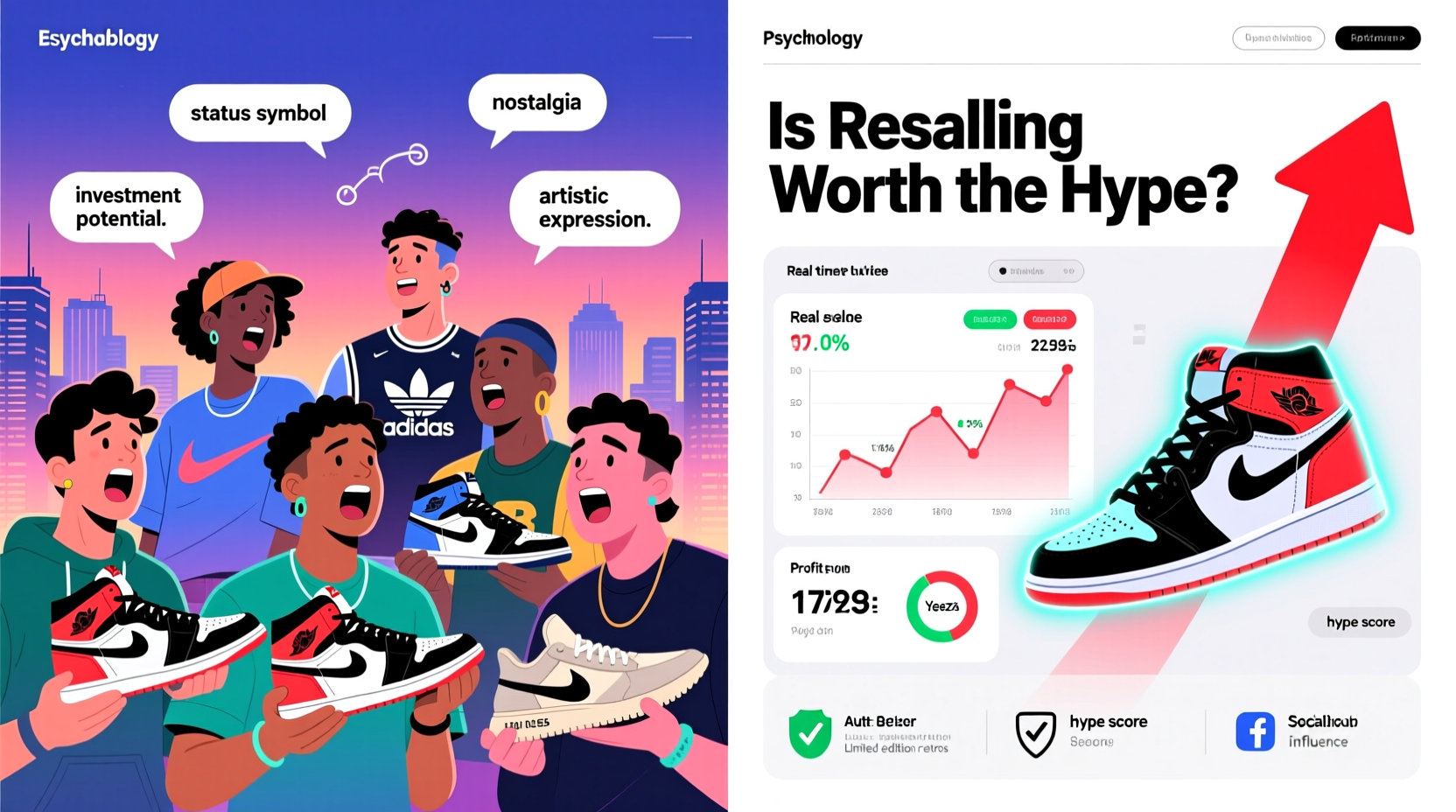
At its core, sneaker collecting is about identity, memory, and community. For many enthusiasts, owning a rare pair isn’t just about fashion—it’s a personal statement. Each pair can represent a moment in time: a childhood dream, a sports milestone, or a cultural movement.
Psychologists note that collecting fulfills emotional needs such as control, completion, and belonging. Limited releases create scarcity, which amplifies desire. When a brand like Nike drops only 10,000 pairs of a Yeezy or Jordan collaboration, it triggers a psychological response similar to FOMO (fear of missing out). This scarcity-driven demand turns sneakers into coveted objects, much like art or vintage watches.
Moreover, sneaker communities—both online and offline—offer a sense of connection. Forums like Reddit’s r/Sneakers, Instagram groups, and local meetups allow collectors to share stories, trade pairs, and celebrate their passion. These social bonds reinforce the value people place on their collections beyond mere monetary worth.
Tip: Treat your collection like an archive—document each purchase with photos, receipts, and release details to preserve its story and value.Cultural Significance and Brand Power
The modern sneaker boom is deeply rooted in hip-hop, streetwear, and athletic excellence. In the 1980s, Michael Jordan’s partnership with Nike revolutionized how athletes influenced fashion. The Air Jordan I wasn’t just a basketball shoe; it was rebellion, style, and exclusivity wrapped in red and black.
Since then, brands have mastered storytelling through design. Collaborations with designers like Virgil Abloh (Off-White x Nike), musicians like Travis Scott, and artists like KAWS turn sneakers into wearable art. These partnerships blur the line between utility and collectibility.
Brands also leverage nostalgia. Retro re-releases of classic models—such as the Air Force 1 or Adidas Superstar—tap into generational memories. A 30-year-old buying a reissued 1990s model isn’t just purchasing footwear; they’re reconnecting with youth, music, and cultural moments.
“Sneakers are no longer just shoes—they’re cultural artifacts that reflect identity, aspiration, and history.” — Dr. Marcus Lee, Cultural Anthropologist & Author of *Footwear & Identity*
Is Reselling Sneakers Worth the Hype?
The idea of turning a $200 sneaker into a $1,000 resale seems like a golden ticket. Platforms like StockX, GOAT, and eBay have made it easier than ever to flip limited releases. But behind the viral headlines of massive profits lies a complex reality.
Reselling can be profitable, but it’s far from guaranteed. Success depends on timing, knowledge, authenticity verification, and market trends. While some resellers earn thousands per month, others end up with dead stock—pairs that never appreciate and eventually lose value.
Consider this: only about 15–20% of released sneakers see significant aftermarket gains. Most return to retail price within weeks. High-profit models tend to be hyped collaborations or region-exclusive drops. Without access to these, resellers face slim margins after fees, shipping, and authentication costs.
Key Factors That Influence Profitability
- Rarity: Low production numbers increase demand.
- Hype: Celebrity endorsements or viral social media attention drive short-term spikes.
- Condition: Deadstock (unworn) pairs with original boxes fetch higher prices.
- Trend Cycles: Styles go in and out of fashion—what’s hot today may be irrelevant in six months.
- Authentication Barriers: Buyers are cautious; unverified sales often fail or sell at discounts.
A Realistic Look at the Resale Market: A Mini Case Study
Take James, a 27-year-old graphic designer from Chicago. Inspired by YouTube videos of people making $5,000/month flipping sneakers, he invested $3,000 in his first year. He camped out for drops, used bots (when possible), and built relationships with local retailers.
In Year 1, James sold 38 pairs. His total revenue was $8,200—but after platform fees (10–15%), shipping ($4 each), taxes, and failed bids, his net profit was $2,900. Two pairs lost value entirely and were sold at a loss. One rare Travis Scott x Air Jordan sold for $1,200 (bought at $250), accounting for nearly 40% of his total profit.
James realized that consistent income required constant effort: monitoring release calendars, maintaining buyer ratings, and storing inventory properly. By Year 2, he scaled back, focusing only on high-potential drops and treating reselling as a side hustle rather than a full-time job.
His experience reflects a common truth: reselling can generate extra income, but it’s labor-intensive and unpredictable. It rewards patience, research, and discipline—not just luck.
Step-by-Step Guide to Smart Sneaker Reselling
If you're considering entering the resale game, follow this structured approach to minimize risk and maximize returns:
- Research the Market: Spend at least two weeks analyzing past sale prices on StockX and GOAT. Identify patterns—what brands, colors, and sizes sell fastest?
- Start Small: Invest no more than $200 initially. Test the process from purchase to sale before scaling.
- Target High-Demand Releases: Focus on upcoming collaborations, anniversary editions, or retro Jordans with strong pre-release buzz.
- Buy at Retail: Avoid paying inflated prices. Use raffles, early sign-ups, and reputable retailers to secure pairs at MSRP.
- Store Properly: Keep sneakers in a cool, dry place away from sunlight. Use shoe trees and original boxes to maintain condition.
- List Strategically: Time your listing right after a drop when demand peaks. Consider bundling less popular pairs to move inventory.
- Track Expenses and Taxes: Maintain records for tax purposes. Profits are taxable income in most countries.
Do’s and Don’ts of Sneaker Collecting & Reselling
| Do’s | Don’ts |
|---|---|
| Keep original boxes and receipts | Wear limited-edition pairs frequently if preserving value |
| Join collector communities for insights | Overinvest based on hype alone |
| Use protective sprays on vulnerable materials | Ignore size trends—certain sizes (like men’s 9–10) resell faster |
| Diversify your collection across brands and eras | Assume all sneakers will appreciate—most don’t |
| Regularly assess market value using pricing tools | Leave sneakers in damp or sunny areas |
FAQ: Common Questions About Sneaker Collecting and Reselling
Can anyone start reselling sneakers, or do you need special access?
Anyone can start, but success often depends on access. Some exclusive releases require membership (e.g., SNKRS Pass), retailer loyalty, or luck in raffles. Bots give some resellers an edge, but they violate most brand terms and carry financial and ethical risks.
How do I know if a sneaker will increase in value?
Look for indicators: celebrity association, low production numbers, strong pre-release buzz, and historical performance of similar models. However, there’s no foolproof method—market sentiment can shift unexpectedly.
Are there legal risks in reselling sneakers?
Reselling legally purchased sneakers is generally legal. However, misrepresenting condition, selling counterfeits, or violating platform rules can lead to account bans or legal action. Always be transparent with buyers.
Conclusion: Passion First, Profit Second
Sneaker collecting thrives because it connects people to culture, creativity, and personal history. Whether displayed on shelves or worn occasionally, sneakers hold meaning that transcends price tags. Reselling, while potentially profitable, should not overshadow the joy of the hobby itself.
For those eyeing financial gain, treat reselling like a micro-business: research-driven, disciplined, and risk-aware. Understand that volatility is inherent, and long-term success comes from consistency—not one-off wins.
Ultimately, the true value of a sneaker lies not just in its resale price, but in the story it tells. If you approach collecting with respect for the craft and the culture, you’ll gain more than money—you’ll become part of a global community that celebrates innovation, style, and self-expression.
💬 What’s the most meaningful pair in your collection? Share your story in the comments and connect with fellow enthusiasts who appreciate the heart behind the hype.