Lash extensions are a popular beauty enhancement for those seeking longer, fuller lashes without daily mascara application. When applied correctly, they should feel lightweight and natural. However, if you're experiencing pain, soreness, or irritation after your appointment, something has gone wrong. Discomfort is not normal—and ignoring it can lead to long-term damage, infections, or premature lash loss. Understanding why your lash extensions hurt is the first step toward relief and prevention.
Common Causes of Pain from Lash Extensions
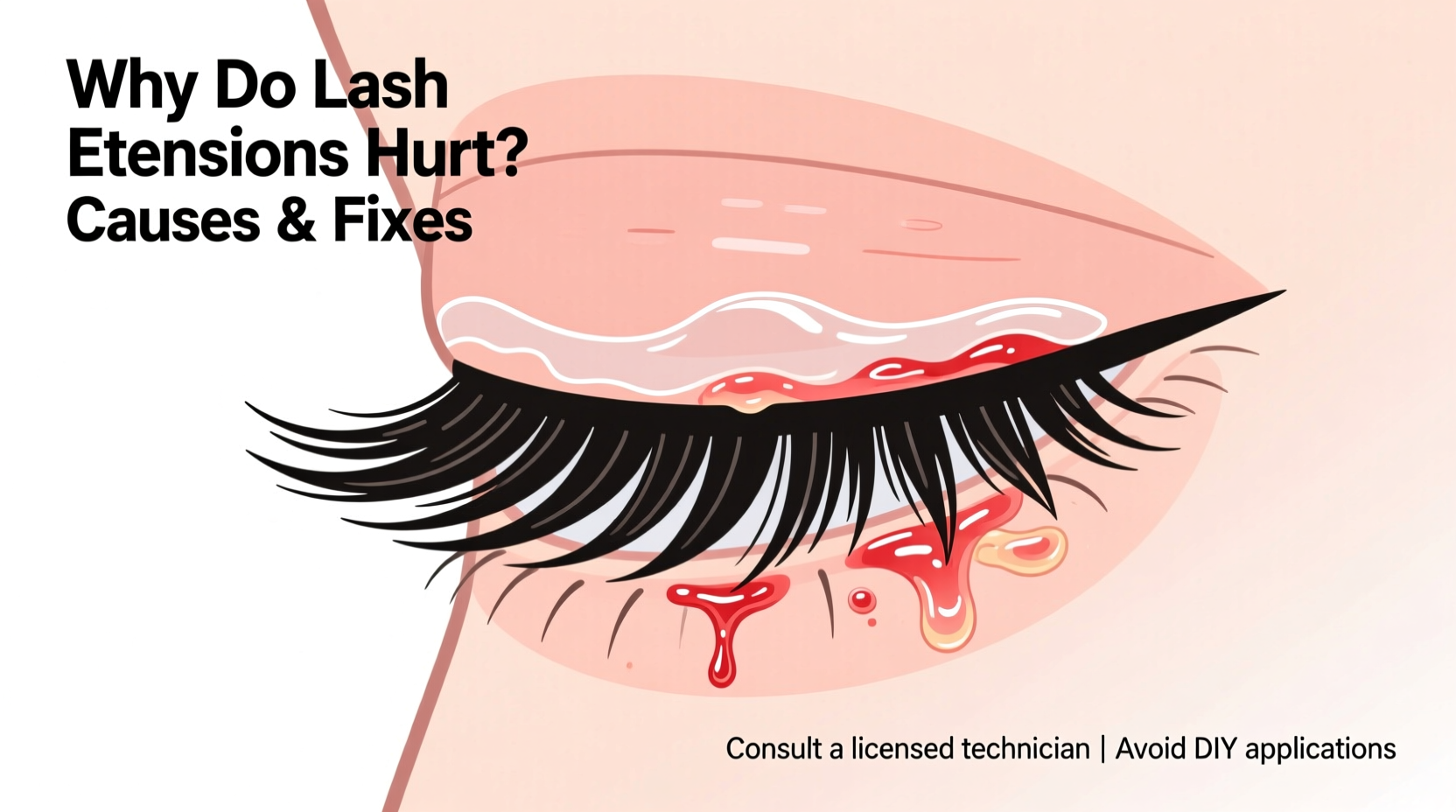
Pain or discomfort following a lash extension application typically stems from improper technique, product sensitivity, or aftercare mistakes. The eyelid area is highly sensitive, so even minor errors during the process can trigger significant discomfort.
- Improper Adhesive Application: Excess glue or adhesive that touches the skin can cause chemical burns, stinging, and inflammation.
- Incorrect Lash Weight or Length: Overly long or thick extensions place strain on natural lashes, leading to traction discomfort and follicle stress.
- Poor Isolation Technique: If multiple natural lashes are glued together during application, it creates tension and can pull when blinking or moving the eyes.
- Allergic Reaction: Some individuals react to cyanoacrylate-based adhesives, experiencing redness, swelling, and itching.
- Cluster or Flare Extensions: These outdated styles glue multiple synthetic lashes to one natural lash, increasing weight and risk of damage.
- Clients Moving During Application: Sudden eye movements can cause misplacement, with extensions sticking to eyelids or skin instead of individual lashes.
How to Fix Painful Lash Extensions: Immediate Actions
If your eyes are currently hurting after an extension application, immediate action is essential to prevent worsening symptoms. Do not wait for the discomfort to \"go away on its own.\"
- Stop Rubbing Your Eyes: Touching or rubbing increases irritation and risks infection.
- Apply a Cold Compress: Use a clean, chilled cloth over closed eyes for 5–10 minutes to reduce swelling and soothe irritation.
- Use Artificial Tears (if approved by a doctor): Lubricating drops can ease dryness caused by adhesive fumes or inflammation—but avoid medicated drops unless prescribed.
- Contact Your Technician Immediately: A reputable artist will offer a correction appointment to remove problematic extensions.
- Seek Medical Advice if Severe: If you experience blurred vision, intense pain, pus, or persistent swelling, consult an ophthalmologist promptly.
When to Remove Your Extensions
If pain persists beyond 24 hours, or if you notice signs of allergic reaction (itching, rash, swollen lids), removal is the safest option. Attempting to sleep it off could result in corneal abrasions or permanent lash line damage.
Never try to pull off extensions yourself. Improper removal can rip out natural lashes. Instead, schedule a safe removal with your technician using a professional gel remover designed for sensitive eye areas.
Prevention: How to Avoid Pain in Future Applications
The best way to avoid painful lash extensions is through informed choices—both in selecting your technician and understanding what a proper application should feel like.
| Do’s | Don’ts |
|---|---|
| Choose a certified lash artist with verifiable training | Go to someone without formal certification or portfolio |
| Ask about the type of adhesive used (low-fume, medical-grade preferred) | Allow application with strong-smelling glue near open eyes |
| Request a patch test if you have sensitive skin | Skip allergy testing if you’ve had reactions before |
| Opt for lighter, more natural-looking extensions (e.g., 0.15mm – 0.18mm thickness) | Insist on ultra-dramatic, heavy volume fans |
| Keep eyes fully closed during application | Move your eyes around or talk excessively during the service |
“Pain is not part of the lash extension experience. If clients report discomfort, it’s almost always due to technical error or inappropriate product use.” — Dana Rivera, Master Lash Educator & Founder of LashSafe Academy
Mini Case Study: Sarah’s Reaction After Her First Set
Sarah, a 32-year-old marketing executive, booked her first lash extension appointment at a local salon offering a deep discount. Within hours, she noticed a burning sensation and slight swelling along her upper lids. By bedtime, her eyes were itchy and watery. She assumed it was normal “adjustment” but woke up with crusting and increased discomfort.
She contacted her technician, who advised her to “wait it out.” Concerned, Sarah visited her dermatologist, who diagnosed contact dermatitis from poor-quality adhesive. The extensions were professionally removed, and she was prescribed a mild steroid ointment. After healing, Sarah found a certified lash specialist who performed a patch test and applied lightweight mink hybrids. She reported no discomfort and now maintains her set every three weeks.
This case underscores the importance of quality over cost and listening to your body’s warning signs.
Step-by-Step Guide to Safe Lash Extension Care
To maintain comfort and prolong the life of your extensions, follow this post-application care routine:
- Wait 24–48 Hours Before Getting Them Wet: Allows adhesive to fully cure and prevents premature bond breakdown.
- Clean Gently Daily: Use oil-free lash cleanser and a soft brush to remove debris and bacteria.
- Brush Lashes Morning and Night: Prevent tangling and keep them aligned.
- Avoid Oil-Based Products: Makeup removers, moisturizers, and sunscreens with oils degrade adhesive and irritate skin.
- Sleep on Your Back or Use a Silk Pillowcase: Reduces friction and prevents lash flattening or pulling.
- Schedule Regular Fills Every 2–3 Weeks: Prevents gaps and uneven tension on remaining extensions.
- Monitor for Irritation: At the first sign of redness or pain, discontinue use and consult your technician.
Frequently Asked Questions
Can lash extensions damage my natural lashes?
Yes, if improperly applied or maintained. Extensions that are too heavy, poorly isolated, or left unattended for too long can cause traction alopecia—a form of hair loss due to constant pulling. Proper technique and timely fills minimize this risk.
Is some discomfort normal after getting lash extensions?
No. Mild sensitivity to adhesive fumes during application may occur, but persistent pain, itching, or soreness afterward is not normal. It indicates a problem that needs addressing.
How long should I wait before getting a new set after removal?
Allow your natural lashes to recover for at least two weeks. Use a lash serum to strengthen them before reapplying extensions. Rushing into another set increases the risk of breakage and irritation.
Conclusion: Prioritize Comfort and Safety
Your eyes are among the most delicate parts of your body—lash extensions should enhance your look, not compromise your comfort or health. Pain is a clear signal that something is wrong, whether it's the technique, the products, or your aftercare routine. By choosing qualified professionals, understanding proper application standards, and responding quickly to warning signs, you can enjoy beautiful, pain-free lashes safely.
💬 Have you experienced pain from lash extensions? Share your story or tips in the comments to help others avoid the same mistake.