If you’ve ever looked in the mirror after a quick brow pluck only to notice uneven gaps or sparse patches where there used to be hair, you’re not alone. Many people experience this sudden change in appearance and wonder what went wrong. Plucking seems like a simple, precise method of shaping brows—yet sometimes, just one session can leave them looking thin, broken, or irregular. The truth is that eyebrow hair behaves differently than scalp hair, and even minor disruptions in technique or timing can lead to noticeable changes in density and growth patterns.
Understanding why this happens requires insight into hair biology, plucking mechanics, and long-term follicle health. Whether you're a regular brow tweezers user or an occasional shaper, knowing how to avoid and correct post-plucking patchiness is essential for maintaining natural-looking, well-defined brows without compromising their integrity.
The Science Behind Eyebrow Hair Growth
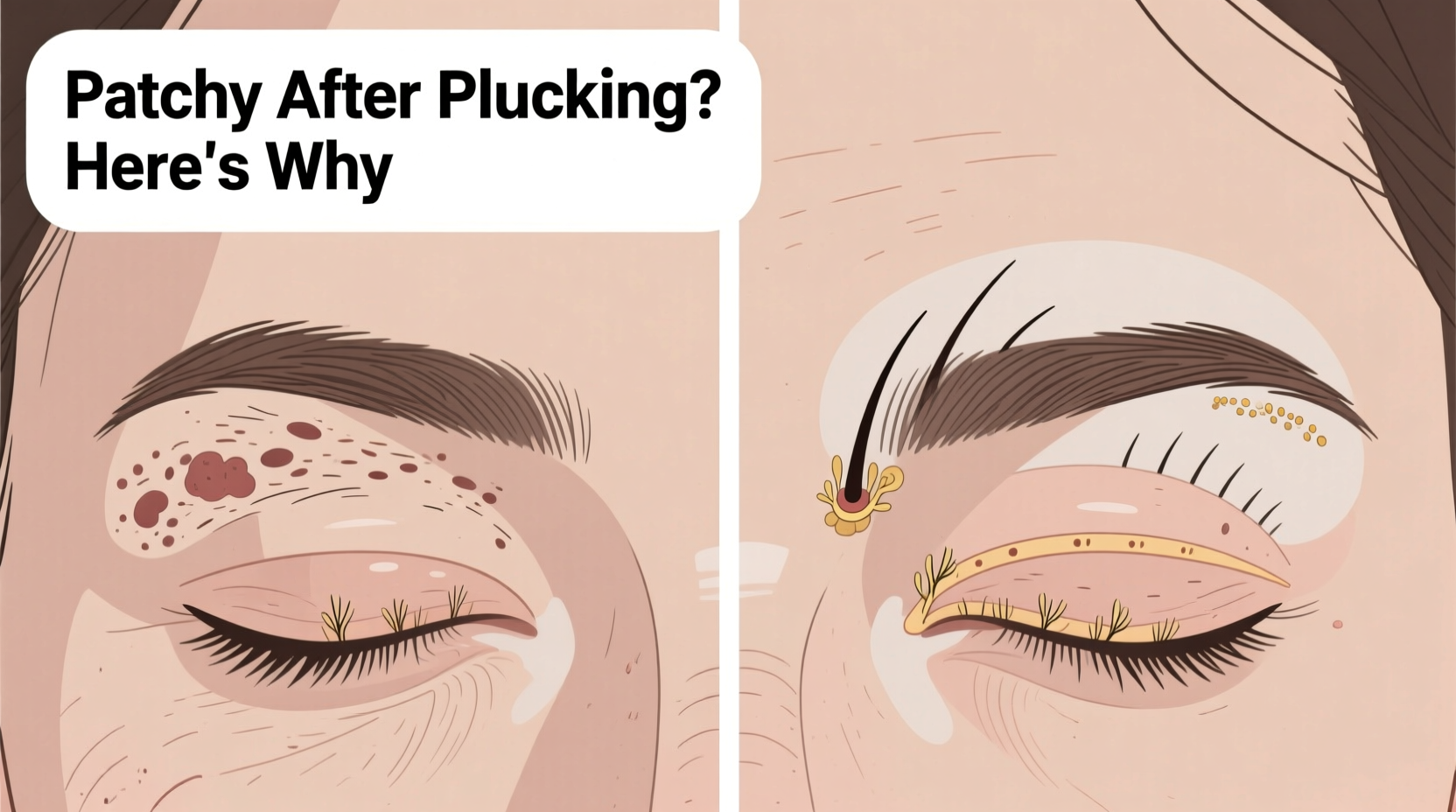
Eyebrow hairs grow on a much slower cycle than head hair. Each strand goes through three phases: anagen (growth), catagen (transition), and telogen (resting). While scalp hair stays in the anagen phase for years, eyebrow hairs remain in active growth for only about 30 to 45 days. This means they don’t grow as long or as quickly, making them more vulnerable to over-plucking and longer recovery times.
When you pluck a hair, you remove it from the root, which temporarily halts regrowth until the follicle re-enters the anagen phase. If multiple hairs are removed at once—especially if done aggressively—it can disrupt the natural synchronization of the growth cycle across the brow area. Some follicles may enter dormancy while others continue growing, leading to an uneven appearance within days.
Dermatologists note that repeated trauma to the same follicles can eventually cause miniaturization or permanent loss. But even a single overzealous plucking session can create short-term patchiness due to:
- Uneven removal of hairs in different growth phases
- Inflammation affecting nearby follicles
- Accidental pulling of neighboring hairs during extraction
- Disruption of blood flow to the dermal papilla (the structure responsible for nourishing the hair)
“Even one aggressive plucking session can throw off the delicate balance of eyebrow hair cycles. Recovery isn’t always immediate—and prevention is far better than correction.” — Dr. Lena Patel, Board-Certified Dermatologist
Common Causes of Post-Plucking Patchiness
Patchiness doesn’t necessarily mean permanent damage. More often, it’s the result of mechanical or biological factors triggered by improper technique or timing. Here are the most frequent culprits:
1. Over-Thinning in One Area
It's easy to focus too much on one side—say, the tail or arch—while trying to achieve symmetry. Removing too many hairs from a concentrated zone creates visible gaps. Because eyebrow hairs are naturally spaced farther apart than scalp hairs, losing even five or six in a small region becomes immediately noticeable.
2. Plucking During Peak Shedding Phase
If you pluck when many hairs are already in the telogen (resting) phase, those follicles won’t regrow right away. You may unknowingly remove hairs that were about to fall out naturally, extending the time before new ones emerge.
3. Inconsistent Angles or Force
Tweezing at sharp angles or with excessive force can traumatize the skin and surrounding follicles. This may cause localized inflammation or scabbing, temporarily inhibiting regrowth in affected areas.
4. Using Dull or Dirty Tweezers
Blunt tools require more tugging, increasing the risk of breaking the hair instead of removing it cleanly from the root. Broken hairs appear as stubble or disappear entirely, creating a false impression of thinning. Additionally, unclean tweezers can introduce bacteria, leading to folliculitis—an infection that damages follicles and delays regrowth.
5. Natural Brow Asymmetry Amplified
All brows are slightly asymmetrical. A single plucking session might accentuate these differences, especially if you groom one side more than the other. What feels “balanced” during shaping may look uneven afterward as regrowth begins.
Tip: Always tweeze in natural daylight near a window to see subtle differences in density and shape clearly.How to Prevent Patchy Brows After Plucking
Prevention starts with mindful grooming habits. Since eyebrow recovery can take weeks or even months, protecting follicle health should be your top priority. Follow these best practices to maintain consistent fullness and avoid future patchiness.
Step-by-Step Guide to Safe Plucking
- Prepare Your Skin: Cleanse the brow area with a gentle facial wipe or micellar water. Warm compresses can open pores slightly, making plucking easier and less painful.
- Use the Right Tool: Invest in slant-tipped stainless steel tweezers with precise tips. Test them by picking up a single thread—they should grip cleanly without slipping.
- Work With the Grain: Pull hairs in the direction they grow to reduce breakage and trauma.
- Limits Per Session: Remove no more than 5–7 hairs per week, focusing on strays outside your natural brow line.
- Check Symmetry Frequently: Step back every few minutes and examine both brows together in a mirror.
- Cool Down Afterward: Apply a soothing serum or aloe vera gel to calm the skin and support follicle function.
| Do’s | Don’ts |
|---|---|
| Pluck after a shower when pores are open | Overpluck in one sitting |
| Follow your natural brow shape | Shape brows too thin based on trends |
| Sanitize tweezers with alcohol before use | Share tweezers with others |
| Wait at least 2–3 weeks between sessions | Pluck daily or every few days |
| Use magnifying mirror sparingly to avoid over-correction | Use dull or rusted tweezers |
Recovery Strategies for Patchy Brows
If your brows already look patchy, don’t panic. Most cases resolve within 4 to 8 weeks if the follicles weren’t permanently damaged. However, you can accelerate recovery with targeted care.
Nutrition and Internal Support
Hair growth depends heavily on nutrition. Deficiencies in biotin, iron, zinc, and protein can slow regrowth. Incorporate foods rich in omega-3 fatty acids (like salmon and flaxseeds), eggs, spinach, and nuts into your diet. Consider a multivitamin formulated for hair health, but consult your doctor first—especially if you have underlying conditions.
Topical Treatments That Work
Certain serums stimulate circulation and strengthen follicles:
- Bimatoprost-based products (e.g., prescription Latisse): Originally developed for glaucoma, this medication has been shown to increase hair length, thickness, and pigmentation. Requires medical supervision.
- Peptide-rich brow serums: Non-prescription formulas containing myristoyl pentapeptide-17 or acetyl tetrapeptide-3 support keratin production.
- Castor oil: High in ricinoleic acid, it reduces inflammation and improves blood flow. Apply nightly with a clean spoolie brush.
Avoid Further Trauma
Stop plucking completely until regrowth stabilizes. Resist the urge to “fix” gaps by tweezing surrounding hairs—that only widens the problem. Let the area rest and recover undisturbed.
Tip: Use a tinted brow gel to camouflage sparse areas while waiting for natural regrowth.Mini Case Study: Recovering From Over-Plucking
Sophia, a 29-year-old graphic designer, decided to reshape her brows before a wedding. She spent an hour meticulously plucking every stray hair, aiming for a sharply defined arch. Within two days, she noticed a bald spot near her left brow tail. Alarmed, she stopped plucking and began applying castor oil nightly. She also started taking a biotin supplement and avoided makeup on her brows for two weeks. By week six, fine dark hairs had begun to fill in the gap. At ten weeks, her brows looked nearly full again—though she admitted she now shapes them less frequently and never removes more than five hairs at a time.
Frequently Asked Questions
Can plucking just once really cause permanent damage?
One session is unlikely to cause permanent loss unless it leads to scarring or infection. However, repeated trauma to the same follicle—even over several months—can lead to irreversible miniaturization. The key is moderation and proper technique.
How long does it take for plucked eyebrow hairs to grow back?
Regrowth typically begins in 4 to 6 weeks, but it may take 8 to 12 weeks for hairs to reach a visible length. Factors like age, hormones, and overall health influence speed. Younger individuals usually recover faster.
Is waxing worse than plucking for causing patchiness?
Waxing removes larger sections of hair at once and affects a broader surface area, which can lead to more dramatic thinning if misused. However, plucking allows for greater precision. When done carefully, plucking is generally safer for brows than waxing.
Final Thoughts and Action Plan
Patchy eyebrows after plucking are more common—and more fixable—than most people realize. The issue often stems not from a single mistake, but from a combination of timing, technique, and lack of aftercare. By understanding the fragility of eyebrow follicles and respecting their slow growth cycle, you can maintain well-groomed brows without sacrificing fullness.
Start today by evaluating your current routine. Are you using clean, sharp tweezers? Do you give your brows enough time to recover between sessions? Are you addressing nutritional gaps that could hinder regrowth? Small adjustments now can prevent long-term issues later.
“The goal isn’t perfect brows overnight—it’s sustainable brow health for life.” — Rachel Kim, Licensed Esthetician and Brow Specialist💬 Have you experienced patchy brows after plucking? Share your recovery journey or favorite regrowth tip in the comments below—we’d love to hear what worked for you!