
Kawaii culture has evolved from a niche Japanese subculture into a global phenomenon. From pastel plushies and character-themed stationery to limited-edition fashion collaborations, kawaii aesthetic items consistently vanish from shelves within minutes—sometimes seconds—of release. For fans and collectors, the frustration of missing out is all too familiar. But what drives this frenzy? And more importantly, how can you stay ahead of the curve and actually get your hands on these elusive products?
The rapid sell-out of kawaii items isn’t random. It’s the result of deliberate design, emotional resonance, scarcity marketing, and a fiercely loyal community. Understanding the mechanics behind this demand allows savvy shoppers to anticipate releases, monitor restock alerts, and access alternative channels before inventory disappears.
The Psychology Behind Kawaii’s Instant Appeal
The word *kawaii* translates to “cute” in Japanese, but its cultural significance runs much deeper. In Japan, cuteness is not just an aesthetic—it’s a social value associated with innocence, playfulness, and emotional comfort. This emotional connection is precisely what makes kawaii products so compelling.
Psychological studies suggest that exposure to cute imagery activates the brain’s reward system, triggering feelings of warmth and care. Known as “baby schema” or *Kindchenschema*, features like large eyes, round faces, and soft proportions trigger nurturing instincts. Brands leverage this instinct by designing products that feel emotionally rewarding to own and display.
When a new Sanrio collaboration drops or a limited-run Rilakkuma plush is announced, buyers aren’t just purchasing an object—they’re buying a mood booster, a piece of nostalgia, or a symbol of self-expression. This emotional investment fuels urgency. Missing out doesn’t just mean losing a product; it feels like losing a moment of joy.
“Kawaii aesthetics tap into deep emotional reservoirs. People don’t collect these items because they need them—they collect them because they *feel* something when they see them.” — Dr. Naomi Sato, Cultural Psychologist at Kyoto UniversityTip: Recognize emotional triggers when shopping. Ask yourself: Am I buying this because I love it, or because I fear missing out?
Why Kawaii Items Sell Out So Quickly
The speed at which kawaii products disappear isn’t accidental. Several interlocking factors create perfect conditions for instant sell-outs:
1. Limited Production Runs
Many kawaii brands—especially Japanese ones—intentionally produce small batches. Sanrio, for example, often releases seasonal characters in limited quantities. This strategy increases perceived value and encourages immediate purchases. Once stock is gone, reprints are rare, making early access critical.
2. Global Demand vs. Regional Distribution
A product released only in Japan may be highly sought after worldwide. International shipping delays, import restrictions, and regional exclusivity mean that even if an item is technically available, global fans face barriers. Resellers exploit this gap, buying up local stock to resell at higher prices online.
3. Social Media Amplification
Platforms like TikTok, Instagram, and X (formerly Twitter) accelerate hype cycles. A single viral video showcasing a new Peko-chan tote can generate tens of thousands of views in hours. Influencers unboxing limited items create FOMO (fear of missing out), pushing casual browsers into urgent buyers.
4. Bot Activity and Automated Purchasing
Like concert tickets and sneakers, kawaii collectibles are targeted by automated bots. These programs scan brand websites for new drops and complete checkouts in milliseconds—far faster than any human. Bots often clear entire inventories before real customers even load the page.
5. Community-Driven Scarcity
Kawaii fandoms are passionate and well-connected. Discord servers, Reddit threads, and Facebook groups share real-time updates about upcoming drops. While this helps some, it also intensifies competition. When hundreds of dedicated fans know the exact drop time, traffic spikes make websites crash and checkout processes sluggish.
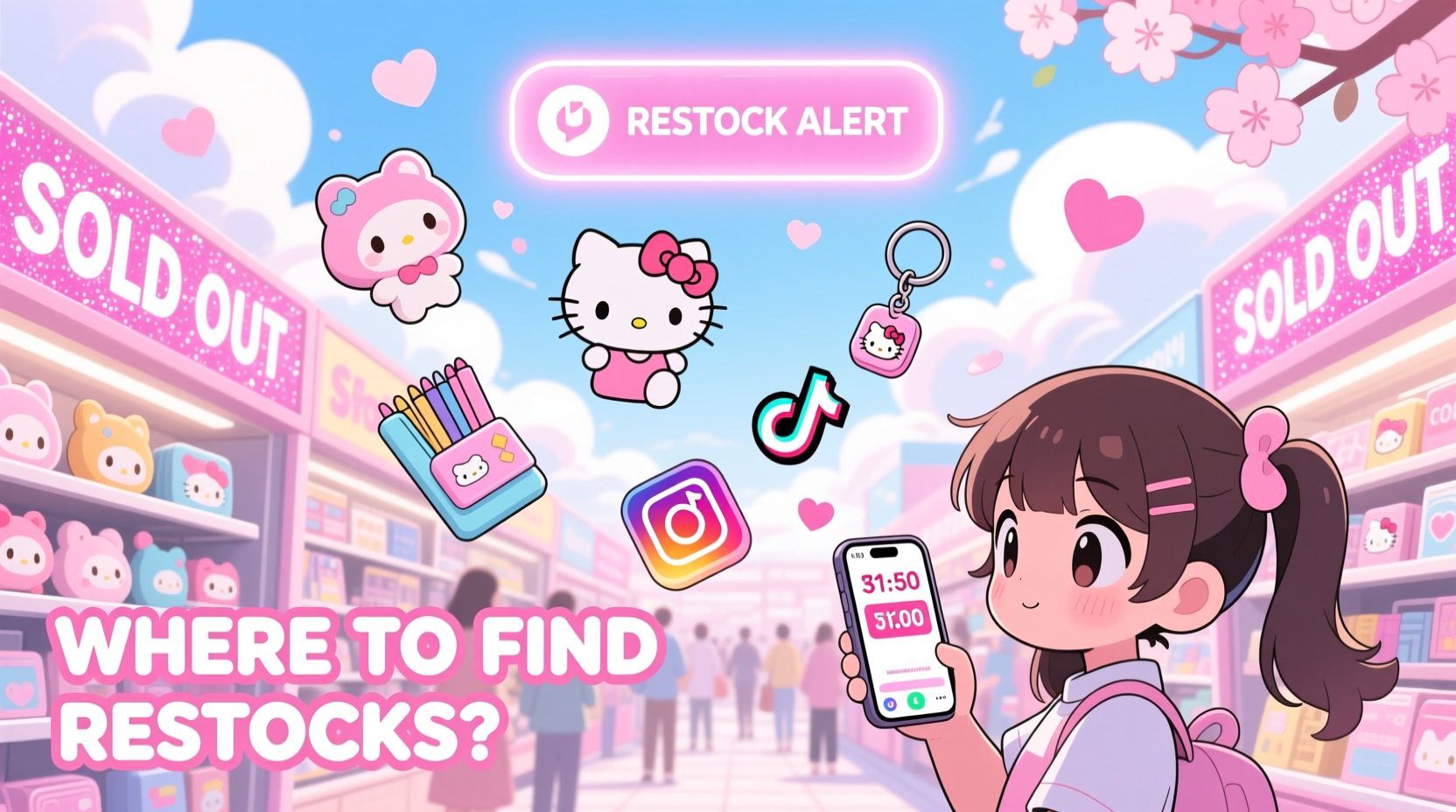
Where to Find Restocks: Proven Channels and Strategies
While initial launches are chaotic, restocks do happen—and knowing where to look gives you a major advantage. Many fans assume a sold-out item is gone forever, but supply chains, customer returns, and surprise re-releases create second chances.
1. Monitor Official Brand Restock Alerts
Some brands offer email or SMS notifications for restocks. Sign up for newsletters from:
- Sanrio (Hello Kitty, My Melody)
- Avail (U.S.-based kawaii fashion)
- Uniqlo (UT x Sanrio collaborations)
- Moschino (luxury kawaii-inspired fashion)
Enable browser notifications if the site supports them. Some stores, like Tokidoki’s official site, use queue systems during high-traffic periods, increasing your odds if you're already signed in.
2. Track Reseller Marketplaces (Strategically)
While platforms like eBay, Mercari, and Yahoo! Japan Auctions are flooded with overpriced listings, they’re also reliable indicators of availability. Set up saved searches with price alerts. If a $20 item suddenly appears for $35, it may signal a recent restock. Act quickly—these windows last hours.
3. Watch for Return Waves
E-commerce warehouses process returned items daily. Large retailers like Amazon or Zara occasionally relist gently used kawaii apparel or accessories as “new” or “open box.” Check these sections regularly, especially during holiday return seasons (January and July).
4. Join Kawaii Collector Communities
Discord servers such as “Kawaii Collectors United” or subreddits like r/kawaii and r/Sanrio often post verified restock alerts. Members share screenshots of live inventory, direct links, and even group buy opportunities. Participation builds trust, giving you access to insider knowledge.
Tip: Avoid spamming communities with “WTB” (want to buy) requests. Contribute value first—share news, help others—to earn credibility.Step-by-Step Guide to Securing Kawaii Restocks
Success requires preparation, timing, and persistence. Follow this timeline to maximize your chances:
- Week 1–2 Before Expected Restock: Research past release patterns. Did the item restock every 6 weeks? Is it tied to a holiday? Use Google Trends and fan forums to predict timing.
- 7 Days Before: Create accounts on all relevant sites. Save shipping and payment details. Enable two-factor authentication to avoid login delays.
- 24 Hours Before: Clear your browser cache. Open multiple tabs with the product page. Disable ad blockers that might interfere with checkout.
- 1 Hour Before Drop: Join a live Discord watch party or follow brand hashtags on X. Refresh the page every 5 minutes to detect inventory changes.
- D-Day: At the restock time, refresh rapidly. If the cart fails, try guest checkout. Don’t abandon the process—many users drop off during payment.
- Post-Restock: If you miss it, immediately set up alerts. Check eBay hourly for scalpers canceling orders. Also monitor Instagram hashtags like #kawaiirestock or #sanriorestock.
Do’s and Don’ts: Smart Shopping Practices
| Do’s | Don’ts |
|---|---|
| Use a dedicated email for brand newsletters | Buy from unverified third-party sellers on Amazon |
| Install browser extensions like Restock Tracker | Pay 3x retail price without checking other options |
| Follow official brand accounts on X and Instagram | Assume sold-out means never coming back |
| Join at least one active kawaii Discord server | Use bots unless you fully understand the risks |
| Check warehouse sale sections monthly | Leave items in cart—inventory often isn’t reserved |
Mini Case Study: How Lena Copped the Sold-Out Kuromi 20th Anniversary Plush
Lena, a 28-year-old collector from Portland, missed the initial drop of the Kuromi 20th Anniversary plush—a highly coveted Sanrio release priced at $24.99. Within 90 seconds, it was sold out globally. Instead of paying $80+ on resale sites, she took a strategic approach.
She joined the “Sanrio Superfans” Discord server and discovered that Uniqlo Japan occasionally restocks popular UT items six weeks after launch. She set a calendar reminder, monitored the site daily, and enlisted a Japan-based friend to check local store inventory. On day 42, the plush reappeared in three Tokyo locations. Using a forwarding service, Lena placed the order within four minutes and received her plush two weeks later—still under retail price.
Her success wasn’t luck. It was pattern recognition, community engagement, and persistence.
Frequently Asked Questions
Do kawaii brands really restock, or is it just rumors?
Yes, restocks are real—but unpredictable. Major brands like Sanrio, Uniqlo, and Avail have restocked popular items, especially during holidays or anniversaries. However, restock quantities are often smaller than the original drop, making speed essential.
Are kawaii item bots illegal?
In most countries, using bots to purchase consumer goods isn’t illegal, though it violates many websites’ terms of service. Retailers like Supreme and Adidas actively block bot traffic, but smaller kawaii shops may lack the infrastructure. Using bots carries risks, including account bans and failed payments.
How can I tell if a restock alert is legitimate?
Stick to official sources: brand websites, verified social media accounts, and established fan communities. Avoid clickbait sites promising “secret restocks”—they often lead to phishing pages or malware. If an alert comes from an unknown Telegram channel or pop-up ad, proceed with caution.
Essential Checklist for Future Drops
Stay prepared with this actionable checklist:
- ✅ Follow 3–5 key kawaii brands on Instagram and X
- ✅ Subscribe to newsletters from Sanrio, Avail, and Uniqlo
- ✅ Join at least one active Discord or Reddit community
- ✅ Install a restock tracker browser extension
- ✅ Set up a dedicated email for alerts and promotions
- ✅ Save payment and shipping info on key sites
- ✅ Research typical restock windows for favorite items
- ✅ Bookmark warehouse sale and outlet sections
Conclusion: Turn Frustration Into Strategy
The world of kawaii aesthetics thrives on charm, emotion, and exclusivity. That same magic makes its products vanish in moments. But selling out isn’t the end—it’s a cycle. With the right tools, awareness, and community support, restocks are not only possible but predictable.
Stop chasing hype. Start building systems. Monitor patterns, protect your peace, and shop with intention. The next time a beloved item drops, you won’t just hope—you’ll be ready.
💬 Got a restock win story? Share your experience in the comments or tag a fellow collector who needs these tips. Let’s build a smarter, kinder kawaii community together.








