In 2025, Pokémon cards are no longer just relics of childhood pastime—they’ve reemerged as coveted collectibles, commanding attention from both nostalgic adults and sharp-eyed investors. What was once a playground staple for kids trading during recess has transformed into a global phenomenon with six-figure auction results, dedicated grading services, and even institutional interest. But what’s behind this revival? Is it pure nostalgia, or has Pokémon evolved into a legitimate alternative asset class? The truth lies somewhere in between—driven by generational sentiment, market dynamics, and a digital-physical convergence that few saw coming.
The Nostalgia Factor: Reconnecting with Childhood
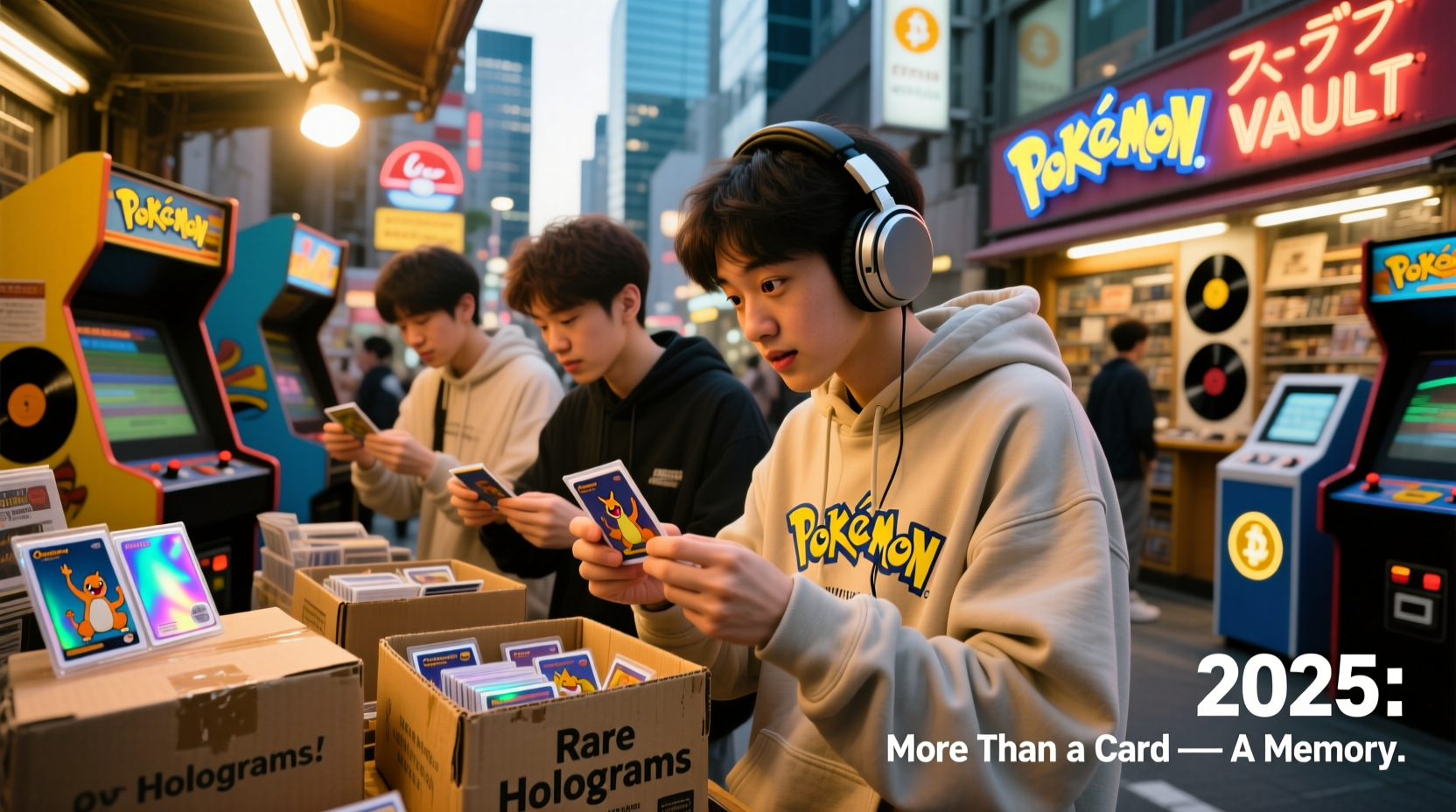
For many collectors born between 1990 and 2005, Pokémon was more than a game—it was a cultural touchstone. The original anime series, the Game Boy games, and the launch of the TCG in 1996 created a shared experience across continents. Now in their late 20s to early 40s, these individuals have disposable income and emotional ties to the brand. Returning to Pokémon cards is not just about ownership; it's about reclaiming a piece of their youth.
Nostalgia isn’t merely sentimental—it’s powerful economic fuel. According to Dr. Erica Lagalisse, a cultural economist at McGill University, “Nostalgia-driven consumption often peaks when a generation reaches financial independence. People don’t just buy products; they buy memories.” This explains why sealed booster packs from the late '90s now sell for thousands and why parents are introducing their children to the same hobby they loved decades ago.
Tip: If you're returning to collecting for nostalgia, start with your favorite era—Base Set through Neo Genesis—and focus on completing sets that resonate personally.Investment Potential: When Hobbies Become Assets
Beyond sentiment, Pokémon cards have demonstrated real financial upside. In recent years, rare graded cards have outperformed traditional investments. A PSA 10 (mint condition) Charizard from the Base Set sold for $400,000 in 2022, and while prices have stabilized since the pandemic surge, high-grade vintage cards continue to appreciate steadily.
The rise of third-party grading companies like PSA, Beckett, and CGC has professionalized the market. These services authenticate and grade cards on a 1–10 scale, creating transparency and trust—two essential components for any investment vehicle. As a result, banks and wealth advisors are beginning to acknowledge collectibles, including Pokémon cards, as part of diversified portfolios.
“Collectibles are no longer fringe assets. With proper documentation and storage, rare Pokémon cards can offer returns comparable to fine art or vintage watches.” — Marcus Tran, Alternative Investments Analyst at Apex Wealth Group
Platforms like eBay, PWCC Marketplace, and specialized apps such as Cardbase and TCGPlayer have made buying, selling, and tracking value easier than ever. Real-time price guides and auction histories allow collectors to make informed decisions—turning what was once a speculative hobby into a data-driven pursuit.
Market Growth Timeline: Key Milestones (2020–2025)
- 2020: Pandemic lockdowns spark renewed interest; sales spike 300% YoY.
- 2021: Record-breaking auctions; Charizard sells for $400K.
- 2022: Grading backlog emerges; counterfeit concerns rise.
- 2023: Major retailers reintroduce retro packs; Walmart launches exclusive reprints.
- 2024: First Pokémon card ETF announced (concept stage); insurance firms offer collectible policies.
- 2025: Nostalgic demand meets algorithmic pricing tools; AI-powered valuation becomes mainstream.
Rarity, Condition, and Value: What Makes a Card Valuable?
Not all Pokémon cards are created equal. While a common Pikachu might be worth a few dollars, a first-edition Shadowless Blastoise in gem mint condition can exceed $10,000. Several factors determine value:
- Edition and Print Run: First Edition (indicated by a “1” inside a star) cards from the Base Set are the most sought after.
- Condition: Centering, surface wear, corners, and edges are scrutinized. A PSA 10 is nearly flawless; a PSA 7 may show minor imperfections.
- Popularity of the Pokémon: Fire-type starters, especially Charizard, dominate high-value lists.
- Holographic Finish: Holo foils reflect light and are rarer than non-holo versions.
- Set Scarcity: Sets like Tropical Mega Battle and Japanese WotC Premiere boxes are extremely limited.
| Card | Set | Grade | Avg. Market Value (2025) |
|---|---|---|---|
| Charizard (First Edition) | Base Set | PSA 10 | $250,000 |
| Blastoise (Shadowless) | Base Set | PSA 9 | $18,000 |
| Pikachu Illustrator | CoroCoro Promo | PSA 10 | $5,000,000+ |
| Mewtwo (Holo) | Neo Genesis | PSA 10 | $3,500 |
| Lugia (Gold Star) | POP Series 3 | BGS 9.5 | $8,200 |
The table above illustrates how variation in set, edition, and condition dramatically affects value. The Pikachu Illustrator card, awarded only to contest winners in Japan in 1998, is considered the holy grail of the hobby—only 39 are known to exist.
Digital Integration: The Rise of Hybrid Collecting
One of the most transformative developments in 2025 is the integration of physical cards with digital ecosystems. The Pokémon Company has embraced blockchain technology through limited NFT-linked promotions and augmented reality features via the Pokémon TCG Live app. While full-scale NFT trading cards haven’t taken off due to fan resistance, hybrid models are gaining traction.
For example, select 2024–2025 booster packs include QR codes that unlock digital avatars, exclusive in-game items, or entry into online tournaments. This bridges the gap between analog collecting and digital engagement—appealing to younger audiences while giving older collectors new reasons to open packs.
Additionally, AI tools now assist collectors in identifying counterfeits. Apps use image recognition to compare print lines, holographic patterns, and font spacing against verified databases. This technological layer increases confidence in the marketplace and reduces fraud—a persistent issue in high-value trades.
Real-World Example: How One Collector Turned $200 Into $40,000
Take the case of Daniel Reyes, a 32-year-old software engineer from Austin, Texas. In 2021, he found his old shoebox of Pokémon cards in his parents’ attic. Most were worn commons, but among them was a lightly played Base Set Charizard graded PSA 8. He listed it on PWCC Marketplace for $7,500—far below current values, but enough to surprise him.
Instead of cashing out, Daniel reinvested. He bought three sealed retro booster boxes from a trusted seller, had them professionally opened under video, and submitted key pulls for grading. Over two years, he built a curated collection focused on high-potential rookie cards and ultra-rares. By early 2025, his portfolio was appraised at over $40,000—with one PSA 10 Jigglypuff alone valued at $12,000.
“I didn’t start thinking about profit,” Daniel said. “But once I saw how much information was available and how serious the market had become, I treated it like a side business. I track every expense, store everything in UV-protected cases, and only buy what’s been slabbed.”
Beginner’s Checklist: Starting Your Collection in 2025
Whether motivated by nostalgia or investment, here’s how to begin wisely:
- Define your goal: Are you collecting for fun, memory, or long-term value?
- Research key sets: Focus on Base Set, Jungle, Fossil, Team Rocket, and Neo line for vintage value.
- Learn grading standards: Understand PSA/BGS criteria before buying high-end cards.
- Use reputable sellers: Stick to platforms with buyer protection and return policies.
- Invest in storage: Use top-loaders, penny sleeves, and hard cases to preserve condition.
- Get high-value cards graded: Third-party authentication increases resale potential.
- Stay updated: Follow market trends via TCGPlayer price guides and collector forums.
Frequently Asked Questions
Are Pokémon cards a good investment in 2025?
Yes, but selectively. Vintage, high-grade cards from 1996–2003 have proven appreciation. However, modern chase cards (like Secret Rares) are speculative and may not hold long-term value. Treat it like art collecting—focus on scarcity, condition, and demand.
How do I know if my Pokémon card is authentic?
Check for consistent font alignment, correct holographic shimmer, and proper card thickness. Compare against official images. For high-value cards, always get them professionally graded. Counterfeit detection apps like CardShield can also help identify red flags.
Should I open sealed packs or keep them intact?
It depends. Unopened retro packs (especially pre-2003) often sell for more than the sum of their potential contents. Modern packs are generally better opened—the thrill of the pull and the ability to grade individual cards usually outweighs pack value.
Conclusion: More Than Just Cards—A Cultural and Financial Movement
The resurgence of Pokémon card collecting in 2025 is neither fleeting nor purely sentimental. It reflects a broader shift in how people view ownership, memory, and value. Nostalgia opens the door, but smart collecting, market transparency, and technological support keep people engaged. Whether you’re reliving Saturday mornings spent watching Ash and Pikachu or analyzing population reports from PSA, there’s room in this hobby for everyone.
This isn’t just about cardboard and ink. It’s about legacy, community, and the surprising places passion can lead. The cards themselves may be small, but what they represent—connection, history, and possibility—is enormous.
🚀 Ready to dive in? Start by checking your attic, researching one key set, or joining an online collector group. Whether for love or profit, your next prized card could be just one pull away.