
Choosing clothes for your dog isn’t just about fashion—it’s about function, comfort, and even health. As pet owners increasingly dress their dogs in seasonal outfits, a common question arises: does the color of dog clothing actually make a difference? Specifically, is there a real advantage to dressing your pup in white versus dark-colored garments? The answer involves more than aesthetics; it touches on temperature regulation, visibility, maintenance, and even behavioral cues.
Thermal Impact: How Color Affects Body Temperature
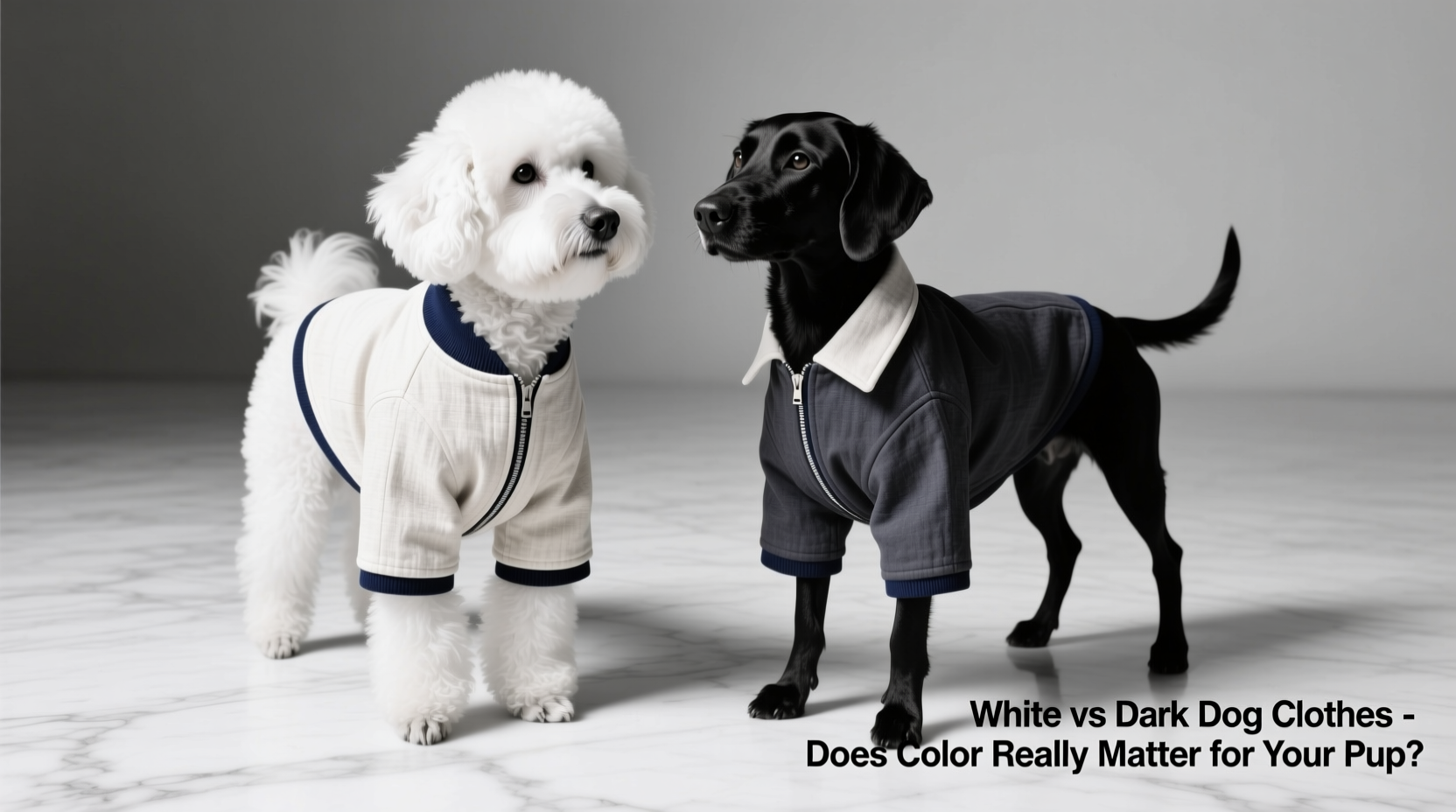
Like humans, dogs are affected by the thermal properties of fabric color. Light colors, especially white, reflect sunlight and absorb less heat. This makes white clothing ideal for warmer climates or outdoor activities during daylight hours. In contrast, dark colors like black, navy, or charcoal absorb solar radiation, which can raise the surface temperature of the fabric—and by extension, your dog’s skin.
This effect is particularly important for breeds prone to overheating, such as Bulldogs, Pugs, or Huskies. A study published in the *Journal of Veterinary Behavior* notes that external heat sources, including dark fabrics exposed to sun, can contribute to thermal stress in dogs with limited cooling mechanisms (since they primarily regulate body temperature through panting).
Tip: Avoid dressing your dog in dark clothes during midday walks in summer. Opt for light-colored, breathable fabrics instead.However, this principle reverses in colder weather. Dark clothing can help retain warmth when temperatures drop, making it a practical choice for winter wear. The key is context—matching the garment’s color to the season and environment.
Cleanliness and Maintenance: The Stain Factor
One of the most noticeable differences between white and dark dog clothes lies in how easily they show dirt. White garments highlight mud, grass stains, and drool, requiring more frequent washing. While this may seem like a downside, it also has a benefit: visible soiling helps owners detect issues early, such as skin discharge or accidental spills.
Dark clothes, while better at hiding everyday messes, can mask underlying problems. A small amount of urine, blood, or fungal residue might go unnoticed on black fabric, delaying necessary hygiene or medical attention.
| Color | Pros | Cons |
|---|---|---|
| White | Reflects heat, shows cleanliness level clearly, looks fresh | Shows stains easily, requires frequent laundering |
| Dark | Hides dirt, retains warmth, durable appearance | Can overheat in sun, hides health issues, may fade |
“Owners often overlook how much fabric color impacts a dog’s comfort. A black sweater in July can be dangerous—even under shade.” — Dr. Lena Torres, Canine Dermatology Specialist
Safety and Visibility: Standing Out in the Environment
Visibility plays a crucial role in urban or low-light settings. White or light-colored dog clothes enhance visibility during dawn, dusk, or nighttime walks. This increased conspicuity reduces the risk of accidents, especially near roads or in poorly lit areas.
Conversely, dark clothing blends into shadows, making dogs harder to spot. While reflective strips can mitigate this issue, not all dark garments include them. For safety-conscious owners, choosing white or adding high-visibility accessories is a smart move.
Tip: Pair dark dog clothes with a reflective collar or LED leash for safer evening walks.Behavioral and Social Perception
Surprisingly, color can influence how people—and other animals—respond to your dog. Research in anthrozoology suggests that humans perceive lighter-colored dogs as friendlier and less threatening. When dressed in white clothing, dogs may receive more positive social interactions in public spaces.
A mini case study from a Denver-based dog training center observed two identical-sized Labrador mixes—one in a white hoodie, the other in black—during off-leash park visits. Over five sessions, the white-clad dog received 37% more friendly approaches from strangers and other dogs. Trainers noted no aggression from either, but the black-dressed dog was approached more cautiously.
While clothing color doesn’t change temperament, it can shape first impressions. For anxious or reactive dogs, wearing white may encourage calmer interactions, reducing environmental stress.
Material Matters More Than Color—But Color Amplifies Effects
It’s essential to emphasize that fabric quality and fit outweigh color considerations. A well-ventilated, non-restrictive garment in any hue is better than a poorly made one—even if \"correctly\" colored. However, color amplifies the performance of the material.
For example, a white cotton shirt allows airflow and reflects heat, maximizing comfort. A black polyester jacket traps heat and moisture, increasing discomfort and risk of chafing or hot spots. Natural fibers like cotton or bamboo are preferable for both light and dark garments, especially in variable climates.
Checklist: Choosing the Right Dog Clothing Color
- Assess the season and average temperature
- Prioritize breathable, non-irritating fabrics
- Consider your dog’s breed and coat type (e.g., double-coated breeds need cooler options)
- Evaluate walking times—daylight vs. evening
- Check for reflective elements if using dark clothes
- Monitor for signs of overheating or irritation
- Wash regularly, especially white clothes, to prevent bacterial buildup
When Color Shouldn’t Be the Priority
In some cases, medical or functional needs override color choices. Dogs recovering from surgery may wear protective onesies regardless of hue. Similarly, service dogs often wear standardized vests where color denotes status (e.g., red for “do not disturb”). In these instances, utility trumps thermal or aesthetic concerns.
Moreover, dogs with allergies or sensitive skin require hypoallergenic materials above all. Dyes used in dark fabrics sometimes contain harsh chemicals that trigger reactions. If your dog has a history of dermatitis, opt for undyed or naturally pigmented organic cotton, even if it limits color options.
FAQ
Do white dog clothes get dirty faster?
Yes, white clothes show dirt, drool, and stains more quickly than dark ones. However, this transparency helps owners maintain better hygiene by spotting messes immediately. Frequent washing is recommended, but ensure detergents are pet-safe and fragrance-free to avoid skin irritation.
Can dark dog clothes cause overheating?
Absolutely. Dark fabrics absorb sunlight and convert it to heat, raising the microclimate around your dog’s body. Combined with physical activity or high humidity, this can lead to overheating. Always monitor your dog for panting, lethargy, or reluctance to move when wearing dark clothing outdoors.
Is one color better for photo opportunities?
For photography, white clothing often performs better in natural light, providing contrast and brightness. However, dark clothes can look sleek and stylish in shaded or indoor settings. Ultimately, personal preference and setting determine the best choice.
Final Thoughts: Matching Color to Purpose
The debate between white and dark dog clothes isn’t about declaring a universal winner—it’s about alignment with purpose. White excels in summer, enhances visibility, and supports hygiene awareness. Dark offers warmth in winter and durability in appearance but demands extra caution in heat and low light.
The smartest approach combines color strategy with quality materials, proper fit, and situational awareness. Rotate your dog’s wardrobe seasonally: lightweight whites and pastels for spring and summer, deeper tones for fall and winter. Always prioritize comfort and safety over style.
💬 Your dog’s comfort starts with thoughtful choices. Share your experience—have you noticed a difference between white and dark clothes? Comment below to help fellow pet parents decide what works best!