
The arrival of ripe, sun-warmed tomatoes signals one of summer’s most cherished culinary milestones. For home cooks and professional chefs alike, nothing compares to the deep red flesh, juicy texture, and bright acidity of a vine-ripened tomato picked at its peak. Yet despite their year-round presence in supermarkets, truly flavorful tomatoes are seasonal—highly dependent on climate, region, and growing conditions. Understanding when tomatoes are in season is essential for maximizing flavor, supporting local agriculture, and planning seasonal menus. This guide details peak harvest times by region, explores what defines a truly ripe tomato, and offers practical advice for selecting, storing, using, and preserving them during their short but glorious window.
Definition & Overview
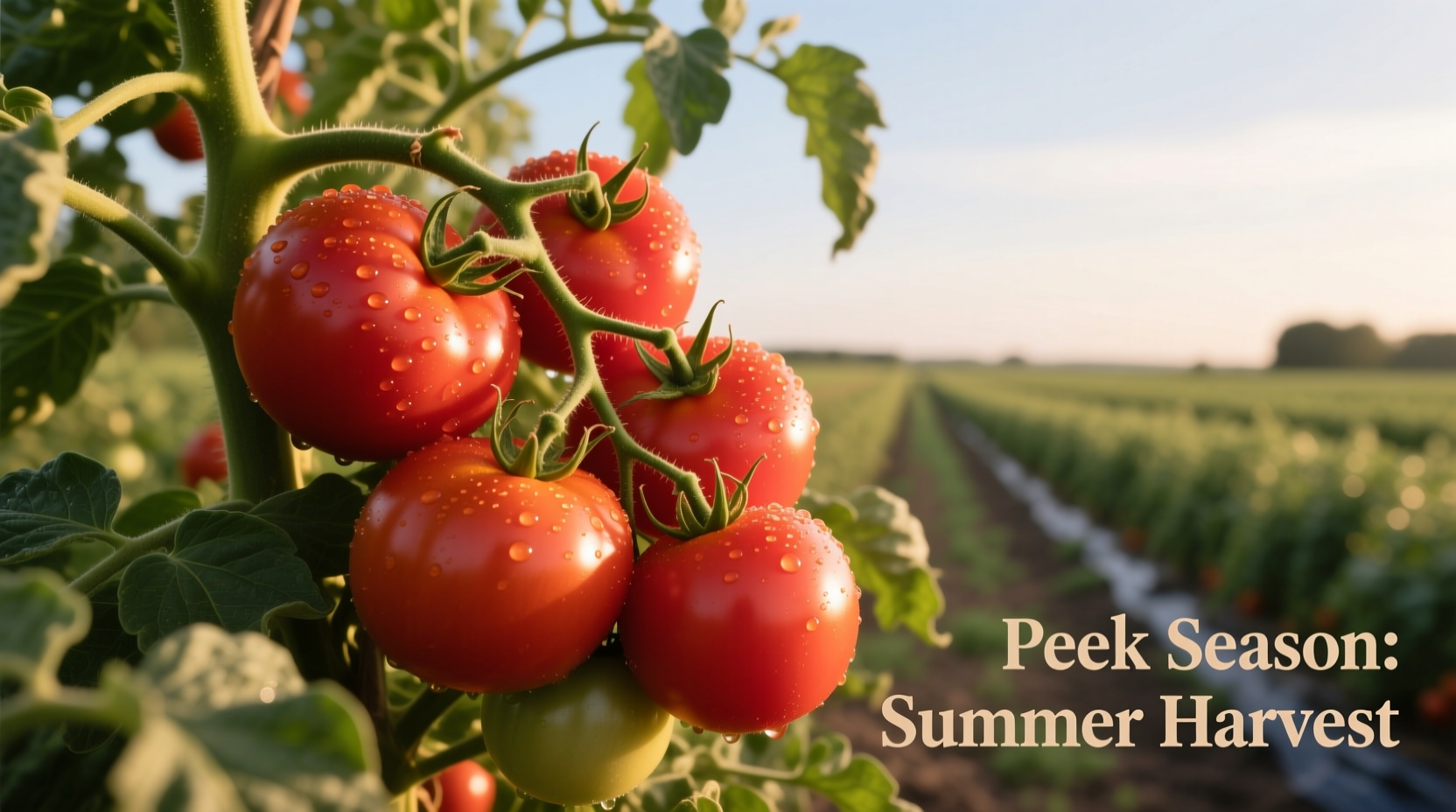
Tomatoes (Solanum lycopersicum) are botanically classified as berries and belong to the nightshade family, which includes eggplants, peppers, and potatoes. Native to western South America, they were domesticated in Mexico and introduced to Europe in the 16th century. Initially met with suspicion due to their resemblance to poisonous nightshades, tomatoes eventually became central to global cuisines—from Italian sauces to Indian curries and Middle Eastern salads.
In culinary terms, tomatoes are treated as vegetables due to their savory profile and versatile use in cooked and raw applications. They range dramatically in size, color, shape, and taste, from small cherry varieties bursting with sweetness to large beefsteaks ideal for slicing and grilling. Their high water content, natural sugars, and balanced acidity make them foundational in salsas, soups, stews, pastes, and fresh preparations like caprese salad or bruschetta.
While available year-round in grocery stores, most off-season tomatoes are grown in greenhouses or shipped long distances, often harvested green and artificially ripened. These lack the complexity and juiciness of field-grown, in-season fruit. True tomato season occurs only once a year and varies significantly depending on geography, cultivation method, and variety.
Key Characteristics of In-Season Tomatoes
Fresh, in-season tomatoes exhibit distinct sensory and structural qualities that set them apart from their off-season counterparts. The following table outlines these key characteristics:
| Characteristic | Description |
|---|---|
| Flavor | Bright, balanced blend of sweetness and acidity; complex umami notes develop under full sun exposure. |
| Aroma | Pronounced earthy-sweet fragrance at the stem end; absence of smell indicates early harvesting or poor ripening. |
| Color | Vibrant reds, yellows, purples, or greens (depending on variety); uniform hue without pale shoulders or green streaks (except heirloom types). |
| Texture | Firm but yielding to gentle pressure; skin taut but not tough; gel surrounding seeds should be fully developed and juicy. |
| Shelf Life | 3–7 days at room temperature; longer if slightly underripe. Refrigeration dulls flavor and alters texture after day 5. |
| Culinary Function | Serves as base for sauces, condiments, soups; eaten raw in salads; grilled, roasted, or preserved. |
These attributes are maximized when tomatoes are allowed to ripen fully on the vine under optimal sunlight and temperature conditions—something rarely achieved outside of true growing seasons.
Peak Harvest Times by Region
Tomato seasonality is primarily dictated by frost-free periods and average daily temperatures. Tomatoes require warm soil (above 60°F/15°C), consistent sunshine, and no risk of frost to thrive. As such, regional variations play a major role in determining when local harvests begin and end.
United States Growing Zones
- Southwest (California, Arizona): Harvest begins as early as May and peaks from June through September. California supplies over 90% of U.S. fresh tomatoes during summer months.
- Southeast (Florida, Georgia): Early season crop starts in March–April due to mild winters; second wave peaks July–August. Florida dominates winter tomato supply but summer fruit tends to be more flavorful.
- Northeast (New York, Pennsylvania, New England): Planting occurs after last frost (late May), with harvest beginning mid-July and peaking August–early September.
- Midwest (Illinois, Ohio, Michigan): Similar to Northeast, with prime season running late July through September.
- Pacific Northwest (Oregon, Washington): Shorter growing season; peak availability August–September, heavily reliant on greenhouse supplementation.
Canada
In southern Ontario and British Columbia, outdoor tomato harvest runs from late July to mid-October. Many farms extend production via high tunnels or greenhouses, pushing availability into November. Quebec and Atlantic provinces see shorter windows, typically August–September.
Europe
In Mediterranean countries like Italy, Spain, and Greece, tomatoes ripen from June to October, with August and September considered peak months. Northern European nations (UK, Germany, Netherlands) rely on protected cultivation, with outdoor crops peaking August–September.
Tips for Identifying Local Tomato Season
Look for farmer’s market indicators: When multiple vendors offer diverse tomato types—especially fragile heirlooms like Brandywine or Cherokee Purple—it's a strong sign local season has begun. Supermarket “locally grown” labels can also help, though verify origin claims when possible.
Practical Usage: How to Use In-Season Tomatoes
The versatility of ripe summer tomatoes makes them indispensable in both everyday cooking and elevated dishes. Unlike firm, bland off-season tomatoes, in-season fruit delivers enough intrinsic flavor to shine with minimal preparation.
Raw Applications
No cooking required: sliced heirlooms with flaky salt and olive oil; chopped Roma in pico de gallo; halved cherries tossed into grain bowls. The key is simplicity—let the tomato speak for itself.
- Caprese Salad: Layer thick slices of beefsteak tomato with fresh mozzarella, basil leaves, sea salt, cracked pepper, and extra virgin olive oil. Serve within 30 minutes of assembly to prevent sogginess.
- Tomato Toast: Grill sourdough, rub with garlic, top with crushed ripe tomatoes, microgreens, and ricotta. Finish with lemon zest and chili flakes.
- Green Tomato Salsa: Use slightly underripe but fully mature tomatoes for a tangy, crisp salsa verde alternative.
Cooked Preparations
Cooking concentrates flavor and breaks down cell walls, releasing juices ideal for saucing. Choose meatier varieties (Roma, San Marzano) for simmered applications.
- Quick Pan Sauce: Sauté shallots and garlic in olive oil, add diced tomatoes, season with thyme, simmer 10–12 minutes until broken down. Toss with pasta and Parmesan.
- Roasted Tomatoes: Halve plum tomatoes, toss with herbs and oil, roast at 325°F (160°C) for 60–90 minutes until caramelized. Use in sandwiches, risotto, or as pizza topping.
- Chilled Soup (Gazpacho): Blend peeled tomatoes, cucumber, bell pepper, onion, sherry vinegar, and stale bread. Chill thoroughly before serving with garnishes.
Preservation Techniques
To extend the bounty beyond peak weeks, consider preservation:
- Canning Whole or Crushed: Ideal for San Marzano or Amish Paste varieties. Process in a boiling water bath for shelf-stable storage up to 18 months.
- Freezing: Blanch, peel, and freeze whole or puréed tomatoes. Best used in soups and stews where texture matters less.
- Drying: Sun-dry or oven-dry cherry or plum tomatoes with salt and herbs. Store in oil for up to 6 months refrigerated.
Pro Tip: Never refrigerate uncut ripe tomatoes unless delaying use by more than two days. Cold temperatures below 50°F (10°C) irreversibly degrade volatile flavor compounds. Store at room temperature, stem-side down, away from direct sunlight.
Variants & Types of Tomatoes
Over 10,000 known tomato cultivars exist worldwide, differing in growth habit, ripening time, disease resistance, and culinary suitability. Understanding common types helps match variety to purpose.
| Type | Characteristics | Best Uses |
|---|---|---|
| Cherry | Small (1–2”), sweet, high juice content; grows in clusters | Snacking, roasting, salads, skewers |
| Grape | Oblong shape, thicker skin, less juicy than cherry | Roasting, sautéing, lunchboxes (less messy) |
| Roma / Plum | Elongated, dense flesh, fewer seeds, low moisture | Sauces, pastes, canning, drying |
| Beefsteak | Large (up to 1 lb), ribbed, juicy, irregular shape | Slicing, burgers, sandwiches, grilling |
| Heirloom | Open-pollinated, historic varieties; wide color range (purple, green, yellow); variable shapes | Raw applications, farmers’ markets, specialty dishes |
| Green (Unripe) | Firm, tart, crisp texture even when mature | Frying, chutneys, pickling, salsas |
Within these categories, specific cultivars stand out:
- San Marzano: DOP-protected Italian plum tomato; elongated, few seeds, rich flavor. Essential for authentic Neapolitan pizza sauce.
- Brandywine: Pinkish-red heirloom with exceptional sweetness and old-fashioned aroma. Prone to cracking; best grown locally.
- Juliet: Grape-type hybrid bred for flavor and durability; excellent for roasting.
- Black Krim: Dark purple-brown heirloom with smoky, salty undertones; performs well in cooler climates.
Comparison with Similar Ingredients
Tomatoes are sometimes confused with other nightshade fruits or substituted incorrectly in recipes. Below are clarifications:
| Ingredient | Differences from Tomato | When to Substitute? |
|---|---|---|
| Red Bell Pepper | Sweeter, lower acidity, no seeds in gel matrix, crisp raw texture | Limited; acceptable in roasted relishes but lacks tomato’s acidity for balancing fats |
| Gooseberries (Cape Gooseberry/Physalis) | Smaller, enclosed in papery husk, tropical tartness, not climacteric (don’t ripen post-harvest) | Only in creative desserts or chutneys; not a functional substitute |
| Tomatillo | Firm green fruit in husk; citrusy, tart, used raw or boiled in Mexican salsas verdes | Never interchangeable; serves different culinary role despite botanical kinship |
| Watermelon Radish | Root vegetable with pink interior; crunchy, mildly spicy | Visual mimicry only; no flavor similarity |
A critical distinction lies in pH: tomatoes are acidic (~4.3–4.9), making them safe for water-bath canning when properly processed. Substitutes like bell peppers (pH ~5.0–5.5) require pressure canning due to lower acidity, posing food safety risks if misused.
Practical Tips & FAQs
When does tomato season start and end?
In most temperate climates, outdoor tomato harvest begins 60–85 days after transplanting seedlings. This translates to mid-July through September in northern zones, and May–October in southern regions. Greenhouse-grown tomatoes may be available earlier but lack equivalent flavor development.
Are hothouse tomatoes as good as field-grown?
Rarely. While modern hydroponic systems produce clean, consistent fruit, they often prioritize yield and shelf life over flavor. Controlled environments limit exposure to UV light and diurnal temperature swings—key factors in sugar and volatile compound development. That said, some advanced greenhouses now simulate outdoor conditions and produce high-quality tomatoes, particularly in winter months when alternatives are worse.
How do I pick the best tomatoes at the market?
Use all five senses:
- Sight: Look for deep, uniform color appropriate to the variety. Avoid excessive bruising or wrinkled skin.
- Touch: Should feel heavy for its size and yield slightly to palm pressure—not mushy, not rock-hard.
- Smell: A ripe tomato emits a distinct vegetal-sweet aroma at the stem scar. No scent means it was picked too early.
- Sound: Heirlooms may emit a faint “give” sound when gently squeezed—indicative of internal juiciness.
Can I grow my own tomatoes?
Absolutely. Even balcony gardeners can cultivate dwarf or bush varieties in containers. Start with determinate (bush) types for compact growth or indeterminate (vining) for continuous harvest. Provide 6–8 hours of direct sun, consistent watering (avoid wetting foliage), and support structures like cages. Popular beginner varieties include 'Celebrity' (determinate), 'Sun Gold' (cherry), and 'Better Boy' (beefsteak).
What causes tomatoes to crack?
Cracking results from rapid uptake of water after dry periods—common during erratic summer rains. To minimize splitting, maintain consistent soil moisture and choose crack-resistant cultivars like 'Mountain Spring' or 'Jet Star'.
Are all red tomatoes ripe?
Not necessarily. Some heirlooms remain green-shouldered even when mature. Others, like 'Green Zebra', are meant to stay striped. Ripeness is better judged by feel and fragrance than color alone.
“The first ripe tomato of summer tastes like sunlight made edible.” — Adapted from Eliot Coleman, organic farming pioneer
Summary & Key Takeaways
Tomatoes are at their peak from late spring through early fall, depending on region and growing method. True flavor emerges only when tomatoes ripen on the vine under warm, sunny conditions—typically between June and September in most of North America and Europe. During this window, consumers benefit from unparalleled taste, nutrition, and culinary flexibility.
Key points to remember:
- Tomato season varies by zone: earlier in the South, later in the North.
- Heirloom and open-field varieties outperform greenhouse-grown tomatoes in flavor during peak months.
- Select tomatoes based on weight, aroma, and slight give—not just color.
- Store ripe tomatoes at room temperature, away from direct heat or cold.
- Use robust Romas for cooking, delicate heirlooms for raw dishes.
- Preserve excess harvest via canning, freezing, or drying to enjoy off-season.
Make the most of tomato season: Visit a local farmers’ market weekly from July to September. Track which varieties appear and disappear—this builds intuition about crop cycles and helps you anticipate peak freshness. Try one new tomato type each week, preparing it simply to appreciate its unique character.