
In recent years, the line between water shoes and outdoor slippers has blurred—especially as minimalist footwear trends gain popularity. At a glance, both styles look similar: lightweight, open designs, often made from synthetic materials, worn around pools, on trails, or during travel. But beneath the surface, they serve distinct purposes shaped by engineering, material science, and intended use. Understanding the differences isn’t just about semantics—it’s about performance, safety, and comfort in different environments.
Whether you're planning a river trek, lounging at a campsite, or simply stepping out for groceries after a beach day, choosing the right footwear matters. Mislabeling one for the other might seem harmless, but over time, it can lead to discomfort, reduced durability, or even injury.
Design and Construction: Built for Different Jobs
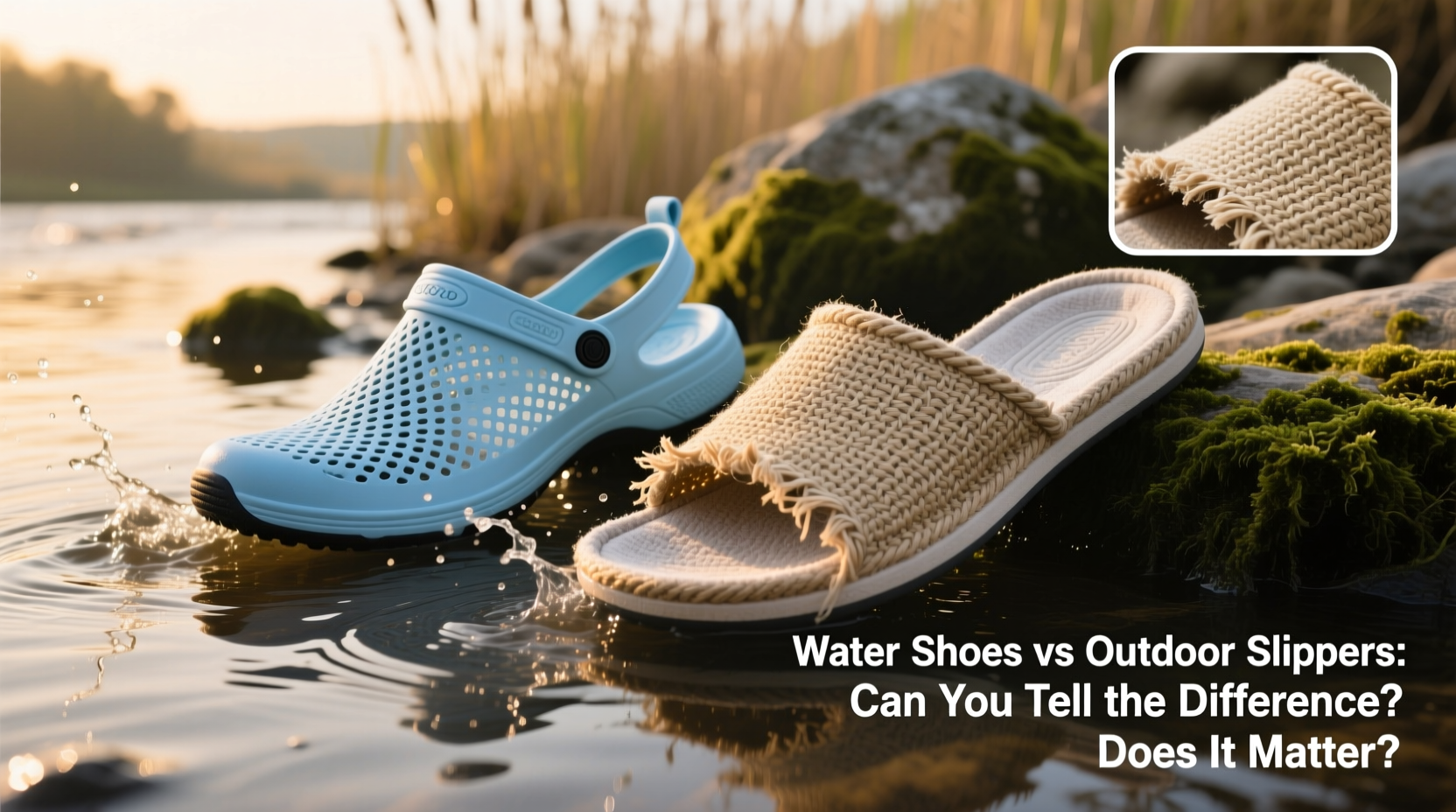
At first glance, water shoes and outdoor slippers may appear interchangeable. Both are designed to be worn barefoot-style, dry quickly, and resist moisture. However, their construction reveals key functional distinctions.
Water shoes are engineered for aquatic and semi-aquatic environments. They typically feature:
- A closed-toe or partial-cover design to protect against sharp rocks, coral, or debris
- Non-slip, textured rubber soles with drainage ports to release trapped water
- Stretchable, quick-drying uppers (often neoprene or mesh) that conform to the foot
- Secure fit systems like heel straps or elastic lacing to prevent loss in currents
In contrast, outdoor slippers prioritize convenience and casual comfort. These usually include:
- Open-back or slide-on designs for easy wear
- Lightweight EVA foam soles that cushion but aren’t optimized for traction on wet surfaces
- Minimal upper coverage, sometimes only a strap across the instep
- No drainage features, making them prone to holding water
The core difference lies in intent: water shoes are protective gear; outdoor slippers are lifestyle accessories.
Tip: If your footwear doesn’t have a secure heel retention system, it’s likely not suitable for active water use.Performance in Real Environments
Let’s say you’re hiking a rocky streambed. You need grip on slippery algae-covered stones, protection from jagged edges, and the ability to move swiftly through moving water. Here, water shoes excel. Their aggressive tread patterns and snug fit keep your feet stable and shielded.
Now imagine wearing outdoor slippers in that same scenario. The flat EVA sole offers little traction on wet rock. The open back slips off with every step. Water pools inside, adding weight and chafing your skin. By the end of the trail, you’re sore, unstable, and possibly injured.
Conversely, if you’re walking from your tent to the fire pit at a dry campsite, water shoes might feel overly restrictive. Outdoor slippers shine here—light, breathable, and easy to kick off.
“Footwear designed for water must balance flexibility with protection. Many people assume any ‘quick-dry’ shoe works in rivers, but without proper sole structure and fit, they’re risking foot injuries.” — Dr. Lena Torres, Podiatrist & Outdoor Medicine Specialist
Material Science: What They’re Made Of Matters
Materials determine how a shoe performs under stress, moisture, and UV exposure. While both types use synthetic fabrics, their formulation differs significantly.
Water shoes often incorporate:
- Neoprene blends: Provide insulation and stretch while resisting degradation in saltwater.
- Thermoplastic rubber (TPR): Durable, abrasion-resistant outsoles that maintain grip when wet.
- Perforated mesh: Allows rapid drainage and airflow without sacrificing structural integrity.
Outdoor slippers, on the other hand, rely heavily on:
- EVA foam: Lightweight and cushioned, but compresses over time and lacks lateral support.
- Polyester webbing straps: Comfortable but can degrade faster under prolonged sun exposure.
- Smooth synthetic linings: Dry quickly but offer minimal breathability during extended wear.
Over time, EVA-based slippers break down faster in rugged conditions. Water shoes, built for repeated immersion and friction, last longer when used appropriately.
When the Lines Blur: Hybrid Footwear Trends
Modern brands have begun merging features, creating hybrids that straddle the gap. Some models now include:
- Drainage holes in slipper-style builds
- Quick-dry footbeds with arch support
- Wrap-around straps for better heel lock
These “aquatic slides” or “trail slippers” aim to offer versatility. Yet, they often sacrifice specialization. For example, a hybrid might drain water reasonably well but still lack the underfoot protection needed for scrambling over lava rock or oyster beds.
The rise of these hybrids fuels confusion. Marketing labels like “perfect for beach to bar” or “all-day adventure sandals” make consumers believe one pair can do everything. In reality, multi-purpose often means mediocre performance across all uses.
| Feature | Water Shoes | Outdoor Slippers | Hybrid Models |
|---|---|---|---|
| Toe Protection | Full or partial coverage | Rarely present | Sometimes included |
| Drainage | Yes, integrated ports | No | Limited perforations |
| Traction on Wet Surfaces | High (rubber lugs) | Low (smooth EVA) | Moderate |
| Durability in Rough Terrain | Excellent | Poor | Fair |
| Comfort for Casual Wear | Good, but structured | Excellent | Very Good |
Mini Case Study: River Festival Misstep
Last summer, a group of festival-goers arrived at a popular riverside music event expecting fun and relaxation. Most wore trendy outdoor slippers—stylish, colorful, and perfect for lounging. But when heavy rain turned the grassy banks into muddy slopes, many struggled to walk safely.
One attendee, Maya, had packed a pair of water shoes just in case. While others slipped, lost footwear, or complained of blisters from squelching foam, she moved confidently across slick terrain. Her shoes drained water after each wade, gripped muddy paths, and protected her feet from broken glass near the shore.
By day three, several people asked where she’d bought her shoes. “I thought they were overkill,” she said, “but they saved my weekend.”
Does It Actually Matter?
Yes—but context is everything.
If your activity involves standing water, moving currents, rocky substrates, or unpredictable terrain, water shoes are not just preferable—they’re essential. The risk of cuts, sprains, or losing your footwear outweighs any aesthetic benefit of wearing slippers.
For low-impact settings—dry camping, backyard BBQs, hotel pool decks—outdoor slippers are perfectly adequate. They’re comfortable, packable, and socially acceptable in casual spaces.
The real issue arises when people use slippers as substitutes for water shoes, assuming “they both get wet anyway.” That mindset ignores biomechanics, safety, and long-term value. A $35 slipper worn in whitewater might last one trip. A $65 water shoe used properly can endure years of abuse.
Tip: Always match your footwear to the most demanding part of your activity—not the easiest.Checklist: Choosing the Right Footwear
- Ask: Will I be walking on wet, slippery, or uneven surfaces? → Choose water shoes.
- Is foot protection necessary (rocks, shells, debris)? → Choose water shoes.
- Do I need something I can slip on/off instantly with no fit concerns? → Slippers may suffice.
- Will I be standing in water for more than 10 minutes? → Prioritize drainage and secure fit.
- Am I carrying weight or hiking distance? → Support and traction become critical.
FAQ
Can I wear outdoor slippers in a pool?
You can, but they’re not ideal. They lack grip on wet tiles and don’t protect your feet from pool chemicals or fungal exposure in shared showers. Water shoes or aqua socks are safer choices.
Are water shoes necessary for snorkeling?
Yes. Coral, barnacles, and sharp reef edges pose real risks. Even sandy entries can hide broken shells. Water shoes protect your feet during entry/exit and while wading.
Do water shoes ruin indoor floors?
Generally no. Most have non-marking soles. However, grit trapped in the tread can scratch hardwood. Rinse them quickly if transitioning indoors.
Final Thoughts: Function Over Fashion
The debate between water shoes and outdoor slippers isn’t about superiority—it’s about intention. Each has a role. Confusing the two leads to compromised experiences, avoidable discomfort, and sometimes danger.
As outdoor lifestyles grow more diverse, so should our understanding of gear. Just because two items look alike doesn’t mean they perform alike. Recognizing the subtle yet critical differences empowers smarter choices.
Next time you pack for a trip, pause before grabbing those stylish slippers for a kayaking excursion. Ask yourself: what will my feet face, and what do they truly need?
🚀 Take action today: Audit your footwear collection. Label each pair for its primary use—water, trail, casual—and stick to the plan. Your feet (and future adventures) will thank you.