In recent months, social media—especially TikTok—has been flooded with videos showcasing two exfoliating tools: the Violent Bear Towel and the Salux Cloth. Touted as miracle workers for smooth, glowing skin, these products have amassed legions of fans claiming dramatic improvements in texture, acne reduction, and even ingrown hair prevention. But beneath the viral hashtags and before-and-after clips lies a critical question: Is this hype backed by real skincare science, or are we simply witnessing another fleeting internet fad?
This article dives deep into both products, comparing their materials, performance, dermatological insights, and long-term usability—not through influencer filters, but through practical, evidence-based analysis.
What Are These Products, Really?
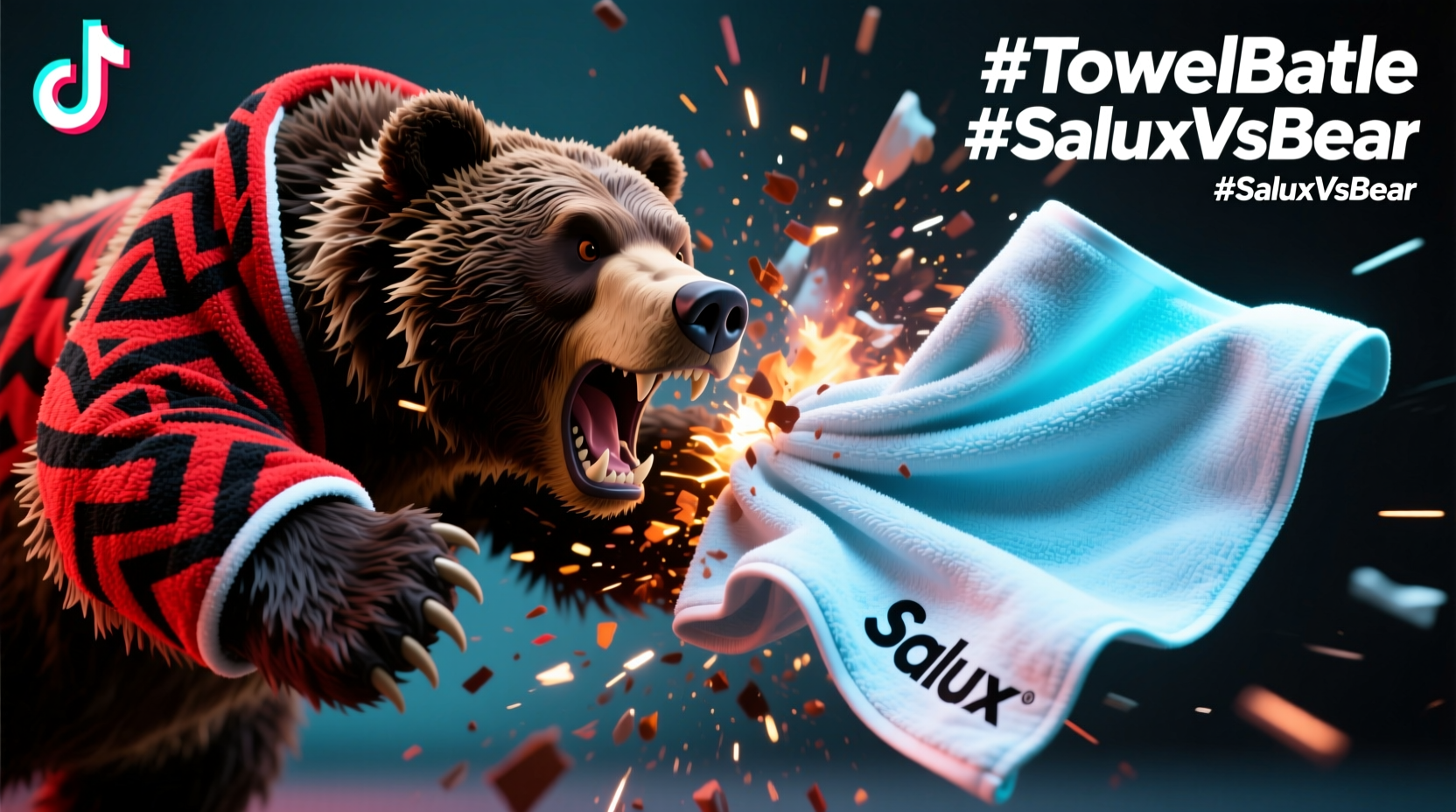
The Violent Bear Towel and the Salux Cloth are both textured washcloths designed to exfoliate the skin during showers. They go beyond basic cleansing by physically sloughing off dead skin cells, unclogging pores, and improving circulation. While they serve similar functions, their origins, materials, and textures differ significantly.
- Violent Bear Towel: A Japanese-inspired microfiber towel known for its aggressive texture. Marketed primarily through TikTok and direct-to-consumer e-commerce, it’s made from tightly woven synthetic fibers that create a sandpaper-like effect on the skin.
- Salux Cloth: A long-standing product originally developed in Japan and available internationally for decades. Made from nylon and polyester, it has a ribbed, grid-like weave intended for gentle yet effective exfoliation.
Despite their similarities, one is a modern viral sensation; the other, a quietly trusted staple among dermatologists and skincare enthusiasts for years.
Tip: Always use exfoliating cloths on damp skin with a gentle cleanser—never dry scrub, as this can cause micro-tears and irritation.Material & Texture: How Do They Compare?
The core difference between these two lies in their construction and tactile experience.
| Feature | Violent Bear Towel | Salux Cloth |
|---|---|---|
| Material | Polyester microfiber (densely packed) | Nylon-polyester blend (open grid weave) |
| Texture | Very coarse, abrasive feel | Moderately textured, flexible |
| Durability | High (resists fraying) | Very high (lasts 6–12 months with care) |
| Best For | Thick, resilient skin (back, legs) | All body areas, including sensitive zones |
| Price (Average) | $15–$25 (brand markup due to hype) | $8–$12 (widely available, generic options exist) |
The Violent Bear Towel’s intense texture appeals to users seeking a deep scrub—often those dealing with keratosis pilaris or body acne. However, its abrasiveness raises concerns about over-exfoliation, especially for sensitive or reactive skin types.
In contrast, the Salux Cloth offers a balanced approach. Its open weave allows lather to build while providing consistent, non-uniform friction that mimics manual exfoliation without excessive harshness.
“Over-exfoliation is one of the most common issues I see in patients with compromised skin barriers. Tools like the Violent Bear may do more harm than good if used daily.” — Dr. Lena Park, Board-Certified Dermatologist
Real-World Use: A Mini Case Study
Consider Sarah, a 29-year-old office worker with mild back acne and rough patches on her arms. After seeing a TikTok video showing dramatic results from the Violent Bear Towel, she purchased one and began using it every day during her shower.
Within a week, her skin appeared smoother. By week three, however, she noticed redness, tightness, and flaking across her shoulders and upper back. She consulted a dermatologist, who diagnosed early signs of barrier damage due to excessive mechanical exfoliation.
Switching to the Salux Cloth and limiting use to 2–3 times per week, Sarah saw sustained improvement without irritation. Her acne continued to clear, and her skin regained hydration and resilience.
This scenario reflects a broader pattern: short-term gains from aggressive tools often come at the cost of long-term skin health.
Step-by-Step Guide: Using Exfoliating Cloths Safely
To get the best results without damaging your skin, follow this routine:
- Wet your skin thoroughly – Warm water opens pores and softens the surface layer.
- Apply a gentle body wash – Avoid bar soaps with high pH; opt for sulfate-free formulas.
- Use the cloth in circular motions – Focus on rough areas (elbows, knees, back), not face or thin skin.
- Limited frequency – Start with 2–3 times per week. Never use daily, especially with coarser towels.
- Rinse and dry completely – Hang the cloth in a well-ventilated area to prevent bacterial growth.
- Moisturize immediately – Lock in hydration with a ceramide- or glycerin-based lotion.
Is the TikTok Hype Real or Just a Trend?
TikTok excels at amplifying niche products into overnight sensations. The Violent Bear Towel benefits from visually compelling content—users show layers of \"gunk\" coming off after scrubbing, which feels satisfying and convincing. But much of what appears as “dead skin” is actually a mix of soap residue, water film, and lint from the towel itself.
The Salux Cloth, lacking flashy marketing or viral unboxing trends, doesn’t generate the same buzz. Yet it remains recommended by estheticians and dermatologists for its reliability, gentler action, and proven track record.
Hype tends to exaggerate benefits while downplaying risks. The truth? Both tools can improve skin texture when used correctly—but the Violent Bear's intensity makes it riskier for everyday consumers.
Checklist: Choosing the Right Exfoliating Cloth
- ✅ Assess your skin type: sensitive? avoid ultra-coarse textures
- ✅ Check material composition: avoid 100% synthetic if prone to irritation
- ✅ Prioritize breathability and drying speed to prevent mold
- ✅ Look for third-party reviews beyond TikTok testimonials
- ✅ Consider value: does the price reflect quality or just branding?
Frequently Asked Questions
Can I use either cloth on my face?
No. Both are designed for the body. Facial skin is significantly thinner and more sensitive. Mechanical exfoliation on the face should be done with softer tools or chemical exfoliants like AHAs/BHAs.
Do these cloths help with ingrown hairs?
Yes—regular, gentle exfoliation can prevent dead skin from trapping hairs beneath the surface, especially in shaving or waxing areas. However, over-scrubbing inflamed areas can worsen folliculitis. Moderation is key.
Are there eco-friendly alternatives?
Some brands now offer biodegradable exfoliating mitts made from plant-based cellulose or bamboo fiber. While less durable, they reduce plastic waste. The Salux Cloth, being long-lasting, also scores points for sustainability through reduced replacement frequency.
Final Verdict: Function Over Virality
The Violent Bear Towel isn’t inherently bad—it works, particularly for those with thick, resilient skin seeking deep exfoliation. But its rise is undeniably fueled by TikTok’s love for dramatic visuals and quick fixes. Meanwhile, the Salux Cloth delivers consistent, safe results with decades of quiet credibility behind it.
If you're drawn to the Violent Bear, proceed with caution: limit usage, monitor your skin’s response, and never prioritize virality over skin health. For most people, the Salux Cloth offers a smarter, more sustainable solution—one that doesn’t rely on hype to prove its worth.
💬 Have you tried either of these cloths? Share your experience below—real talk, no filters. Help others decide whether the hype holds up in real life.