Retro sunglasses have made a powerful comeback, blending vintage charm with modern functionality. From cat-eye frames inspired by 1950s Hollywood glamour to bold square lenses reminiscent of 1970s rock icons, these styles offer more than just UV protection—they make a statement. But not every retro design flatters every face. Choosing the right pair requires understanding how frame shape, size, and proportions interact with your facial structure. The wrong choice can throw off balance; the right one enhances symmetry, draws attention to your best features, and elevates your entire look.
Understanding Face Shapes: The Foundation of Frame Selection
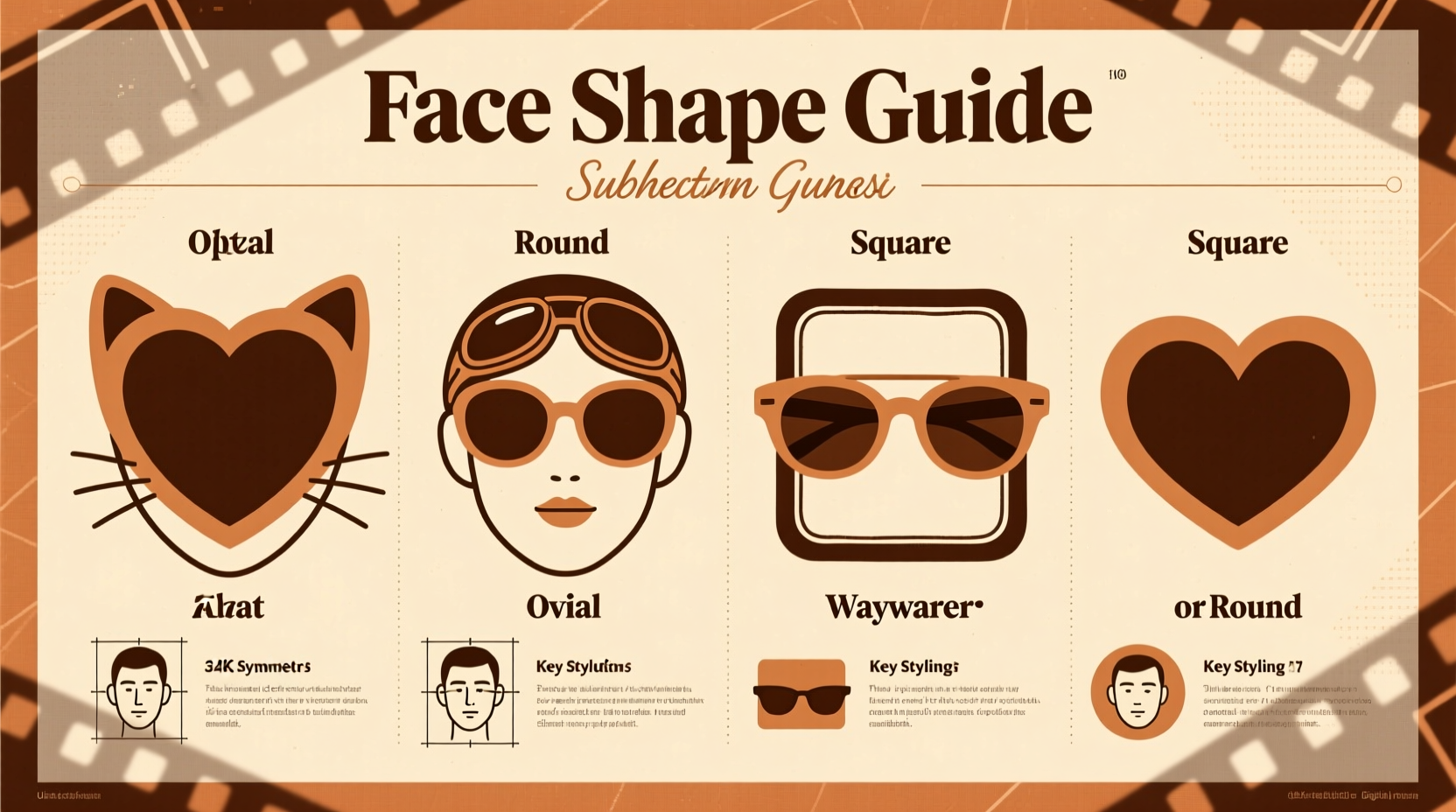
Before diving into specific sunglass styles, it’s essential to identify your face shape. Most faces fall into one of six primary categories: oval, round, square, heart, diamond, and oblong. Each has distinct characteristics that influence which retro frames will harmonize best.
- Oval: Balanced proportions, slightly wider cheekbones, gently curved jawline.
- Round: Equal width and length, soft angles, full cheeks.
- Square: Strong jaw, broad forehead, angular features.
- Heart: Wider forehead, narrow chin, prominent cheekbones.
- Diamond: Narrow forehead and jaw, high cheekbones as the widest point.
- Oblong: Longer than wide, high forehead, elongated jawline.
Measure your face using a flexible tape measure: note the width of your forehead, cheekbones, jaw, and overall length. Compare these to determine your dominant shape. This assessment is the first step toward making informed choices in retro eyewear.
Tip: Hold a mirror under bright natural light and trace the outline of your face with lipstick or soap. Step back and observe the general shape for clarity.Matching Retro Styles to Your Face Shape
Retro sunglasses span decades and design philosophies. The key is selecting a vintage-inspired silhouette that contrasts and balances your facial geometry.
Oval Faces: Versatility at Its Finest
Oval faces suit nearly all retro styles due to their balanced proportions. However, to maintain harmony, avoid overly small frames that get lost on your features. Opt instead for medium to large-sized designs like oversized round frames (think John Lennon) or classic Wayfarer-inspired trapezoids from the 1960s.
Round Faces: Add Definition with Angular Frames
To counteract softness, choose retro styles with strong lines. Square or rectangular frames from the 1970s—popularized by icons like Stevie Nicks—create contrast and visually lengthen the face. Avoid round lenses, which can emphasize roundness.
Square Faces: Soften with Curves
Balanced angularity calls for rounded silhouettes. Cat-eye sunglasses, a hallmark of 1950s fashion, lift the cheekbones and soften a strong jaw. Round wire-rimmed frames or aviators with gentle curves also work beautifully.
Heart-Shaped Faces: Balance the Forehead and Chin
The goal is to create equilibrium between a wide forehead and narrow chin. Bottom-heavy frames like butterfly sunglasses or retro round styles with thicker lower rims add visual weight below the eyes. Avoid top-heavy or overly wide upper frames.
Diamond Faces: Highlight Cheekbones with Bold Lenses
This rare shape benefits from frames that accentuate the eyes and balance narrow forehead and jaw. Oval-shaped retro lenses, cat-eyes, or semi-rimless hexagonal frames from the late 1960s draw focus to the center of the face.
Oblong Faces: Prioritize Width Over Length
Select wide, horizontally stretched frames to reduce perceived length. Clubmaster-style half-rims or thick-framed rectangles from the 1980s are ideal. Avoid small or narrow lenses, which exaggerate elongation.
“Sunglasses should act like architectural framing for the face—not compete with it.” — Lena Torres, Eyewear Stylist & Former Fashion Editor at *Vogue Eyewear*
Key Features to Evaluate in Retro Sunglasses
Beyond shape, several functional and aesthetic elements determine whether a retro pair truly complements you.
| Feature | What to Look For | Avoid If… |
|---|---|---|
| Frame Proportion | Fills space between eyebrows and cheekbones without spilling over | Your face is petite and the frame overwhelms your features |
| Bridge Fit | Sits flush on nose without pinching or sliding | You have a low nasal bridge and the frame slips down |
| Temple Width | Extends cleanly to the ear without pressing behind the head | Causes discomfort or leaves marks after short wear |
| Lens Tint | Enhances eye color (e.g., brown lenses intensify blue eyes) | Washes out your complexion (e.g., overly dark gray on fair skin) |
| Material | Acetate for bold colors, metal for lightweight retro minimalism | Allergic reactions or warping in heat-prone climates |
Color Psychology in Retro Frames
Vintage doesn’t mean neutral. Classic tortoiseshell, cherry red, gold wire, or matte black each carry different energy. Warm tones (amber, cognac) suit warm undertones in skin; cool hues (silver, gunmetal) complement cool complexions. Transparent acetate frames, trending from the 1990s revival, offer subtle retro flair without overpowering delicate features.
Tip: Test frame colors against your hair and skin in natural light. Hold them near your face—do they brighten or dull your appearance?Step-by-Step Guide to Trying Retro Sunglasses
Follow this process when shopping, whether online or in-store:
- Identify your face shape using measurements and mirror observation.
- Research era-specific styles that align with your shape (e.g., 1950s cat-eye for square faces).
- Narrow to three potential frames based on shape recommendations and personal taste.
- Try them on in natural light, checking for fit, comfort, and visual balance.
- Assess the “glance test”: Do people notice your eyes first, or the frame?
- Walk away and re-evaluate: A great pair should still feel right after 10 minutes of wear.
Real-World Example: Finding the Right Pair for a Square Face
Maria, a graphic designer in her early 30s, loved bold fashion but struggled with sunglasses that made her face look boxy. She had a strong jaw and broad forehead—classic square traits. After trying multiple trendy round frames that slipped constantly, she consulted an optician stylist who suggested 1950s-inspired cat-eye acetate sunglasses with a slight upward tilt. The angled corners softened her jawline, while the rich tortoiseshell pattern added warmth to her cool-toned wardrobe. “It’s like they were drawn to fit my face,” she said. “I now wear them weekly—not just for sun, but as a signature accessory.”
Checklist: Finalizing Your Retro Sunglass Choice
- ✅ My face shape is clearly identified (oval, square, round, etc.)
- ✅ I’ve selected a retro style known to complement my shape
- ✅ The frame width matches my facial width (not too wide or narrow)
- ✅ The bridge fits snugly without pressure
- ✅ Temples don’t dig into my head or cause slippage
- ✅ Lens tint enhances, rather than clashes with, my skin tone
- ✅ The overall look feels authentic to my personal style
- ✅ UV400 protection is confirmed (non-negotiable for eye health)
Frequently Asked Questions
Can I wear retro sunglasses if I have a small face?
Absolutely—but scale matters. Look for mini or mid-size versions of iconic styles. Vintage-inspired oval frames or petite cat-eye designs often come in compact proportions. Avoid oversized lenses unless they’re specifically designed for smaller frames.
Are mirrored lenses considered retro?
Yes. Mirrored lenses gained popularity in the 1980s among athletes and celebrities. Paired with angular or wraparound frames, they deliver a bold retro-futuristic look. Just ensure the reflectivity doesn’t clash with your outfit or environment.
Do lens shape and frame shape differ?
They can. The frame is the outer border; the lens is the shaped piece inside. In many retro designs (like classic aviators), the lens is teardrop-shaped while the frame follows a similar but distinct contour. Always evaluate both when assessing fit and style.
Final Thoughts: Style With Intention
Selecting retro sunglasses isn’t about chasing trends—it’s about curating a look that reflects your identity while enhancing your natural features. When you choose a pair that aligns with your face shape, skin tone, and lifestyle, you’re not just wearing sunglasses; you’re wearing confidence. Whether you gravitate toward the elegance of 1950s cat-eyes or the rebellious edge of 1970s squares, let intention guide your choice.
💬 Found your perfect retro pair? Share your go-to style and face shape combo in the comments—your insight could help someone else find their ideal match.